

An intimate journey into British bonsai with Lloyd Noall of Bonsai Direct | Incredible Purple Beech Bonsai
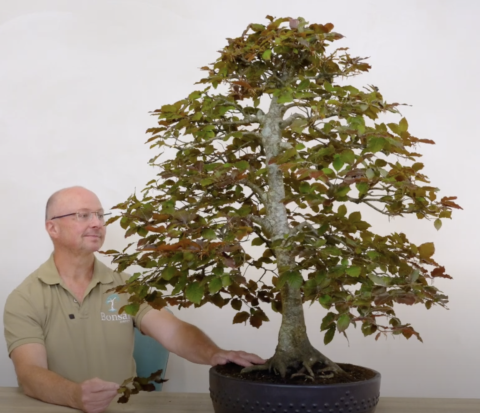
In this captivating video, bonsai master Lloyd Noall introduces one of the standout specimens from his personal collection: a breathtaking Purple Beech bonsai (Fagus sylvatica purpurea) that’s been in training for around 60 years. This tree, grown from a sapling over four decades ago, reflects the essence of English woodlands in miniature.
The video is more than a pruning demonstration—it’s a heartfelt reflection on Lloyd’s journey to grow native British species as bonsai at a time when the market was dominated by Japanese imports. As he tends to the tree, Lloyd shares insights, techniques, and personal philosophies that have shaped his decades-long practice.
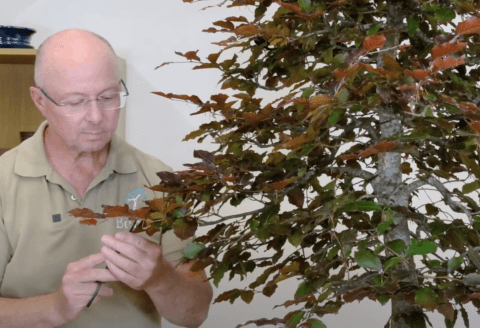
Here’s a breakdown of the key moments and lessons from the video:
The Desire to Grow Native British Bonsai
“About 40 years ago, I found it very hard to find a bonsai of an English tree…”
Lloyd begins by reflecting on the early days of bonsai in the UK. Japanese and Chinese species like black pine, maples, and junipers dominated the scene. But Lloyd longed for something more familiar—trees from the English landscape. He began growing his own from seed and saplings, including this magnificent Purple Beech.
Cleaning the Soil Surface and Discovering Character
“It’s a bit weedy around here… let’s clean it up first.”
Before pruning, Lloyd turns his attention to the nebari (surface roots). By removing weeds and debris, he reveals the beautiful base of the tree, noting how these often-overlooked details deepen his connection with the bonsai. It’s a therapeutic ritual, and one he recommends for any bonsai keeper.
Pruning Philosophy: Light Below, Heavy Above
“Start pruning at the bottom – prune lighter. Then gradually prune harder as you go up.”
This is where technique meets intention. Lloyd explains how trees naturally want to grow upward and become top-heavy. To reverse this, he prunes heavily at the top to encourage growth lower down—where the most powerful, characterful branches should develop. His method ensures balance and promotes stronger base branches.
Embracing Natural Movement and Correcting Past Cuts
“We’re looking for buds pointing in the right direction…”
Lloyd discusses bud selection, branch direction, and how past quick cuts can lead to awkward new growth. He demonstrates careful, precise pruning—choosing buds that grow left, right, or slightly downward to maintain natural flow. Even small corrections contribute to the long-term shape of the tree.
The Beauty of Beech Trees in Nature and Bonsai
“They’re elegant… tall, with beautiful silvery bark.”
Lloyd shares why he’s so drawn to beech trees. Their tall, straight growth habit, feathery branches, and shimmering leaves in sunlight make them a joy both in the wild and in miniature. He reminisces about woodland walks beneath purple beech canopies, connecting the emotional pull of nature to his bonsai practice.
Revealing the Inner Structure of this Outstanding Purple Beech Bonsai
“We can now see the trunk and all the beautiful shapes inside.”
After pruning, the tree opens up, revealing its branch architecture and aged form. It’s now more than a collection of twigs—it’s a living sculpture, with movement, space, and potential for new buds. Lloyd points out little touches of foliage draping over the trunk and how this brings a naturalistic feel.
What’s Next for this Purple Beech Bonsai Tree? Repotting and a New Pot
“This pot’s done the job, but it’s time for something special.”
The current mica pot has served the tree well for training, but Lloyd hints at repotting it into something more fitting come late winter or early spring. He’s already on the lookout for a ceramic pot worthy of this tree’s presence. Viewers are invited to subscribe and follow the next stage of its transformation.
A Tree That Embodies the Spirit of English Bonsai
“It doesn’t matter how old it is… it’s how much I enjoy being with it.”
In the end, this video isn’t just about a tree—it’s about craft, patience, and connection. Lloyd’s story of growing a native Purple Beech into a remarkable bonsai is one of dedication, love for British woodlands, and the joy of nurturing life over decades.


0 replies