

Discover the Beauty, Science, and Secrets Behind the World’s Most Captivating Miniature Trees with our top 100 Bonsai Tree Facts
Bonsai trees have fascinated people across the world for centuries — and for good reason. They are not just plants; they are living works of art that capture nature’s strength, patience, and artistry in miniature form. Whether you’re a beginner, collector, or simply a plant lover, you’ll find that bonsai trees are full of surprises.
Here are some of the most fascinating — and lesser-known — facts about bonsai that reveal why this ancient art form continues to thrive in the modern world.
🌏 Bonsai Began in China, Not Japan
While the word bonsai is Japanese for “potted tree,” the practice actually originated in ancient China over 1,000 years ago, where it was known as penjing. Chinese monks created miniature landscapes to symbolise harmony between heaven, earth, and humanity. When the art form reached Japan, it evolved into the refined bonsai style we know today.
🌳 Bonsai Are Normal Trees — Not Miniature Species
A common myth is that bonsai trees are genetically tiny. In truth, they’re just regular trees cultivated through careful pruning, root pruning, and wiring to create small-scale versions of nature. With care, your bonsai could grow into a full-sized tree if planted in the ground!
🕰️ Some Bonsai Are Older Than Many Countries
There are bonsai trees in Japan that have lived for more than 1,000 years. The oldest known bonsai — a Ficus retusa in Italy — is estimated to be over 1,000 years old, while the famous “Yamaki Pine” in the U.S. National Bonsai Museum survived the Hiroshima bombing in 1945 and is still thriving today.
💧 Caring for Bonsai Is a Practice in Mindfulness
Tending to a bonsai tree isn’t just gardening — it’s meditation in motion. The deliberate process of watering, pruning, and shaping helps slow your thoughts and focus your mind. Many bonsai enthusiasts describe it as a natural form of stress relief and a daily reminder to live in the present.
🌤️ Every Bonsai Tells a Story
Each bonsai tree is shaped over time to reflect a feeling or scene from nature — a windswept pine clinging to a cliff, a tranquil forest, or a cascading willow by a stream. The grower’s personality, patience, and creativity are literally grown into the tree.
🪴 There Are Over 30 Classic Bonsai Styles
From the upright Chokkan to the cascading Kengai, bonsai can mimic trees battered by storms, shaped by cliffs, or aged by centuries. Each style represents a different natural force — strength, resilience, calm, or endurance.
🎨 Bonsai Is Living Art
Unlike paintings or sculptures, bonsai art never stands still. Trees change with the seasons, grow new branches, and require continual shaping. Each cut and wire is a brushstroke — and every grower is an artist working in harmony with nature.
🌿 Bonsai Symbolise More Than Beauty
In Eastern philosophy, bonsai trees represent harmony, balance, patience, and longevity. In Japan, they are also seen as symbols of friendship and respect — making them especially meaningful gifts.
🧠 Bonsai Can Improve Mental Health
Recent studies suggest that caring for houseplants — including bonsai — can lower anxiety, reduce blood pressure, and boost focus. The calm, repetitive care routines and connection to living nature help create a powerful sense of peace and purpose.
💰 You Don’t Need to Spend a Fortune
While ancient bonsai can sell for hundreds of thousands, starting your own doesn’t have to cost much. Many bonsai nurseries (like Bonsai Direct) offer affordable starter trees, care kits, and expert advice — making this timeless hobby accessible to everyone.
100 Unique & Interesting Bonsai Trees Facts
Discover centuries of art, culture, and surprising science in miniature
🌏 Origins & History
- The art of bonsai originated in ancient China, where it was called penjing.
- Bonsai means “tree in a pot” or “planted in a container” in Japanese.
- The oldest recorded bonsai dates back over 1,000 years.
- Chinese monks used bonsai to represent harmony between heaven and earth.
- The Japanese refined penjing into a more minimalist, meditative art form.
- Bonsai first appeared in Japanese temples as symbols of balance and spirituality.
- Samurai warriors kept bonsai to cultivate patience and discipline.
- Bonsai trees were once considered a luxury reserved for nobles and scholars.
- The first bonsai were likely wild trees collected from mountainsides.
- Early bonsai were grown in ceramic food bowls before specialist pots existed.
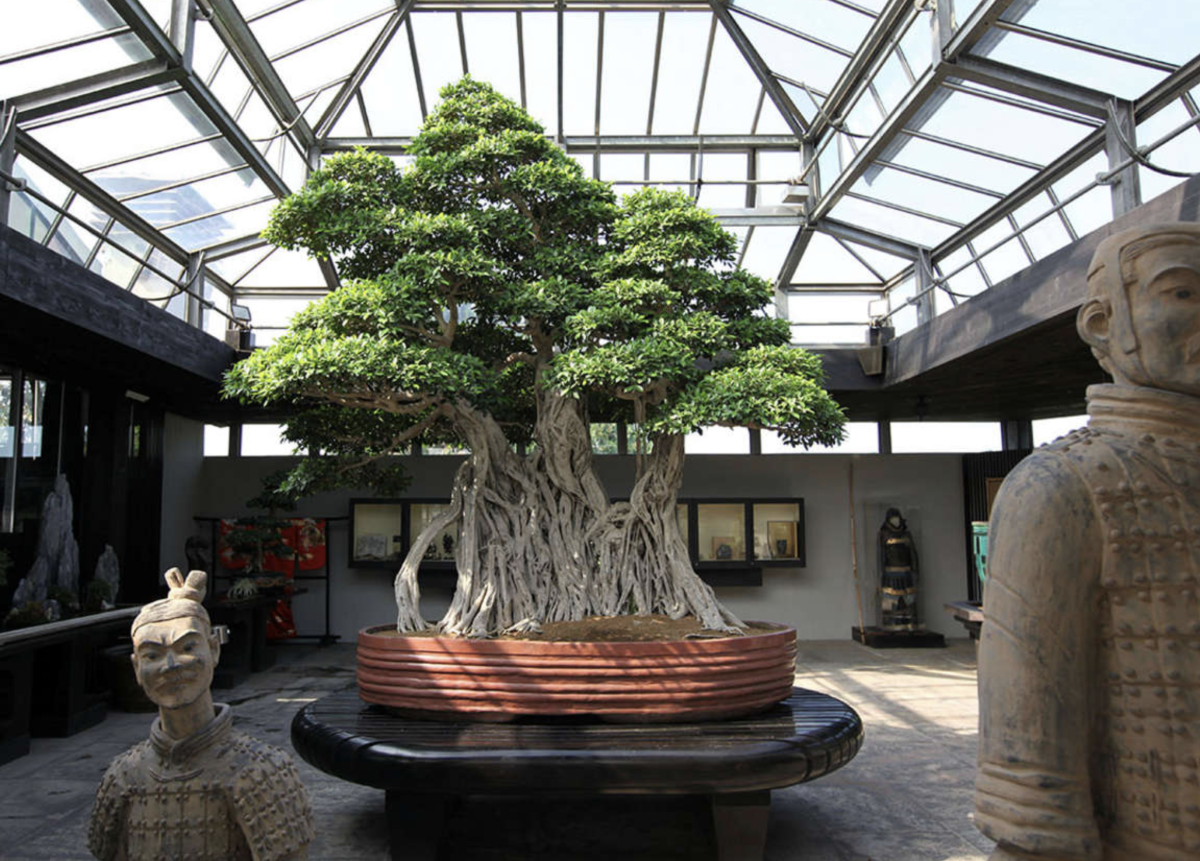
Credit: Crespi Bonsai Centre Italy
A masterpiece of Crespi Bonsai Museum is the millenary Ficus retusa Linn
🌳 Nature in Miniature
- Bonsai are normal trees, not genetically small species.
- Any woody plant can become a bonsai — from oak to olive.
- Bonsai artists mimic how trees grow in nature: bent by wind, sun, or time.
- A bonsai’s small size comes from root pruning, branch trimming, and limited soil space.
- Bonsai capture the spirit of an ancient tree, not just its shape.
- The goal is to make a bonsai look old, balanced, and full of life.
- A bonsai’s trunk thickness tells the story of its “age.”
- Bonsai trees can go dormant in winter just like full-sized trees.
- The canopy structure follows the “golden ratio” found in nature.
- Bonsai leaves often grow smaller over time through careful pruning.

🪴 Popular Bonsai Species
- Chinese Elm (Ulmus parvifolia) is one of the most forgiving and popular indoor bonsai species.
- Juniper (Juniper’s chinensis) bonsai are classic and often seen in films.
- Ficus bonsai thrive indoors and are perfect for beginners.
- Japanese Maple (Acer palmatum) bonsai are admired for their fiery autumn colours.
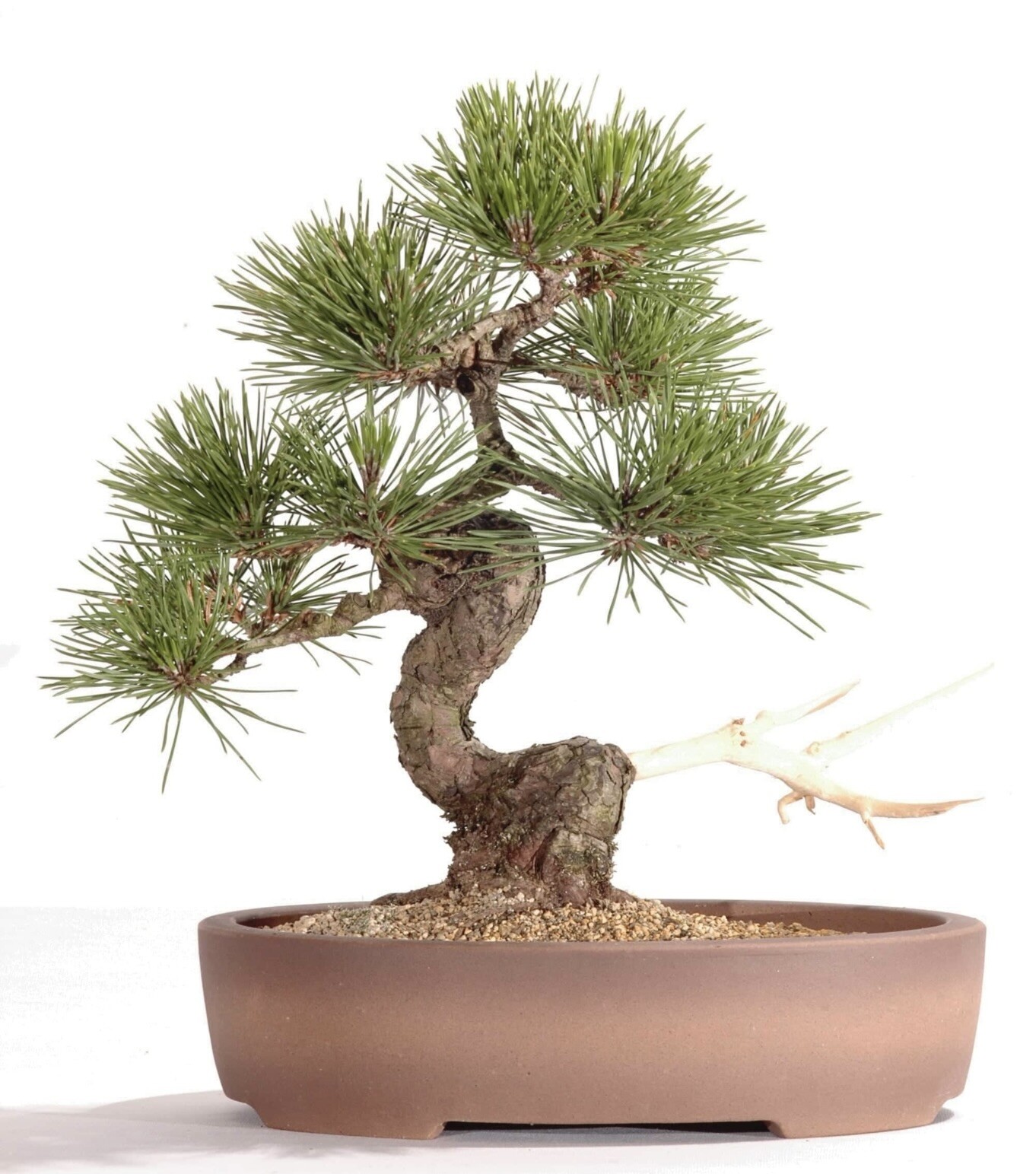
- Pine bonsai symbolise strength and longevity.
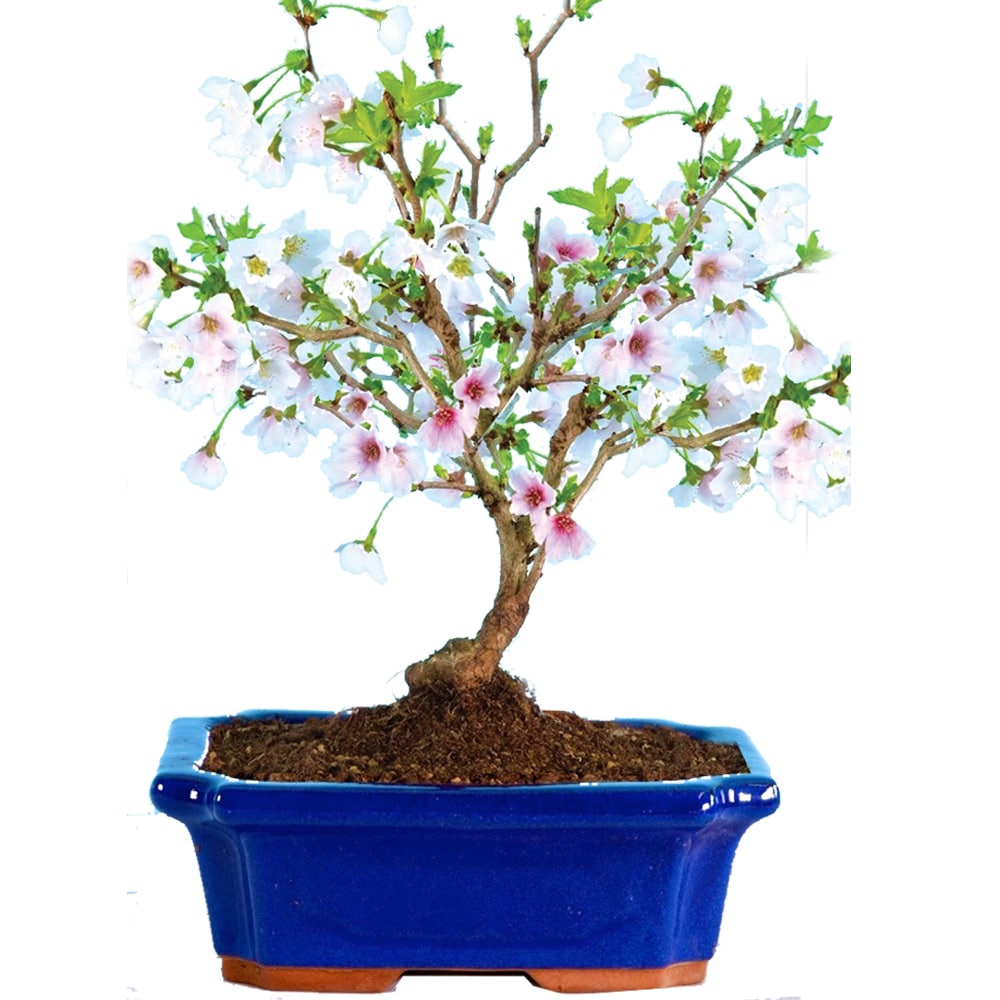
- Cherry Blossom bonsai represent beauty and the fleeting nature of life.
- Olive (Olea europea) bonsai can live for centuries with proper care.
- Azalea bonsai produce spectacular seasonal flowers.
- Serissa foetida, known as the “Tree of a Thousand Stars,” blooms with tiny white flowers.
- Tropical species like Carmona (Fukien Tea Tree) love warmth and humidity.
🧘 Symbolism & Philosophy
- Bonsai symbolise peace, balance, and patience.
- They embody the harmony between human and nature.
- Bonsai also represent resilience — growing strong despite constraints.
- In Zen Buddhism, bonsai aid meditation and mindfulness.
- Bonsai are said to bring luck, wisdom, and longevity.
- Some believe giving a bonsai as a gift strengthens friendship.
- The bonsai pot represents earth; the tree, life; and the air around it, spirit.
- The shape of a bonsai often reflects an emotional state — strength, calm, or endurance.
- To prune a bonsai is to “edit nature,” balancing control and surrender.
- Many cultures see bonsai as a living poem — constantly changing yet timeless.
🪵 Art & Design
- Bonsai is often called “living sculpture.”
- The Japanese developed over 30 classical bonsai styles.
- The Formal Upright (Chokkan) style mimics a perfectly straight forest tree.
- The Informal Upright (Moyogi) style represents natural, gentle movement.
- Cascade (Kengai) bonsai resemble trees growing down cliffs.
- Windswept (Fukinagashi) trees lean dramatically to one side, shaped by storms.
- Forest (Yose-ue) style uses several trees planted together.
- Root-over-rock style shows resilience, as roots cling to bare stone.
- Traditional bonsai artists have a personal signature visible in their trees.
- A single branch can take years to perfect into position.
🧠 Science & Technique
- Bonsai wiring uses aluminium or copper to shape branches.
- The wires are removed before they scar the bark.
- Roots are pruned every few years to stop the bonsai tree from becoming pot bound.
- Bonsai soil must drain quickly — never standard compost as it will water-log!
- Bonsai need sunlight, humidity, and airflow to stay healthy.
- Defoliation (leaf removal) encourages smaller leaves but personally I feel regular pruning is a far better method.
- Some trees are grafted to create stronger or more aesthetic forms.
- Bonsai can be grown from seeds (misho), cuttings, or nursery stock.
- The right pot size is crucial: too big ruins proportion; too small stunts growth.
- Bonsai soil mixes often include akadama, pumice, and lava rock.

🧰 Tools & Equipment
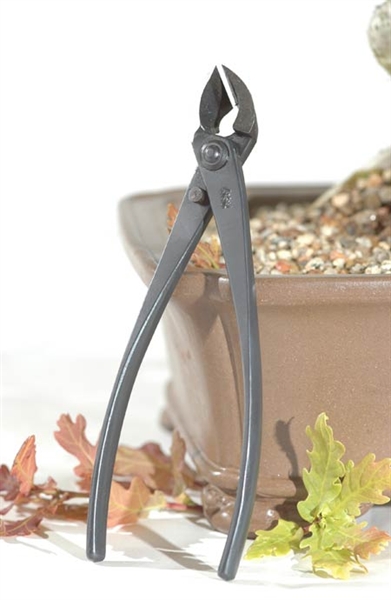
- Bonsai artists use concave cutters for clean branch cuts.
- Bonsai scissors are razor-sharp for precise pruning.
- Root hooks untangle roots before repotting.
- Turntables allow artists to sculpt from every angle.
- The shape of bonsai pots complements the tree’s mood and form.
- Traditionally bonsai tools were often handmade and treated like heirlooms.
- Japanese bonsai wire cutters are designed to protect delicate bark.
- Some modern bonsai growers use moisture meters for accuracy.
- Fine misters help keep leaves hydrated and glossy. More useful with indoor bonsai species.
- Some bonsai owners design custom stands to showcase their trees.
🌤️ Life & Growth
- Bonsai trees can live hundreds of years — often outlasting generations.
- A bonsai’s “age” can be passed down as a family heirloom.
- Bonsai grow slower than normal trees but never stop entirely.
- Even old bonsai sprout new shoots every spring.
- Bonsai bark texture develops naturally with age.
- In autumn, deciduous bonsai change leaf colour beautifully.
- Winter dormancy is crucial for outdoor deciduous species.
- Some tropical bonsai need grow lights during darker months in rooms with little natural daylight.
- Some bonsai species have fragrant foliage. EG. The Aromatic Pepper tree – Zanthoxylum piperitum.
- Each bonsai has a “front” — its most harmonious viewing angle.
🎎 Culture & Curiosities
- In Japan, owning a 300-year-old bonsai was once a status symbol.
- The Yamaki Pine in Washington, D.C. survived the Hiroshima bomb.
- There’s a National Bonsai & Penjing Museum in the U.S. dedicated to the art.
- Some bonsai trees have been insured for over $1 million.
- Bonsai exhibitions can attract tens of thousands of visitors.
- There’s even a “Bonsai World Cup” in Japan!
- Famous bonsai artists treat trees like “family members.”
- The oldest bonsai nursery in Japan dates back to the 1800s.
- Collecting bonsai is considered a lifelong pursuit.
- Some bonsai are displayed with accent plants called kusamono.
💚 Wellness & Modern Living
- Bonsai care helps reduce anxiety and depression.
- Watching a bonsai can lower heart rate and blood pressure.
- Offices with bonsai trees see improved focus and morale.
- Bonsai therapy is now used in hospitals and rehabilitation centres.
- Many people meditate beside their bonsai daily.
- Indoor bonsai improve air quality and humidity.
- The rhythmic act of pruning releases dopamine — the “calm” hormone.
- Growing bonsai teaches patience in an instant-gratification world.
- Each bonsai becomes a mirror of its grower’s personality and mood.
- The best bonsai growers say: you don’t own a bonsai — you share time with it. We like this idea. We are the carers in that moment in time.

🌿 Final Thoughts about our Top 100 Bonsai Tree Facts
Bonsai trees remind us that beauty takes time, that art and nature can coexist, and that even the smallest living thing can hold the wisdom of centuries. Whether you’re growing one on your windowsill or admiring a 500-year-old masterpiece, every bonsai has a story worth listening to.



Floydd T –
I love how bonsai trees are not just beautiful but also carry such deep symbolism, especially as gifts. The mindfulness and patience required to care for them really turn it into a calming, meditative practice.