

By Lloyd Noall, Bonsai Direct
After nearly 40 years working with bonsai trees, people often ask me a simple question: what are the best bonsai trees to grow?
It’s a difficult question because there are so many wonderful species. However, over the decades certain trees have become firm favourites of mine. Each one has its own character, seasonal beauty and challenges that keep bonsai endlessly fascinating.
My journey with bonsai began long before Bonsai Direct existed. I started Little Oak Bonsai in West Sussex over thirty years ago, and within the first year of running the nursery I met my wife Sarah. Since then we’ve grown the business together as a family. Today, after more than two decades running Bonsai Direct in rural Mid Devon, all three of our children work alongside us.
Holly manages the nursery side of the business and specialises in indoor bonsai species. Olea, who has recently completed her degree and masters in renewable energy engineering, has returned to help develop the nursery, website and marketing. She also shares my passion for outdoor bonsai species. And Oak — who was born just as we started Bonsai Direct — is involved in everything from development work to fixing whatever needs fixing!
Bonsai has always been a family journey for us, and the trees I love most are deeply tied to that story.
Here are some of the best bonsai trees in my opinion — and why they mean so much to me.

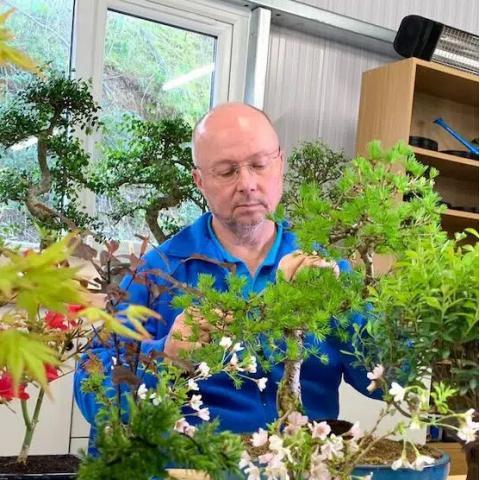
Lloyd Noall – Founder of Bonsai Direct
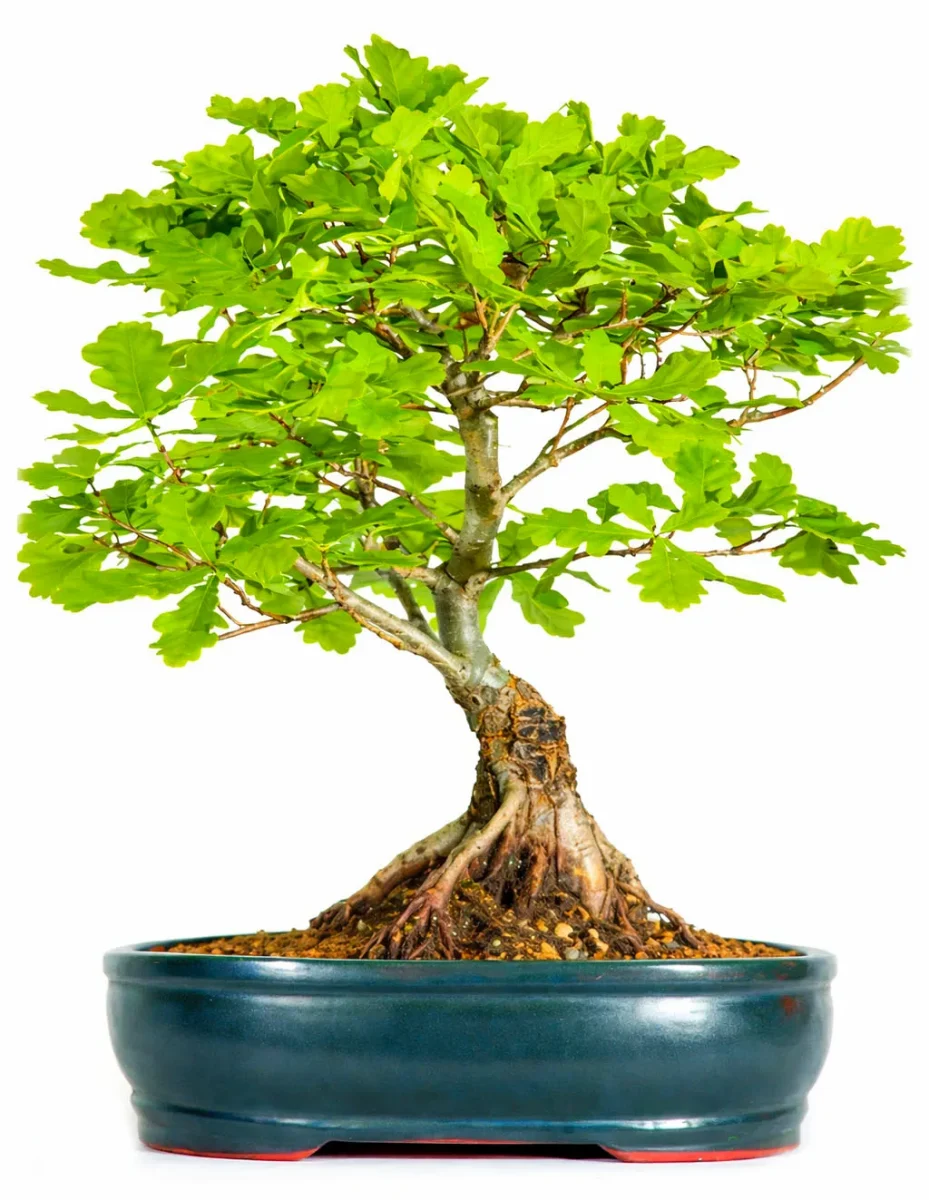
Oak Bonsai – My Personal Favourite
If I had to choose one species that truly captures my heart, it would be the oak.
I love everything about oak trees. Their character, their strength and the feeling they evoke of great British landscapes. When I see a mature oak bonsai, it reminds me of walking through ancient woodlands or across open countryside here in the UK.
Growing an oak as a bonsai is a wonderful challenge. In nature they are enormous trees that can live for centuries. Trying to capture that same sense of scale and power in miniature form is one of the most satisfying things in bonsai.
I also love the detail in the species. The lobed leaves have beautiful shapes and change colour through the seasons. The bark develops incredible texture with age. And when the structure is right, the branching can create a truly majestic miniature tree.
Oaks mean so much to me personally that they inspired the name of my first nursery — Little Oak Bonsai.
And they also inspired the name of my son, Oak (short for Oakley), who arrived just as we started Bonsai Direct here in Mid Devon.
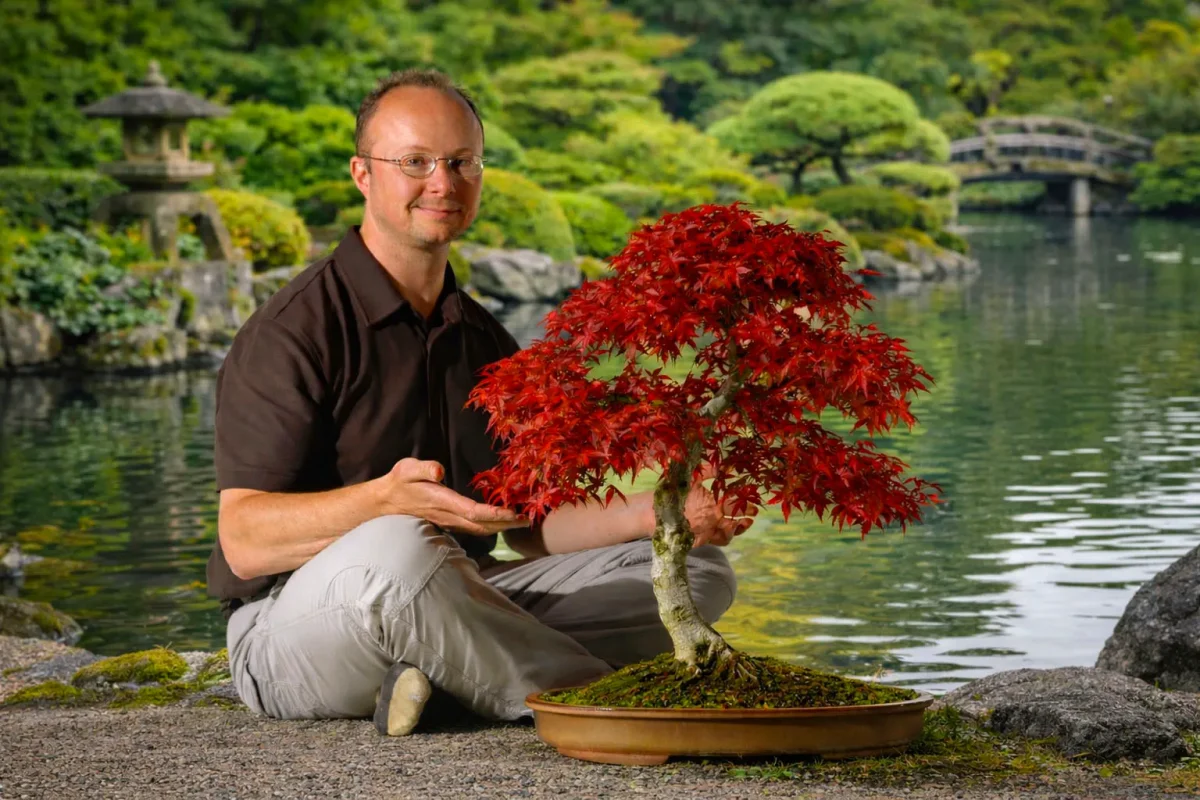
Japanese Maples – Seasonal Magic in Miniature
I would be completely remiss if I didn’t include maples in my list of favourite bonsai species.
Japanese maples (Acer palmatum varieties in particular) are among the most beautiful trees you can grow as bonsai. Their seasonal changes are simply extraordinary.
In spring the fresh foliage appears in shades of lime green, orange or deep crimson. Then through summer the canopy softens into gentle greens before exploding again in autumn with spectacular reds and golds.
One of the little details I’ve always loved about maples is their twigs. If you look closely, the colour of the twigs often matches the colour of the new foliage. So a red-leaved maple may have reddish twigs, while a lime green variety may have pale green stems.
It’s one of those subtle details that makes bonsai so rewarding when you spend time really observing your trees.
And of course the leaves themselves are beautiful — often palm-shaped and deeply cut, especially on the Japanese maple varieties.
They are delicate, elegant and constantly changing, which makes them endlessly enjoyable to grow.
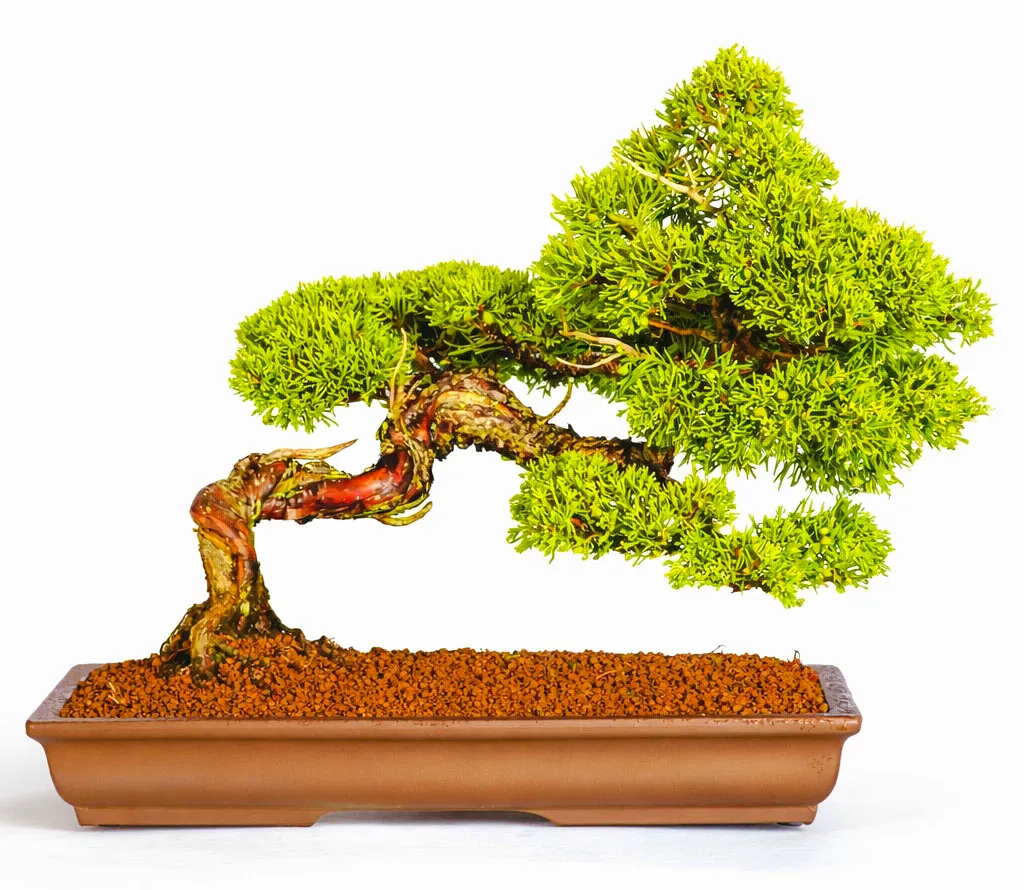
Chinese Junipers – The Iconic Bonsai
When people picture a bonsai tree, they often imagine a juniper.
And in many ways they are right. Chinese junipers are one of the most iconic bonsai species in the world.
They are evergreen, extremely hardy and absolutely packed with character. The bark develops a wonderful reddish texture as the tree matures, and the foliage forms beautiful layered pads that define classic bonsai styling.
Junipers also respond brilliantly to wiring. You can shape their branches and create dramatic movement, which is why they are such a favourite among bonsai artists.
Interestingly, junipers really entered the public imagination in Europe during the 1980s thanks to the Karate Kid films. Mr Miyagi’s bonsai trees captured people’s imagination and introduced many to bonsai for the first time.
Even today, junipers remain one of the best bonsai trees for outdoor collections.
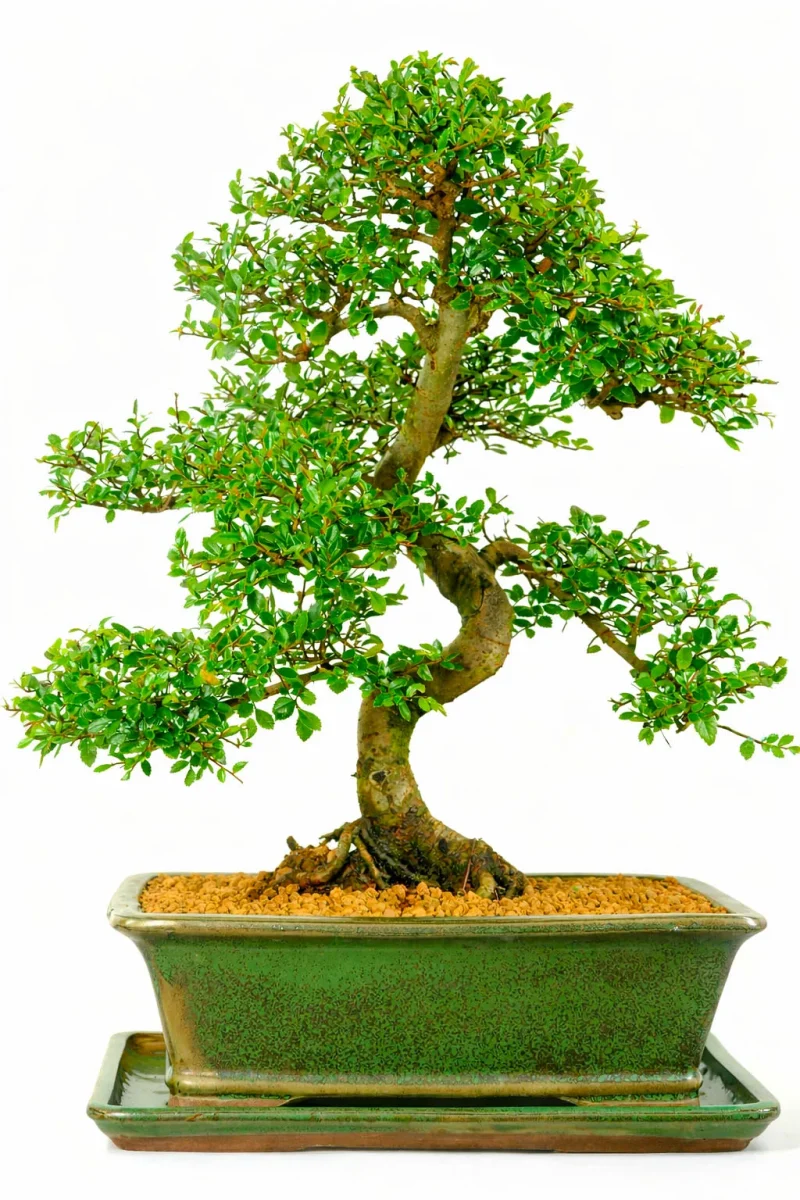
Chinese Elm – The Most Versatile Bonsai Tree
Finally, I have to mention the Chinese Elm (Ulmus parvifolia).
In my opinion it may well be the most versatile bonsai species of all.
Chinese elms are incredibly adaptable. You can grow them indoors as an evergreen bonsai, or outside where they behave as a semi-deciduous tree.
The proportions of the species are also exceptional. The leaves are naturally small and serrated, which allows you to grow Chinese Elm bonsai in many different sizes — from tiny 15 cm shohin trees all the way up to large statement specimens.
But what I love most is how perfectly the species represents a woodland tree.
When styled well, a Chinese Elm bonsai truly looks like a mature deciduous tree you might find growing in a woodland setting. That natural appearance makes it one of the best indoor bonsai trees available.
For beginners, I often recommend Chinese Elm because they are forgiving, adaptable and very rewarding to grow.
Why the Best Bonsai Trees Are Personal
After nearly four decades in bonsai, I’ve realised that choosing the best bonsai trees is always a personal decision.
Some people fall in love with flowering species. Others prefer rugged conifers. Some enjoy the challenge of shaping dramatic trees, while others appreciate delicate seasonal beauty.
For me, the species I’ve talked about here — oak, maple, juniper and Chinese elm — represent the trees that have shaped my journey in bonsai.
They connect me to the landscapes I love, the challenges I enjoy and the family business we’ve built over the past thirty years.
And perhaps that’s what bonsai is really about.
Not just growing trees in miniature, but growing something meaningful over time.


0 replies