

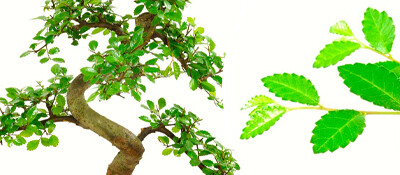
If you’re considering adding a Chinese Elm bonsai to your collection, you’re not alone! These beautiful, resilient trees are popular among bonsai enthusiasts of all experience levels. But before you make your decision, it’s important to understand the Chinese Elm pros and cons to determine if it’s the right fit for you. In this blog, we’ll break down the advantages and disadvantages of owning a Chinese Elm bonsai, whether you should mist it, and how big it can grow.
The Pros of a Chinese Elm Bonsai
1. Resilient and Adaptable
One of the top Chinese Elm pros is its hardiness. This species is known for being incredibly resilient, which makes it an excellent choice for both beginners and seasoned bonsai owners. It tolerates a wide range of temperatures and humidity levels, meaning it can thrive both indoors and outdoors (depending on your climate).
2. Fast Growth Rate
The Chinese Elm bonsai is one of the faster-growing bonsai varieties, which can be an advantage if you’re looking to shape and train your tree quickly. Its growth is easy to manage with regular pruning, and its flexible branches allow for creative styling, whether you’re going for a traditional or more modern bonsai shape.
3. Beautiful Foliage and Bark
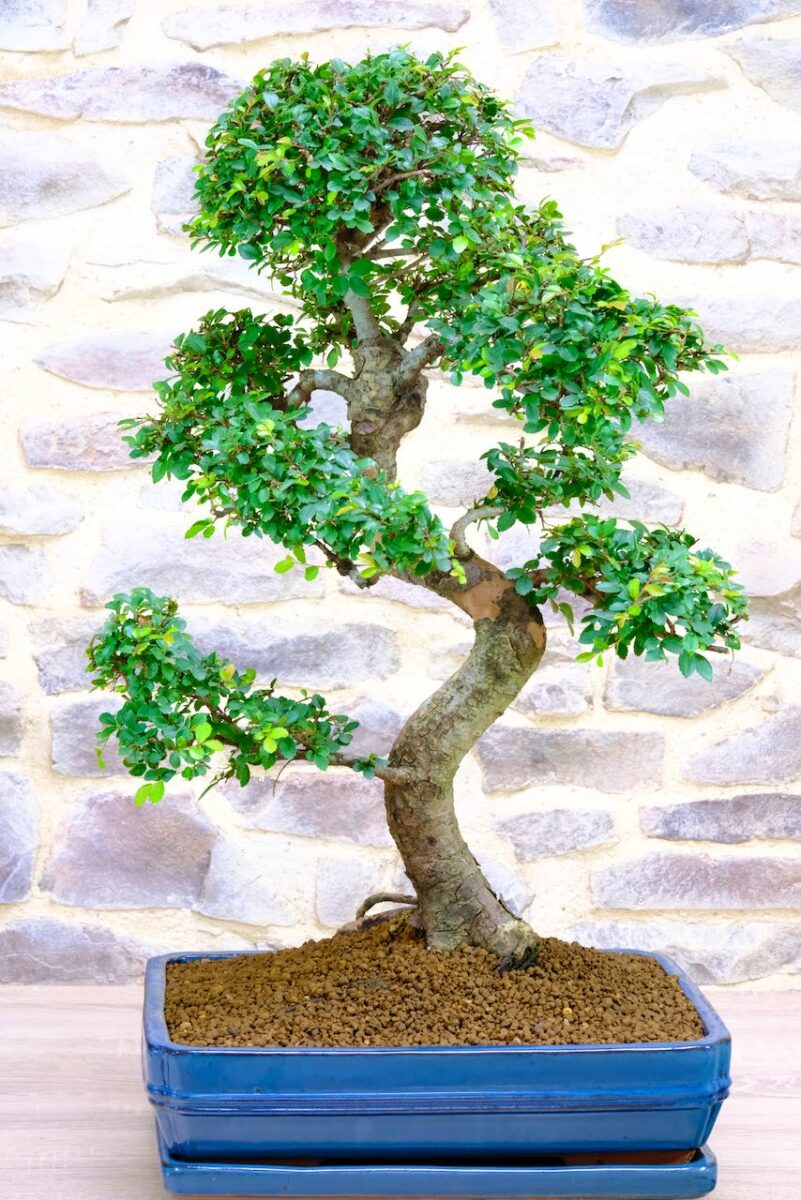
The Chinese Elm bonsai has small, attractive leaves that range from a vibrant green to a dark emerald, adding a burst of colour to your bonsai collection. The tree also develops a stunning bark texture with age, often with a rough, grayish-brown appearance that enhances its overall aesthetic.
4. Low Maintenance
Compared to other bonsai species, the Chinese Elm is relatively low maintenance. It is forgiving of occasional mistakes like underwatering or overwatering, though regular care is still needed. Its hardy nature means it is less prone to pests and diseases than some more delicate bonsai varieties.
5. Indoor and Outdoor Versatility
Unlike some bonsai trees that are very particular about their environment, the Chinese Elm is versatile and can thrive indoors or outdoors, making it an ideal choice for a variety of living spaces and climates. If you’re located in a temperate climate, you can even bring your Chinese Elm outside during the warmer months to enjoy its natural environment. However, please protect from frosts.
The Cons of a Chinese Elm Bonsai
1. Sensitive to Temperature Extremes
While the Chinese Elm is relatively hardy, it can be sensitive to extreme temperatures, especially in areas with harsh winters or intense heat. If you’re growing your Chinese Elm outdoors, make sure to protect it from frost in the winter months and from extreme heat during the summer. If you are keeping it on a windowsill, keep an eye out for leaf scorch and under watering during warm periods.
2. Prone to Overwatering
Like many bonsai trees, Chinese Elm trees are susceptible to root rot if overwatered. It’s important to ensure that the soil drains well and that you don’t let the tree sit in water. Regularly check the moisture level of the soil and avoid watering until the top layer feels dry to the touch.
3. Needs Regular Pruning
While the Chinese Elm bonsai grows quickly, this also means that it requires regular pruning to maintain its shape and prevent it from becoming too leggy. If left unchecked, the branches may grow too long and detract from the overall aesthetic. Some owners find the pruning requirements to be a downside, especially when trying to create specific styles or shapes.
4. Can Outgrow Small Spaces
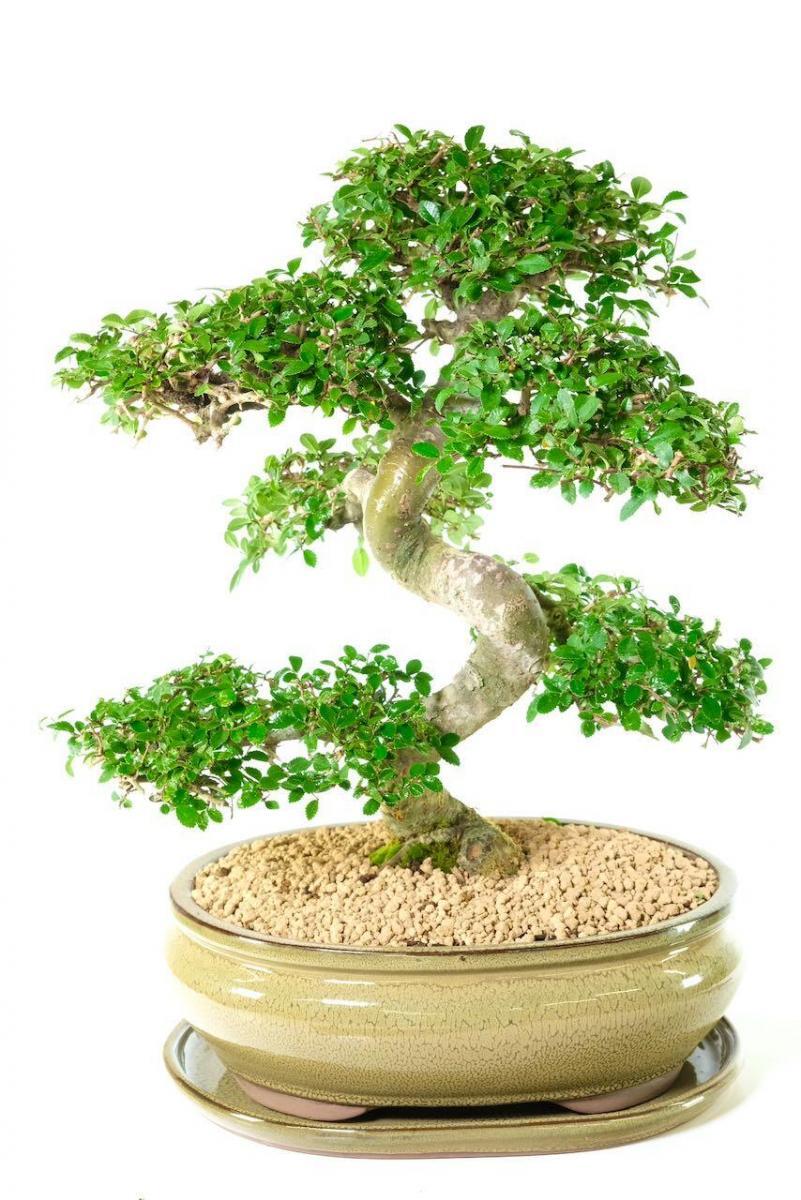
While it’s true that a Chinese Elm can be kept as a small bonsai for many years, it can eventually outgrow smaller pots or containers if not properly maintained. You’ll need to repot your tree occasionally to ensure that it has enough space for its roots to grow, and this can become more challenging as the tree ages.
Should You Mist Your Chinese Elm Bonsai?
Misting your Chinese Elm bonsai can be beneficial, but it’s not strictly necessary. The Chinese Elm pros and cons of misting depend on your local environment. If you live in a dry climate or are keeping your tree indoors, misting can help maintain the necessary humidity levels and prevent the leaves from drying out. However, if you live in a naturally humid environment or have a humidifier, misting may not be required.
It’s important to note that while misting can provide temporary humidity, it’s not a substitute for proper watering. Make sure the soil is consistently moist, but not soggy, to keep your Chinese Elm healthy. Also, avoid misting too frequently, as excessive moisture on the leaves can promote fungal growth.
How Big Can a Chinese Elm Bonsai Get?
Chinese Elm bonsai trees can vary in size depending on how they are trained and maintained. In fact, they can be any height up to 4 foot (at which point it is no longer considered a bonsai tree). However, most vary from 20cm to 70cm. The growth of your Chinese Elm bonsai largely depends on the size of the pot, the amount of pruning, and the care you provide. If you want to keep it small, regular trimming and repotting are necessary to control its size.
Final Thoughts on Chinese Elm Bonsai: Pros and Cons
The Chinese Elm bonsai is a beautiful, resilient tree that can make a fantastic addition to any bonsai collection. It offers numerous advantages, including its fast growth rate, low maintenance, and adaptability to a variety of environments. However, it does have its drawbacks, such as sensitivity to temperature extremes and the need for regular pruning.
By understanding the Chinese Elm pros and cons, you can make an informed decision about whether this tree is right for your home. With the right care, a Chinese Elm bonsai can thrive and provide you with years of enjoyment. If you need more help choosing a bonsai tree, feel free to get in touch with us.


0 replies