

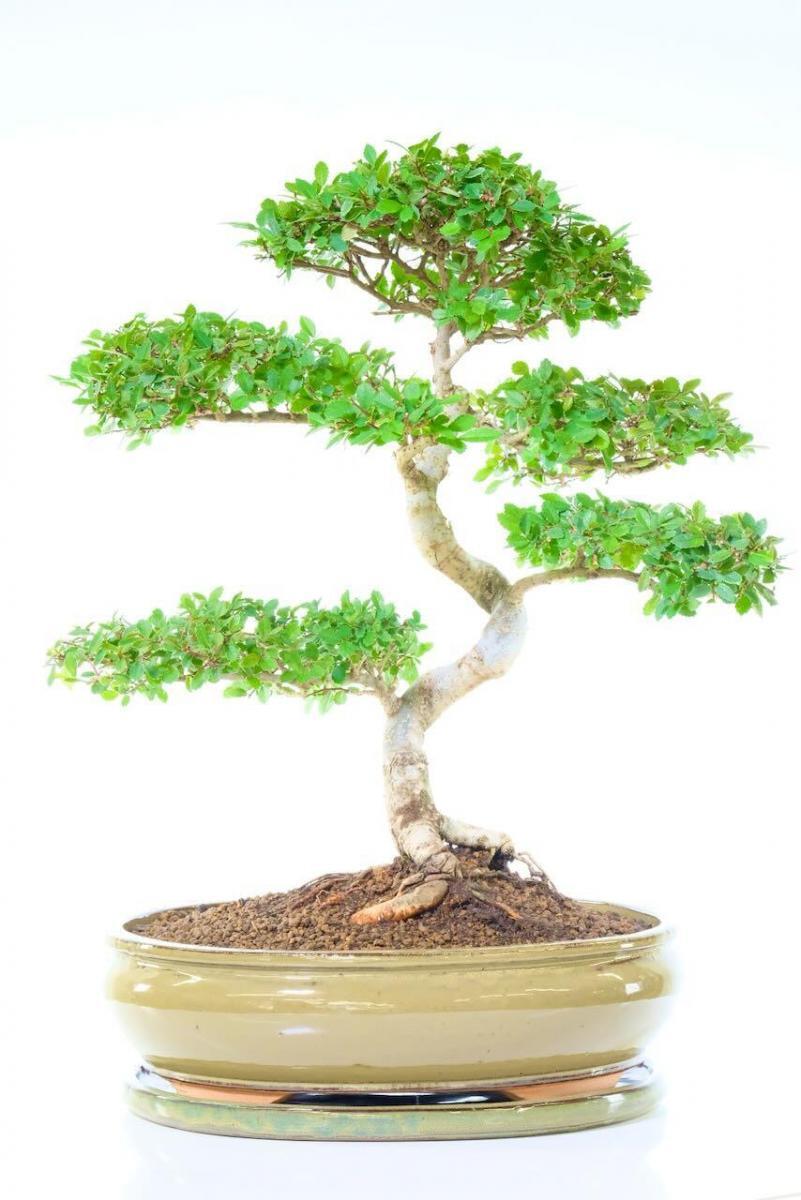
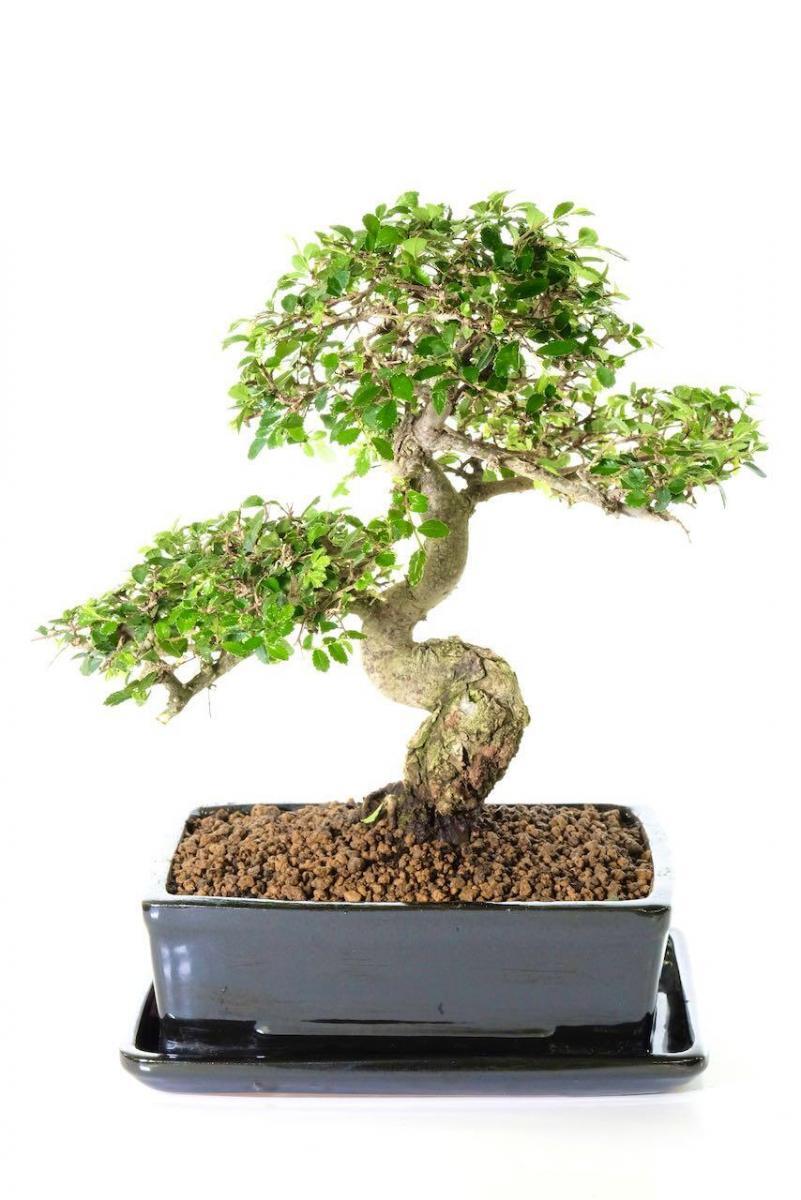
Chinese Elms make excellent bonsai. In fact, they are good for bonsai, they are actually one of the most sold bonsai around the world. What makes them so great? Well, they are hardy, can tolerate all sorts of climates, are ideal for styling, and are really great at recovering if something does go a little wrong. Chinese Elms can be identified by their small leaves with serrated edges, and their twiggy structure. As they mature, the bark becomes gorgeous and gnarly. The lifespan of a Chinese Elm bonsai tree can be hundreds of years. With proper Chinese Elm bonsai tree care, they will outlive all of us (what a great heirloom!).
Caring for a Chinese Elm Bonsai Tree
Unsure of the correct Chinese Elm Bonsai tree care? We have you covered! Taking care of a Chinese Elm bonsai (Ulmus parvifolia) is easy. There are four important things to pay attention to, but there are other aspects that should also be considered. The table below provides a short overview. For more information, keep reading!
Quick Tips
| Task | Frequency |
|---|---|
| Watering | When top of soil is just dry to the touch (daily check) |
| Fertilizing | Every week (spring–autumn) |
| Pruning | As needed (ideally pinch out new tips) |
| Repotting | Every 1–5 years (early spring) |
| Light | Full sun to partial shade / bright indoor light |

Watering
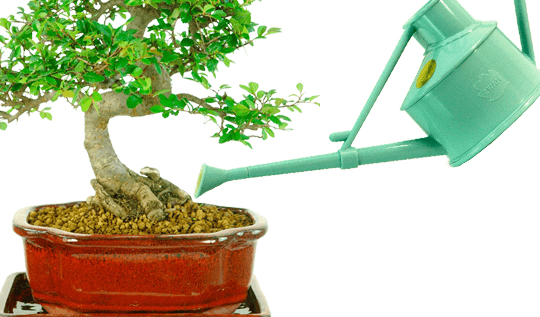
- Check Daily: Water when the topsoil feels dry (use your finger).
- Water Thoroughly: Water until it runs out the drainage holes.
- Avoid letting it dry out completely or stay soggy.
- Humidity trays can help in dry indoor environments.

Location
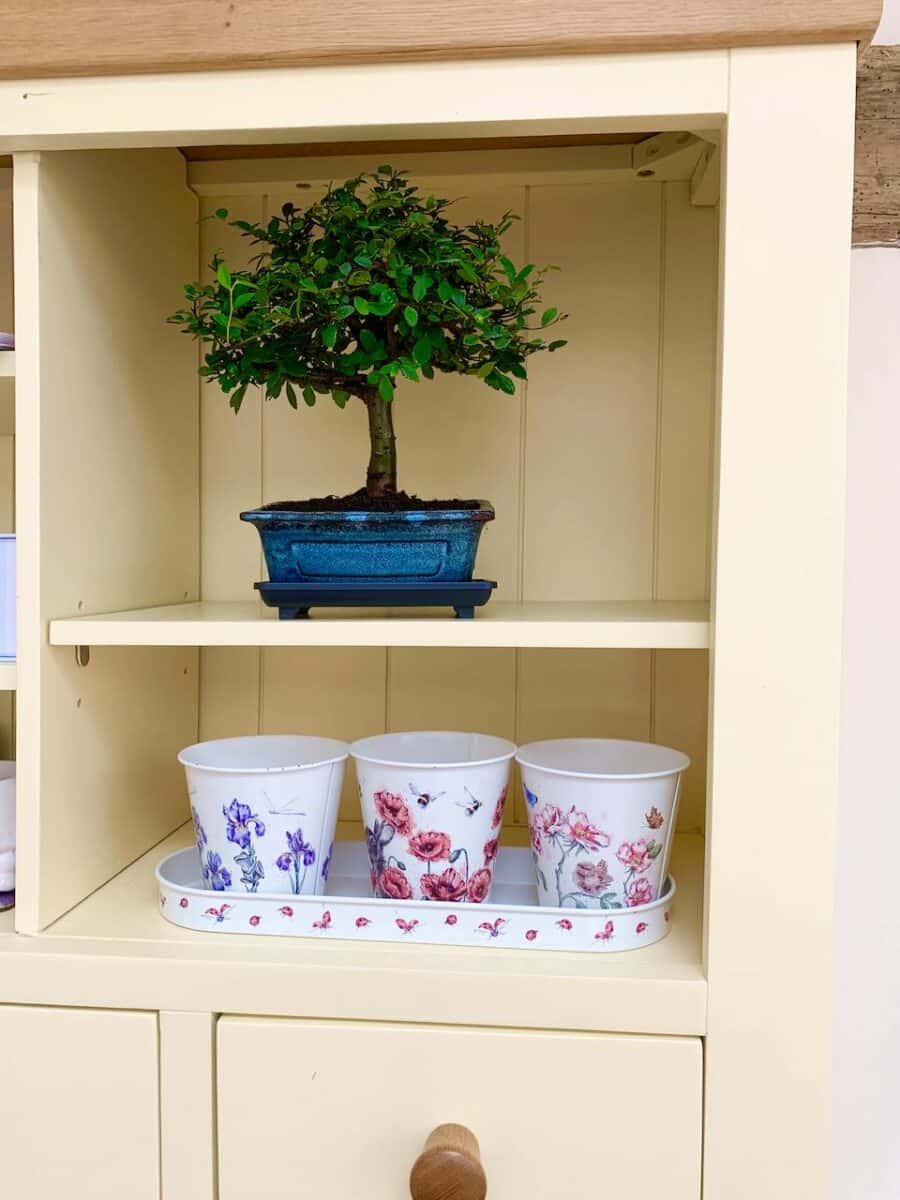
- Indoor: If kept indoors, place it near somewhere with good natural daylight but away from direct sunlight. East and west facing windows are perfect. The Chinese Elm is evergreen but may do a partial leaf drop during autumn.
- Outdoor: Can be kept outdoors all year, but protect from very cold temperatures, snow, and prolonged frosts. The Chinese Elm is hardy and can tolerate full sun or partial shade. They Chinese Elm can become deciduous when kept outdoors.
- Temperature Tolerance: Very hardy but protect it from harsh freezes. In colder climates, overwinter it in a cold frame or unheated garage. Can tolerate higher temperatures but keep away from heat sources such as radiators, ovens, and extreme heatwaves.

Fertilising
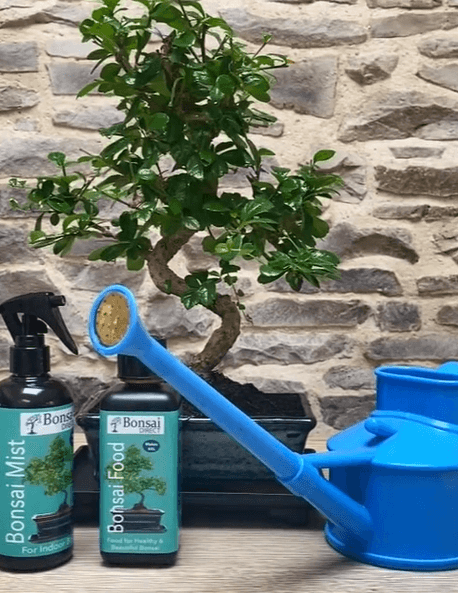
- Feed during growing season (spring to autumn) once a week:
- Use Bonsai Direct fertiliser or bonsai-specific feed.
- Reduce or stop feeding during winter dormancy if kept cold.

Pruning & Shaping

- Prune regularly to maintain shape and encourage ramification.
- Pinch back new shoots once they grow 2–3 leaves.
- Hard pruning (structural cuts) is best done in early spring before growth resumes.
- Can be wired, but be careful—branches are thin and can scar easily. Ensure the wire is not to tight when applied and check regularly as branches thicken.
Other Chinese Elm Bonsai Tree Care Considerations
On a day to day basis, these 4 tips for Chinese Elm Bonsai tree care will help keep your bonsai happy. However, there are a few more considerations to ensure your bonsai truly thrives.
Repotting
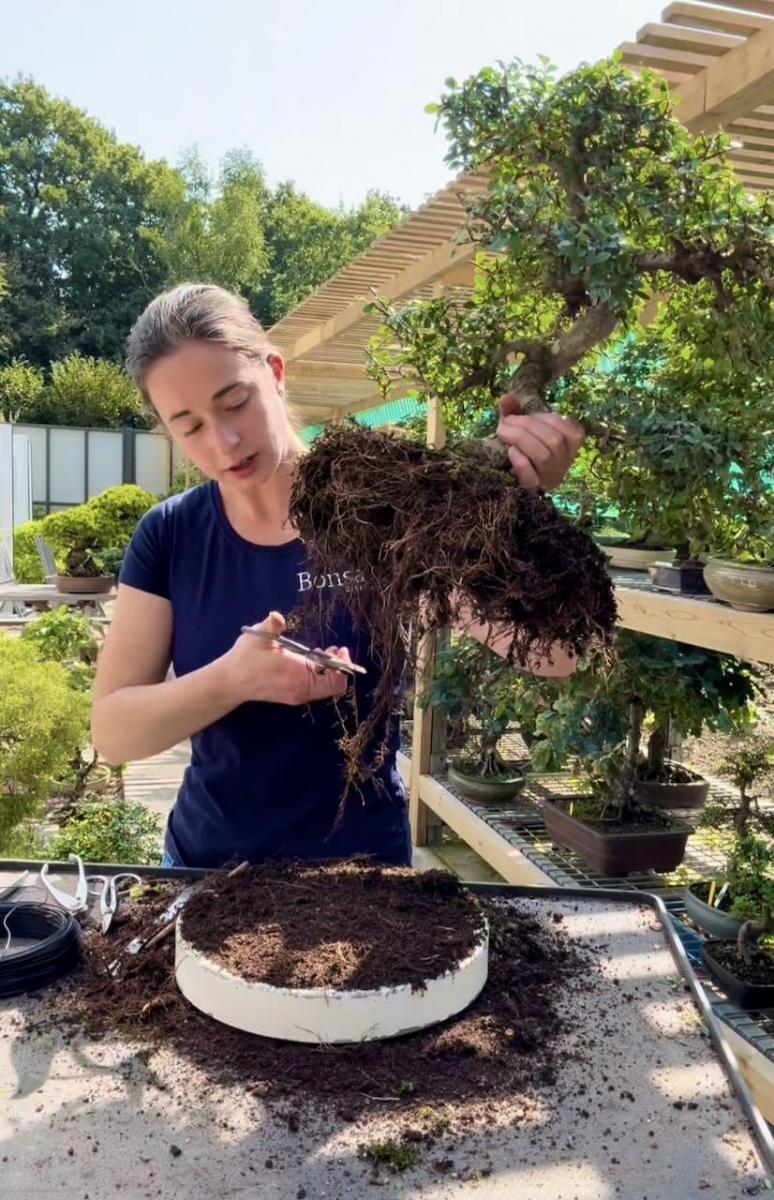
- Repot every 1–3 years (younger trees) or 3–5 years (older, mature trees).
- Best done in early spring before new growth.
- Trim about 1/3 of the roots and place in well-draining bonsai soil (akadama, pumice, lava rock mix or bonsai mix).
Soil
- Use a well-draining bonsai soil mix. Avoid regular potting soil—it retains too much moisture.
- Akadama is a great bonsai soil for older trees.
- For younger bonsai, use a mixture of peat free soil and akadama.
Pests & Problems
- Susceptible to: aphids, caterpillar, spider mites, and black spot. If you believe you have pests, spray weekly with a tested insecticide.
- Keep foliage and soil clean. Spray leaves once or twice a week with Bonsai Direct mist as a preventative.
- Yellowing leaves can be due to underwatering, overwatering, poor light, or pests.
Winter Care
- Deciduous in colder areas: Will drop leaves and go dormant.
- Semi-evergreen indoors or in mild winters: May keep some foliage.
- If outside, protect from freezing winds and severe frost.



0 replies