

The Chinese Juniper (Juniperus chinensis) is one of the most iconic and admired species in the bonsai world. Long cherished in China and Japan for its resilience and beauty, it gained international fame when Mr. Miyagi introduced bonsai to the big screen in The Karate Kid. Today, it remains a favourite for both beginners and experienced growers alike. With its rugged trunk lines, fine foliage pads, and capacity for dramatic shaping, the Chinese Juniper truly embodies the spirit of bonsai artistry.
In this article, we’ll showcase two demonstration videos by bonsai expert Lloyd Noall, who works on a stunning 15-year-old Chinese Juniper. Lloyd demonstrates how to prune the foliage and root prune and repot the tree to keep it healthy, compact, and flourishing. We’ll also answer some common questions about juniper bonsai care, including whether they can be kept indoors, why they make such good bonsai, and the essentials for looking after them.
What Does a Chinese Juniper Look Like?
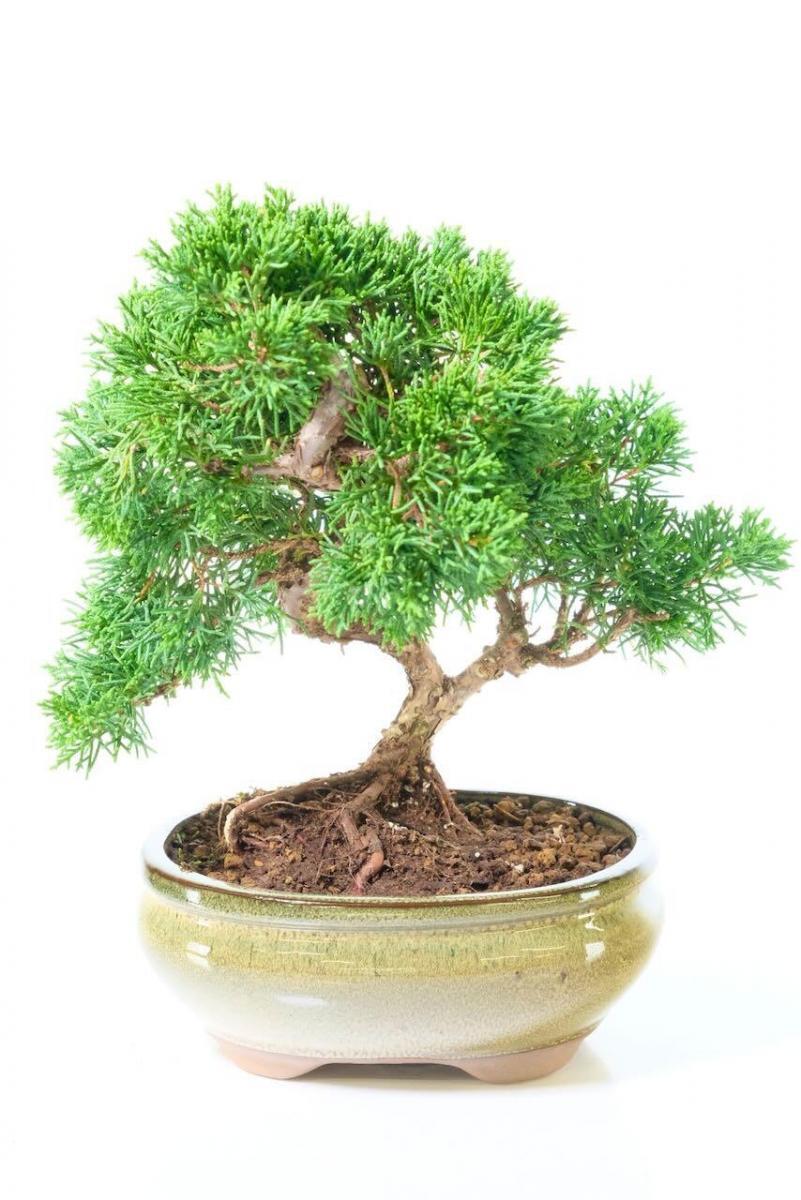
The Chinese Juniper has a distinctive appearance that makes it a bonsai enthusiast’s dream:
- Foliage: The foliage is made up of fine, soft scale-like needles that naturally grow in sprays or small pads. With careful pruning, these can be trained into dense, cloud-like clusters that give the tree its signature bonsai look. The colour is typically a rich emerald green, sometimes with silvery or bluish tones in certain cultivars.
- Berries: Junipers produce small, rounded blue-black berries (actually modified cones). These can add a seasonal interest to the tree, though they are more common on mature specimens.
- Bark: The bark of the Chinese Juniper is another striking feature. On younger trees, it is smooth and reddish-brown, but as the tree ages it develops a rugged, fibrous texture that can be peeled into natural-looking shari (deadwood) for dramatic styling.
- Colours: Over the seasons, the foliage maintains its evergreen vibrancy, making the tree visually striking all year round. In winter, it may take on a slightly bronze hue in colder climates, which adds to its charm.
Why Is the Chinese Juniper So Suitable for Bonsai?
The physical features of the Chinese Juniper make it exceptionally well-suited to bonsai cultivation:
- Its fine foliage allows for compact styling and intricate pad development.
- The flexible branches respond well to wiring, making it easy to train into classic bonsai forms such as informal upright, slanting, and cascade.
- The rugged bark and potential for deadwood carving create the illusion of age, even in younger trees.
- Its evergreen nature ensures year-round beauty, unlike deciduous bonsai that lose their leaves in winter.
- It is a hardy, resilient species, forgiving for beginners yet endlessly rewarding for advanced styling techniques.
These qualities, combined with its aesthetic appeal and deep cultural history, are why the Chinese Juniper continues to be one of the most popular bonsai species worldwide.
Video 1: How to Prune a Chinese Juniper Bonsai
In this peaceful and calm demonstration, Lloyd Noall carefully shows how to prune a juniper bonsai to maintain compact foliage pads. Using just his finger and thumb, he gently pinches out the growing tips. This technique, rather than cutting with scissors, encourages tighter, denser foliage growth—something that Chinese Junipers are prized for. Done regularly, this style of pruning keeps the tree looking balanced, healthy, and beautifully refined.
Video 2: Repotting & Root Pruning a Chinese Juniper Bonsai
In the second demonstration, Lloyd takes the same 15-year-old juniper bonsai and gives it a complete makeover. He removes the tree from its pot, teases out the roots, and carries out a gentle root prune before repotting it into a slightly larger container with fresh, free-draining soil. This process gives the tree room to grow while reinvigorating its root system. The transformation is striking—the bonsai immediately looks healthier, stronger, and more vibrant.
Common Questions About Chinese Juniper Bonsai
Can I keep a Juniper bonsai indoors?
No. Junipers are outdoor bonsai trees and should never be kept indoors for long periods. They thrive in fresh air, sunlight, and seasonal changes. Bringing one inside permanently will almost certainly lead to its decline. If you’d like a bonsai for indoors, consider species like Chinese Elm or Sageretia Bonsai instead.
Do Junipers make good bonsai trees?
Absolutely! Junipers are one of the most popular bonsai species worldwide. They are hardy, versatile, and highly responsive to training. Their naturally compact foliage and flexible branches make them perfect for shaping into a variety of bonsai styles, from informal upright to dramatic cascade. They are also very easy to care for and fully hardy.
How do I take care of my Juniper bonsai?
These are the top tips for Chinese Juniper Bonsai Care:
- Light: Place outdoors in a sunny spot; they need plenty of direct light.
- Watering: Keep the soil slightly moist but never waterlogged. Allow the top of the soil to dry just a little between waterings. This is a species of outdoor bonsai which prefers to be kept slightly drier than other varieties.
- Pruning: Pinch out new growth to maintain compact foliage pads. Avoid trimming with scissors where possible. Use branch cutters to do major styling and pruning when necessary.
- Repotting: Every 2–3 years in spring, prune the roots and refresh the soil to keep the tree vigorous.
- Winter care: Junipers are hardy, but benefit from some wind and frost protection in the harshest months.
Why the Chinese Juniper is a Bonsai Classic
The Chinese Juniper is timeless because of its natural elegance and ability to embody the “ancient tree” look in miniature form. Its fine needle-like foliage, strong yet flexible branches, rugged bark, and potential for deadwood carving make it both versatile and artistic.
For beginners, it is forgiving and resilient—tolerating pruning, wiring, and repotting well. For experienced growers, it offers endless creative potential. It’s no surprise that this species has been a staple in bonsai nurseries and collections for centuries.
Fun fact: Junipers are among the most photographed bonsai in the world, with many famous specimens displayed in national collections in Japan, China, and the U.S. Their longevity is another draw—well-cared-for juniper bonsai can live for decades, even centuries, becoming heirlooms to pass down through generations.
Conclusion
The Chinese Juniper bonsai is more than just a tree—it’s a living piece of art with deep cultural roots and enduring popularity. Whether you’re learning how to prune foliage or repot for root health, these demonstrations by Lloyd Noall highlight how small, careful actions can make a dramatic difference.
With the right care outdoors, your juniper bonsai will reward you with beauty, resilience, and character for years to come; hopefully outliving us all.



Alistair G –
I really like how this guide breaks down the essentials of pruning and repotting, as those steps can feel intimidating for beginners. From my own experience with Chinese junipers, I’ve found that repotting in early spring—just before new growth starts—helps reduce stress on the tree. Have you noticed if certain styling techniques work better for junipers compared to other bonsai varieties?