


When to Repot a Bonsai Tree: A Complete Guide to Soil, Pots and Root Pruning
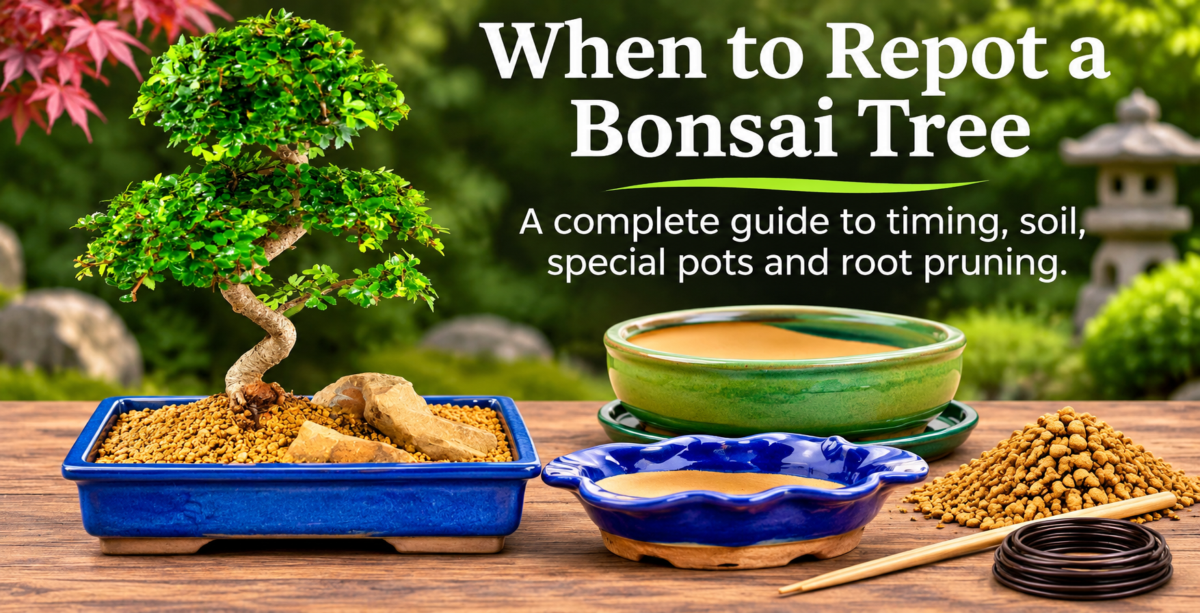
Repotting is one of the most important parts of keeping your bonsai tree healthy, happy and thriving for years to come. Whether you’re new to bonsai or have been caring for your miniature trees for years, knowing when to repot, which soil to use and how to prune the roots can make all the difference.
Unlike ordinary houseplants, bonsai trees grow in specially designed, shallow pots with limited space for their roots. Over time, the roots fill the pot, the soil begins to break down and the tree may struggle to absorb the water and nutrients it needs.
At Bonsai Direct, we want to make bonsai care as simple and enjoyable as possible. In this guide, we’ll explain everything you need to know about repotting your bonsai, from choosing the right time of year to selecting specialist bonsai soil, finding the perfect pot and carrying out root pruning safely.
When Is the Best Time to Repot a Bonsai Tree?
Timing is everything when it comes to bonsai repotting.
For most outdoor bonsai trees in the UK, late winter to early spring is the ideal time to repot, just as the tree is beginning to wake from its winter dormancy but before strong new growth develops.
This allows the roots to recover and establish themselves in fresh soil as the growing season begins.
However, the best time can vary depending on the type of bonsai you own.
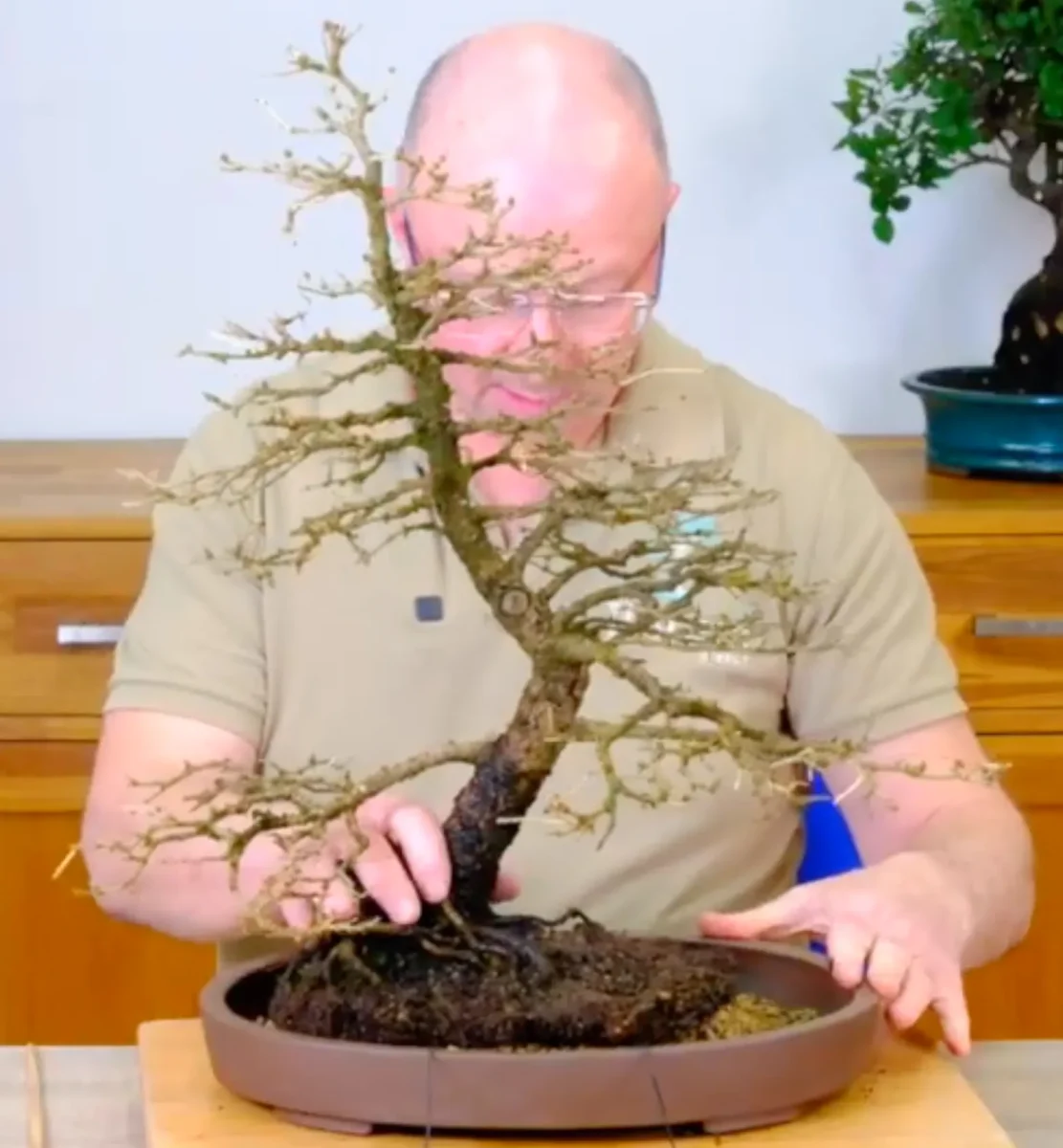
Outdoor Bonsai Trees
Popular outdoor bonsai varieties such as Japanese Maples, Pines and Junipers are generally repotted in spring, although the precise timing varies between species.
- Japanese Maple Bonsai: Late winter to early spring, when the buds begin to swell.
- Chinese Elm Bonsai: Early spring, before vigorous new growth begins.
- Pine Bonsai: Spring, with timing adjusted to the particular pine species.
- Juniper Bonsai: Spring, as active growth begins.
Avoid repotting outdoor bonsai during periods of hard frost, extreme heat or drought.
Indoor Bonsai Trees
Indoor bonsai trees, such as the popular Ficus and Chinese Elm, may have slightly different requirements.
Tropical bonsai varieties, including Ficus, generally respond best to repotting in late spring or early summer when temperatures are consistently warm and the tree is growing actively.
Chinese Elms grown indoors are often best repotted in spring, although their timing will depend on growing conditions.
Bonsai Direct Tip: Always consider the species of your bonsai before repotting. Different trees have different needs, and choosing the right time helps minimise stress.
How Often Should You Repot a Bonsai Tree?
Not every bonsai needs repotting every year.
The frequency depends on the age, species, growth rate and condition of the soil.
As a general guide:
- Young, fast-growing bonsai: Every 1–2 years.
- Established bonsai trees: Approximately every 2–3 years.
- Older, mature bonsai: Every 3–5 years or longer, depending on root growth and soil condition.
These are guidelines rather than strict rules. A healthy bonsai should only be repotted when necessary.
Signs Your Bonsai Needs Repotting
Look out for the following signs:
- Roots growing densely around the inside of the pot.
- Water taking much longer than usual to drain through the soil.
- Soil becoming compacted or breaking down.
- Reduced growth despite appropriate watering, feeding and light.
- The root ball becoming so dense that there is little room for fresh soil.
If you’re unsure, gently lift the tree from its pot when appropriate and inspect the root ball. A tightly packed mass of circling roots may indicate that it’s time to repot.
Why Is Special Bonsai Soil So Important?
One of the biggest mistakes beginners make is using ordinary garden soil or standard houseplant compost for their bonsai.
Bonsai trees have very specific soil requirements because they grow in relatively small containers.
Good bonsai soil needs to provide three essential things:
- Excellent drainage: Excess water must be able to escape to prevent waterlogging and root problems.
- Good aeration: Roots need oxygen to remain healthy and support new growth.
- Moisture retention: The soil must hold enough moisture to prevent the roots from drying out too quickly.
Ordinary garden soil can become compacted in a bonsai pot, reducing airflow and making watering more difficult.
Specialist bonsai soil is designed to create a healthier growing environment for the tree’s roots.
What Is Bonsai Soil Made From?
Quality bonsai soil often contains a mixture of carefully selected materials, including:
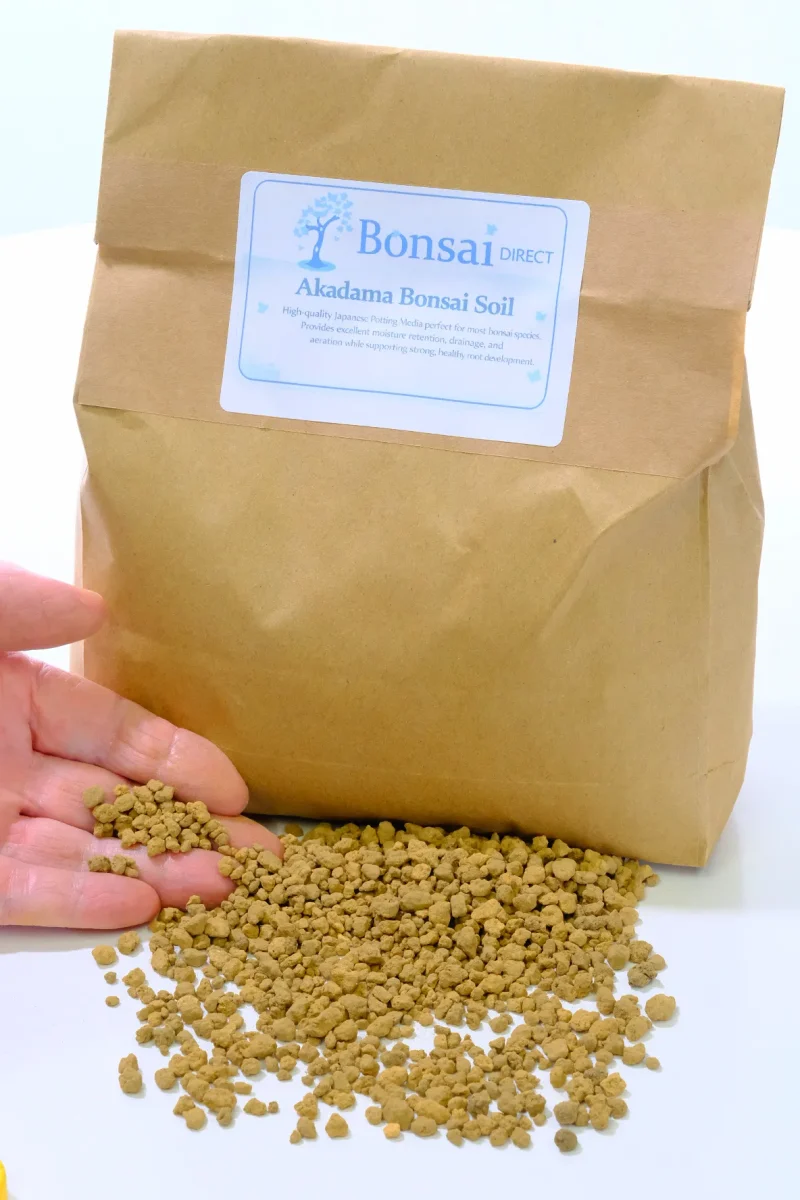
Akadama
A Japanese granular clay widely used in bonsai cultivation. Akadama helps retain moisture and nutrients while supporting root development. It gradually breaks down over time, so its condition should be monitored.
Organic Components
Some bonsai soil mixes contain suitable organic materials to help retain moisture and nutrients, depending on the needs of the tree.
The ideal mixture will vary depending on the species, climate and watering routine.
At Bonsai Direct, choosing a specialist bonsai soil suited to your tree can help take the guesswork out of repotting.
Choosing the Right Bonsai Pot
A bonsai pot is much more than a decorative container. It plays an essential role in the health, growth and overall appearance of your tree.
Bonsai pots are specially designed to complement the miniature proportions of the tree while providing a suitable environment for its roots.
Why Are Bonsai Pots So Shallow?
Traditional bonsai pots are often shallow because they help maintain the tree’s miniature appearance and encourage a compact root system.
However, shallow pots also dry out more quickly than deeper containers, making the choice of soil and watering routine especially important.
The depth of the pot should suit the tree’s species, size, root system and stage of development.
What Should You Look for in a Bonsai Pot?
Drainage Holes
A proper bonsai pot should have adequate drainage holes to allow excess water to escape. These holes can also be used to secure the tree with suitable bonsai wire.
The Correct Size
A pot that’s too small may restrict healthy root development, while one that’s unnecessarily large can make moisture management more difficult and upset the visual balance.
Shape and Style
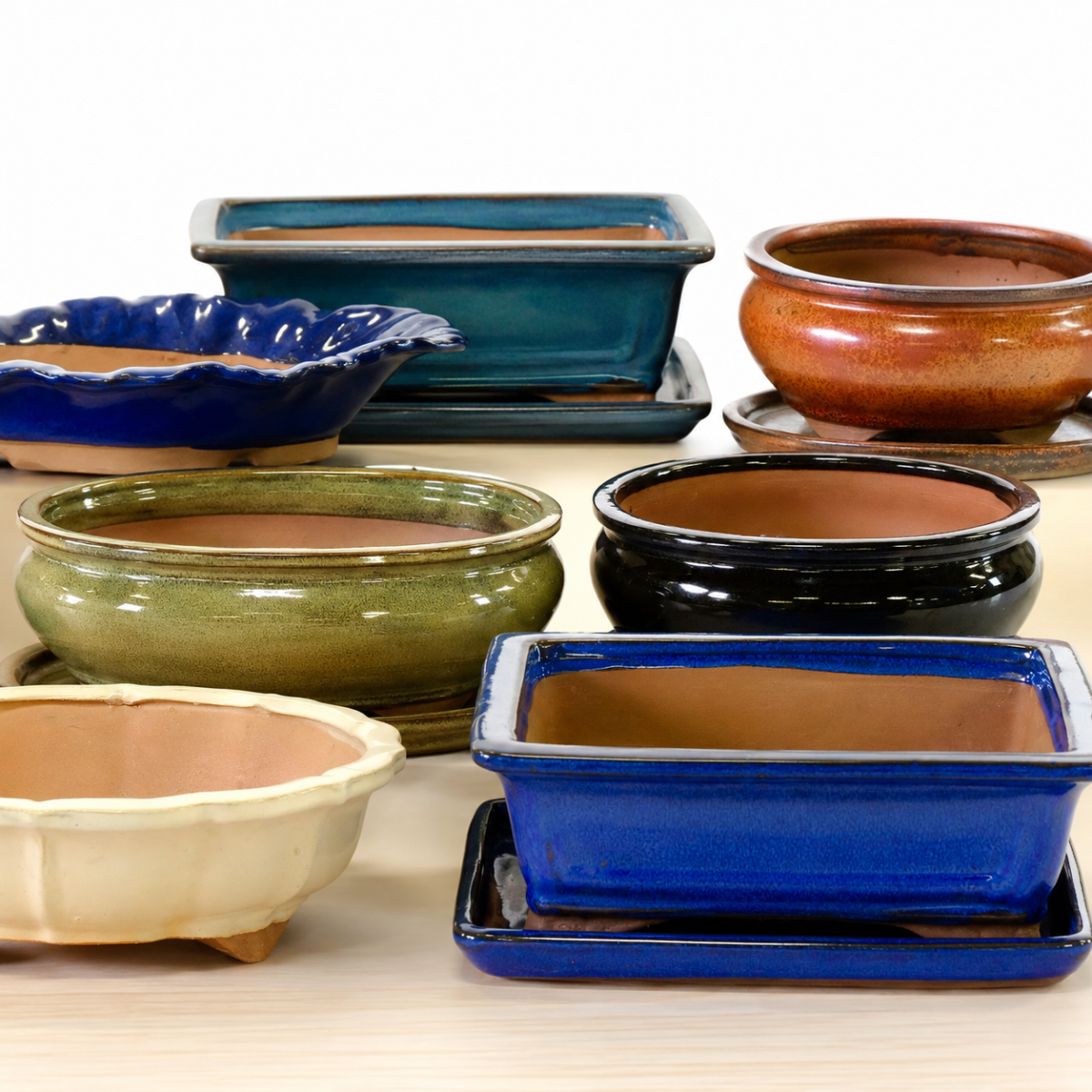
Bonsai pots come in a wide variety of shapes, including oval, rectangular, round and square designs.
The shape and colour of the pot should complement the style, character and proportions of your bonsai.
Material
Ceramic bonsai pots are a popular choice because they’re durable, attractive and available in both glazed and unglazed finishes.
Unglazed pots are often chosen for conifers, while glazed pots can beautifully complement flowering and deciduous bonsai trees.
Do You Need a Bigger Pot When Repotting?
Not necessarily!
Unlike many houseplants, bonsai trees don’t always need to move into larger containers.
In fact, many established bonsai trees are repotted into the same pot after careful root pruning and replacement of the old soil.
The aim is to refresh the growing environment and maintain a healthy root system rather than continually increase the size of the tree.
What Is Root Pruning and Why Is It Important?
Root pruning is a key part of traditional bonsai cultivation.
As a bonsai grows, its roots naturally spread and fill the available space within the pot. Without occasional attention, the roots can become densely packed and prevent water and air from moving effectively through the soil.
Root pruning helps maintain a manageable root system and creates space for fresh bonsai soil.
It can also encourage the development of fine feeder roots, which are important for absorbing moisture and nutrients.
How Much Root Should You Prune?
This depends on the species, age and health of your bonsai.
Some vigorous deciduous bonsai can tolerate more substantial root pruning, while conifers and weaker trees often require a much more conservative approach.
For beginners, it’s generally safer to remove only a modest amount of roots and avoid severe pruning.
Never assume that every bonsai can tolerate having a third or half of its root system removed.
Bonsai Direct Tip: If your bonsai is weak, recently stressed or in poor health, avoid unnecessary root pruning until the tree has recovered.
How to Repot a Bonsai Tree: Step-by-Step
Repotting might seem daunting at first, but with the right equipment and a little patience, it can become a rewarding part of bonsai care.
Step 1: Gather Your Equipment
Before you begin, make sure you have everything ready:
- Specialist bonsai soil suitable for your tree.
- A clean bonsai pot with drainage holes.
- Bonsai scissors or root pruning tools.
- A root rake or chopstick.
- Drainage mesh.
- Bonsai wire, if required to secure the tree.
- A watering can with a gentle rose.
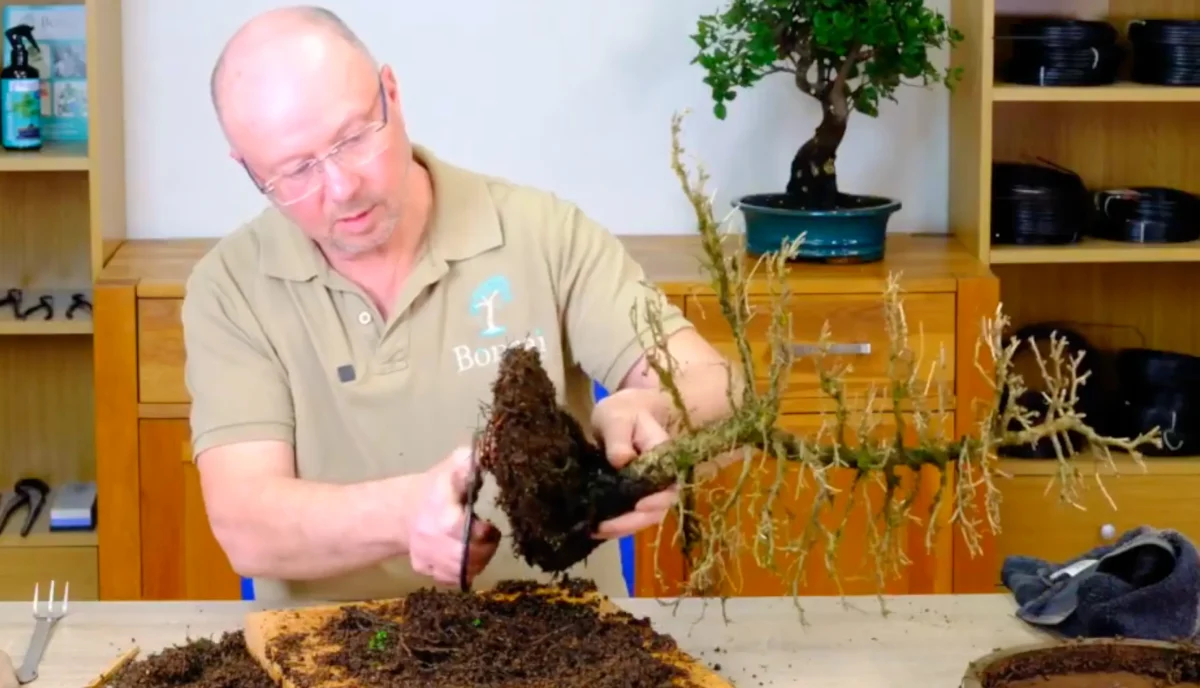
Step 2: Carefully Remove the Bonsai From Its Pot
Gently loosen the tree from its existing container.
If the bonsai has been secured with wire, carefully remove or cut the wire before lifting the tree.
Avoid pulling forcefully on the trunk, as this can damage the roots.
Step 3: Remove Some of the Old Soil
Using a root rake or chopstick, carefully loosen the outer soil and untangle roots where appropriate.
Work gently to avoid damaging fine feeder roots.
The amount of old soil removed depends on the tree species and its condition. Some conifers, in particular, benefit from retaining part of their established root ball rather than having all the old soil removed at once.
Step 4: Prune the Roots Carefully
Using clean, sharp bonsai scissors, trim excessively long, circling or damaged roots as appropriate.
Preserve as many healthy fine roots as possible and avoid removing too much of the root system.
Remember that different bonsai species tolerate different levels of root disturbance.
Step 5: Prepare the Bonsai Pot
Place drainage mesh over the drainage holes to prevent soil from washing away.
If necessary, thread bonsai wire through the pot’s anchoring holes so the tree can be secured in place.
Add a layer of suitable bonsai soil to the bottom of the pot.
Step 6: Position Your Bonsai
Place the bonsai in its pot, considering the best viewing angle and overall balance.
Carefully work fresh soil around the roots using a chopstick to eliminate large air pockets.
Avoid compressing the soil excessively.
Secure the tree with wire if needed, taking care not to damage the roots or trunk.
Step 7: Water Thoroughly
Once repotting is complete, water the bonsai thoroughly until water flows freely through the drainage holes.
This helps settle the new soil around the roots.
Your bonsai is now ready to begin recovering in its refreshed growing environment.
How to Care for Your Bonsai After Repotting
The first few weeks after repotting are particularly important.
Your tree needs time to recover from root disturbance and begin establishing new roots.
Here are some simple aftercare tips.
Protect From Extreme Weather
Keep your freshly repotted bonsai sheltered from strong winds, harsh midday sunshine and temperature extremes while it recovers. Outdoor species should still receive appropriate outdoor conditions.
Monitor Watering Carefully
Fresh bonsai soil may drain differently from the old soil, so check moisture regularly rather than following a rigid watering schedule.
Avoid Immediate Fertilising
Following significant root pruning, it’s generally best to delay fertilising until the tree is showing signs of healthy recovery and active growth.
Avoid Additional Stress
Try not to combine major root pruning with heavy branch pruning or extensive styling unless you are experienced and the species can tolerate it.
Be Patient
Recovery time varies depending on the tree, season and extent of root work.
With suitable care, your bonsai should gradually settle into its refreshed soil.
Common Bonsai Repotting Mistakes to Avoid
Even experienced bonsai enthusiasts can occasionally make mistakes. Here are some of the most common pitfalls:
Repotting at the Wrong Time
Repotting during extreme heat, cold weather or an unsuitable growth stage can place unnecessary stress on your bonsai.
Using Ordinary Garden Soil
Poor drainage and compaction can create unhealthy growing conditions.
Removing Too Many Roots
Excessive root pruning can seriously weaken a bonsai and may even cause it to die.
Choosing a Pot Without Drainage
Drainage is essential for healthy root development.
Overwatering After Repotting
Fresh soil and a reduced root system may change how quickly the tree uses water. Always check moisture levels before watering again.
Frequently Asked Questions About Repotting Bonsai
Can I repot my bonsai at any time of year?
It’s best to repot during the appropriate growing season for your species. For most outdoor bonsai in the UK, this is late winter or spring, while tropical bonsai are generally better repotted during warmer, active growth.
Can I use normal compost for my bonsai?
Standard compost used on its own is usually unsuitable for long-term bonsai cultivation because it can retain too much water and become compacted. Specialist bonsai soil offers a more suitable balance of drainage, moisture retention and airflow.
Should I water my bonsai immediately after repotting?
Yes. Water thoroughly after repotting to settle the soil and ensure the roots are evenly moistened.
Do bonsai trees need special pots?
A purpose-made bonsai pot is ideal for established bonsai because it offers suitable drainage, proportions and often anchoring holes. Trees still in development may benefit from larger training pots.
Will root pruning hurt my bonsai?
Root pruning is a normal part of bonsai care, but it must be done correctly. Excessive pruning or pruning at the wrong time can damage a tree. Always consider the species and overall health of your bonsai.
Can I repot a bonsai into the same pot?
Absolutely! Many established bonsai trees are returned to their original pots after careful root pruning and replacement of the old soil.
Give Your Bonsai the Best Start With Bonsai Direct
Repotting is an essential part of maintaining a healthy, beautiful bonsai tree. By choosing the right time, using specialist bonsai soil, selecting a suitable pot and carefully managing the roots, you can help your bonsai flourish for many years.
Whether you’re repotting your very first bonsai or caring for a treasured tree you’ve owned for years, having the right equipment makes the process much easier.
At Bonsai Direct, we’re passionate about helping bonsai enthusiasts enjoy their trees with confidence.
Explore our range of bonsai soils, specialist bonsai pots, tools and accessories to find everything you need for successful repotting.
Give your bonsai room to thrive — shop bonsai care essentials at Bonsai Direct.
Related Content

Essential Bonsai Tools: A Complete Guide for Beginners and Enthusiasts
Discover the essential bonsai tools every grower needs, from precision scissors to trunk splitters. Learn what each tool does and how to use them to shape, prune, and…
Read More
Bonsai Pots: Why Proper Drainage Matters More Than You Think
Choosing the right bonsai pot is critical to the long-term health of your tree. In this expert guide, Lloyd Noall of Bonsai Direct explains why proper drainage holes…
Read More
Bonsai Root Rot: Causes, Signs, Treatment & Prevention
Identify bonsai root rot and learn how to prevent and deal with the problem. Includes a video by Bonsai Master Lloyd Noall.
Read More
What is the Rule for Bonsai Pots?
What is the Rule for Bonsai Pots? Choosing the right bonsai pot isn’t just about looks—it’s about harmony between the container and the tree. While there are classic…
Read More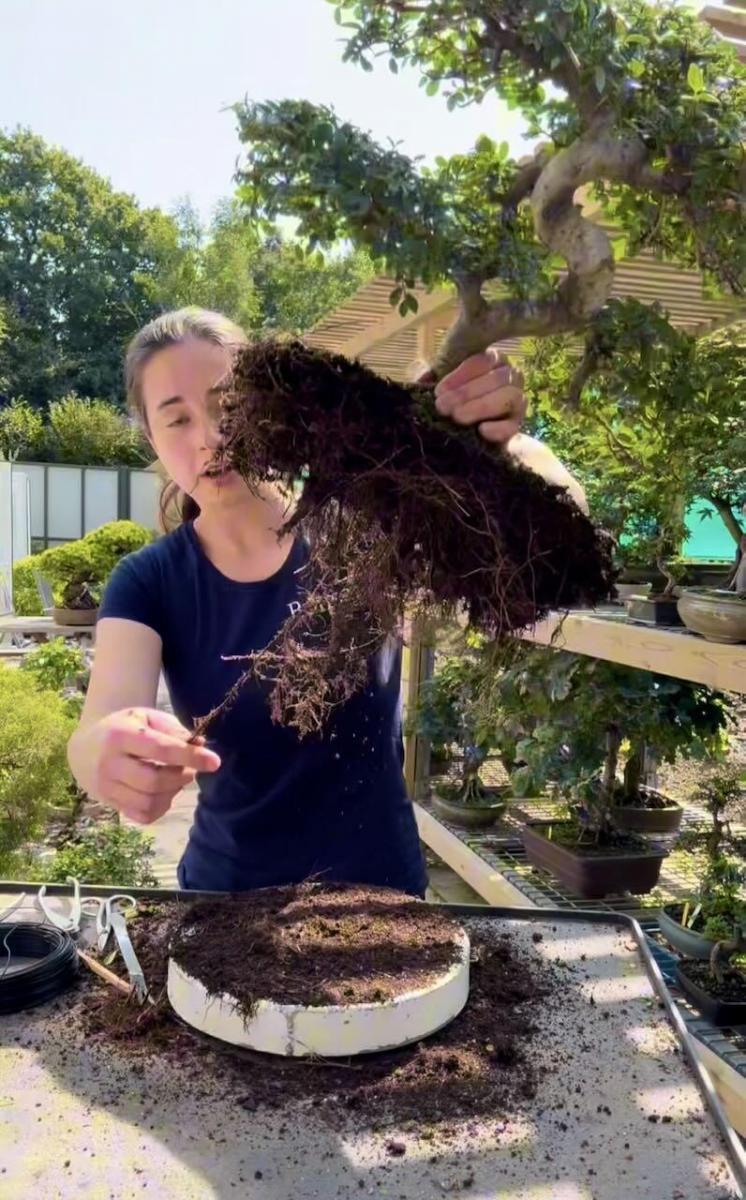
How do I Repot my Chinese Elm Bonsai Tree with Holly from Bonsai Direct
How Do I Repot My Chinese Elm Bonsai Tree? — With Holly from Bonsai Direct We are often asked, “How do I repot my Chinese Elm bonsai?” Repotting…
Read More
What Not to Do with Your Bonsai – Bonsai Tree Care Tips from Expert Lloyd at Bonsai Direct
🌱 Hello! I’m Lloyd – Bonsai Expert at Bonsai Direct With over 30 years’ experience growing, styling and caring for thousands of bonsai trees, I’ve seen it all—from…
Read More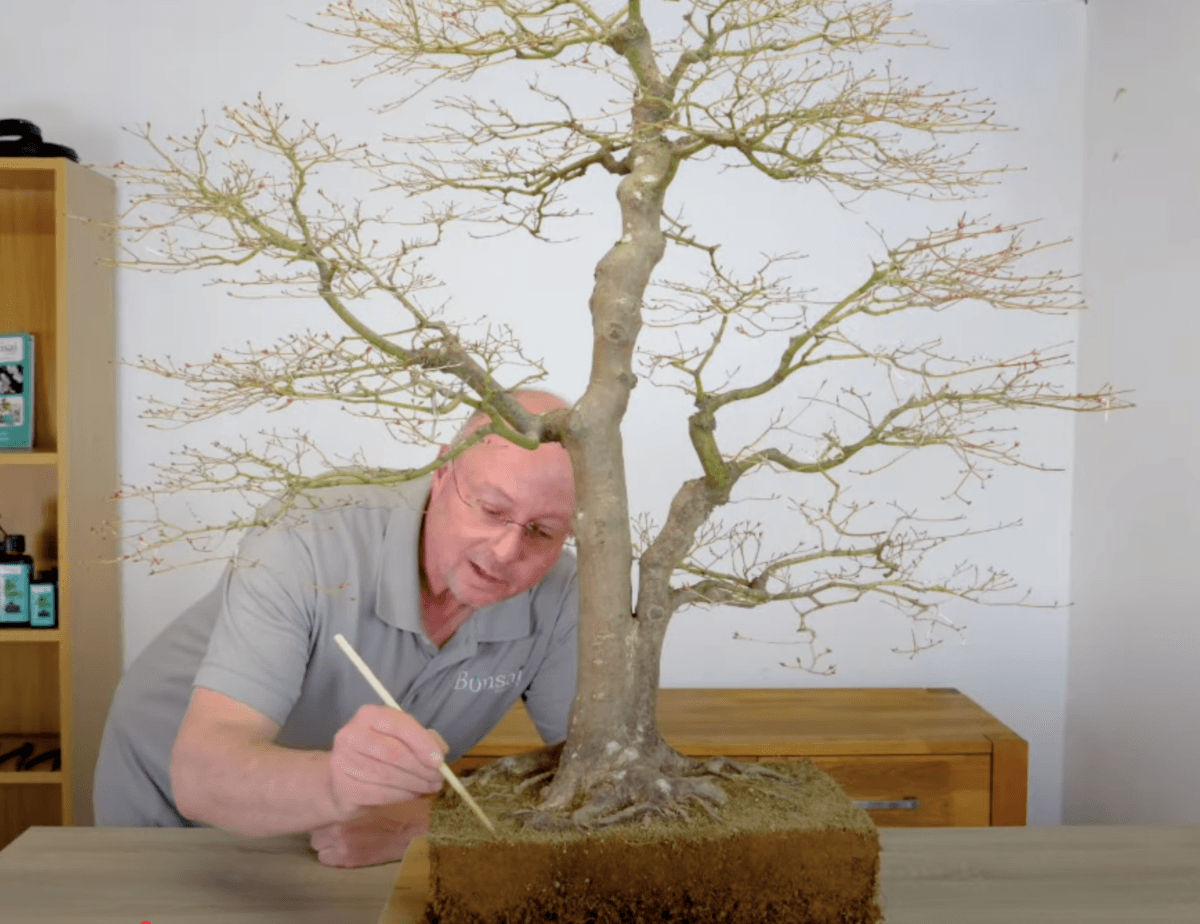
Japanese Maple Bonsai | 110 years old – Much Needed Repot & Prune
The 110-Year-Old Japanese Maple Bonsai: A Story of Care and Dedication Bonsai expert Lloyd Noall takes on a crucial task—repotting and pruning a magnificent 110-year-old Japanese maple bonsai.…
Read More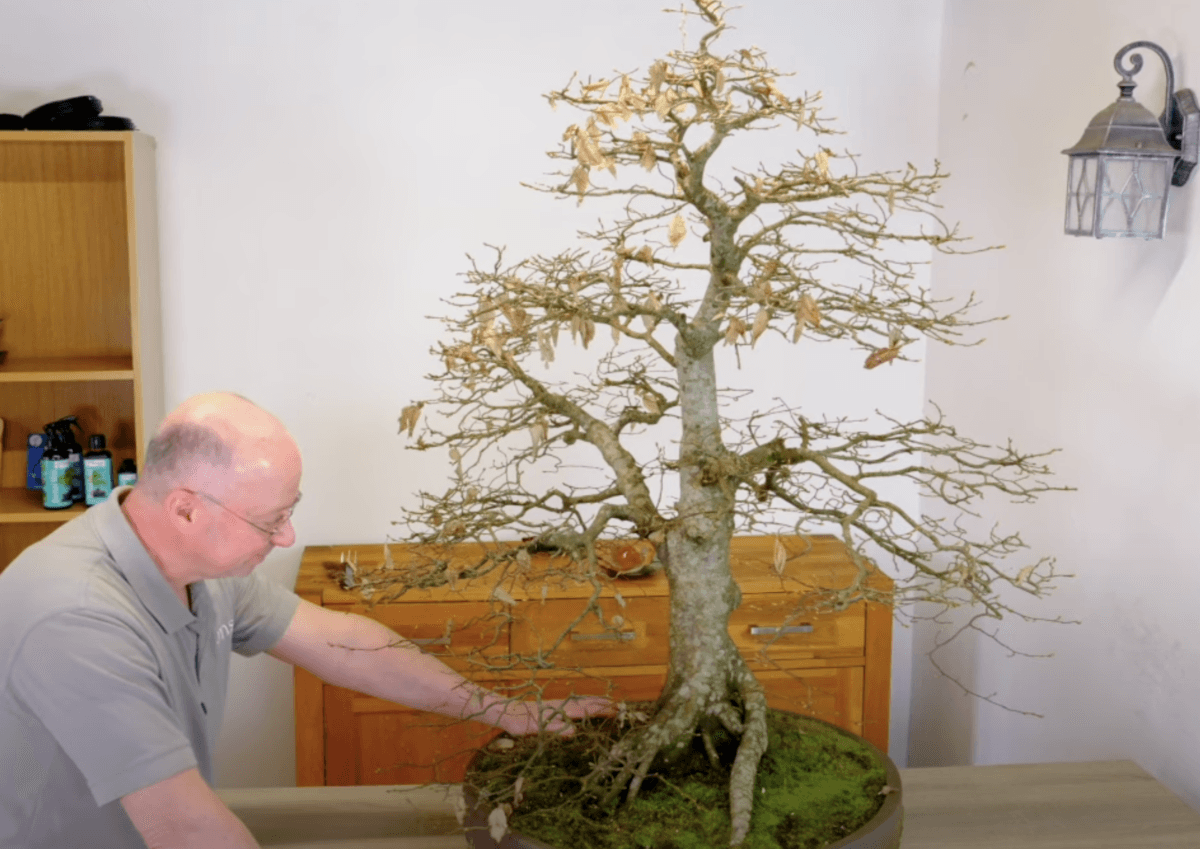
Hornbeam Bonsai Repotting – 55 years old | Part 1️⃣ Re-Potting with Lloyd
Spring is a magical time in the bonsai world. As the buds swell and the first delicate leaves begin to unfurl, it's a season full of promise—but also…
Read More