


How Long Does It Take to Grow a Proper Bonsai Tree?
For anyone new to the art of bonsai, one of the first questions is almost always: How long does it take to grow a real bonsai tree? The honest answer is — longer than most people expect, but far more rewarding than they imagine.
A “proper” bonsai isn’t created overnight. It’s developed gradually through careful pruning, wiring, shaping, and patient cultivation. Depending on the species, style, and starting material, growing a bonsai can take anywhere from 5 years to several decades.
The good news? You don’t need to wait 30 years before enjoying a beautiful bonsai. With the right approach, you can begin shaping and appreciating your tree much sooner.
Understanding Bonsai Growth Timelines
Bonsai is not a specific species of tree — it’s a horticultural art form. Almost any tree can become a bonsai when trained correctly. Because of this, growth times vary greatly.
Here’s a general timeline for bonsai development:
1. Seedling Stage (0–3 Years)
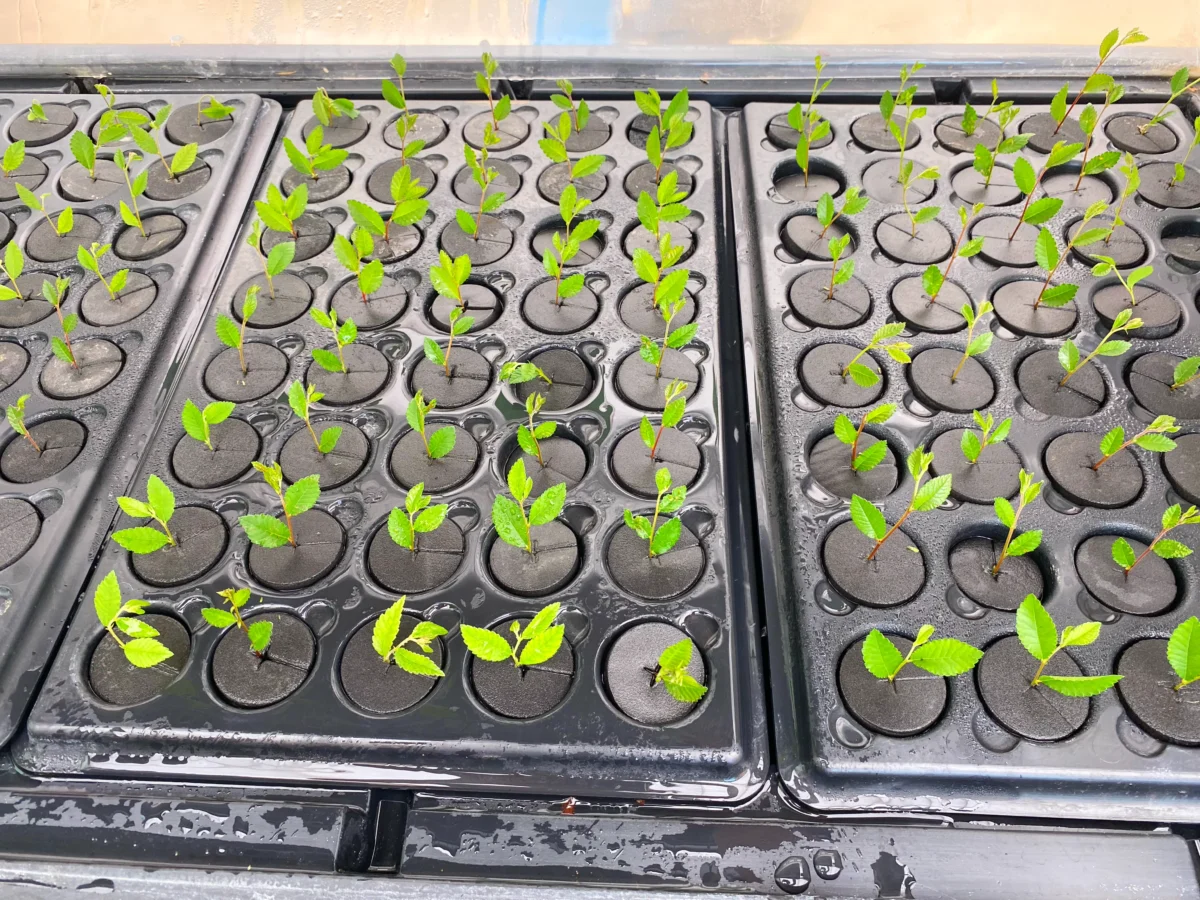
If you start from seed, the first few years are focused entirely on basic growth and root development. During this period:
- The trunk thickens slowly
- Roots establish themselves
- Minimal shaping takes place
- The tree is still far from a finished bonsai
Growing from seed is rewarding, but it requires significant patience. Many enthusiasts enjoy the journey, while others prefer starting with a more mature tree. Alternatively, growing from cuttings can be a far easier and quicker experience.
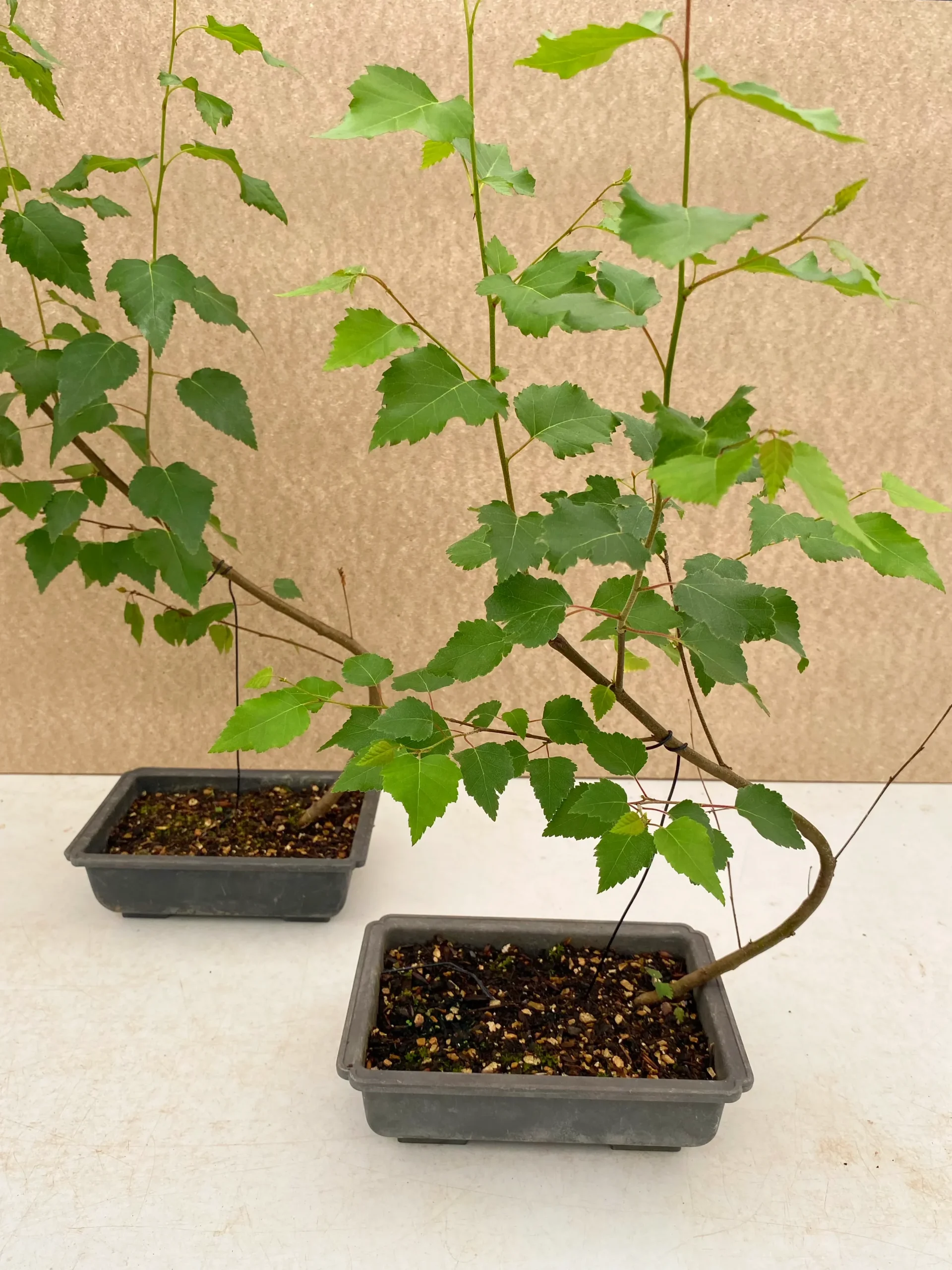
2. Early Training Stage (3–7 Years)
This is where your tree starts resembling a bonsai.
During this phase:
- Structural pruning begins
- Wiring helps shape branches
- The trunk gains character
- Root pruning develops a compact root system
Fast-growing species like Chinese Elm or Ficus can progress quickly in this stage, especially in ideal conditions.
3. Refinement Stage (7–15+ Years)
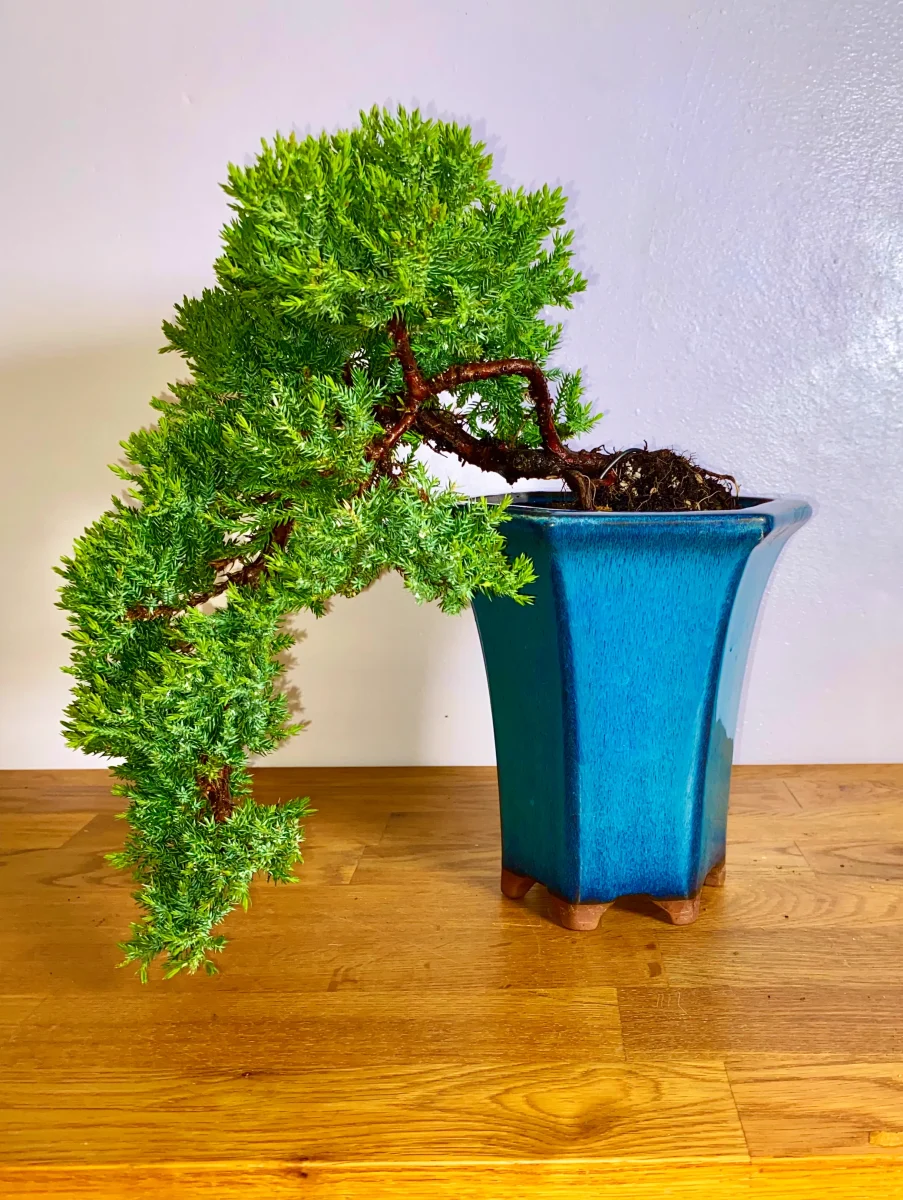
A refined bonsai develops:
- Dense ramification (fine branching)
- Balanced proportions
- Mature bark texture
- A natural, aged appearance
This is the stage where bonsai truly become living works of art. Some trees continue improving for decades and may even be passed down through generations.
Does Starting Material Matter?
Absolutely. The starting point dramatically affects how long the process takes.
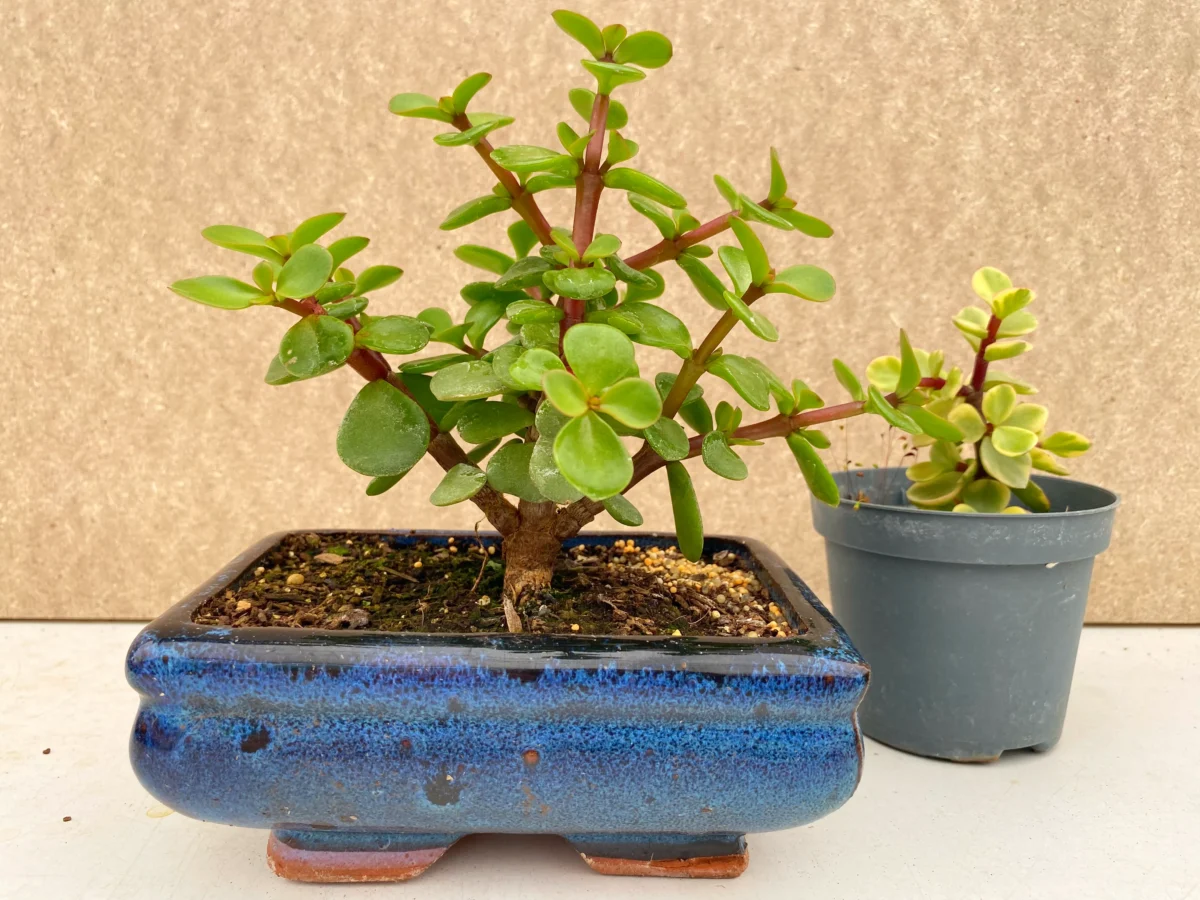
Growing Bonsai From Seed
Starting from seed offers complete creative control, but it’s the slowest route. Expect:
- 10–15 years for a mature-looking bonsai
- Longer for larger styles or slower species
- Low success rate
This method appeals to purists who enjoy every stage of development.
Using Nursery Stock
Many bonsai enthusiasts begin with young nursery trees. Since the tree already has an established trunk and root system, you can often create a convincing bonsai within:
- 3–7 years
This is one of the most practical options for beginners.
Buying a Pre-Trained Bonsai
If you want immediate enjoyment, pre-trained bonsai provide an excellent starting point. While refinement never truly ends, a quality bonsai can already look mature when purchased.
Even older bonsai still require ongoing care and shaping — bonsai is an evolving art rather than a finished product.
Which Bonsai Trees Grow the Fastest?
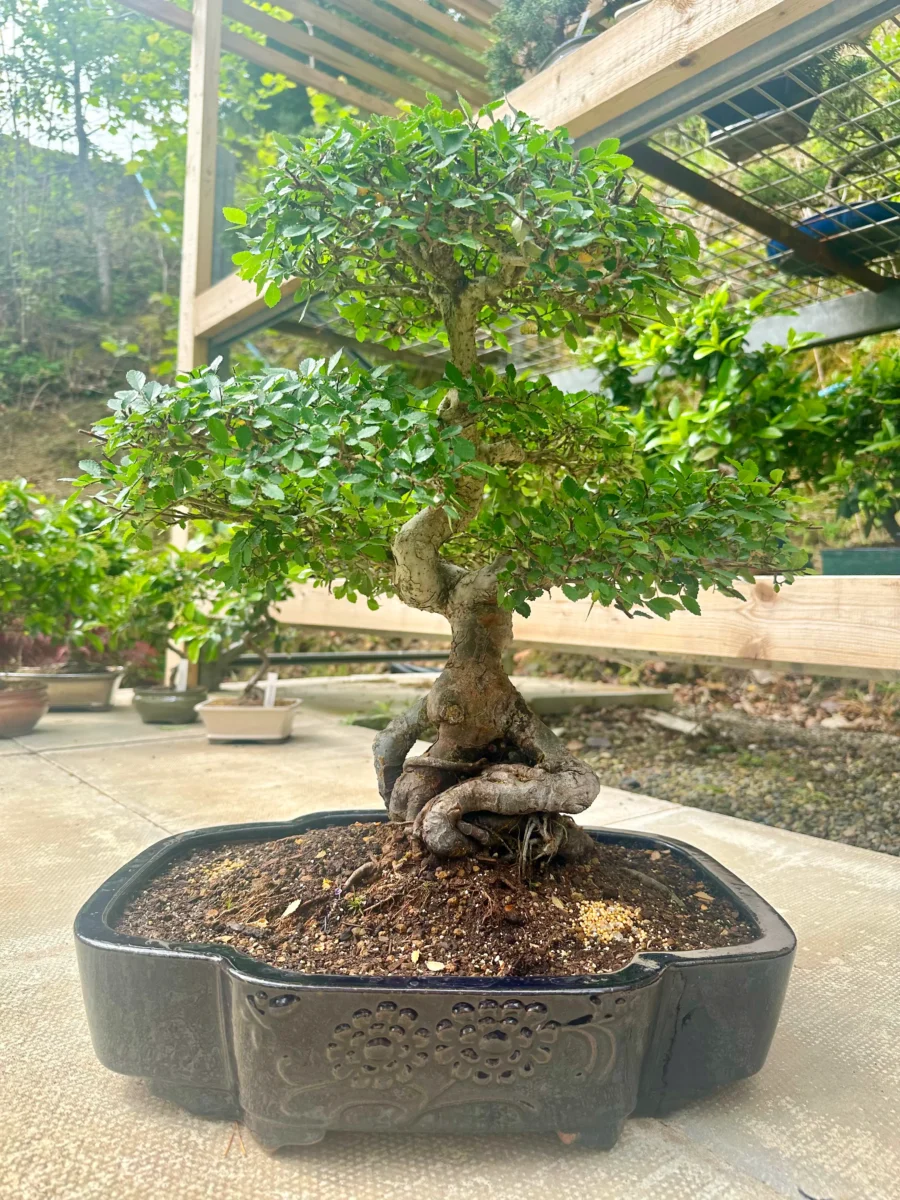
Some species naturally develop quicker than others.
Fast-growing bonsai species include:
- Chinese Elm
- Ficus
- Japanese Privet
- Trident Maple
- Willow Leaf Fig
Slower-growing species include:
- Juniper
- Pine
- Boxwood
- Olive
If patience is a concern, choosing a vigorous species can make the learning process more enjoyable.
Can You Speed Up Bonsai Growth?
Yes — to a degree.
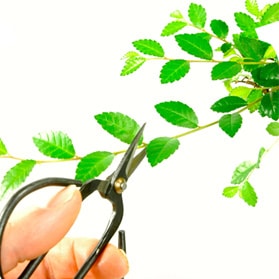
Healthy growth conditions can significantly accelerate development:
- Proper sunlight
- Consistent watering
- Correct fertilisation
- Larger training pots during development
- Seasonal pruning
Many growers allow trees to grow freely for periods to thicken the trunk faster before reducing them back into bonsai form.
However, bonsai can’t be rushed indefinitely. The aged appearance that makes bonsai special comes partly from time itself.
Why Bonsai Takes Time — And Why That’s the Point
In a world focused on instant results, bonsai offers something refreshingly different. The process teaches:
- Patience
- Observation
- Long-term thinking
- Appreciation for gradual progress
Every pruning session contributes to the future design of the tree. Over time, the bonsai becomes a reflection of both nature and the grower’s dedication.
Many enthusiasts discover that the enjoyment comes not from “finishing” a bonsai, but from continually shaping and caring for it year after year.
Final Thoughts On How To Grow a Proper Bonsai Tree
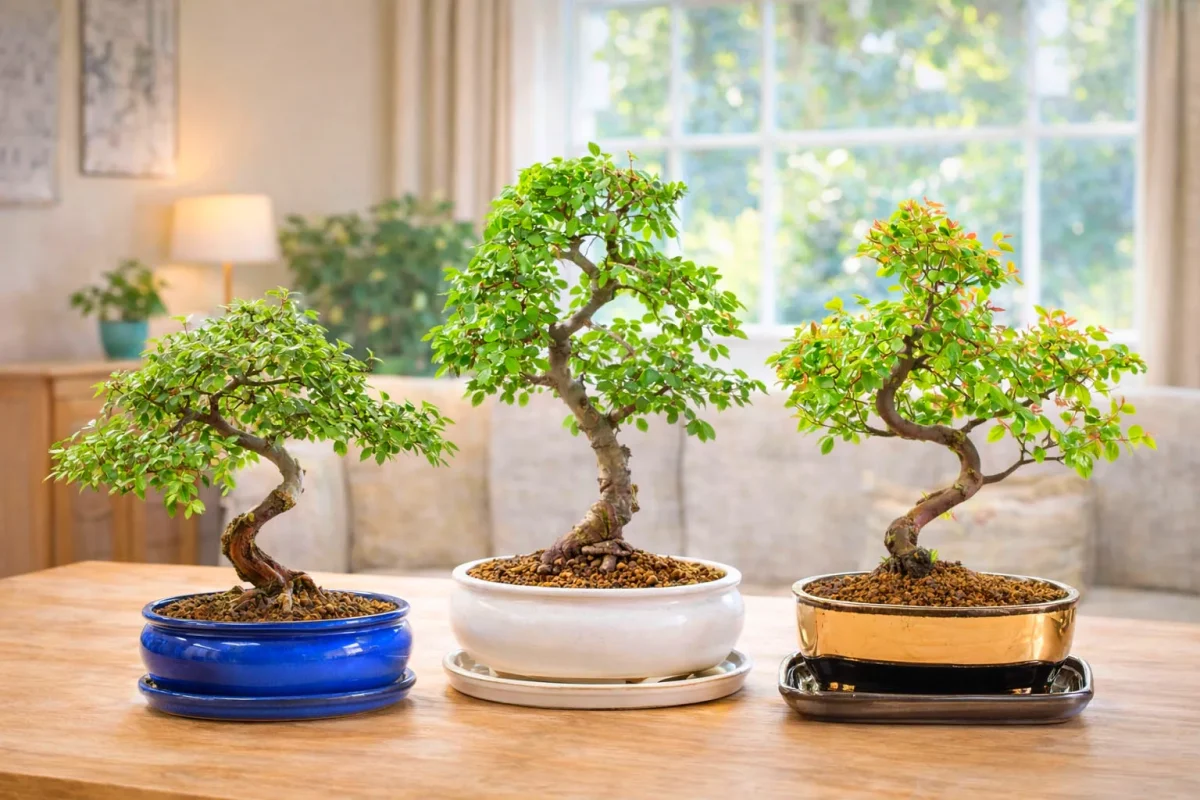
So, how long does it take to grow a proper bonsai tree?
- From seed: often 10–15+ years
- From nursery stock: around 3–7 years
- For ongoing refinement: potentially a lifetime
The timeline depends on your goals, your chosen species, and how involved you want to be in the process. But regardless of the starting point, bonsai rewards patience with something truly unique — a living tree that grows more beautiful with age.
Whether you’re just beginning your bonsai journey or looking to expand your collection, remember: every great bonsai started as an ordinary young tree.
Related Content

Essential Bonsai Tools: A Complete Guide for Beginners and Enthusiasts
Discover the essential bonsai tools every grower needs, from precision scissors to trunk splitters. Learn what each tool does and how to use them to shape, prune, and…
Read More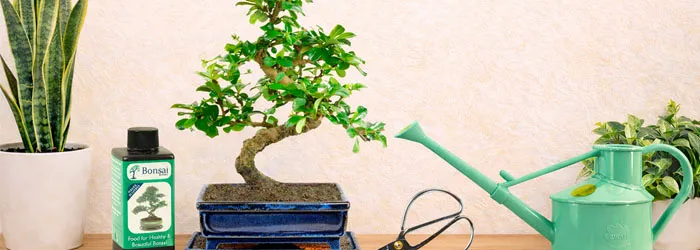
Beginners Bonsai Tree Guide: Types, Care Tips and How to Choose the Right One
New to bonsai? This beginner’s guide explains the best bonsai trees for beginners and the essential care tips you need to succeed. Learn about watering, pruning, light requirements,…
Read More
Are Bonsai Trees Hard to Take Care Of?
Find out why bonsai trees are actually easy to keep, and which varieties are best for beginners. Discover why bonsai trees developed a reputation for being difficult to…
Read More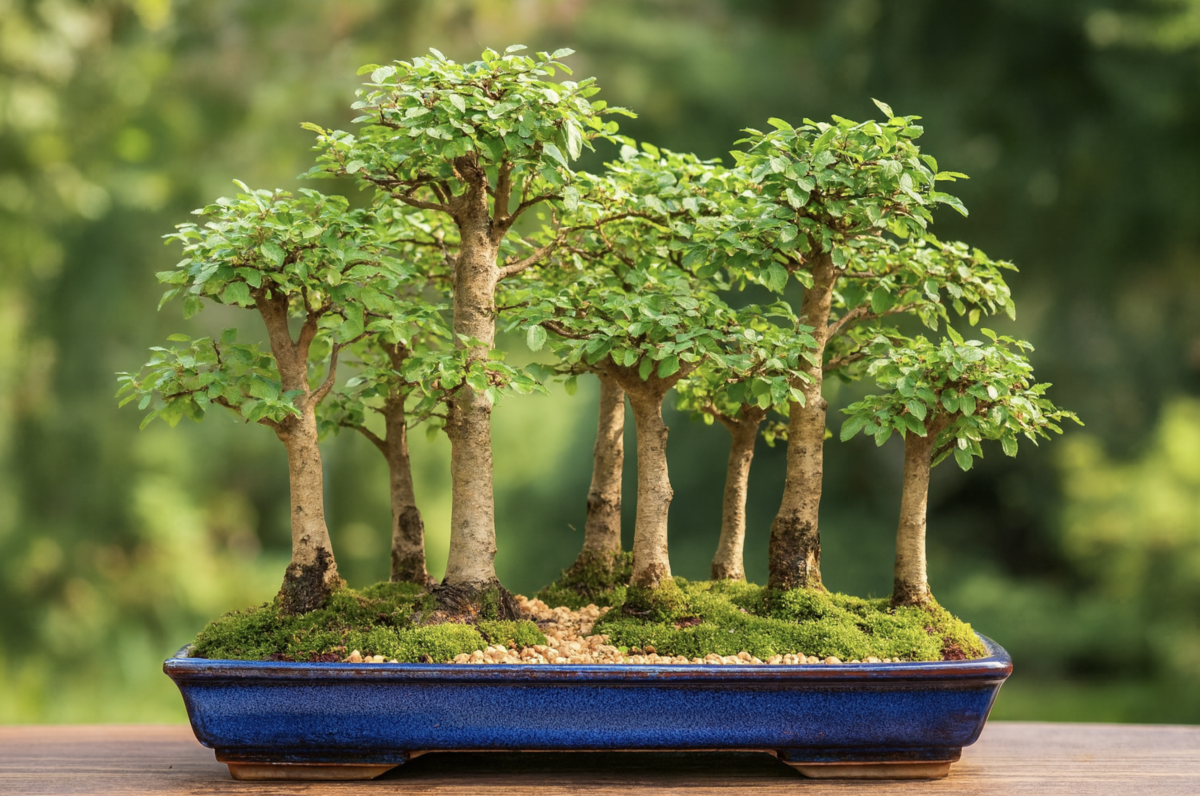
Bonsai Forests | The Art of Creating a Miniature Woodland or Copse
A bonsai forest, or Yose-ue, is one of the most captivating forms of bonsai art — a miniature woodland that captures the harmony and beauty of nature. Unlike…
Read More
Festive Bonsai Tree Sale – Beautiful Bonsai at Unbeatable Prices
Check out our Festive Bonsai Tree Sale to find stunning bonsai at excellent prices. Individually photographed with free next working day delivery available to most of the UK.…
Read More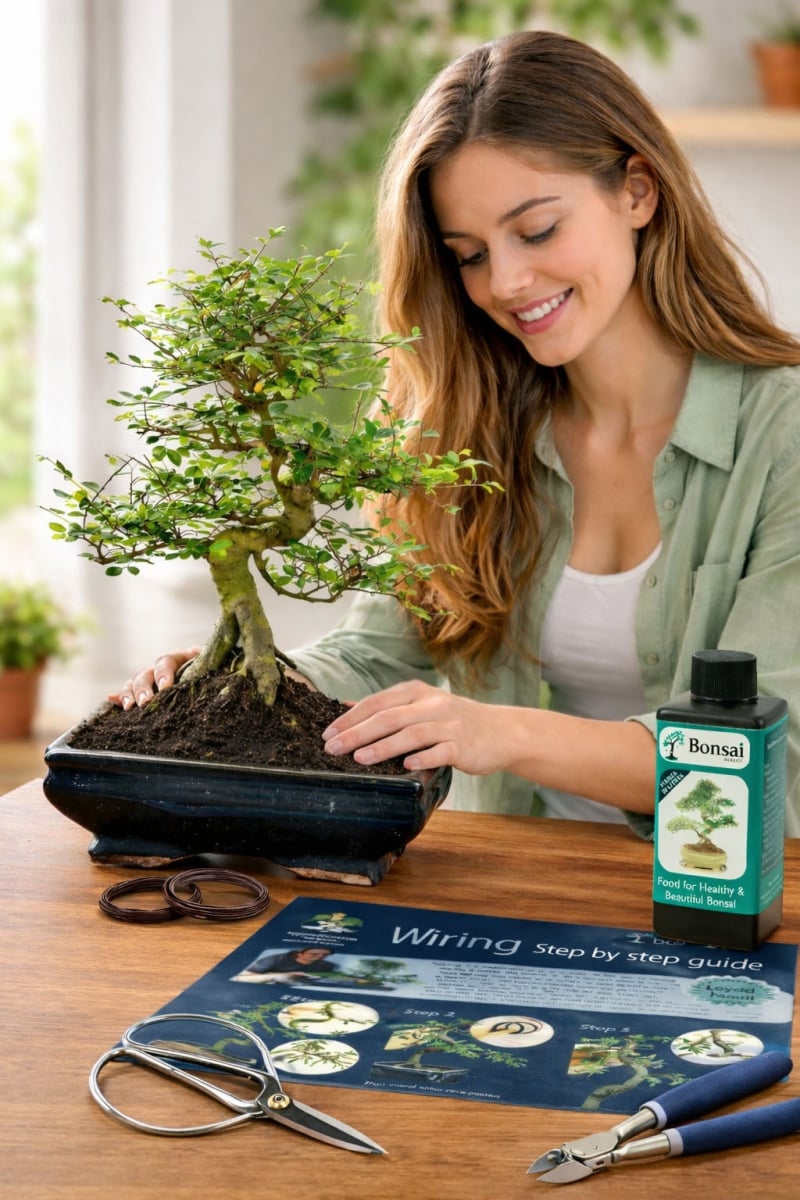
Bonsai Kits | Create Your Own Living Work of Art with Bonsai Direct
Looking for the perfect bonsai starter kit or gift? Bonsai Direct offers the UK’s widest range of premium bonsai kits — from elegant indoor Chinese Elm sets to…
Read More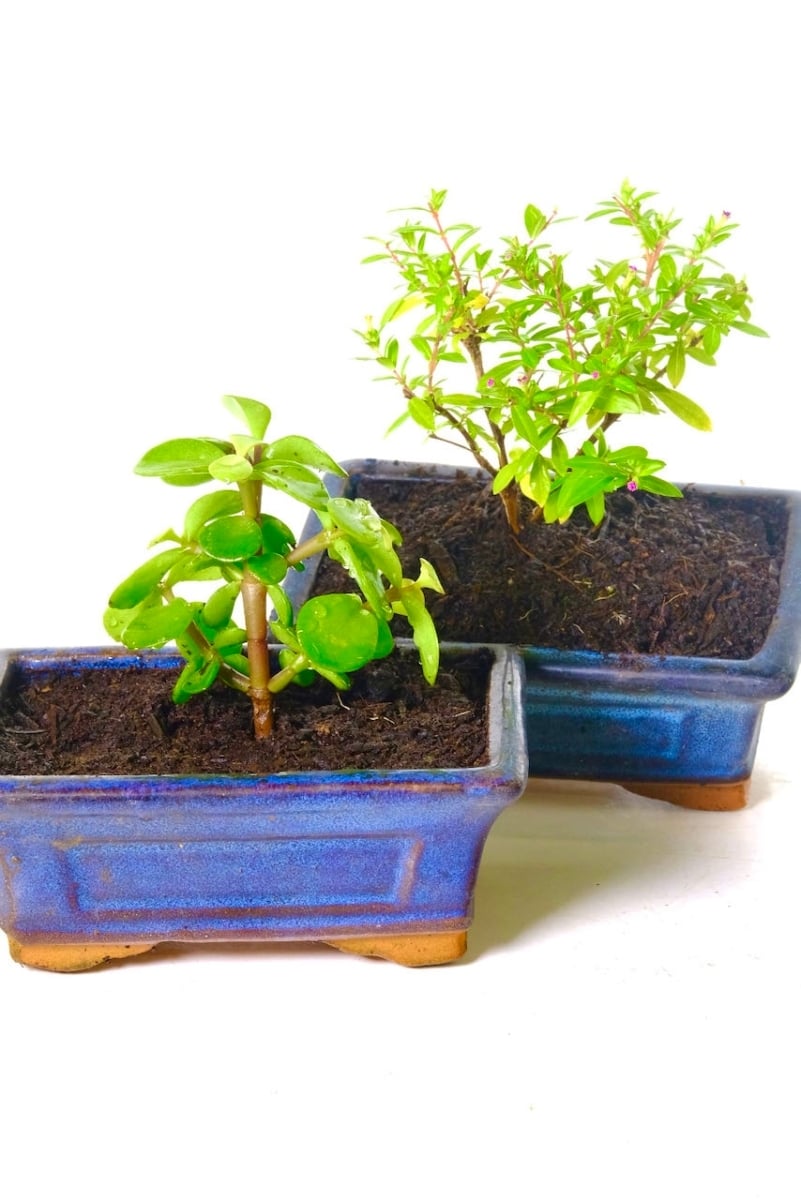
Bonsai Seeds and Seedlings: What You Need to Know Before You Start
Learn why bonsai seeds are not usually the best way to grow a bonsai tree. Instead, consider a seedling that already has an established root system.
Read More
What house plants are good for anxiety? Plants for mental health.
Looking for a natural way to ease anxiety and bring calm into your home? Indoor bonsai trees might be the perfect solution. More than just beautiful décor, bonsai…
Read More