

A Discussion with Bonsai Expert Lloyd Noall
In this video we discuss Indoor vs. outdoor bonsai trees. If you’ve ever wondered about the difference between indoor and outdoor bonsai, you’re not alone! Many people believe these are two completely separate categories, but as bonsai expert Lloyd Noall explains in his latest video, the truth is much simpler: bonsai are just trees! The key difference lies in where they thrive best—whether they need the seasonal dormancy of outdoor conditions or if they can adapt to the warmth of modern homes.
In this insightful discussion, Lloyd breaks down common misconceptions about bonsai care and provides expert advice on everything from light exposure and humidity levels to the best ways to maintain healthy growth indoors and outdoors. He also shares practical tips on misting, watering, and rotating your bonsai for even growth. Whether you’re caring for a hardy Japanese Maple or Juniper outdoors or tending to a Chinese Elm or Fig Tree inside, this video will help you understand how to create the ideal environment for your bonsai.
So, what’s the real difference? And which type of bonsai is right for you? Watch the full video to find out!
Indoor Bonsai or Outdoor Bonsai? What’s the Difference?
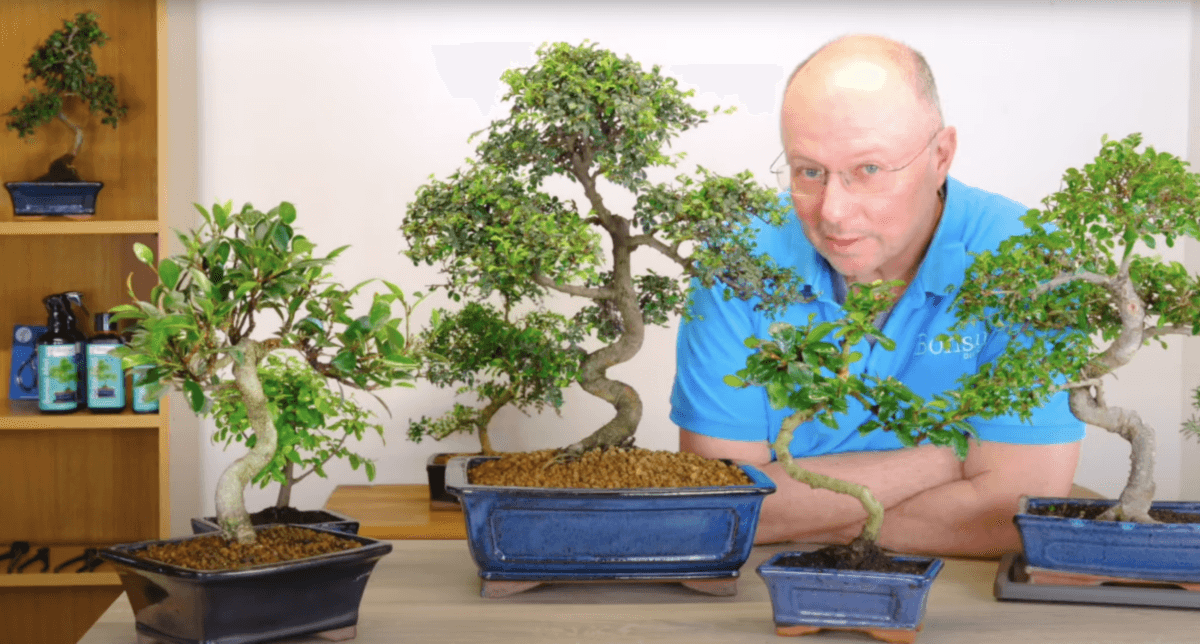
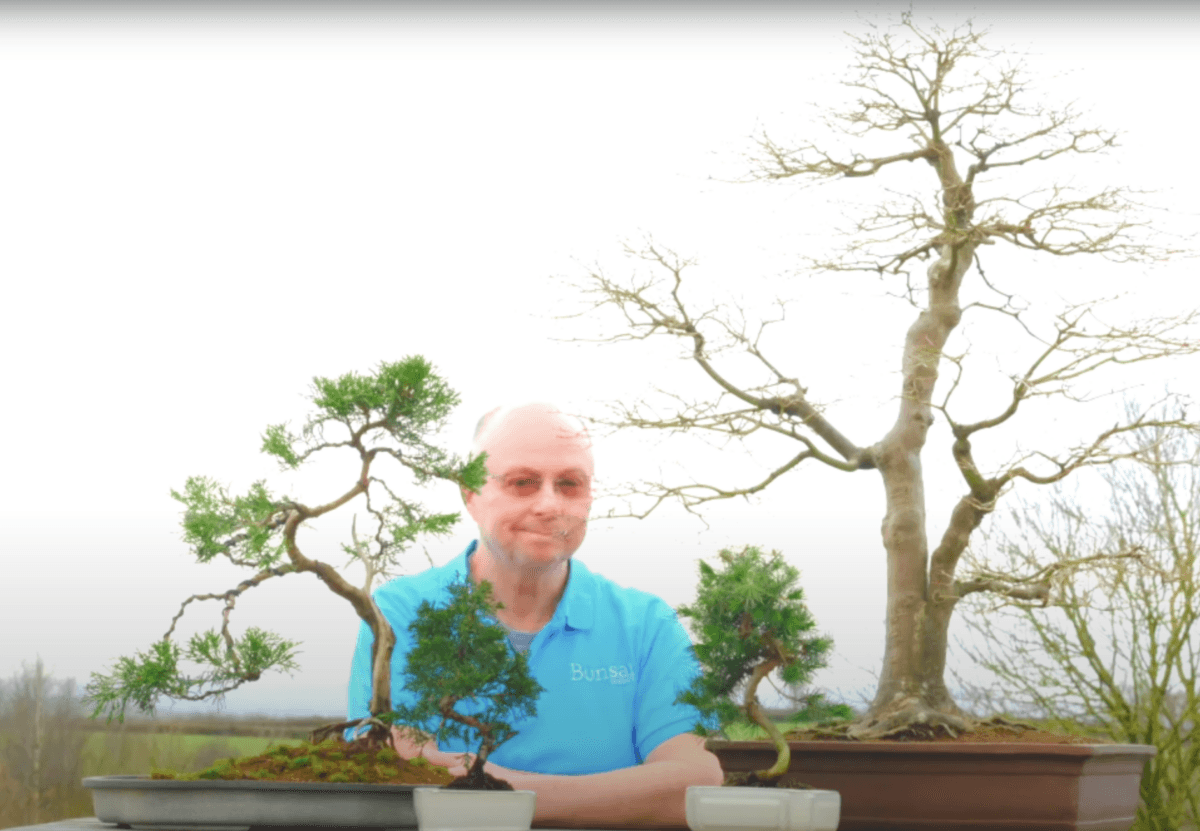
There is a big confusion about indoor and outdoor bonsai, but really, they are just trees—there is no difference. This Elm here, I treat pretty much the same as these trees here. Check the watering regularly, pruning, and repotting; the root work is the same. Every species of tree, whether it be an Elm, Maple, Juniper, or Pine, has its own little differences that we must learn. But at the end of the day, they are all bonsai. The only difference is where we keep them. Outdoor bonsai can tolerate cold winters, frost, snow, wind, and rain—they are generally quite tough. While we like to pamper them and keep them in a sheltered spot in the garden, they still need that winter weather to go into dormancy.
What Makes a Bonsai Indoor or Outdoor?
Indoor bonsai trees are not as hardy. The Chinese Elm, for example, makes a superb bonsai and can live both indoors and outdoors. Other indoor varieties, such as the Tea Tree, Fig Tree, and Sweet Plum, come from warmer climates and tolerate heat through the winter. In modern homes with double glazing and central heating, these trees thrive. Outdoor bonsai, on the other hand, would not like indoor conditions at all. They wouldn’t get their necessary rest period, which is essential for dormancy. When spring comes, new buds open, leading to fresh growth. Evergreens slow down during winter, but they still grow and take over during this period.
What Makes a Bonsai Indoor or Outdoor?
Indoor bonsai trees are not as hardy. The Chinese Elm, for example, makes a superb bonsai and can live both indoors and outdoors. Other indoor varieties, such as the Tea Tree, Fig Tree, and Sweet Plum, come from warmer climates and tolerate heat through the winter. In modern homes with double glazing and central heating, these trees thrive. Outdoor bonsai, on the other hand, would not like indoor conditions at all. They wouldn’t get their necessary rest period, which is essential for dormancy. When spring comes, new buds open, leading to fresh growth. Evergreens slow down during winter, but they still grow and take over during this period.
Understanding Growth and Leaf Reduction
All bonsai trees, whether indoor or outdoor, have their own quirks. Some have different leaf sizes, and some reduce better than others. The Fig tree’s leaves, for example, stay relatively large, whereas the Tea Tree reduces slightly. Generally, trees with thicker, waxier leaves don’t reduce as well as broadleaf trees like the Elm or Maple. Similarly, different bonsai have unique bark textures and twig structures. In reality, classifying bonsai as indoor or outdoor simply depends on where they are kept. Keeping them indoors has its challenges but also its conveniences. During winter, it’s much easier to tend to them inside rather than going out in the wind and rain. What truly matters is learning their preferences—temperature, watering, and light.
The Importance of Light for Bonsai
The biggest difference between indoor and outdoor bonsai is light. Outdoors, trees receive daylight from all directions, whereas indoors, most light enters through a window. Even if a room is bright, the light is directional. If you keep your bonsai inside near a window, it’s important to rotate it weekly to ensure even growth. Leaves naturally grow toward the light, and if not rotated, one side will receive more growth while the other side loses leaves. Watching your tree will help determine how often to turn it. Even in winter, trees still grow, albeit at a slower rate. This simple adjustment ensures balanced growth throughout the year.
Managing Humidity for Indoor Bonsai
Humidity is another major factor. During winter, central heating and double glazing create dry indoor air, whereas outdoor bonsai benefit from natural humidity, morning dew, mist, and rain. To maintain humidity for indoor bonsai, regular misting is essential. A simple mister can be used to spray water over the foliage, mimicking outdoor conditions. Using a bonsai mist with foliar feed once or twice a week also keeps leaves healthy. By ensuring proper humidity levels, you help your bonsai thrive indoors, even during the driest months.
Temperature Considerations for Indoor Bonsai
Temperature is a crucial factor, especially in summer. If you have a south-facing window, you may notice that the sun heats up the area significantly. A bonsai placed in this spot may dry out quickly. In such cases, relocating it to a cooler area during peak heat hours is necessary. If you have outdoor space, moving your bonsai outside during summer is a great option. For those without a garden, finding a well-lit but cooler window works too. Similarly, outdoor bonsai can suffer from drying winds in summer, so they need protection. Whether indoors or outdoors, bonsai trees rely on us to provide for their needs—shelter, proper watering, and protection from extreme conditions.
Caring for Bonsai Year-Round
Regardless of whether your bonsai is kept indoors or outdoors, the key to success is understanding its specific needs. Preventing wind damage, avoiding overheating, and ensuring proper watering are all crucial. Unlike humans, bonsai cannot move themselves to escape harsh conditions, so it’s our job to create the best environment for them. With the right care, both indoor and outdoor bonsai can flourish beautifully.
Stay Tuned for More Bonsai Tips!
Before we wrap up, I want to remind you that more bonsai videos are on the way! Don’t miss out—subscribe, hit the notification button, and stay tuned for more bonsai care tips and advice. Take care and happy bonsai growing!



0 replies