

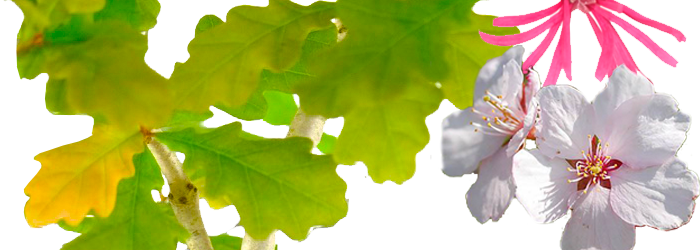
Some trees sound perfect for bonsai. Wisteria promises cascading flowers, and weeping willow suggests elegant, flowing branches. In reality, both species often disappoint when grown as bonsai — especially for beginners.
Here’s why these popular choices rarely work, and which trees are far better suited to bonsai instead.
Why Wisteria Rarely Works as Bonsai
Wisteria is one of the most misunderstood plants in bonsai.
It Often Doesn’t Flower
One of the biggest frustrations with wisteria bonsai is that they frequently never bloom.
- Wisteria must be very mature before flowering — often 10–20 years if grown from seed
- Regular pruning removes flowering spurs
- Pot confinement limits the energy required for flowering
➡ Many growers care for wisteria bonsai for years without seeing a single flower.
Excessively Vigorous Growth
Wisteria produces thick, fast-growing vines that are difficult to control and refine at bonsai scale.
Poor Proportion
Even when flowering does occur, both the leaves and blooms are far too large for a convincing miniature tree.
➡ Bottom line: Wisteria is spectacular in the garden, but unreliable and frustrating as a bonsai.
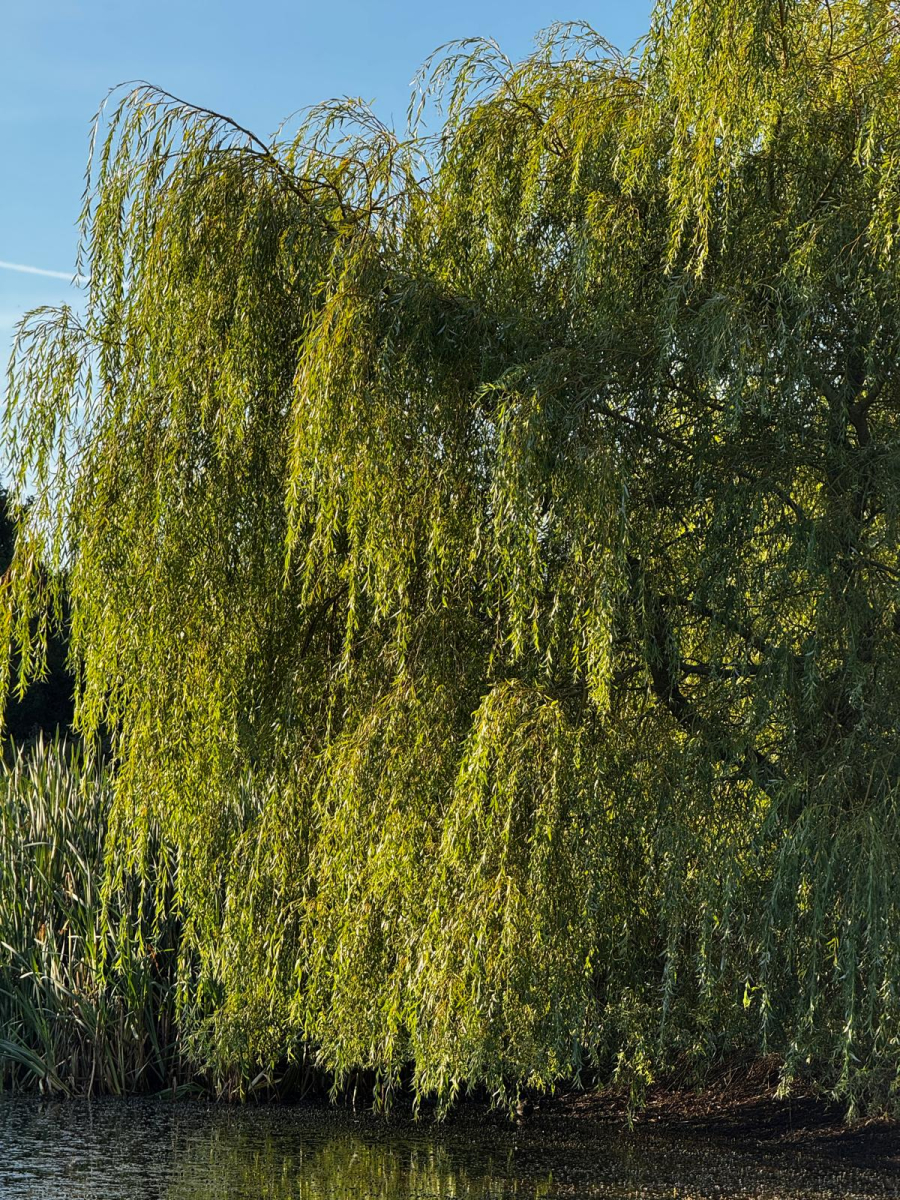
Why Weeping Willow Disappoints as Bonsai
Weeping willow is another tree that sounds ideal — but rarely performs well in bonsai form.
Young Willows Do Not Weep
This is a crucial detail many people don’t realise:
- The classic cascading habit only appears when willows are fully mature
- Young trees grow upright, not downward
- Bonsai training restricts growth, meaning the weeping form often never develops
➡ Most willow bonsai never actually weep.
Extremely Fast Growth
Willows grow at an aggressive pace, requiring constant pruning that leads to coarse, thick branches rather than fine structure.
Soft Wood and Weak Branches
Willow branches are brittle and difficult to wire, making long-term shaping nearly impossible.
➡ Bottom line: Beautiful landscape trees, but impractical and disappointing as bonsai.
🌱 What to Buy Instead: Reliable Bonsai Trees
Rather than fighting against a tree’s natural growth habits, bonsai success comes from choosing species that thrive in pots and respond well to training.
🍁 Japanese Maple (Acer palmatum)
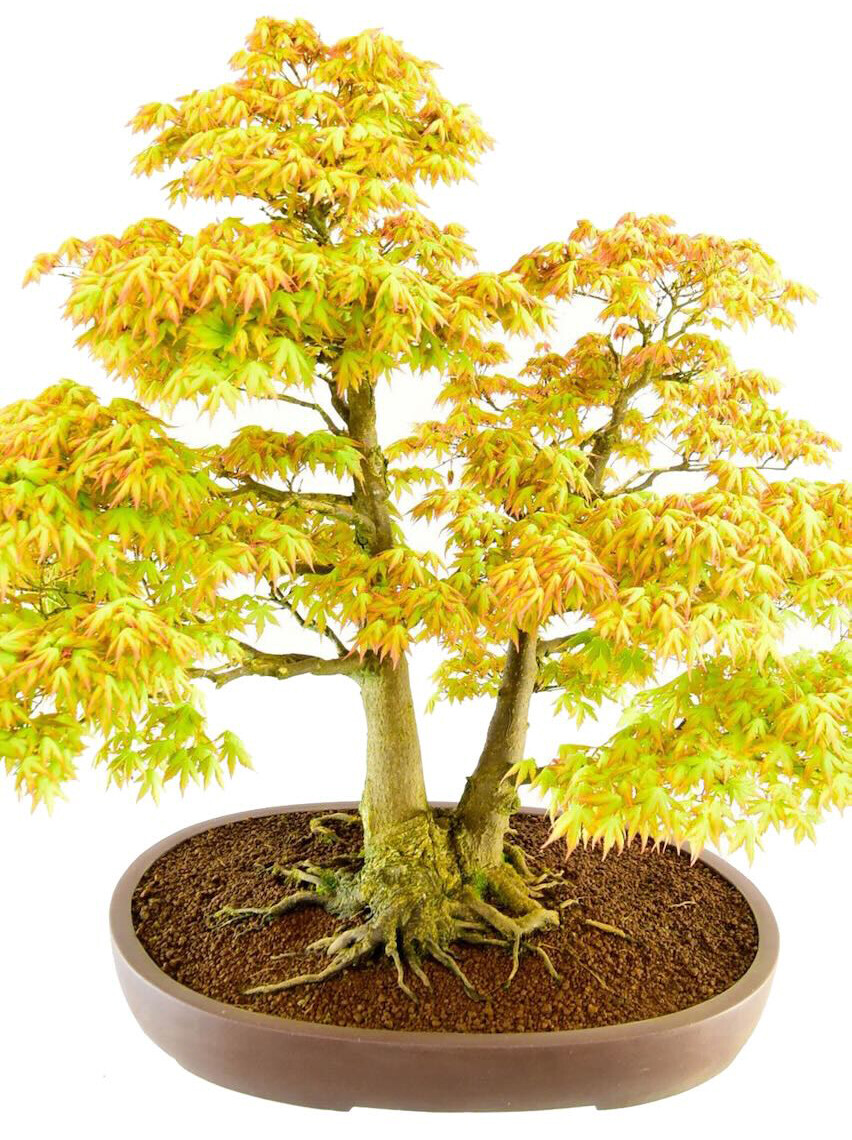
- Japanese maples are one of the most respected and rewarding deciduous bonsai species.
- Naturally fine branching and elegant silhouette
- Leaves reduce well over time, maintaining good scale
- Responds predictably to pruning and wiring
- Stunning seasonal interest, especially vibrant autumn colour
- Best for: Outdoor bonsai, growers who enjoy seasonal change, and those developing long-term refinement.
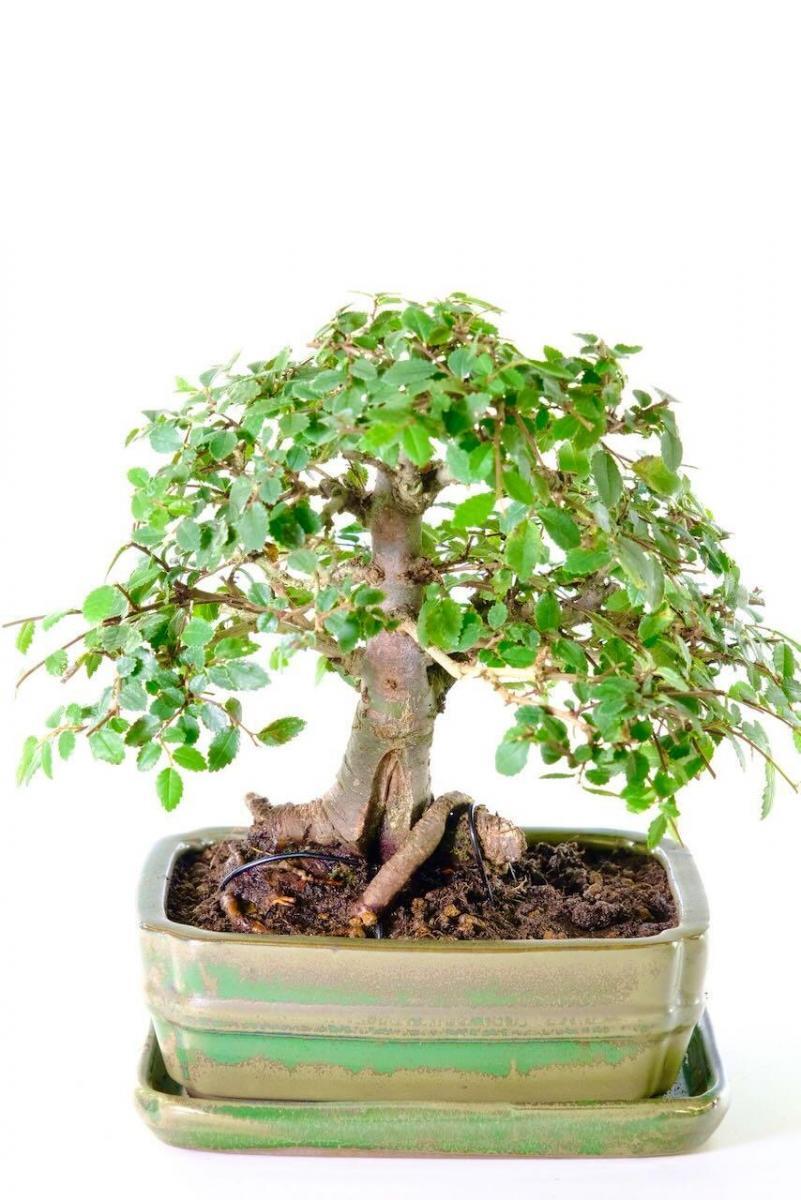
🌳 Chinese Elm (Ulmus parvifolia)
- A true classic and one of the most reliable bonsai trees available.
- Small leaves and excellent ramification make it ideal for miniature form
- Strong, forgiving growth that tolerates mistakes
- Develops attractive bark texture with age
- Suitable for both beginners and experienced growers
- Best for: First-time bonsai owners and anyone wanting a traditional bonsai look.
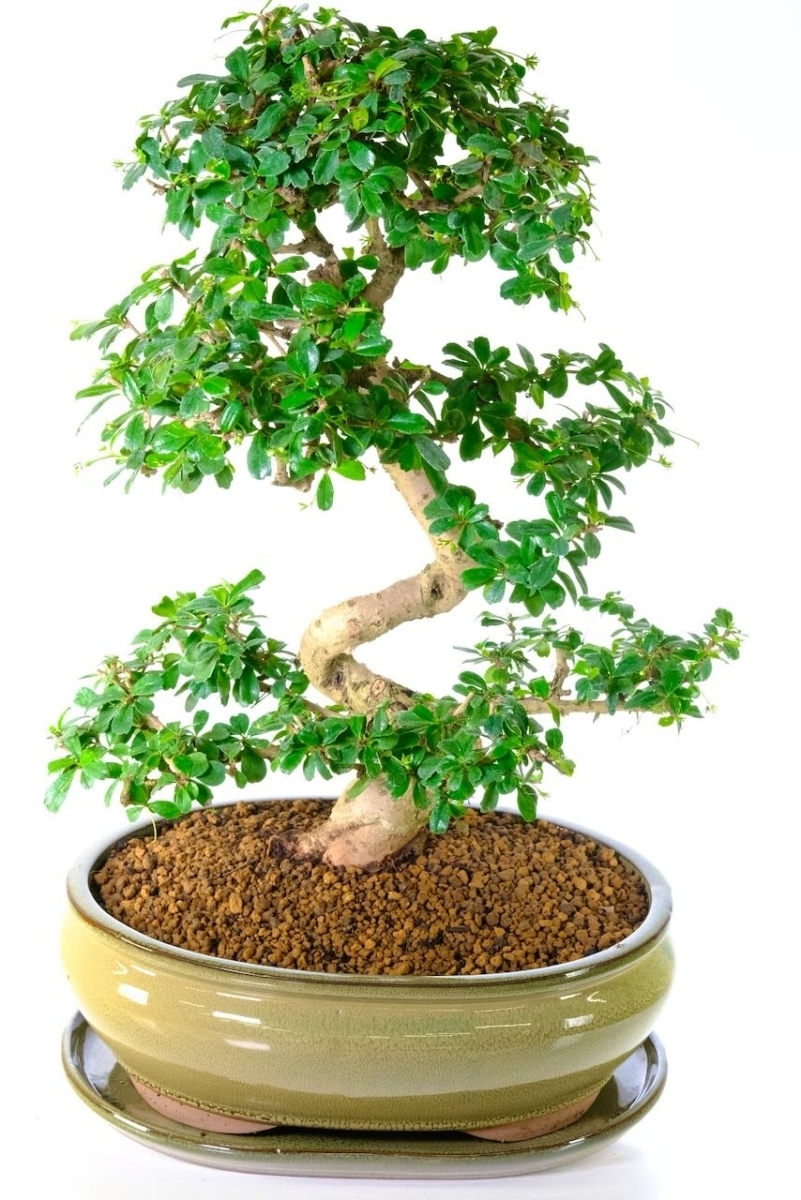
🌿 Fukien Tea Tree (Carmona retusa)
- An excellent choice for indoor bonsai and warm climates.
- Naturally compact growth with glossy, dark green leaves
- Produces small white flowers under good conditions
- Responds well to regular pruning, maintaining dense foliage
- Well-suited to indoor display with bright light
- Best for: Indoor bonsai, apartments, and growers wanting year-round greenery.
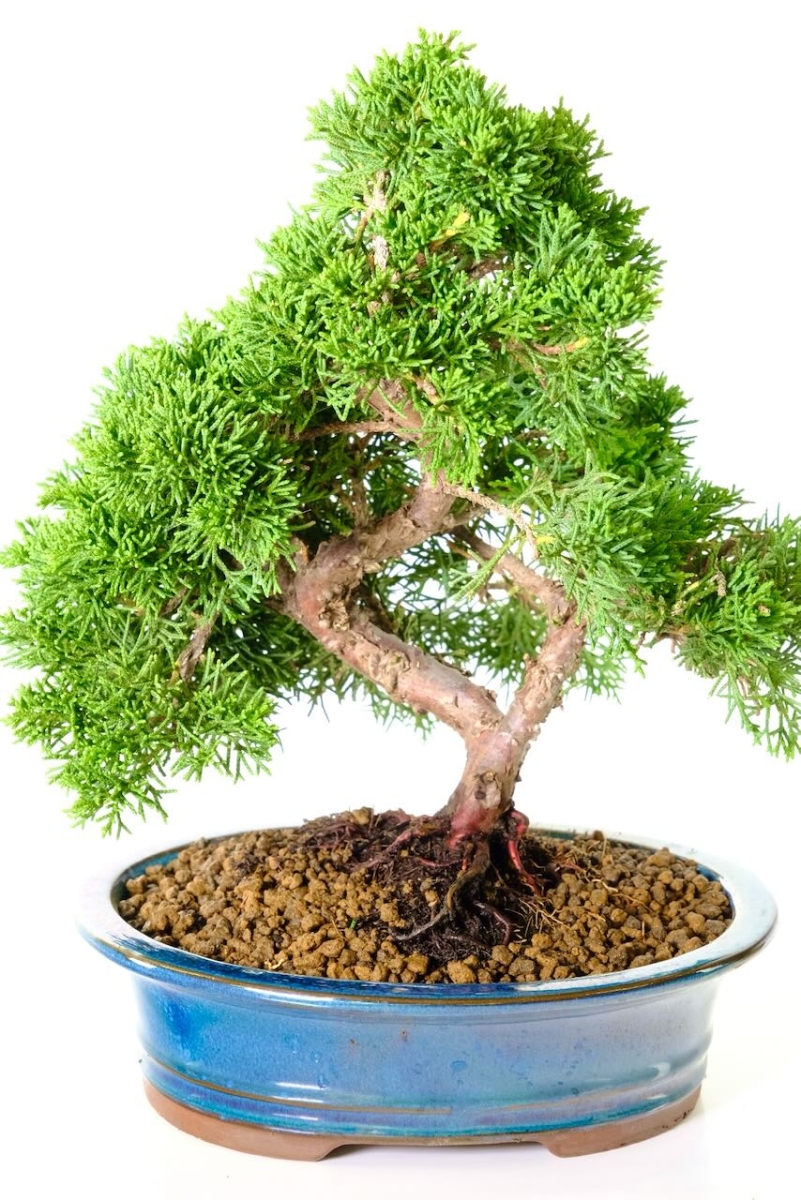
🌲 Juniper
- Junipers are synonymous with bonsai and remain one of the most versatile species available.
- Extremely hardy and tolerant of pruning and wiring
- Naturally suits dramatic styles such as cascade, windswept, and slanting
- Evergreen foliage provides structure and interest all year
- Excellent trunk development over time
- Best for: Outdoor bonsai, beginners learning wiring techniques, and classic bonsai styling.
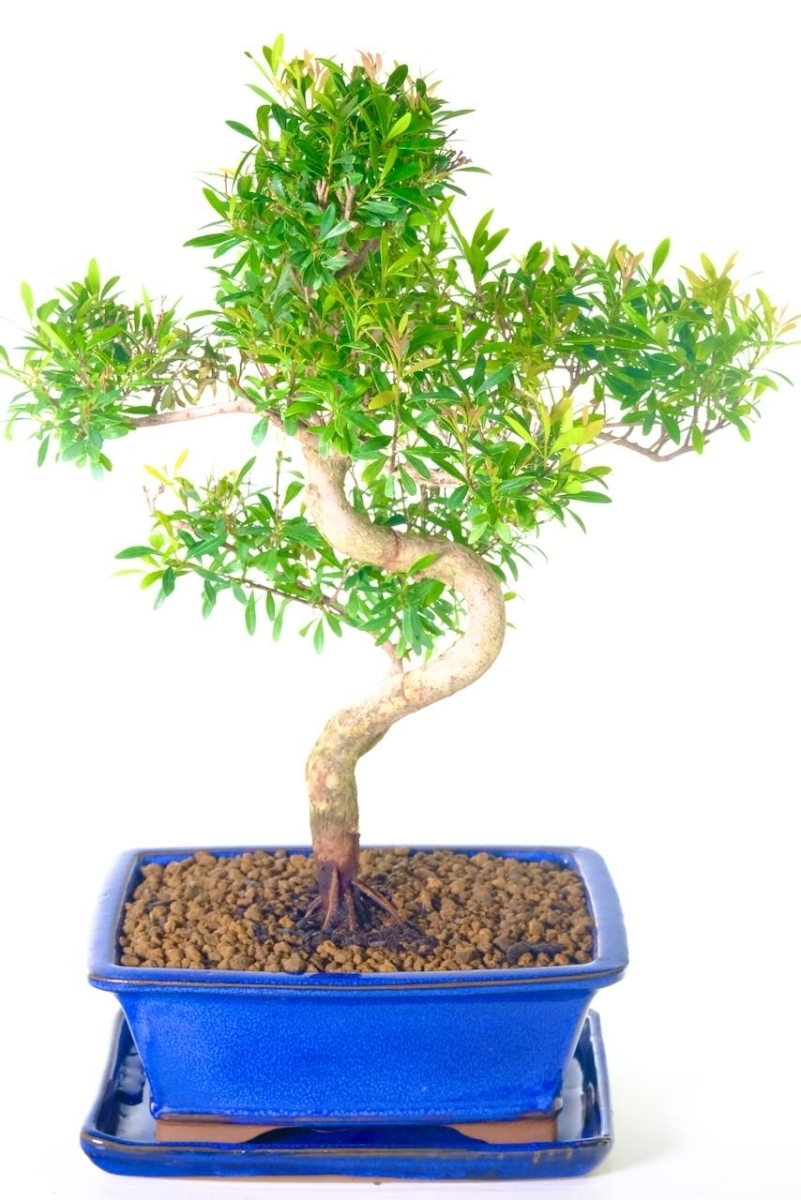
🌸 Syzygium buxifolium
- A popular evergreen species, particularly well suited to warmer conditions.
- Dense foliage with excellent leaf reduction potential
- Strong response to pruning encourages compact growth
- Develops a neat, formal appearance over time
- Well adapted to container growing and indoor/outdoor use in mild climates
- Best for: Structured styles, warm climates, and growers wanting a tidy, evergreen bonsai.
🌿 Choose Trees That Want to Be Bonsai
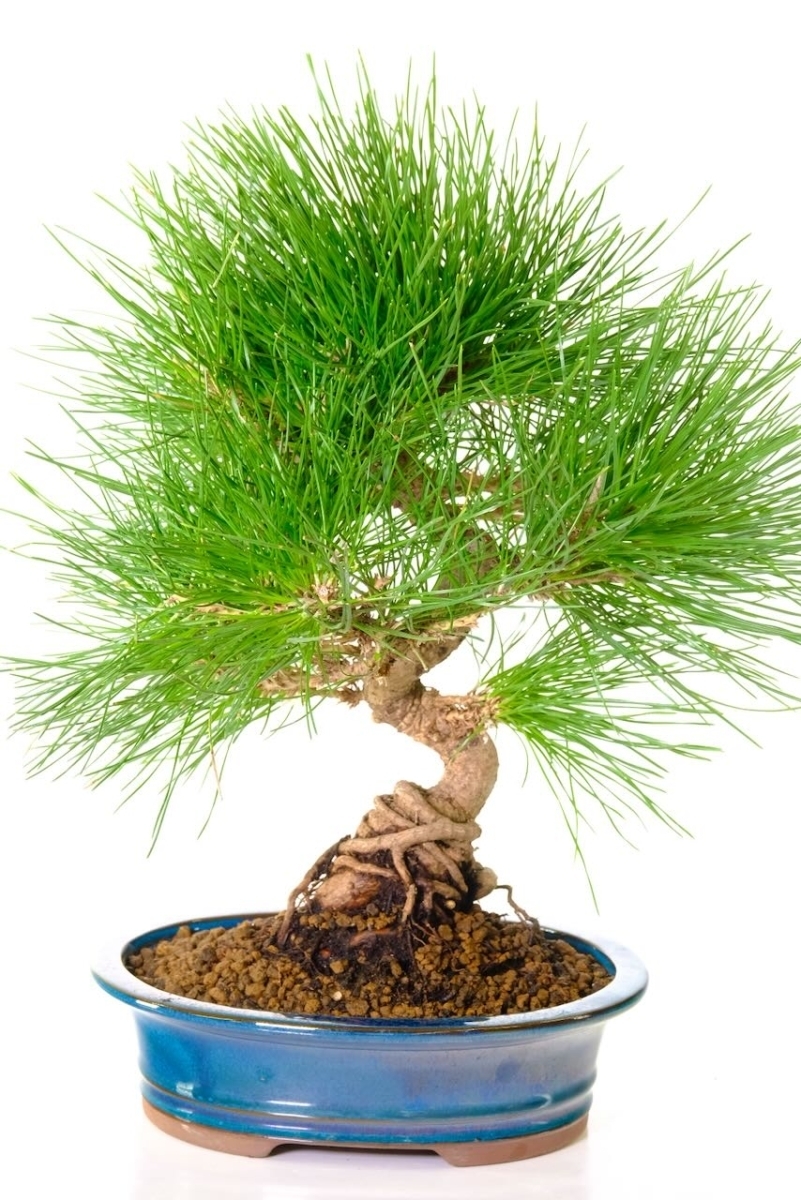
Great bonsai isn’t about forcing unsuitable species into miniature form — it’s about working with trees that naturally adapt to container life. Of course, we’re not saying that wisteria and weeping willows can’t be bonsai trees, but there are other things to consider.
Wisteria and weeping willow:
- Rarely flower or weep in bonsai form
- Grow too aggressively
Choosing proven bonsai species means:
✔ Better results
✔ Less frustration
✔ More enjoyment
🌱 Start with the Right Tree
At Bonsai Direct, we specialise in trees that thrive as bonsai, not those that simply look appealing at first glance. Explore our carefully selected range and start your bonsai journey with confidence. If you need any help with choosing bonsai tree, we are always more than happy to help.



0 replies