


My Bonsai Looks Dead. What Should I Do?
How to Tell if a Bonsai Tree Is Dead
Is your bonsai looking a little worse for wear? Perhaps its leaves have turned brown, branches are becoming brittle, or it has started losing its foliage. Don’t panic just yet! A bonsai that looks dead isn’t necessarily beyond saving. Trees can sometimes appear lifeless when they’re stressed, dehydrated, or going through seasonal changes.
Fortunately, there’s a simple way to check whether your bonsai is still alive, known as the scratch test.
How to Check if Your Bonsai Is Still Alive
One of the easiest ways to tell if a bonsai is dead is to look just beneath its bark. Follow these simple steps:
- Choose a small area of bark. Find an inconspicuous spot on a small branch or the trunk of your bonsai.
- Gently scratch the surface. Using your fingernail or a clean, sharp tool, carefully make a tiny scratch in the outer bark. You only need to remove a very thin layer, so avoid cutting too deeply.
- Look for a green layer. Just beneath the bark, you should see a thin green layer called the cambium. This is a good indication that the part of the tree you’ve tested is still alive.
- Check another area if necessary. If you don’t find any green, try testing another branch or a small section lower down the trunk. Sometimes individual branches die while the rest of the tree remains alive.
If you reach the pale or white wood underneath, you’ve scratched too deeply. The aim is to check the thin layer immediately beneath the bark without damaging the tree unnecessarily.
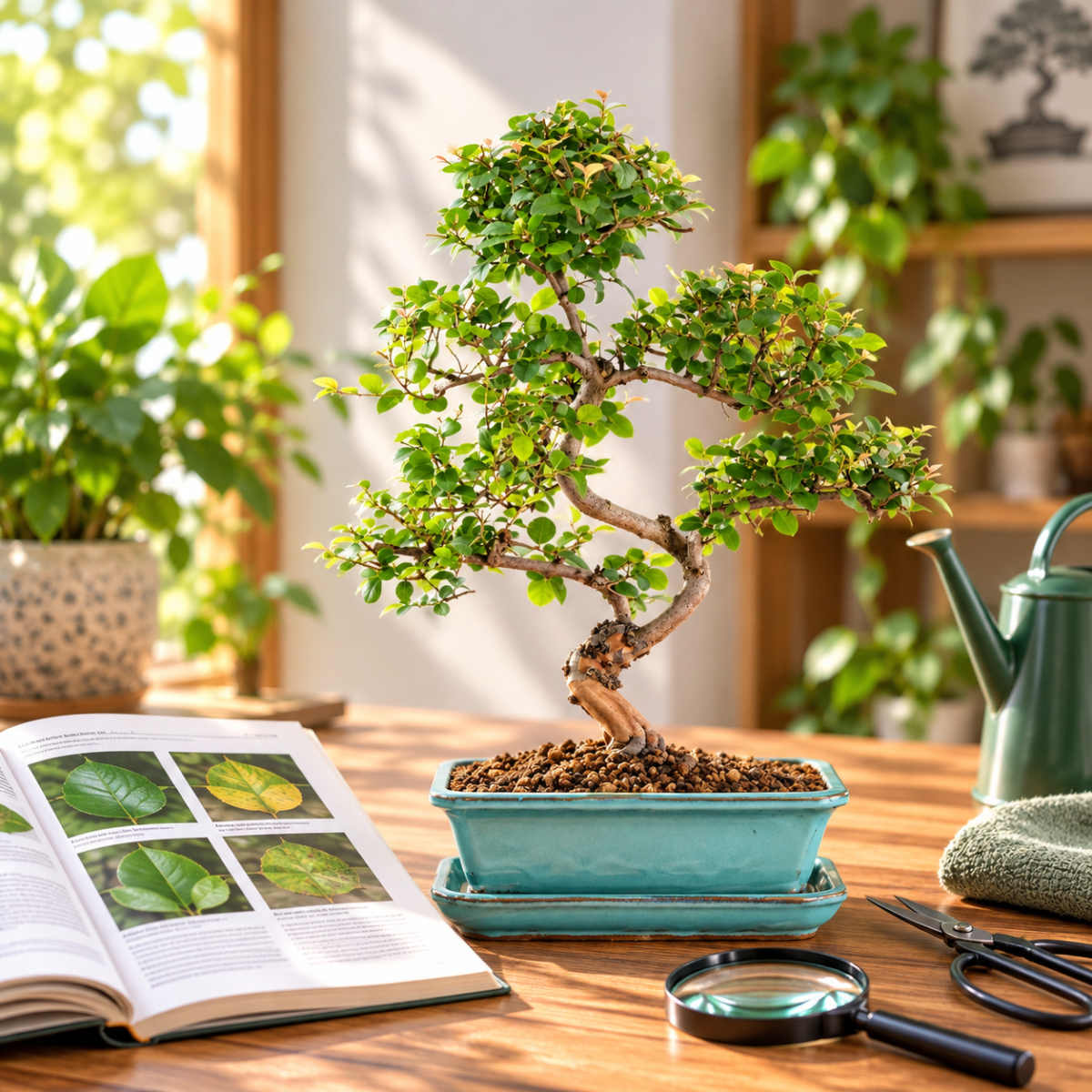
There Is a Green Layer – What Should I Do Now?
If you’ve found a green layer, that’s great news! Your bonsai is still alive, or at least the area you’ve tested is, and there may be a good chance of helping it recover.
The most important thing now is to identify what’s causing your bonsai to struggle and make sure you’re providing the correct care.
Watering is one of the most common causes of bonsai problems. Both overwatering and underwatering can cause leaves to turn brown, fall off, or become dry and brittle.
Start by checking the soil. If it’s completely dry, your bonsai may not be receiving enough water. If it’s constantly wet or waterlogged, the roots may be struggling due to a lack of oxygen or root rot.
Make sure you’re watering according to your tree’s needs rather than following a strict daily schedule. The soil should generally be checked regularly and watered when appropriate for the species and growing conditions.
It’s also important to consider where your bonsai is positioned. Some bonsai species thrive outdoors, while others need protection from cold temperatures. Incorrect light levels, extreme temperatures, and sudden changes in environment can all cause stress.
Our top tips for helping your bonsai recover:
- Check the soil regularly and adjust your watering routine.
- Make sure your bonsai is positioned somewhere suitable for its species.
- Avoid repotting, heavy pruning, or wiring while the tree is struggling.
- Hold off on fertilising until the tree begins showing signs of healthy new growth.
- Be patient! Recovery can take several weeks or even months, depending on the species and the severity of the problem.
For more information on watering, positioning, and general bonsai care, take a look at the helpful videos on our other care tabs.
There Is No Green Layer – What Should I Do Now?
If you’ve carefully scratched beneath the bark and can’t find any green, it may mean that the area you’ve tested has died.
However, don’t give up after checking just one branch! Sometimes the upper branches of a bonsai die back while the lower trunk and roots remain alive.
Try repeating the scratch test in a couple of different places, gradually working your way towards the base of the tree. If you consistently find dry, brown tissue beneath the bark, the branches are brittle, and there are no other signs of life, it’s increasingly likely that your bonsai has died.
Remember that deciduous bonsai naturally lose their leaves during autumn and winter. A leafless tree isn’t necessarily a dead tree, so always consider the species and time of year before making a final judgement.
If your bonsai has unfortunately died, please don’t feel too disheartened. Bonsai is a learning experience, and even experienced enthusiasts occasionally lose a tree.
Think of it like learning to ride a bike. If you fall off, you get back on and try again! The same applies to bonsai. Every tree teaches you something new about watering, positioning, and understanding the needs of different species.
The important thing is to learn from the experience and enjoy the journey. With a little practice, patience, and the right care, you’ll soon become more confident in keeping your bonsai happy and healthy.
And remember, we’re always here to help you along the way!
Related Content
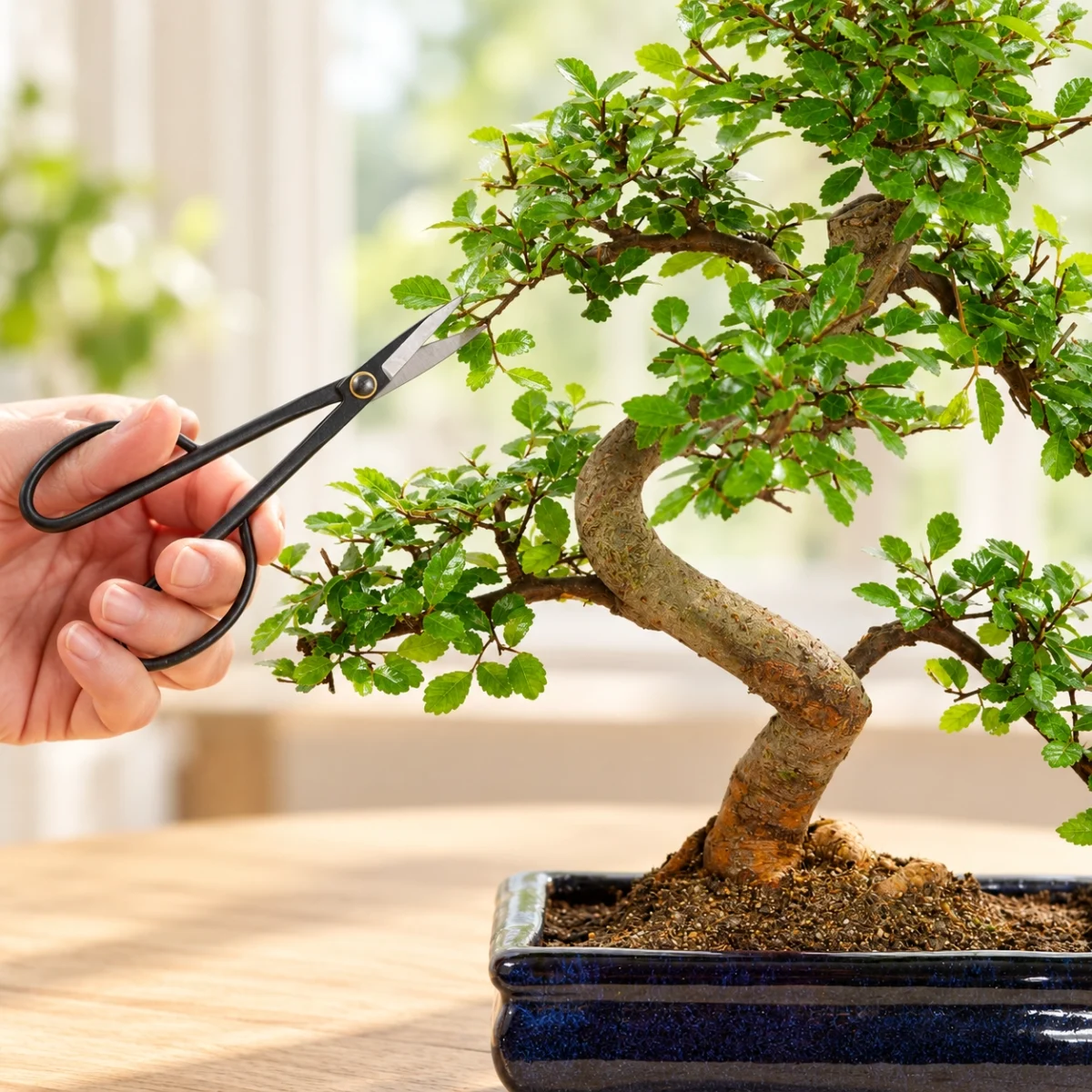
How Do I Prune My Bonsai?
Pruning is an important part of growing bonsai. If you allow the shoots to get too long, you will find that the leaves closer to the trunk drop…
Read More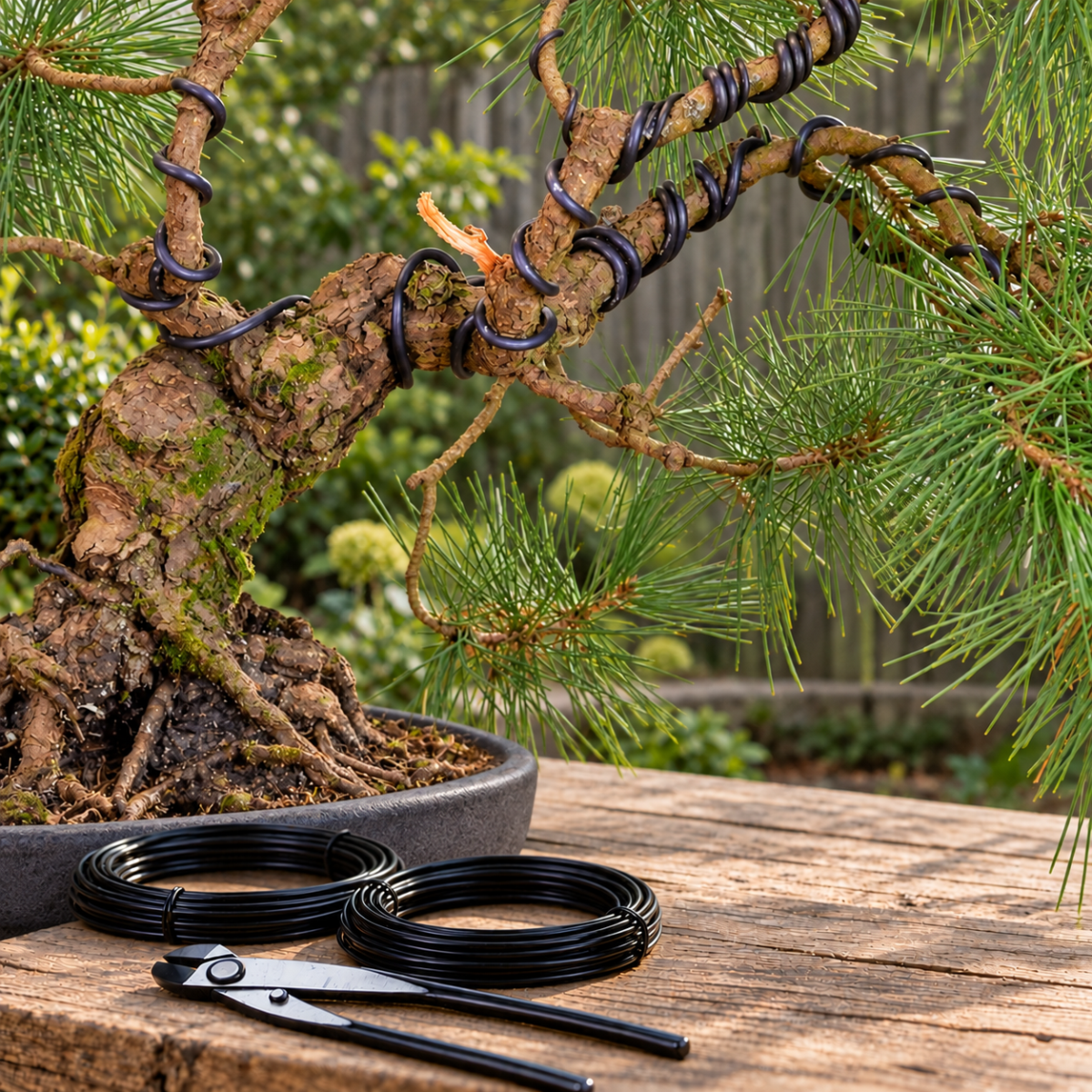
How Do I Style My Bonsai? Tips on How to Style a Bonsai!
Discover the art of bonsai styling with our beginner-friendly guide. Learn essential pruning, wiring, and shaping techniques.
Read More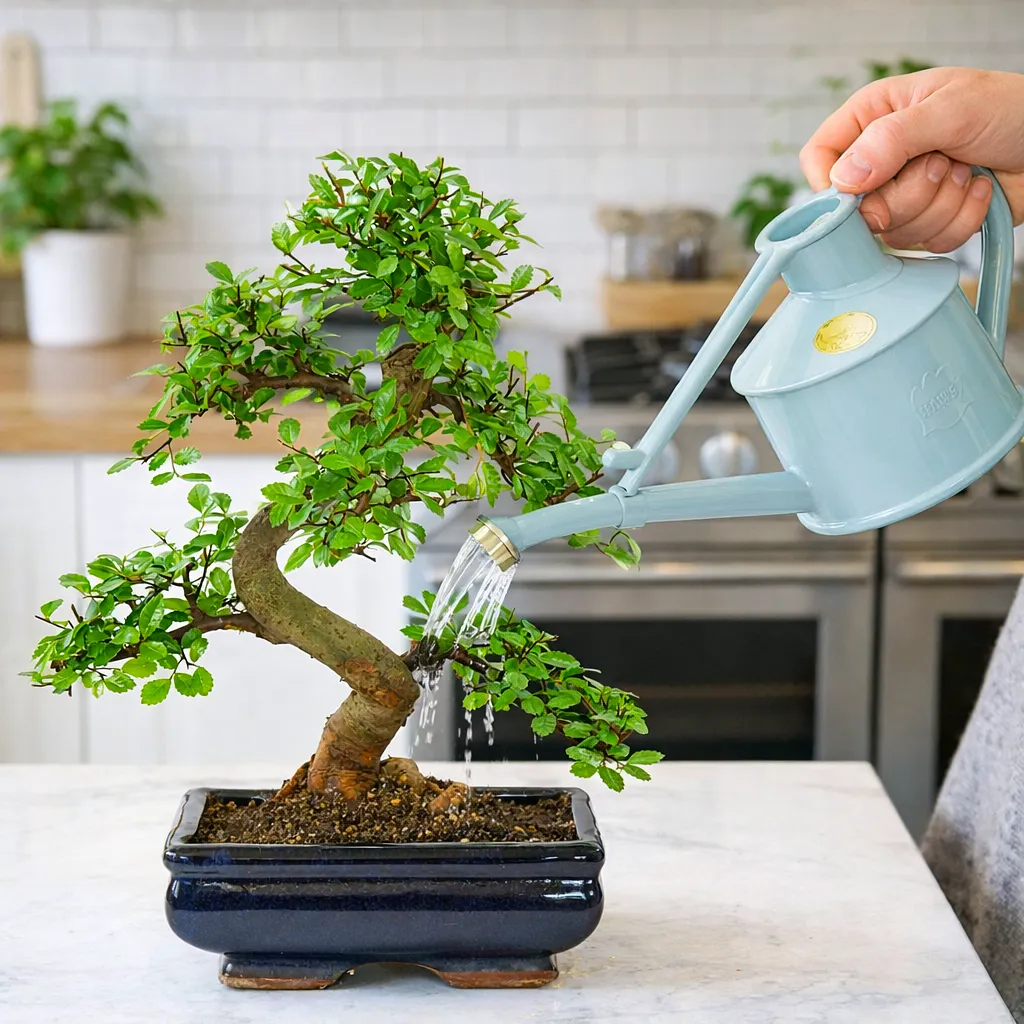
How Do I Water My Bonsai?
How do I water my bonsai? Tips on watering a bonsai! Watering a bonsai is not as complicated at some may think. As with all plants, watering is…
Read More
Are Bonsai Difficult to Care for?
Are bonsai difficult to care for? Not at all—bonsai are not difficult to care for, especially once you understand their specific needs. With the right care and environment,…
Read More
How Do I Feed My Bonsai?
In this article, we run through the basics of feeding your bonsai, including how to feed and when to do it. For our visual learners, we have put…
Read More
How To Repot My Bonsai Tree?
How do I repot my bonsai tree? "How to repot my bonsai tree?" is a very common question we are asked. Repotting is an essential part of caring…
Read More
My Bonsai Has Bugs
Noticed bugs on your bonsai? Don't panic! Pests such as aphids, spider mites and mealybugs can sometimes affect bonsai trees, but most are easy to treat if caught…
Read More
When Should I Repot My Bonsai Tree?
When should I repot my bonsai tree? When should I repot my bonsai tree? Your bonsai will be absolutely fine in the pot in which it arrives for…
Read More