


Bonsai Styles

Styles of Bonsai: Some Inspiration
Bonsai is a beautiful art form that combines nature, creativity and patience. Through careful pruning and wiring, growers can shape miniature trees into a wide range of styles.
Each bonsai style takes inspiration from trees growing in the wild. Some grow tall and straight, while others lean, twist or bend in the wind. These natural shapes give every bonsai its own unique character.
Whether you’re choosing your first bonsai or exploring new styling techniques, understanding the different styles can help you find your favourite.
Here are six of the most popular bonsai styles.
Informal Upright (Moyogi)
The Informal Upright style, or Moyogi, is one of the most popular bonsai shapes. Many commercial growers favour this style because it looks natural and suits a wide range of trees.
The trunk grows upwards with gentle curves rather than following a straight line. These curves add movement and character. They also give the tree a mature, natural appearance.
Although the trunk bends, the top of the tree usually sits above its base. The branches follow the trunk’s movement to create a balanced shape.
This style suits many species, including Chinese Elm, Ficus and Japanese Maple.
Informal Upright bonsai look beautiful in almost any setting. Their natural shape makes them a great choice for beginners and experienced enthusiasts alike.
Slanting (Shakkan)
The Slanting style, known as Shakkan, takes inspiration from trees that grow at an angle. Strong winds, uneven sunlight and challenging growing conditions can all cause this shape in nature.
The trunk leans noticeably to one side. It may grow fairly straight or feature gentle curves.
A good Slanting bonsai needs strong roots to create balance. The visible surface roots, known as nebari, often extend in the opposite direction to the lean. This helps the tree appear stable and firmly anchored.
The branches complement the angle of the trunk while maintaining an attractive shape.
Despite its leaning appearance, a Slanting bonsai should look strong and balanced.
This style works particularly well with trees that have interesting trunks and clearly defined branches.
Windswept (Fukinagashi)
The Windswept style, or Fukinagashi, creates the dramatic appearance of a tree growing in strong, constant winds.
In nature, trees growing on exposed cliffs, mountains and coastlines often develop this shape.
The trunk bends or leans in one direction, while the branches sweep towards the same side. This creates the impression that strong winds have shaped the tree over many years.
Unlike more traditional styles, Windswept bonsai have an uneven, dramatic appearance. Their shape creates a strong sense of movement.
Growers use careful pruning and wiring to guide the branches into position. The aim is to recreate the natural effects of wind without making the tree look forced.
Juniper and Pine are popular choices for this style.
A well-styled Windswept bonsai captures the strength and resilience of trees growing in challenging environments.
Literati or Bunjin (Bunjingi)
The Literati style, also known as Bunjingi, focuses on simplicity and elegance.
Traditional Chinese landscape paintings helped inspire this distinctive style. It celebrates the beauty of a slender trunk and a minimal amount of foliage.
Literati bonsai usually have a tall, narrow trunk with dramatic curves. Most of the branches grow near the top, forming a small crown.
The lower trunk remains mostly bare. This draws attention to its shape and creates a graceful appearance.
Unlike fuller bonsai styles, Literati trees use open space as part of their design. Every curve and branch contributes to the overall look.
Growers achieve this style through selective pruning and careful wiring. They must also leave enough healthy foliage to support the tree.
Pine and Juniper are particularly well suited to this style.
Literati bonsai prove that a simple design can make a striking impression.
Twin Trunk (Sokan)
The Twin Trunk style, known as Sokan, features two trunks growing from the same root system or base.
One trunk is usually taller and thicker than the other. The smaller trunk complements the main tree and creates a balanced appearance.
Both trunks work together to form one attractive silhouette.
This style often develops naturally when a young tree produces a second trunk near its base. Growers can also encourage this shape through careful training.
Branch placement plays an important role. The foliage should complement both trunks without becoming too crowded.
The space between the trunks also helps define their individual shapes.
Japanese Maple, Chinese Elm and Ficus can all make beautiful Twin Trunk bonsai.
This style offers an interesting alternative to traditional single-trunk trees. It combines two distinct forms into one harmonious design.
Formal Upright (Chokkan)
The Formal Upright style, or Chokkan, is one of the most traditional bonsai shapes.
It takes inspiration from trees that grow tall and straight in open spaces with plenty of sunlight.
The trunk rises vertically from the base and gradually becomes thinner towards the top. This creates a strong, mature appearance.
The lower branches are usually longer and thicker. As the tree grows upwards, the branches become shorter and finer.
This gives the bonsai a neat, triangular silhouette, similar to a mature conifer.
Although the style looks simple, it requires careful planning. Growers must consider trunk taper, branch placement and overall proportions.
Strong surface roots also help create a stable, established appearance.
Pine, Spruce and Juniper are popular choices for Formal Upright bonsai.
This classic style celebrates strength, symmetry and the natural beauty of trees.
Which Bonsai Style Should You Choose?
With so many beautiful styles, choosing your favourite comes down to personal preference.
Some people love the gentle curves of an Informal Upright bonsai. Others prefer the dramatic movement of a Windswept tree or the simplicity of a Literati design.
If you’re new to bonsai, the Informal Upright style is a great place to start. Its natural shape makes it easier to maintain and develop over time.
More unusual styles may need additional pruning, wiring and patience.
It’s also important to consider the species of your bonsai. Different trees have different growth habits, and some suit particular styles better than others.
Rather than forcing a tree into a specific shape, work with its natural features. Look at the trunk, branches and roots before deciding how to develop it.
Remember, bonsai styling takes time. Your tree will continue to grow and change, giving you plenty of opportunities to refine its appearance.
Find Your Perfect Bonsai
Every bonsai has its own character, and each style offers something different.
From the classic Formal Upright to the elegant Literati, these traditional styles show just how creative bonsai growing can be.
At Bonsai Direct, we offer a wide selection of bonsai trees in different shapes, sizes and styles.
Whether you’re buying your first bonsai, adding to your collection or looking for a thoughtful gift, there’s a tree to suit every taste.
Explore our collection and discover the beauty of bonsai for yourself.
Related Content
What Is A Bonsai Tree?
What is a bonsai Tree? A bonsai is a small tree in a pot. The word 'bonsai' literally translates to 'potted tree'. However, a bonsai is also a…
Read More
History of Bonsai
Bonsai Background The art of growing miniature trees in ornamental pots has been practised for centuries. In summary, our bonsai background originated first in China, then Japan and…
Read More
How Are Bonsai Measured?
Bonsai Height | How we Measure of Bonsai Trees? The definition of a bonsai is a tree in a pot. The Japanese word 'bonsai' is broken down into…
Read More
Quality bonsai
Bonsai quality Bonsai quality and service are our highest priorities. We grow all of our trees with the best possible care and attention to detail. Every week, we…
Read More
Why Are Bonsai Trees So Expensive & How Are They Priced?
How are bonsai priced? We are often asked ' why are bonsai trees so expensive?'. It is a common misconception that, the bigger the bonsai, the more expensive…
Read More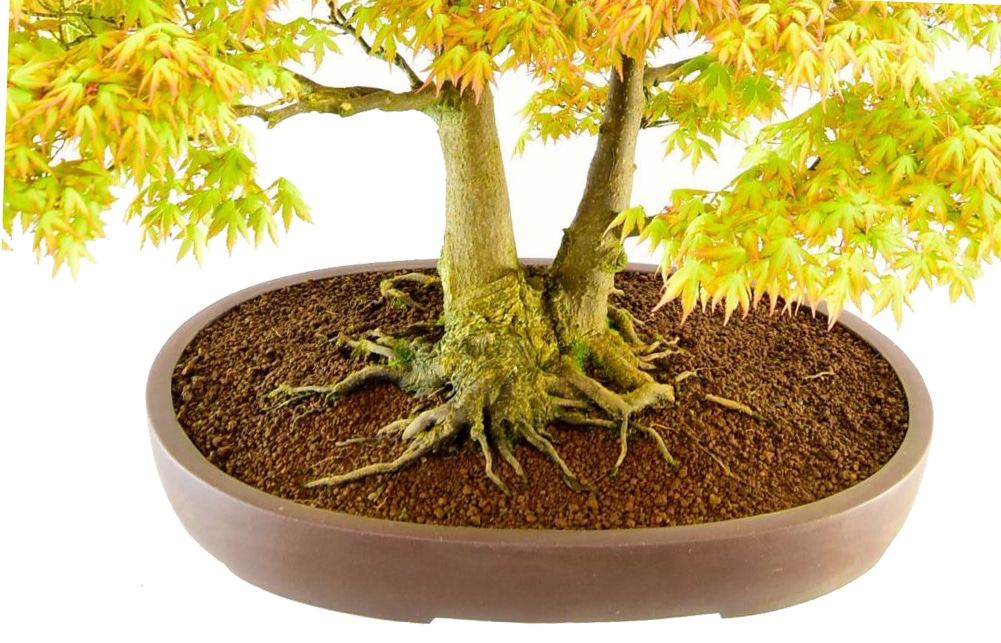
Why Does My Bonsai Have Exposed Roots Above Soil?
Bonsai Roots - Exposed above the soil Roots are the one of the most important parts of any tree. The roots of a tree play a crucial role…
Read More