


Are Bonsai Difficult to Care for?
Are bonsai difficult to care for?
Not at all—bonsai are not difficult to care for, especially once you understand their specific needs. With the right care and environment, your bonsai won’t just survive—it will thrive.
In fact, with time, patience, and attention, a bonsai can even outlive you, becoming a treasured heirloom and a lifelong source of calm, focus, and natural beauty in your home, garden, or workspace. Many bonsai owners find that caring for their tree becomes a peaceful and grounding daily ritual—one that offers a deep sense of connection and mindfulness.
Quick Summary for Beginners
Bonsai are surprisingly easy to care for once you know the basics. Check your tree daily, water when the soil is dry, feed regularly, and place it in a suitable position with enough light. They’re not high-maintenance—they just need a little attelntion to detail.
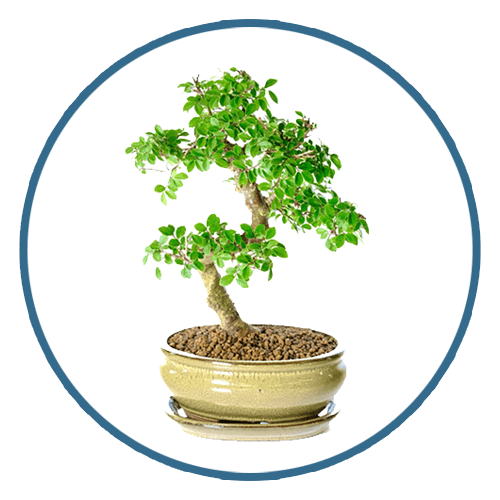
How Bonsai Care Differs from Houseplants
While many bonsai can be kept indoors, they should not be treated like typical houseplants. Bonsai are living trees in miniature form, and they require more thoughtful care—particularly when it comes to watering, light, feeding, and repotting.
It’s also important to know whether your bonsai is best suited for indoors or outdoors.
- Indoor bonsai (such as Ficus, Chinese Elm, or Carmona) thrive in a warm, well-lit environment.
- Outdoor bonsai (such as Juniper, Pine or Cherry Blossom, and Japanese Maple) need to live outdoors all year round and enjoy the changing seasons.
Daily Care Tips
One of the most important things to remember is that bonsai benefit from being checked daily—but that doesn’t mean they need watering every day.
- Check daily – water only when needed, not by schedule.
- Gently press the soil with your finger:
- If the top layer feels dry, it’s time to water.
- If it still feels damp, check again tomorrow.
- Avoid routine watering (e.g., “every other day”)—this can lead to overwatering and root issues.
Feeding Your Bonsai
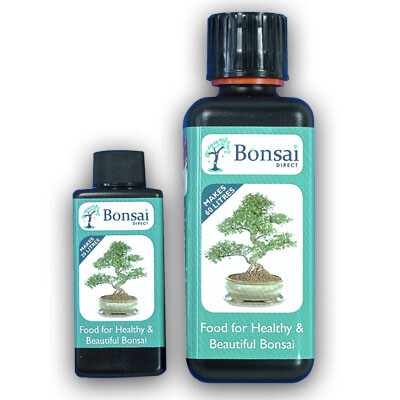
Feeding helps your tree stay strong, healthy, and vibrant.
- Indoor bonsai: Feed once a week all year round with a bonsai fertiliser.
- Outdoor bonsai: Feed weekly during the growing season (typically March to September).
Other Key Aspects of Bonsai Care
- Light: Most bonsai require bright, indirect light. Some indoor species benefit from a few hours of direct sunlight daily.
- Pruning: Regular trimming helps maintain the tree’s shape, encourages branching, and keeps it healthy.
- Repotting: Most bonsai trees need repotting every 2–4 years to prevent them becoming root-bound and to refresh the soil.
- Pest & Disease Monitoring: Like any plant, bonsai can be affected by pests or fungi—check leaves, stems, and soil regularly for early signs. Spraying regularly with a plant invigorator is excellent practice and will not only foliar feed your bonsai but all helps keep it pest free.
Final Thoughts
While bonsai trees do require more attention than a typical houseplant, they offer something incredibly special in return. With consistent care and a little learning, bonsai care becomes a relaxing, mindful daily ritual rather than a chore.
And remember—you’re not alone. Every bonsai we send includes full printed care instructions, and if you ever need help, our friendly team is here to offer advice and support.
Related Content
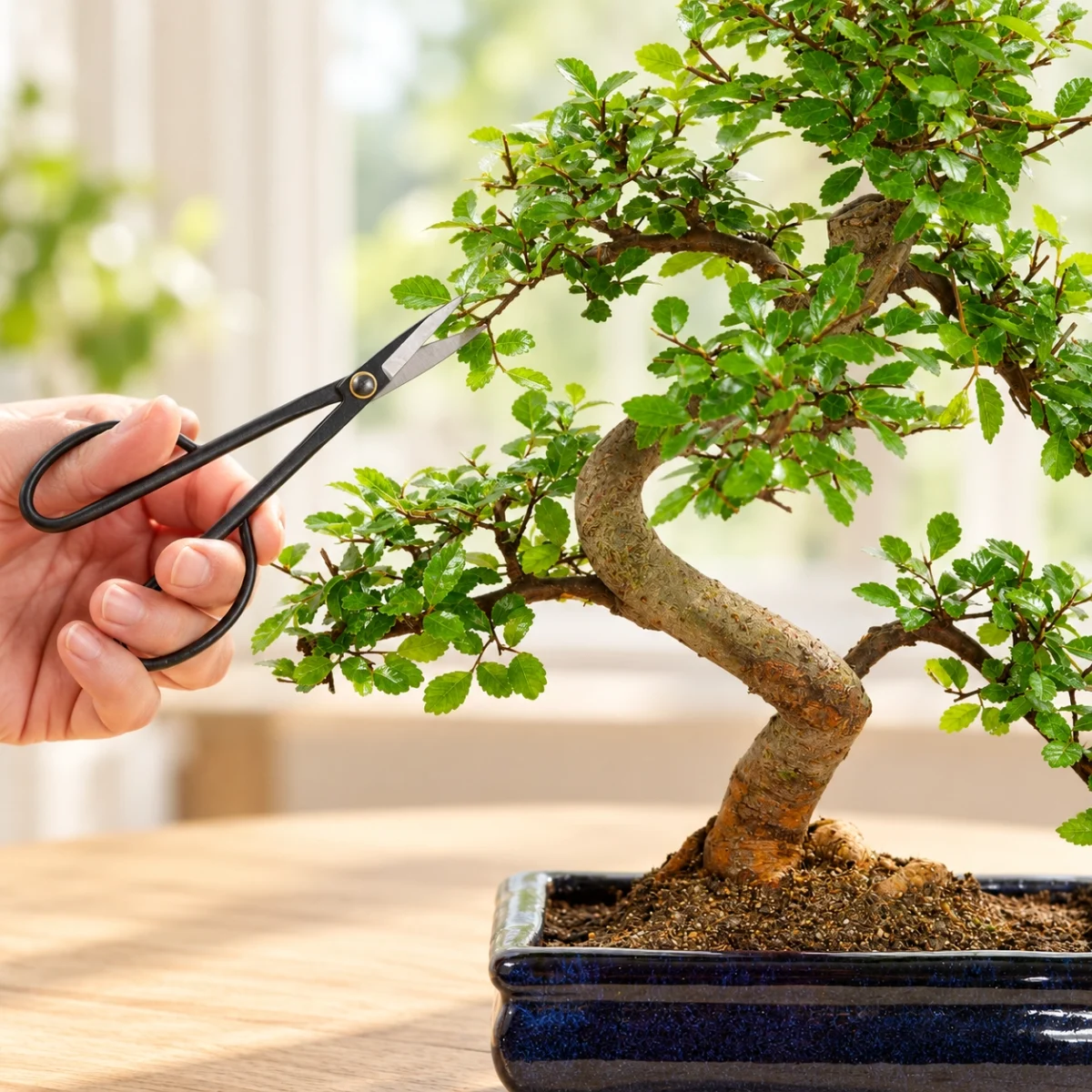
How Do I Prune My Bonsai?
Pruning is an important part of growing bonsai. If you allow the shoots to get too long, you will find that the leaves closer to the trunk drop…
Read More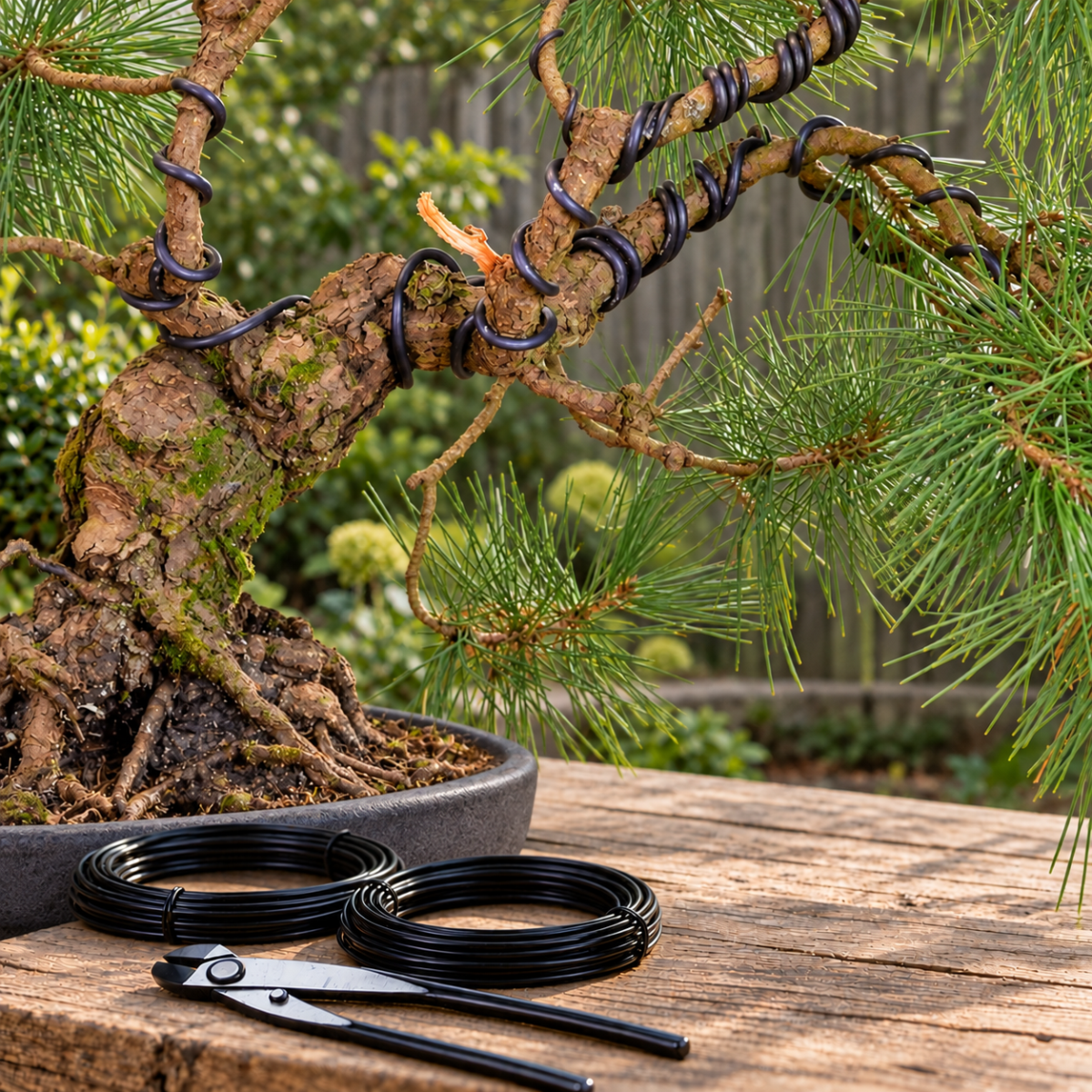
How Do I Style My Bonsai? Tips on How to Style a Bonsai!
Discover the art of bonsai styling with our beginner-friendly guide. Learn essential pruning, wiring, and shaping techniques.
Read More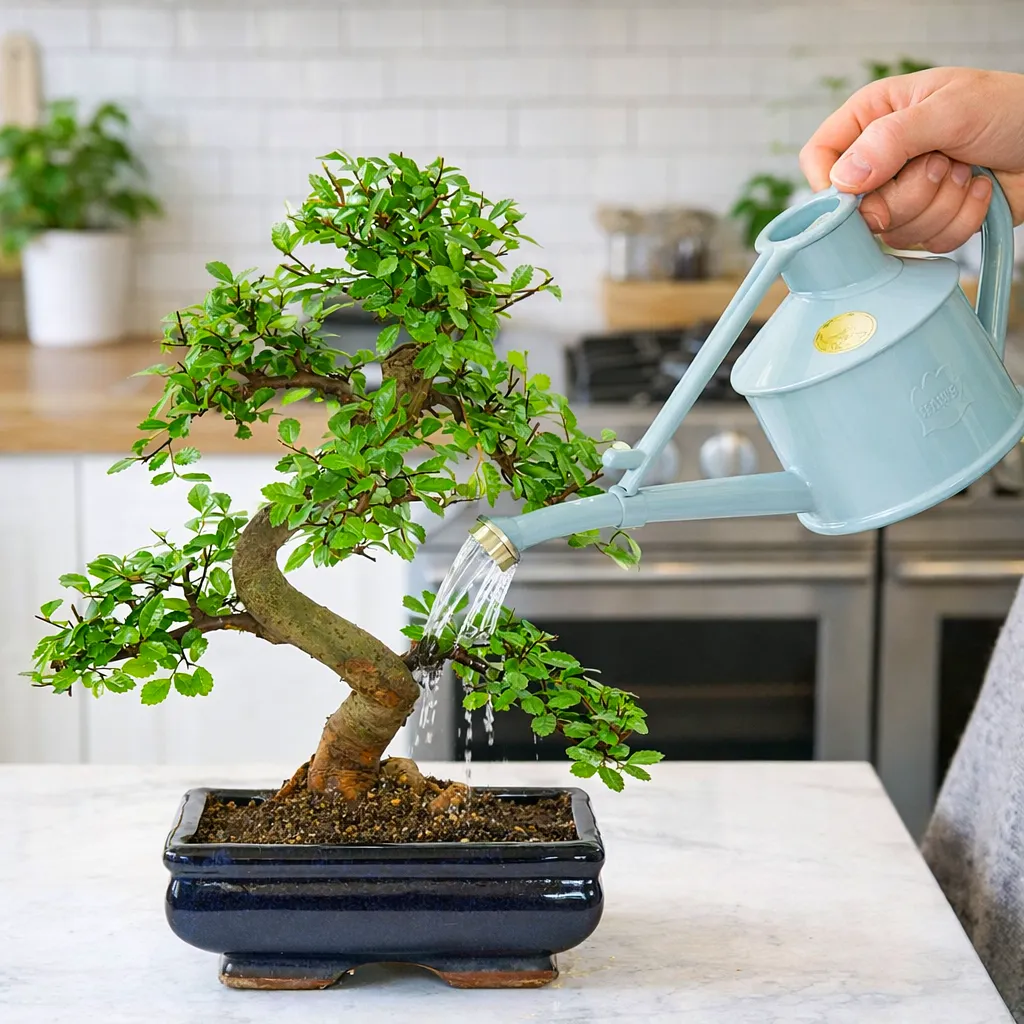
How Do I Water My Bonsai?
How do I water my bonsai? Tips on watering a bonsai! Watering a bonsai is not as complicated at some may think. As with all plants, watering is…
Read More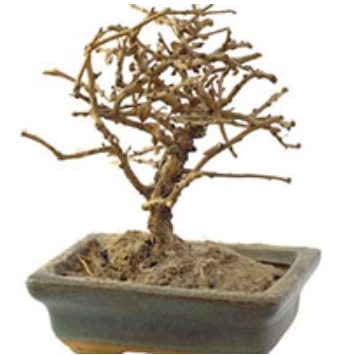
My Bonsai Looks Dead. What Should I Do?
How to tell if a bonsai tree is dead. If you need to know how to tell if a bonsai tree is dead, follow these instructions. Make a…
Read More
Payment Issues and Failed Orders
Why has my order failed? Firstly, we have very high security on our website. This is to ensure that all of our customers' data is kept safe. This…
Read More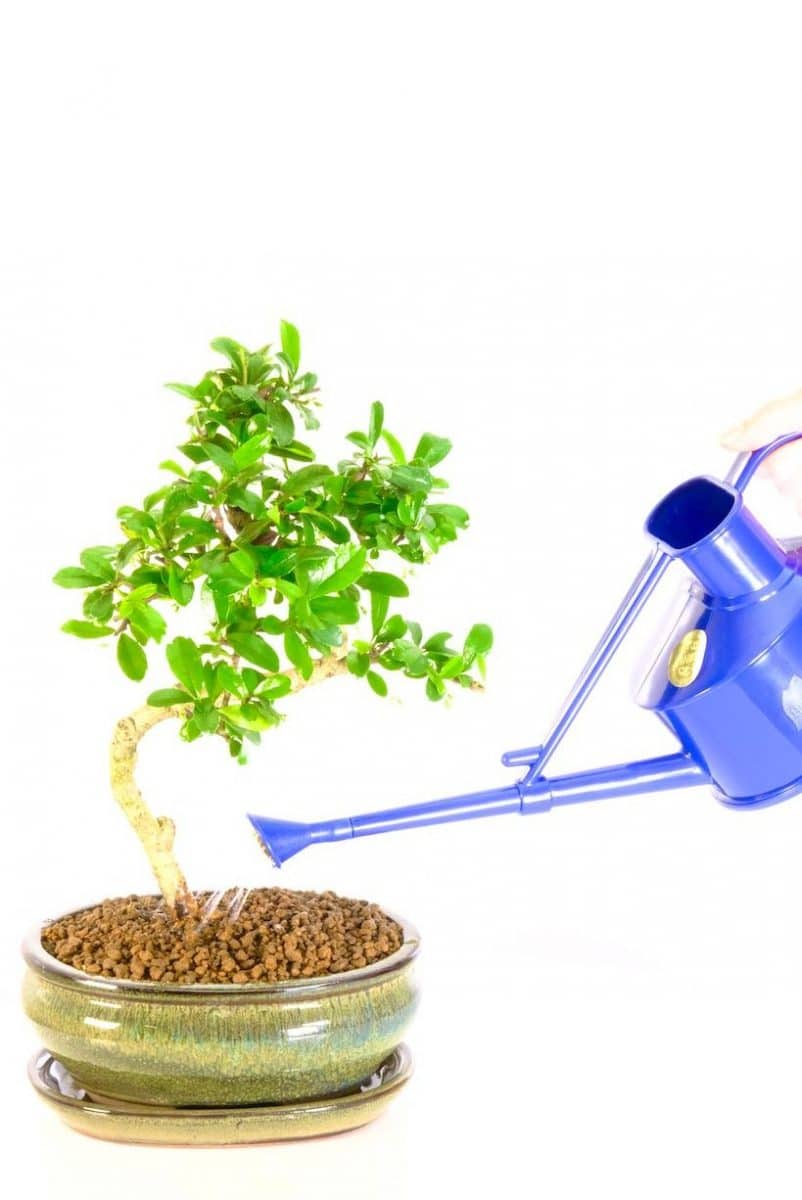
Tips for Beginners in the World of Bonsai
The 4 most important things for a bonsai: Water - watering is the most important part of caring for a bonsai. Please check the soil daily and ensure…
Read More
Why Has My Bonsai Been Delivered With Few Leaves?
Seasonal variations could mean that some species of bonsai tree are not as 'leafy' as photographed. New Buds Forming Due to seasonal variations and the bonsai pruning process,…
Read More
Delivery Information
Where do we deliver to? ServiceWhen will it arrive?ChargeStandard Delivery(England, Wales & Southern Scotland)Next working day (ordered before 3:25pm) or your chosen dateFREEPremium AM(Weekdays before 1pm)Next working day…
Read More