

No comments | Join the Discussion
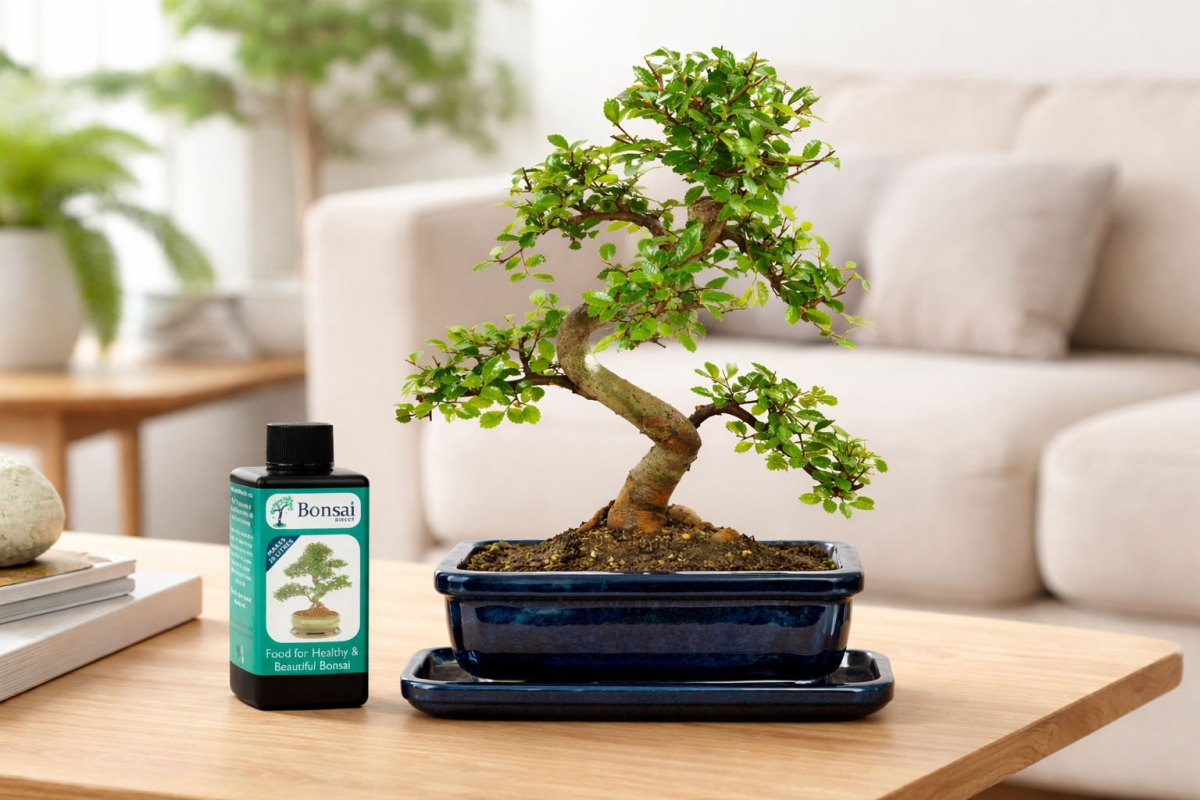
Choosing the right beginners bonsai tree is the first step toward enjoying this fascinating and rewarding hobby. Bonsai trees have captivated gardeners for centuries because they combine horticulture and artistry. When you grow a bonsai, you are not simply keeping a plant — you are shaping a living sculpture that evolves over time.
However, beginners often assume bonsai trees are difficult to care for. In reality, many beginners bonsai trees are hardy, adaptable, and surprisingly easy to maintain. By choosing the right species and learning a few basic care techniques, anyone can successfully grow a bonsai tree.
In this guide, you will discover the best beginners bonsai tree species, essential bonsai care tips, and practical advice for choosing your first bonsai.
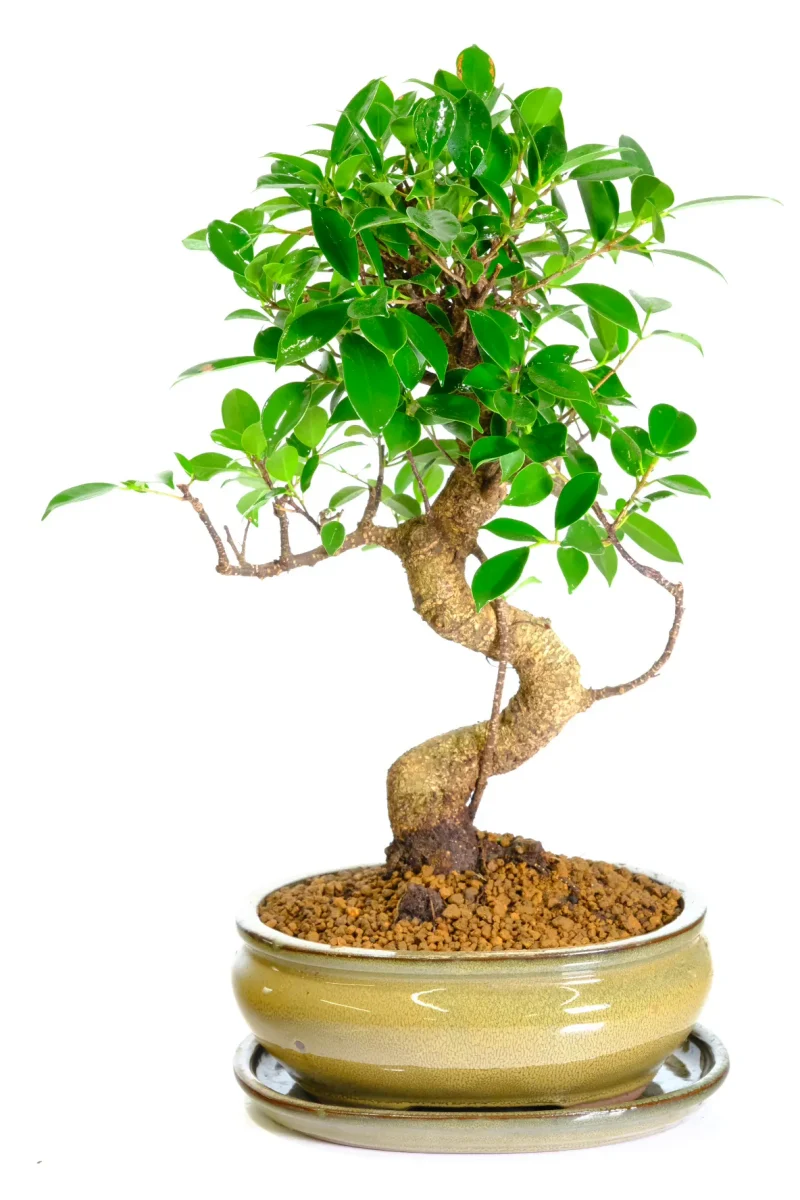
What Is a Beginners Bonsai Tree?
The word bonsai originates from Japan and literally means “planted in a container.” Bonsai is the practice of growing and shaping trees in small pots so they resemble mature trees found in nature, but on a miniature scale.
Importantly, a beginners bonsai tree is not a genetically dwarf plant. Instead, growers train normal trees using pruning, wiring, and root pruning techniques to maintain their small size and artistic form.
With proper care, bonsai trees can live for decades. Therefore, many enthusiasts enjoy the long-term process of shaping and developing their trees over time. As a result, bonsai becomes both a creative hobby and a calming connection with nature.
Best Beginners Bonsai Trees
When choosing your first bonsai, it is important to select species known to be hardy and forgiving. Fortunately, several beginners bonsai trees are well suited to indoor environments and tolerate small mistakes in watering or pruning.
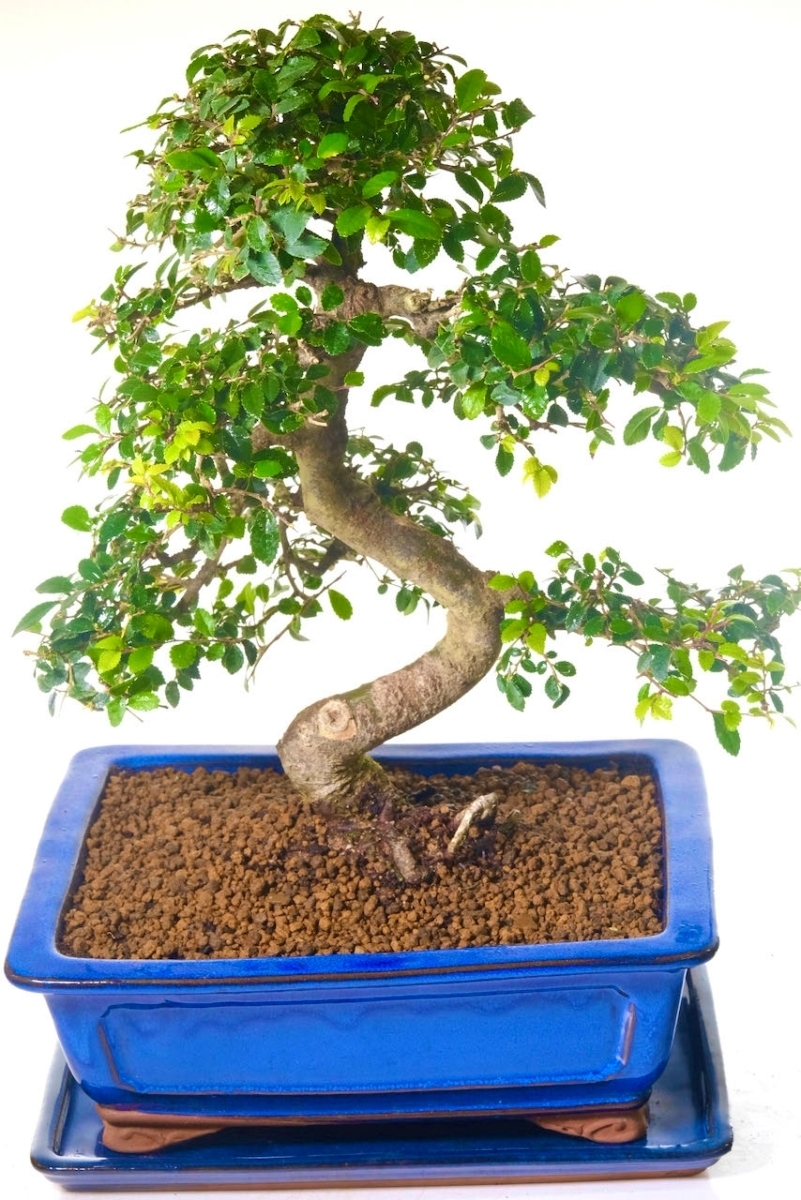
Chinese Elm – One of the Best Beginners Bonsai Trees
The Chinese Elm (Ulmus parvifolia) is widely regarded as one of the best beginners bonsai trees. It is hardy, adaptable, and responds extremely well to pruning.
Furthermore, its small leaves and attractive bark create the classic bonsai appearance many people expect. Chinese Elm bonsai can grow indoors with sufficient light or outdoors in milder climates, making them very versatile.
In my opinion, the Chinese Elm is one of the best indoor beginners bonsai trees that represents a traditional woodland tree.
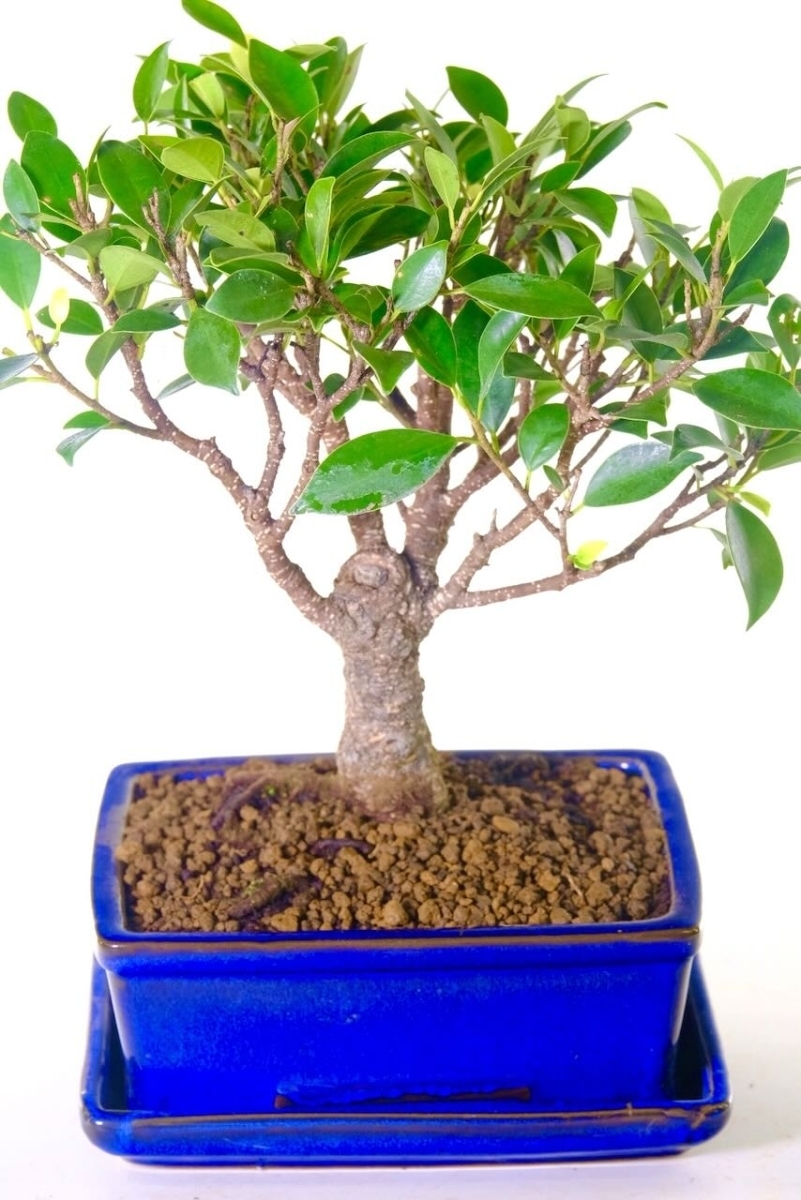
Ficus – A Very Popular Beginners Bonsai Tree
Ficus bonsai such as Ficus retusa or Ficus microcarpa are extremely popular beginners bonsai trees because they tolerate indoor conditions better than most species.
They prefer bright light and consistent watering. However, they also tolerate lower light levels more easily than many other bonsai varieties.
Their thick trunks, glossy leaves, and aerial roots create a dramatic appearance. In addition, mature ficus trees often develop attractive silvery striations in their bark.
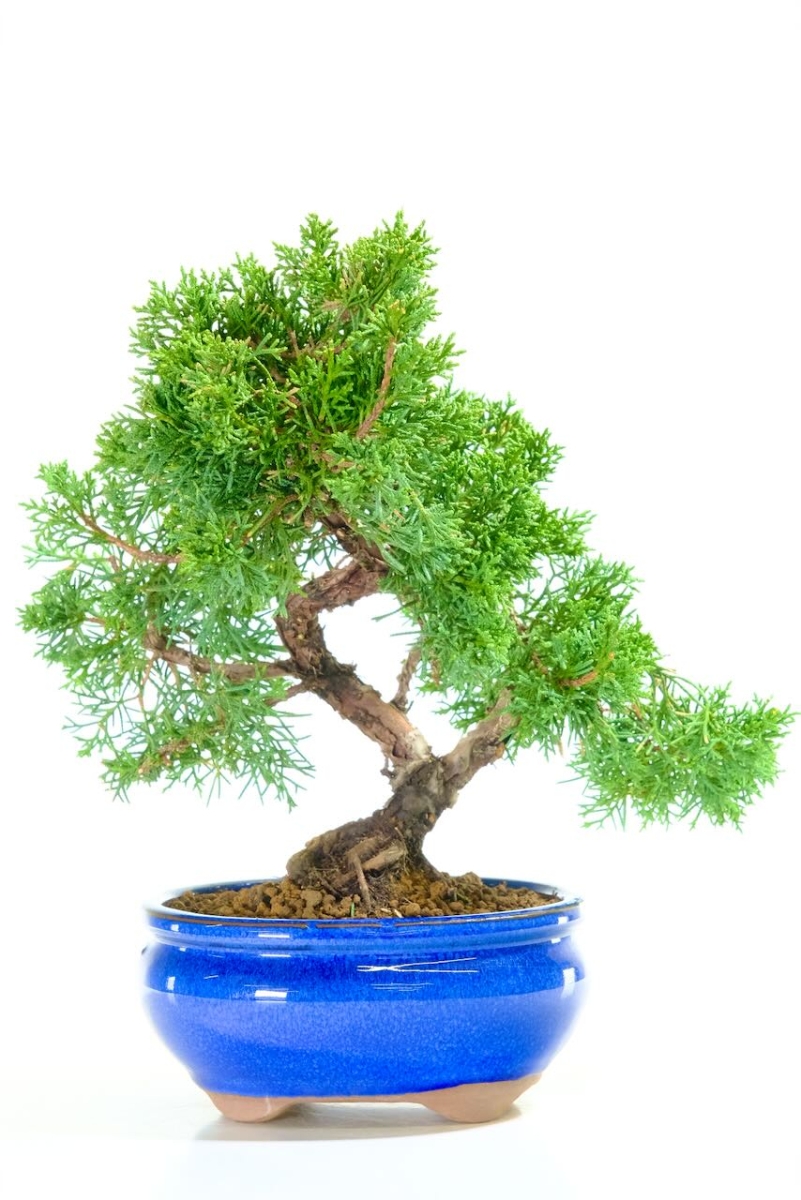
Juniper – A Classic Outdoor Beginners Bonsai Tree
Juniper bonsai (Juniperus chinensis) are among the most recognisable bonsai trees. They thrive outdoors and require plenty of fresh air and sunlight.
These evergreen trees became widely known after appearing in the Karate Kid films, where Mr Miyagi carefully pruned his bonsai.
Junipers feature beautiful reddish bark and fine foliage. In addition, their flexible branches make them excellent candidates for bonsai wiring techniques.
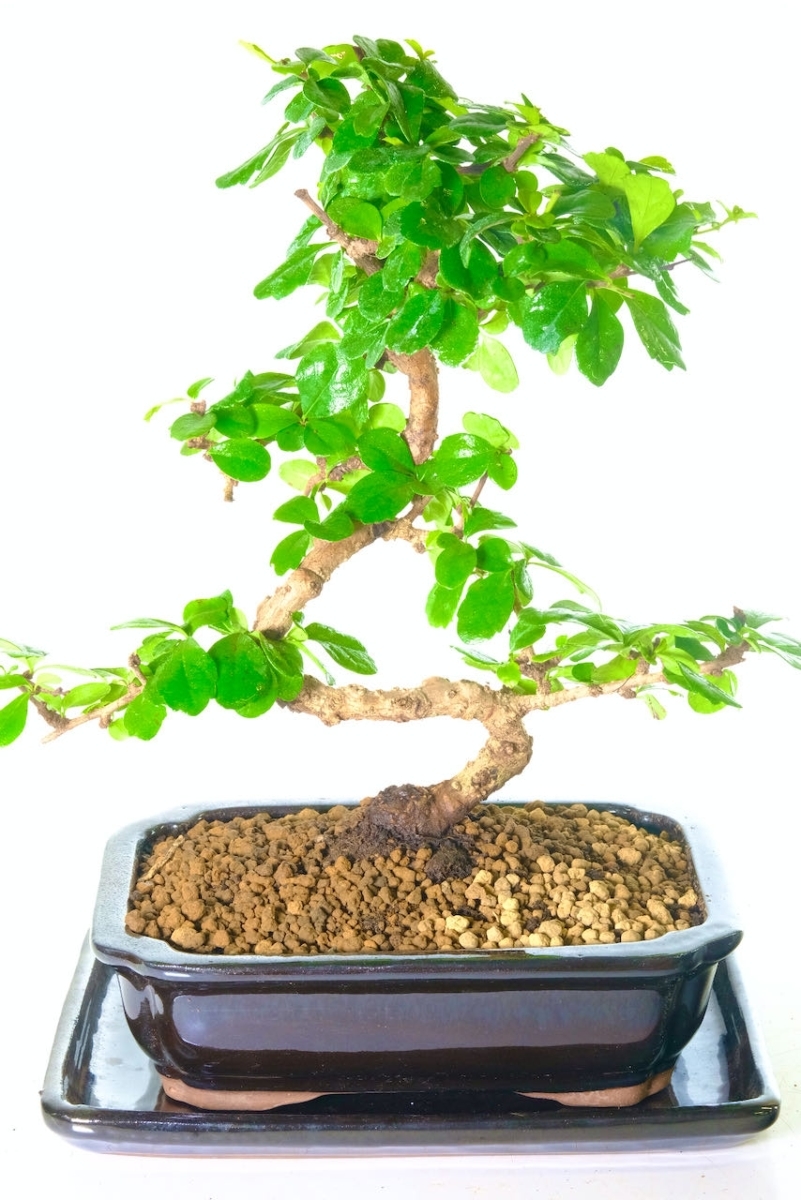
Carmona – A Decorative Beginners Bonsai Tree
Carmona bonsai, often called Fukien Tea, are popular indoor beginners bonsai trees because of their delicate white flowers and small glossy leaves.
When placed in a warm bright position, they develop dense evergreen foliage and produce small star-shaped blooms. Because they grow relatively slowly, they also maintain their shape well.
Beginners Bonsai Tree Care
Caring for beginners bonsai trees is much simpler than many people expect. Once you understand the basic principles of watering, light, and pruning, maintaining your bonsai becomes an enjoyable routine.
Taking a quiet moment each day to observe your tree also creates a calming connection with nature.
Watering Beginners Bonsai Trees

Watering is the most important part of caring for beginners bonsai trees.
Because bonsai grow in shallow containers, their soil dries out faster than normal houseplants. Therefore, you should water when the top layer of soil begins to feel slightly dry.
Rather than watering on a fixed schedule, check the soil daily. When watering, soak the soil thoroughly until water drains from the bottom of the pot.
Both overwatering and underwatering can harm a bonsai. Consequently, learning to recognise when your tree needs water is essential.
Light Requirements for Beginners Bonsai Trees
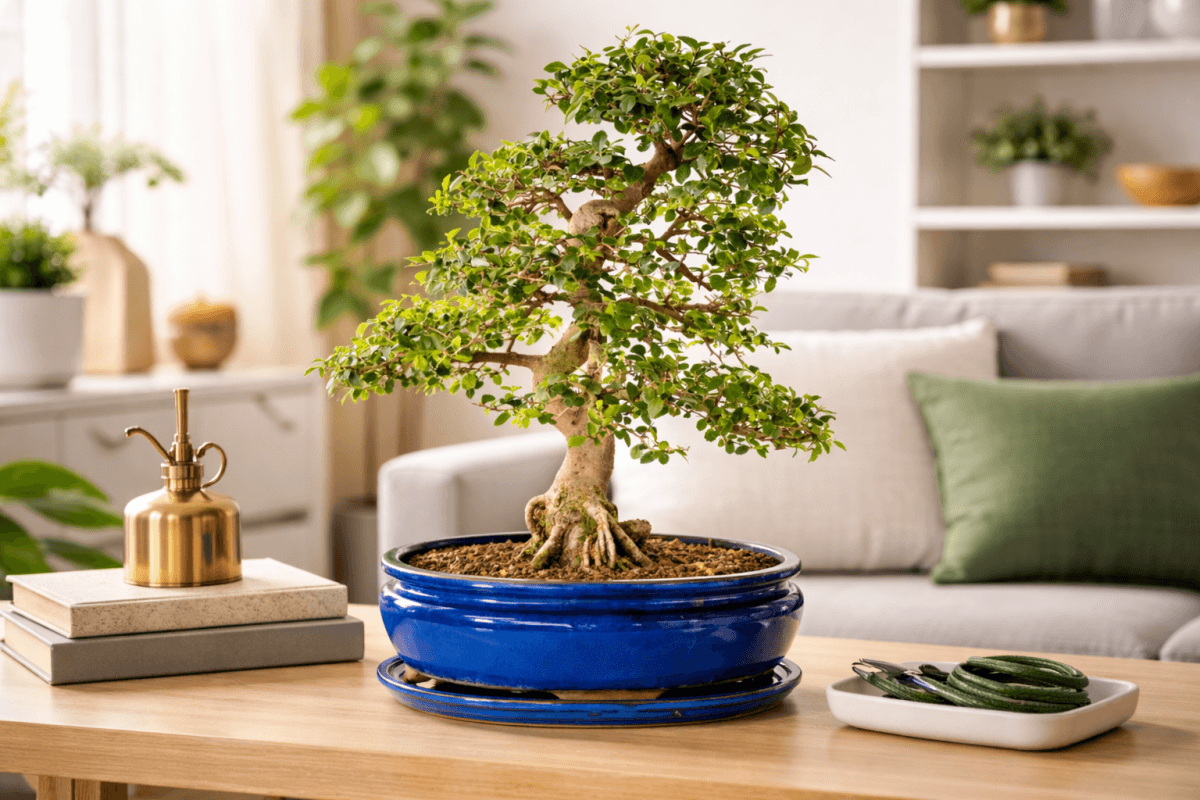
Most beginners bonsai trees require plenty of light in order to remain healthy.
Indoor bonsai should sit near a bright window where they receive several hours of natural light each day. South-facing windows are often ideal.
However, during very hot summer periods, avoid placing the tree where it may dry out quickly if you are away.
Outdoor bonsai typically prefer full sunlight and good air circulation. Therefore, place them in a sheltered location where they can experience natural seasonal changes.
Pruning Beginners Bonsai Trees
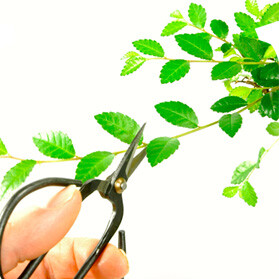
Pruning plays an important role in shaping beginners bonsai trees.
There are two main types of pruning:
Maintenance pruning, which keeps the tree tidy
Structural pruning, which shapes the overall design of the tree
Regular pruning also encourages back-budding. When you trim a branch tip, the tree redirects plant hormones further back along the branch. As a result, dormant buds begin to grow and produce new shoots closer to the trunk.
Consequently, the tree develops denser foliage and more refined branching.
Pruning also helps produce smaller leaves. Because the tree divides its energy between several new shoots rather than one long extension, each leaf becomes smaller and more proportional to the bonsai.
Repotting Beginners Bonsai Trees
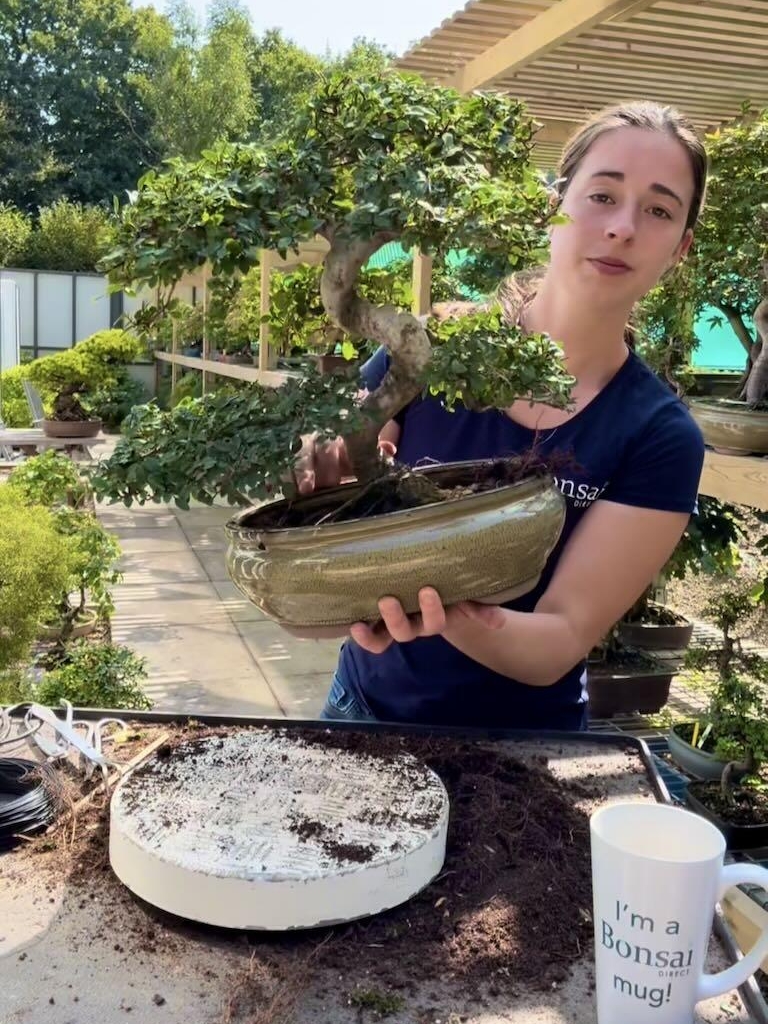
Because beginners bonsai trees grow in small containers, their roots eventually fill the pot. This condition is known as becoming “pot-bound.”
Most bonsai trees should be repotted or root-pruned every two to three years depending on the species and growth rate.
Repotting involves moving the tree into a slightly larger bonsai pot. This gives the roots more space and allows the tree to continue growing and developing.
Root pruning, however, involves trimming a portion of the roots and returning the tree to the same pot with fresh soil added around the edges. Growers often use this technique for older bonsai when they want to maintain the current size and proportions of the tree.
Common Beginners Bonsai Tree Mistakes
Many people struggle with bonsai simply because they are unfamiliar with the needs of beginners bonsai trees. Fortunately, avoiding a few common mistakes can make a huge difference.
Overwatering
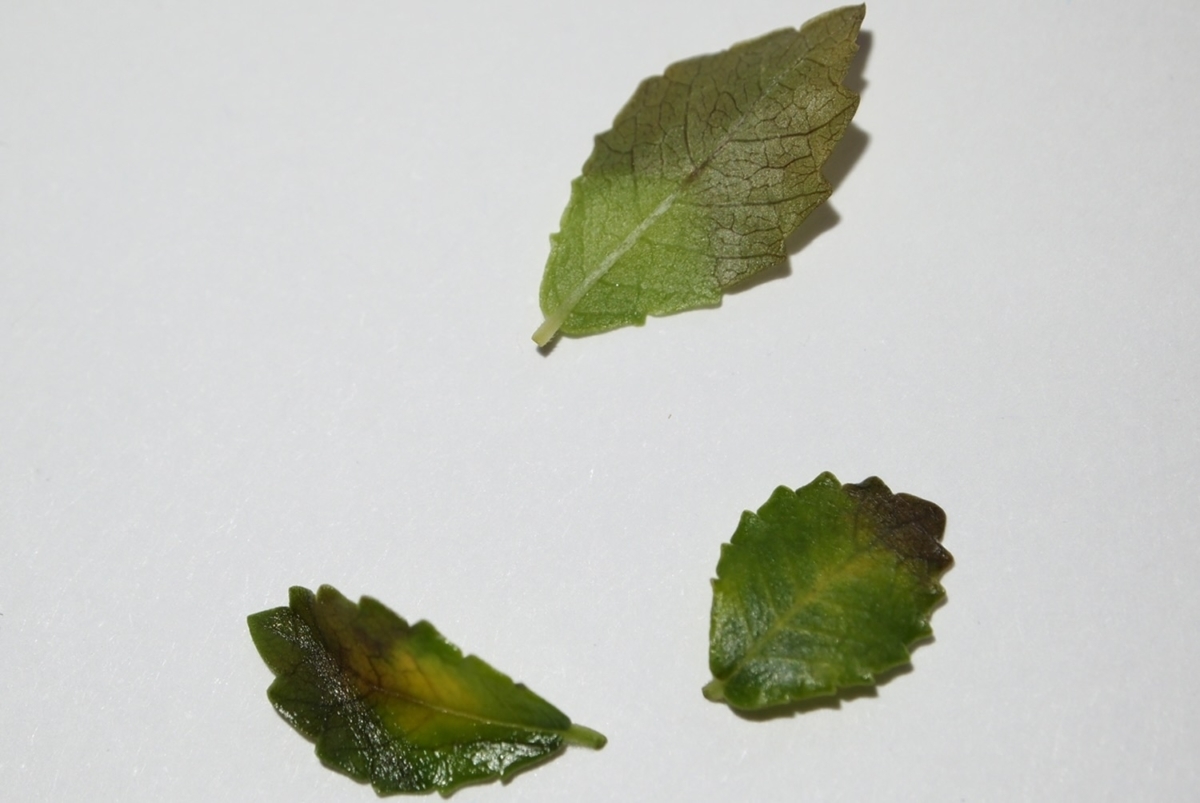
Overwatering can cause root rot and weaken the tree.
Often the first visible symptom is soft brown or black leaf tips. Because overwatering damage develops slowly, beginners sometimes miss the early signs.
Always check the soil before watering and only water when the top layer is slightly dry.
Insufficient Light
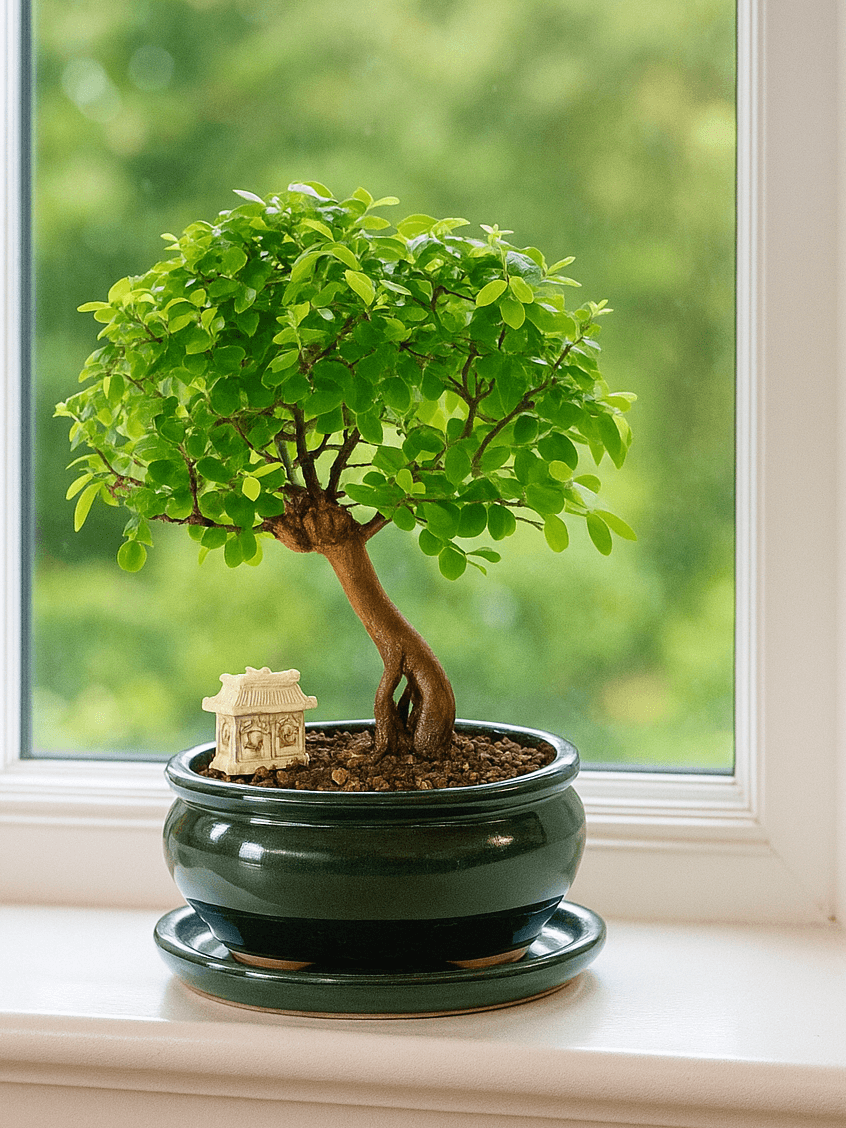
If a bonsai receives too little light, it may weaken and drop leaves.
A common sign is etiolation, where the plant stretches toward a light source. As a result, new shoots grow longer and thinner, and the internode distance (the space between leaves) increases.
In addition, leaves may become pale or yellow because the tree cannot produce enough chlorophyll without sufficient light.
Incorrect Soil
Standard houseplant compost is usually too dense for bonsai. Instead, use bonsai soil mixtures designed to provide excellent drainage and airflow.
Neglecting Pruning
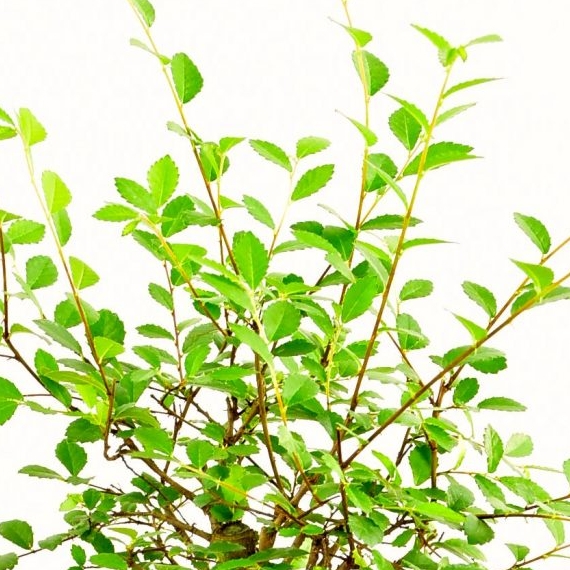
Without regular pruning, beginners bonsai trees quickly lose their shape and become untidy.
Pruning encourages back-budding and smaller leaves, which helps maintain the compact and refined appearance that bonsai trees are known for.
Choosing the Right Beginners Bonsai Tree
Selecting the right beginners bonsai tree depends on your environment, experience level, and personal preference.
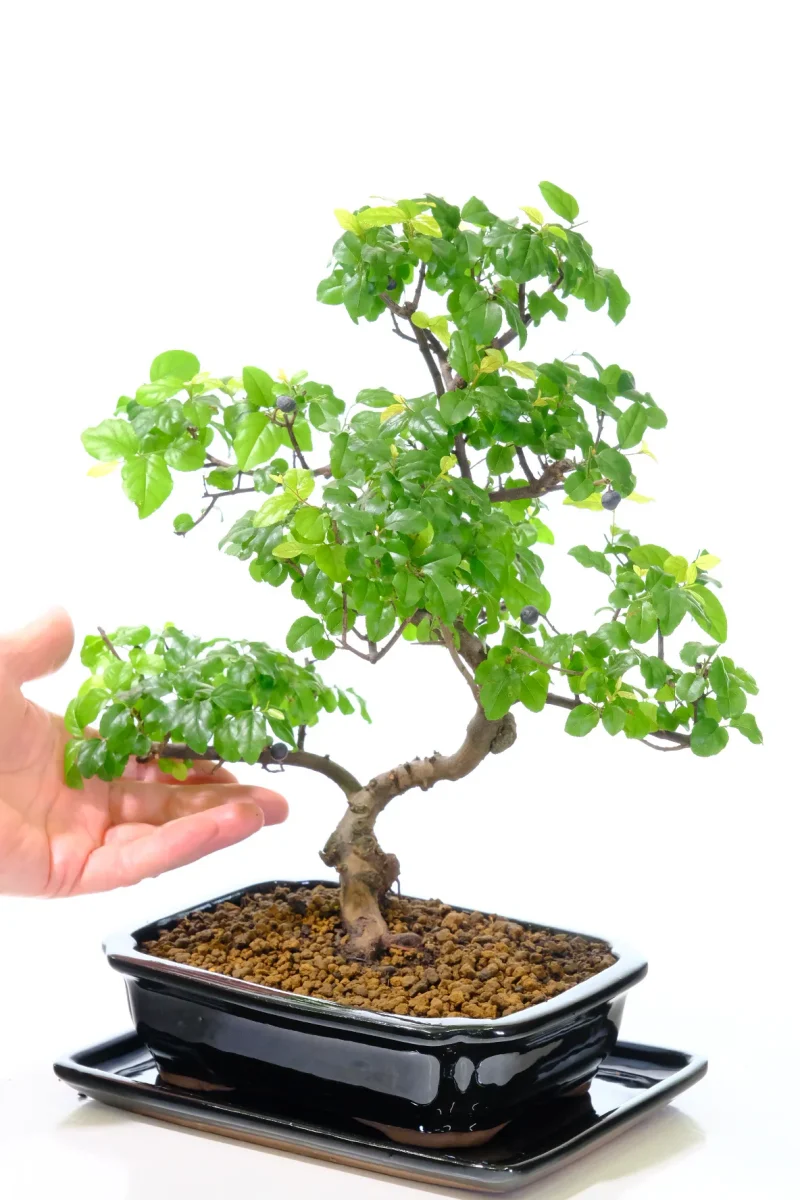
Indoor Beginners Bonsai Trees
Common indoor species include:
Ficus
Carmona
Chinese Elm
These trees tolerate indoor conditions and adapt well to household environments.
Outdoor Beginners Bonsai Trees
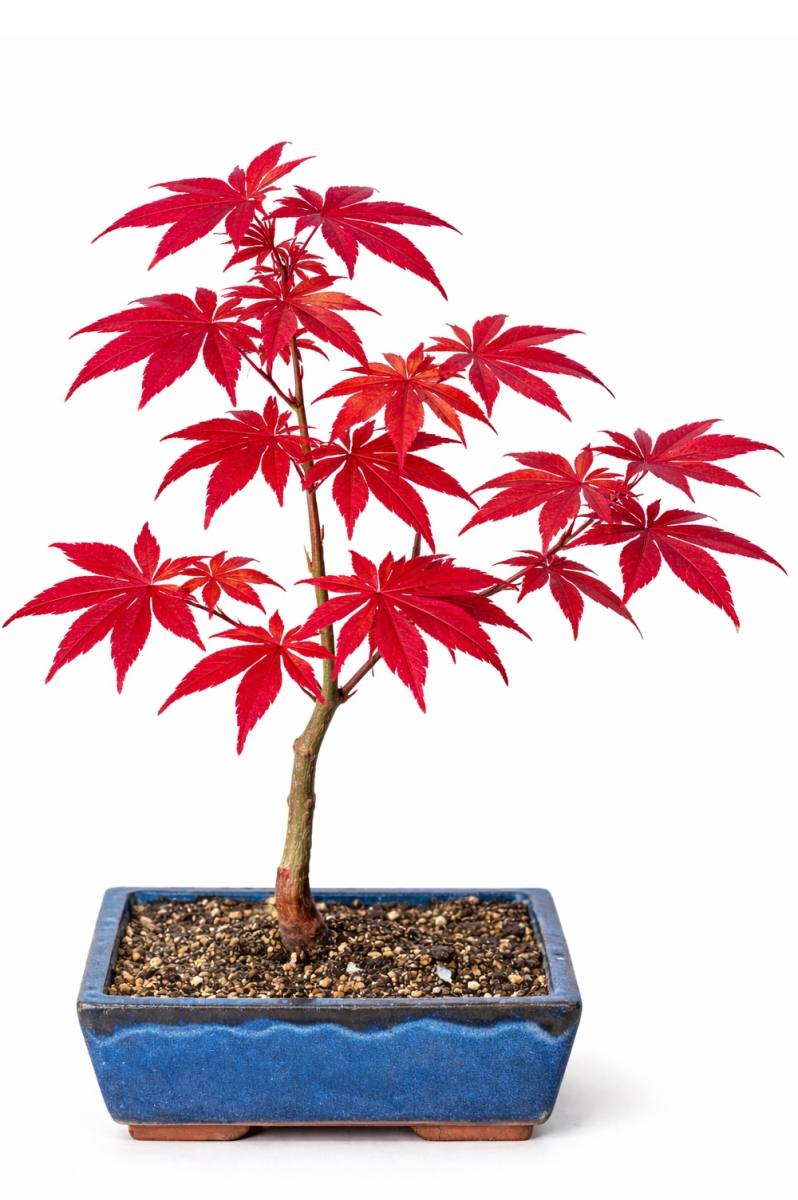
Outdoor bonsai species include:
Juniper
Pine
Maple varieties
These trees prefer natural seasonal changes and plenty of sunlight.
Size and Style of Beginners Bonsai Trees
Bonsai trees come in many sizes. Smaller bonsai work well on desks or shelves, while larger specimens create striking focal points.
Interestingly, slightly larger beginners bonsai trees are often easier to care for. Larger pots hold more soil and retain moisture longer, which reduces the risk of the tree drying out.
Additionally, larger bonsai are usually more mature and have stronger root systems. Therefore, they tolerate small care mistakes more easily.
Where to Buy Beginners Bonsai Trees in the UK

When purchasing a beginners bonsai tree, quality is extremely important. A healthy, well-established tree gives beginners a much better chance of success.
Specialist bonsai nurseries such as Bonsai Direct offer a wide range of beginners bonsai trees suitable for both new growers and experienced enthusiasts.
At Bonsai Direct, we also provide bonsai tools, soil, fertiliser, and starter kits. As a result, you can begin your bonsai journey with everything you need.
Start Growing Your First Beginners Bonsai Tree
Bonsai is far more than simply growing a plant. Instead, it is an art form that encourages patience, creativity, and mindfulness.
By choosing the right beginners bonsai tree and following a few simple care principles, anyone can enjoy the beauty and satisfaction of bonsai at home.
Whether you are buying your first bonsai or expanding your collection, exploring high-quality trees and supplies from Bonsai Direct is the perfect place to begin your bonsai journey.



0 replies