

Yes, the right bonsai species will make an excellent indoor plant. But not all bonsai will thrive indoors, so it’s worth knowing the difference before you buy.
Not all bonsai are suited to life indoors
This is where many people get caught out. “Bonsai” simply means a tree grown in a pot and trained into miniature form, it doesn’t tell you where that tree can live.
Bonsai made from temperate species (like maples, pines and junipers) are outdoor plants. They need the changing seasons, especially a winter rest period, to stay healthy. Keep them indoors for too long and they’ll weaken over time.
Indoor bonsai, on the other hand, are made from subtropical or tropical species that are happy in the consistent warmth of a home or office.
What makes bonsai a great indoor plant
A good indoor bonsai can bring a small slice of nature into your living space year-round. They look striking in almost any setting, on a bright desk, a sunny kitchen counter, or in a light-filled hallway.
When you choose the right species and follow a few simple care steps, indoor bonsai can be surprisingly easy to live with. Their compact size means they fit comfortably almost anywhere, adding beauty without needing much space.
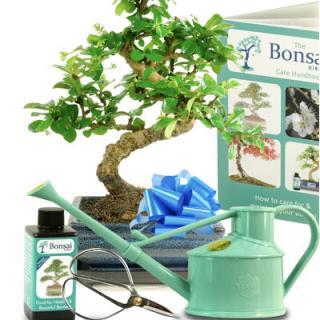
Best indoor bonsai species for beginners
At Bonsai Direct, these are our most popular indoor trees for first-time owners. They are all evergreen when grown indoors:
Chinese Elm Bonsai (Ulmus parvifolia or Zelkova serrata) – Hardy, forgiving, and attractive all year. Naturally very twiggy and really looks like a natural miniature tree that one would find in the woodland.
Ficus Bonsai – Glossy leaves, strong growth, and tolerates a range of indoor conditions. Perfect for those with lower light levels. Favourite attributes include the striated bark and amazing aerial roots.
Chinese Sweet Plum (Sageretia Bonsai) – Very pretty fruiting indoor species with lovely reddish tones to the new leaves and bark.
Carmona Bonsai (Fukien Tea) – Distinctive leaves, small white flowers in summer.
Aromatic Pepper Tree (Zanthoxylum bonsai) – Naturally tiny leaves in vivid green with zesty citrus fragrance when pruned.
Tree of a Thousand Stars (Serissa bonsai) – Dainty leaves & ice white star shaped flowers.
Ligustrum (Privet) – Fresh green foliage and a neat, compact shape. Fast growing & fun to shape.
Syzygium Bonsai (Roseapple or Myrtle Bonsai) – Small cherry-like bright red fruits and soft cream flowers with long stamens that create a star-burst effect
Money Tree Bonsai (Portulacaria) – Perfect for those who have little time as it requires minimal watering. Waxy gem like leaves and very easy care.
All of these are well-suited to indoor life in the UK, and we hand-style and care for them so they arrive in peak condition.
Care tips for indoor bonsai
Indoor bonsai aren’t demanding, but they do have specific needs:
Light – Most like a bright position with indirect sunlight.
Water – Water thoroughly when the soil starts to feel slightly dry.
Food – Use a bonsai fertiliser regularly throughout the year. Bonsai do keep growing—just more slowly—during the winter months, and in our experience, they do far better when fed all year round. It goes against a lot of the common advice out there, but we’ve found it’s truly the best approach.
Trim – Light trimming keeps the shape neat and encourages healthy growth.
You can find step-by-step guidance in our specific indoor bonsai care guide which is included with every bonsai tree.

Advice from our team
“The key to success with an indoor bonsai is choosing the right species for your home’s light levels and temperature. Once that’s right, regular watering and occasional feeding will keep it happy. We set up every customer with a healthy, well-shaped tree that’s ready to grow.” – The Bonsai Direct team
Related indoor bonsai questions
Can bonsai live indoors year-round?
Yes, if it’s a suitable indoor species and you provide enough light, water, and humidity, your bonsai will live happily for decades indoors.
Do indoor bonsai need special light?
No special equipment is needed. Place your bonsai in a bright spot in your home where it will get plenty of natural light, but avoid direct midday sun that can scorch the leaves, especially on hot summer days.
Are indoor bonsai low-maintenance?
They don’t require hours of work, but they do need a little regular attention. Once you know the basics of watering, feeding and pruning, care becomes a simple, enjoyable routine.
The short answer
Bonsai are wonderful indoor plants, as long as you pick a species designed for indoor life. Choose a healthy, hand-styled tree, give it the right spot and a little regular care, and it will reward you with beauty and character for years.
Ready to find your first or next bonsai? Browse our collection of indoor bonsai trees.



0 replies