


Leptospermum scoparium Bonsai: The New Zealand Manuka Tea Tree Guide
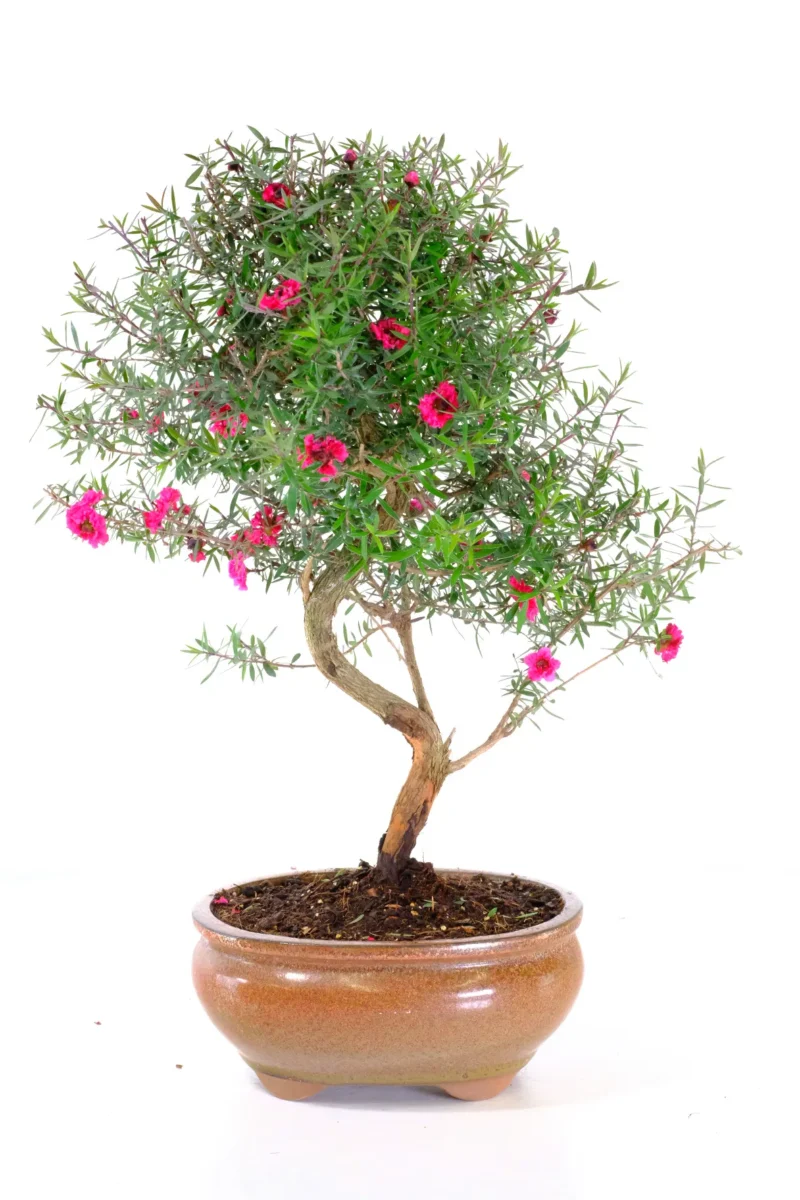
The Manuka Tea Tree Bonsai
Few flowering bonsai species combine elegance, cultural significance, and seasonal beauty quite like Leptospermum scoparium. Commonly known as the New Zealand Manuka Tea Tree, this remarkable bonsai is admired for its delicate foliage, vibrant flowers, and fascinating history.
Native to New Zealand and parts of Australia, the Manuka Tea Tree has earned worldwide recognition thanks to its association with famous Manuka honey. However, as a bonsai, it offers far more than just an interesting backstory. With its naturally twisting trunk, fine leaves, and spectacular flowering display, Leptospermum scoparium has become one of the most distinctive flowering bonsai species available.
What Is a Leptospermum scoparium Bonsai?
Leptospermum scoparium belongs to the Myrtle family and grows naturally as a shrub or small tree throughout New Zealand and south-eastern Australia.
As a bonsai, it develops exceptional character. Mature specimens often display attractive movement within the trunk, creating a sense of age and refinement. The naturally small leaves scale beautifully, making it particularly well suited to bonsai cultivation.
Unlike many flowering bonsai species, the Manuka Tea Tree remains attractive throughout the year. Even when not in bloom, its dense evergreen foliage creates a refined silhouette that brings interest to any garden or bonsai collection.
The Spectacular Flowers of the Manuka Tea Tree
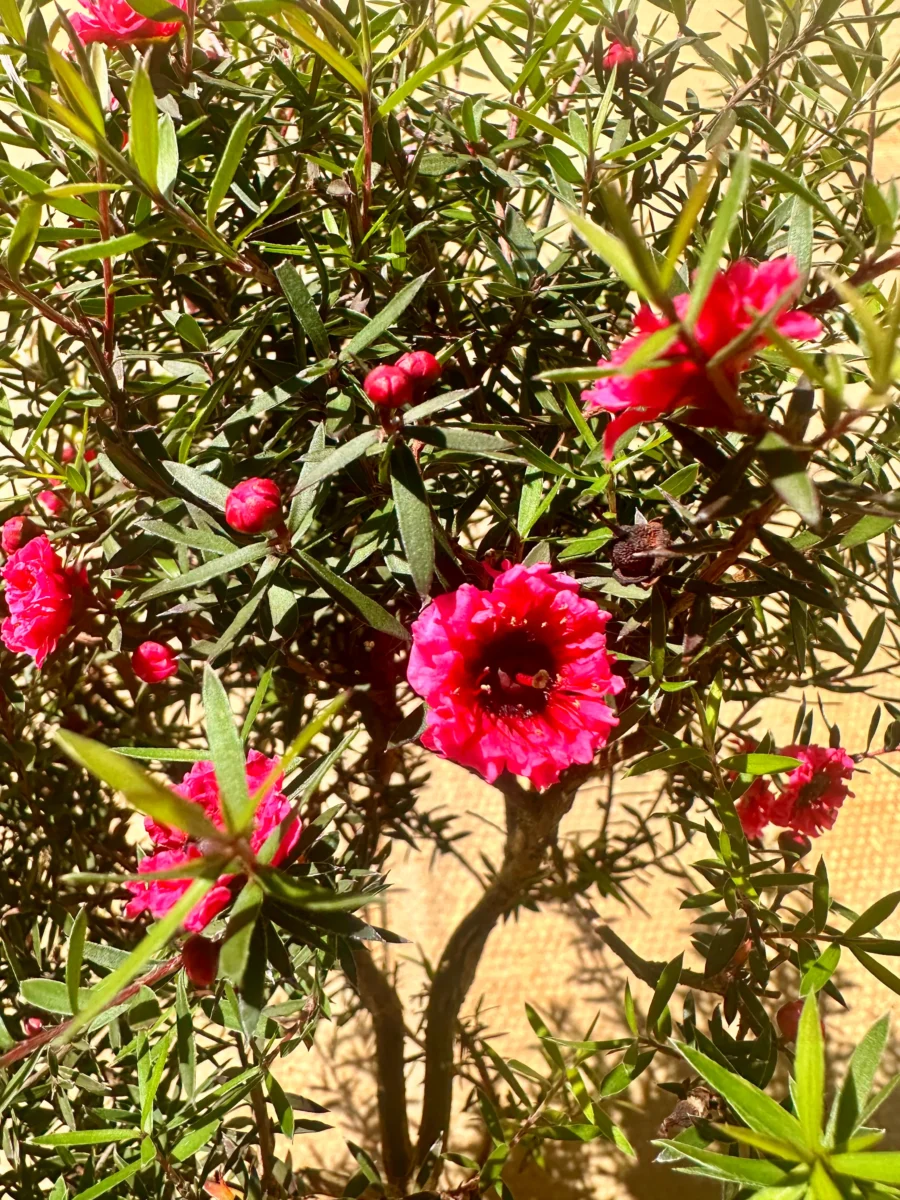
One of the greatest attractions of a Leptospermum scoparium bonsai is its flowering display. During late winter and early spring, clusters of tiny buds begin to develop along the branches. As temperatures rise, these gradually open into beautiful waxy flowers that often cover much of the tree.
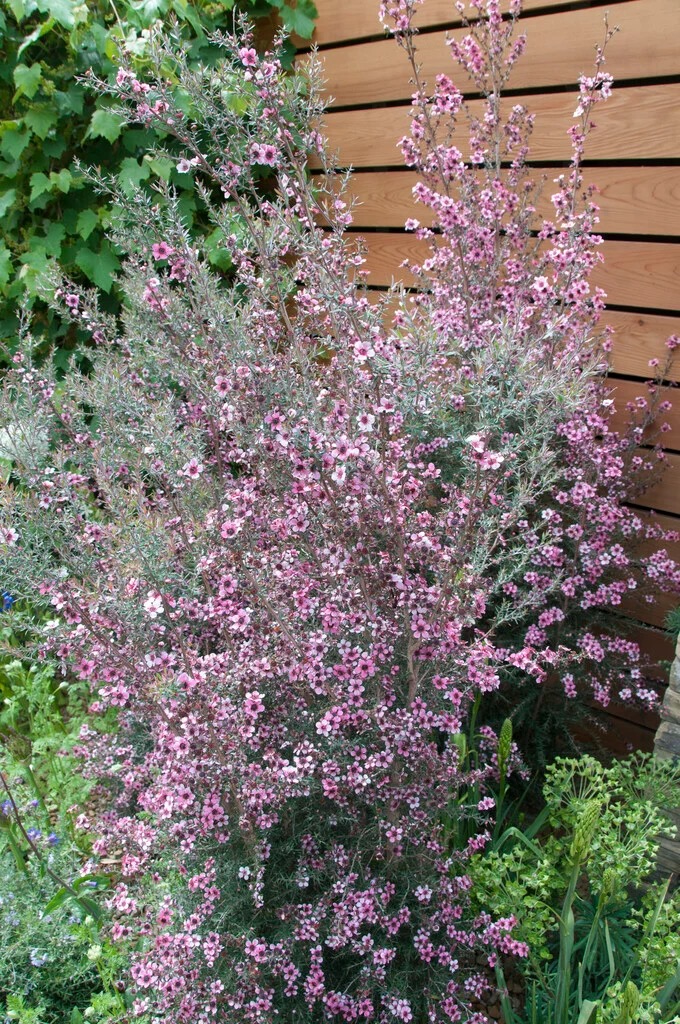
Depending on the variety, flowers can range from white through to deep pinks and rich cerise-red shades. Double-flowering cultivars are especially prized, producing spectacular blooms that transform the bonsai into a living work of art.
The flowers often appear along entire branch sections, creating an effect that few other bonsai species can match.
The Connection to Famous Manuka Honey
The Manuka Tea Tree is best known worldwide for its role in producing Manuka honey. Honey bees collect nectar from the flowers, creating the distinctive honey valued for its natural antibacterial properties. This association has helped make the tree one of New Zealand’s most important native species.
While your bonsai won’t produce jars of honey, it still carries the same fascinating heritage and ecological importance as its wild counterparts.
The Cultural Significance of the Manuka Tree
For generations, Māori communities have utilised various parts of the Manuka Tree.
The leaves contain naturally aromatic oils that were traditionally used for medicinal purposes. The wood was valued for carving, tool making, and practical everyday uses. Even the sawdust was used to smoke and preserve food.
As a result, the Manuka Tea Tree represents a deep connection between people, nature, and traditional knowledge.
Today, many bonsai enthusiasts appreciate the species not only for its beauty but also for its rich cultural heritage.
What Does a Leptospermum scoparium Bonsai Symbolise?
The symbolism of the Manuka Tea Tree is particularly meaningful. Because of its connection with healing oils and Manuka honey, it is often associated with:
- Healing
- Wellbeing
- Protection
- Strength
- Endurance
- Resilience
In its natural habitat, the tree often thrives in exposed coastal environments where other plants struggle. This ability to flourish under challenging conditions reinforces its symbolism of perseverance and determination.
For this reason, a Leptospermum bonsai can make a thoughtful gift for someone overcoming challenges or beginning a new chapter in life.
Growing a Leptospermum scoparium Bonsai
Despite its refined appearance, the Manuka Tea Tree is relatively straightforward to care for when its basic requirements are met.
Position
Place your bonsai outdoors in a bright location with full sun to partial sun.
Sunlight encourages healthy growth, compact foliage, and abundant flowering.
Watering
Water thoroughly whenever the top layer of soil begins to feel dry.
Avoid allowing the soil to remain permanently wet, as the species dislikes waterlogged conditions. Good drainage is essential for maintaining healthy roots.
Feeding
Apply bonsai fertiliser weekly throughout the growing season, from spring until early autumn.
Consistent feeding supports vigorous growth and encourages a strong flowering display.
Pruning
Prune after flowering to maintain the desired shape and encourage fresh branching.
Regular maintenance helps preserve the refined structure that makes this species so attractive as a bonsai.
Winter Protection
Although reasonably hardy, Leptospermum scoparium benefits from protection during cold weather.
An unheated greenhouse, cold frame, or conservatory provides ideal winter protection. While mature specimens may tolerate temperatures down to approximately -3°C, prolonged frost should be avoided.
Repotting
Repot every two to three years during spring.
Use a free-draining bonsai compost to ensure healthy root development and prevent water logging.
Why We Love Manuka Bonsai at Bonsai Direct
At Bonsai Direct, the Manuka Tea Tree remains one of our favourite flowering outdoor bonsai species. It offers everything we look for in a bonsai:
- Fine foliage
- Elegant structure
- Beautiful flowers
- Fascinating history
- Meaningful symbolism
- Year-round interest
Most importantly, it possesses real personality. There is something incredibly rewarding about watching the branches fill with buds before suddenly erupting into masses of cerise-red flowers. Every year feels like a celebration.
For anyone seeking a hardy flowering bonsai that combines beauty, history and character, Leptospermum scoparium is difficult to surpass. It is a tree that rewards patience, attracts attention and never fails to make us smile when it comes into flower.
For bonsai enthusiasts seeking something both beautiful and meaningful, the New Zealand Manuka Tea Tree remains an exceptional choice.
Related Content
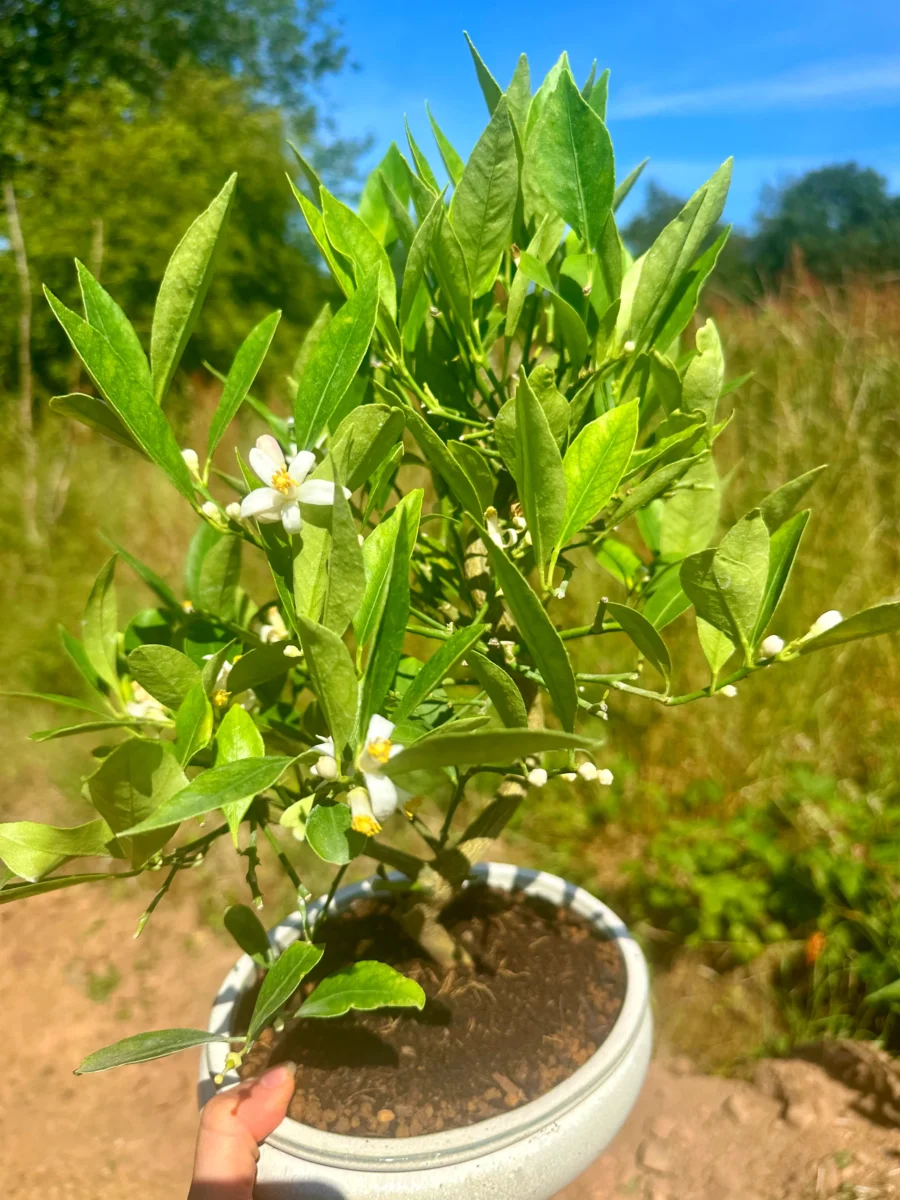
Citrus Bonsai Trees: A Complete Guide to Lemon and Orange Bonsai Trees
Discover the beauty of citrus bonsai with our complete guide to Bonsai Lemon Trees (Citrus limon) and Bonsai Orange Trees (Citrus kinzu). Learn about their fragrant white flowers,…
Read More
Podocarpus Bonsai Tree | The Truth About the Buddhist Pine Bonsai
Discover why the Podocarpus Buddhist Pine (Podocarpus macrophyllus) is one of the world's most revered evergreen bonsai. Learn how to grow it successfully, why we recommend growing it…
Read More
Cork Oak Bonsai (Quercus suber) – The Evergreen Bonsai with Remarkable Cork Bark
Discover why the Cork Oak Bonsai (Quercus suber) is one of the world's most remarkable evergreen bonsai trees. Famous for its extraordinary cork bark, rugged character, evergreen foliage…
Read More
Bonsai: The Complete Beginner’s Guide
Discover the fascinating world of bonsai with our complete beginner's guide. Drawing on around 40 years of commercial growing experience, we explain what a bonsai tree is, how…
Read More
Pyracantha Bonsai Trees – The Spectacular Firethorn Bonsai with Flowers, Berries and Year-Round Interest
Discover why the Pyracantha Bonsai Tree (Firethorn) is one of the most spectacular outdoor bonsai species. With masses of spring flowers, vibrant autumn berries, evergreen foliage and year-round…
Read More
Pomegranate Bonsai Trees (Punica granatum) – Ancient Beauty, Fiery Flowers and a Living Connection to the Mediterranean
Discover why the Pomegranate Bonsai Tree (Punica granatum) is one of the most rewarding flowering bonsai species. With vibrant orange-red flowers, fascinating fruits, attractive bark and rich Mediterranean…
Read More
Crab Apple Bonsai Trees (Malus sylvestris) – Four Seasons of Beauty in One Remarkable Bonsai
The Crab Apple bonsai tree is a gorgeous variety which has fragrant white and pink flowers during spring. Through summer and autumn, you might see a display of…
Read More
Japanese Maple Bonsai (Acer palmatum): The Complete Care Guide
Discover Japanese Maple Bonsai Trees for sale. Learn about the care, whether you can keep them indoors, and if they are suitable for beginners.
Read More
Thank you Amber for your help, flexibility & advice to process my order today.
Have a good day
Looking forward to receiving the bonsai kit
Kind Regards
John