

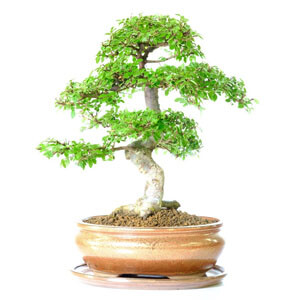
A question we get asked all the time is, which bonsai is best for beginners? So let’s talk about it. Starting your bonsai journey can be both exciting and a little overwhelming. With so many tree varieties and styles to choose from, knowing where to begin is often the biggest challenge. Fortunately, selecting the right tree can make all the difference. For most beginners, the Chinese Elm Bonsai (Ulmus parvifolia) stands out as the ideal choice for indoors as being the best bonsai tree for beginners. Another great choice is the Ficus bonsai. Highly regarded for its ease of care, aerial roots and bright glossy leaves. The Ficus is best grown as a slightly larger bonsai as the leaves are bigger and the proportions look better when a Ficus is bigger.
Why Choose a Chinese Elm Bonsai?
The Chinese Elm is one of the most popular bonsai species we grow, and for good reason. With its twiggy structure, fine branches, and perfectly proportioned leaves, it looks just like a miniature tree in nature. It’s hardy, adaptable, and responds well to pruning and shaping, which makes it a fantastic teacher for anyone starting out.
Whether kept indoors or outdoors, the Chinese Elm thrives in a variety of conditions. Its forgiving nature means beginners can experiment with styles and techniques while still enjoying a bonsai that looks elegant and authentic. Top tip – Please protect from hard frosts.
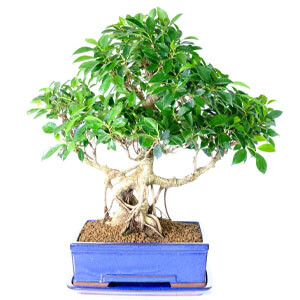
Why Choose a Ficus (Banyan) Bonsai?
The Ficus is widely regarded as one of the most beginner-friendly bonsai species, thanks to its resilience and adaptability. It tolerates a range of indoor conditions and is forgiving of many common beginner mistakes. Whether it’s an occasional missed watering, less-than-perfect lighting, or pruning errors, the Ficus often recovers quickly and continues to thrive.
Beyond its hardiness, the Ficus boasts an elegant appearance with lush green foliage and a sturdy, graceful trunk. Its flexible branches make it particularly well-suited for learning essential bonsai techniques such as wiring and shaping. In short, it’s a beautiful, low-maintenance tree that offers enough room for beginners to grow their skills.
Other Beginner-Friendly Bonsai Species
If the Chinese Elm or Ficus doesn’t quite fit your preference, these species are also excellent for beginners:
- Carmona Bonsai: Extremely popular evergreen indoor flowering bonsai tree with white summer blooms. The Carmona bonsai has the added benefit of requiring a little less water (just keep the soil damp). It does however, like a warm room.
- Jade Plant: A succulent bonsai with minimal watering needs, perfect if you prefer very low-maintenance care.
- Juniper Bonsai: A classic outdoor bonsai with striking evergreen foliage, best suited to outdoor environments with ample light (not ideal if you don’t have outdoor space).
Essential Care Tips for a Healthy Beginner Bonsai
Caring for a bonsai might seem complicated, but with a Chinese Elm or Ficus bonsai tree, the basics are straightforward:
- Light: Bright, indirect light is best. A spot near a sunny window is ideal. If natural light is limited, a grow light can help.
- Water: Allow the top layer of soil to dry slightly before watering again. Avoid overwatering (a common mistake), as soggy soil can harm the roots.
- Humidity: Chinese Elm will cope with average indoor humidity, but occasional misting — especially when the heating is on — can improve foliage health.
- Pruning: Regular pruning maintains shape and encourages fuller growth. Don’t hesitate to trim, it responds well and recovers quickly.
- Feeding: Feed weekly throughout the year with diluted Bonsai Direct Fertiliser.
Final Thoughts about Which is The Best Bonsai Tree for Beginners
For beginners seeking an elegant, resilient, and easy-to-care-for bonsai, the Chinese Elm is an outstanding choice. It gives you that perfectly proportioned “miniature tree” look while offering the hardiness to learn and grow. With patience and consistent care, your bonsai can become a stunning living artwork, and a source of lasting satisfaction.
The Ficus bonsai will always be popular as it is so easy to care for and very suitable to darker positions. Additionally, I love the aerial roots and silvery striations on the bark of the Ficus bonsai tree.
If I am totally honest the Chinese Elm/Zelkova gets my vote. This is because it is so representative of a woodland tree and it’s faster growing. I enjoy pruning and find it relaxing, so would pick the Elm bonsai. For those who are already stretched for time, I would recommend the Ficus.
Are Our Bonsai Trees Beginner-Friendly?
Absolutely. At Bonsai Direct, we carefully select and nurture bonsai trees that are well-suited to beginners. Many of our trees, such as the Chinese Elm and Ficus, are forgiving, adaptable, and resilient — perfect for learning the basics without being overwhelmed. Each tree comes with a printed care guide, and our team is always available for advice, making the journey smooth and enjoyable. Whether you’re gifting a bonsai or starting your own collection, you can feel confident knowing our trees are chosen with beginners in mind.
We also make a conscious decision to only grow species that thrive in our UK climate. Unlike some suppliers, we avoid “difficult” bonsai species that are harder to care for. Our goal is to give you the very best chance of success, so your first bonsai experience is positive, rewarding, and enjoyable.
Can Bonsai Grow in the UK?
Yes, bonsai thrive in the UK with the right care and placement. Popular indoor species such as the Chinese Elm, Ficus, and Carmona adapt well to average UK homes, while hardy outdoor varieties like Junipers, Maples, and Pines are well-suited to our climate. Indoor bonsai benefit from a bright windowsill (avoiding direct sun in mid-summer), while outdoor bonsai enjoy the seasonal changes of the UK weather. Just remember to protect outdoor bonsai from severe frosts and keep indoor trees away from radiators and draughts. With these small considerations, bonsai can flourish beautifully here.
Can You Bonsai Any Tree for Beginners?
In theory, almost any tree species can be grown as a bonsai — but not all are practical for beginners. Some species are very slow-growing, delicate, or require highly specialised care, which can be discouraging when you’re just starting out.
For beginners, it’s best to choose from the bonsai varieties we grow and offer on our website. These trees, such as the Chinese Elm and Ficus, are tried-and-tested, reliable, and well-suited to learning. They respond well to pruning and shaping, grow steadily, and recover quickly from mistakes.
We recommend avoiding seed kits as a starting point. While they may look appealing, many bonsai species are extremely difficult to germinate from seed and are more successfully grown from cuttings. This can make seed kits frustrating and disillusioning, leaving beginners without the rewarding experience they hoped for. Starting with a healthy, beginner-friendly bonsai gives you the very best opportunity for success and enjoyment.



0 replies