

Expert Advice About Juniper Bonsai Trees from Lloyd Noall
Hello, I’m Lloyd Noall—founder of Bonsai Direct and a professional bonsai grower since 1995. My passion for bonsai started as a teenager and over the past four decades, I’ve raised tens of thousands of trees and helped countless enthusiasts learn the art of bonsai. I’ve worked with most species, but few are as iconic—or as misunderstood—as the juniper bonsai. In this guide, I’ll answer some of the most common questions about juniper care, their aesthetics, and why they hold a special place in the bonsai world.
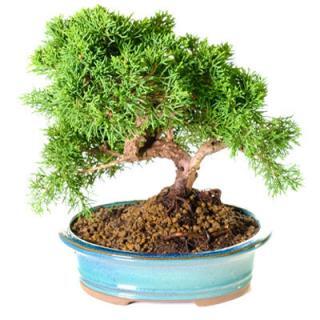
Can Juniper Bonsai Trees Be Kept Indoors?
A frequent question—especially from newcomers—concerns whether junipers can live indoors. The answer is simple: No juniper bonsai are outdoor trees and truly thrive only when exposed to the natural rhythm of the seasons. They need plenty of direct sunlight, fresh air, and temperature variations to remain healthy.
While you can bring a juniper bonsai indoors for brief periods (such as for display during special occasions), long-term indoor placement will eventually weaken and kill the tree, even with grow lights and careful attention. That’s why we at Bonsai Direct always advise keeping your juniper outdoors year-round, moving it to a sheltered spot if particularly harsh winter weather is forecast.
If you’re looking for an indoor bonsai, I’d recommend a Chinese Elm, Ficus, Sageretia or Carmona (Fukien Tea) Bonsai instead.
Is Juniper Bonsai Easy to Grow?
Yes—Juniper bonsai are particularly easy to care for, making them an excellent choice for beginners, provided you grow them outdoors.
They are:
Resilient and forgiving with pruning and shaping. They are extremely hardy and cope well with periods of slight under-watering.
Able to thrive in a wide range of UK weather conditions. These trees are remarkably tough, handling the extremes of both hot summers and cold winters in the UK with ease.
Responsive to bonsai training techniques like wiring and jin/shari (deadwood styling) due their flexible supple branches when young.
How Do You Care for a Juniper Bonsai?
These are the tried-and-true tips I’ve perfected over four decades of working with bonsai:
Light: Place your juniper bonsai in a bright, outdoor spot where it receives several hours of direct sun daily. It is very happy in full sun.
Ideal location: A sunny patio, balcony, or garden.
Watering: Let the soil become just slightly dry between waterings. Junipers dislike “wet roots” and are much more vulnerable to root rot from overwatering than under-watering. In summer, check the soil daily; in winter, watering needs will drop significantly. Water thoroughly when the soil begins to dry. Don’t allow it to become bone dry, but also avoid keeping it soggy.
Humidity: These trees appreciate good air flow and humidity. Proper soil drainage remains key. Use a good quality soil such as Akadama or Kiryu.
Feeding: During the growing season (early spring to early autumn), feed with a liquid bonsai fertiliser once per week or a slow-release feed as per instructions. Pause feeding in winter during the tree’s natural rest period. You can use a slow release bonsai fertiliser but liquid bonsai feeding is always best practice.
Pruning: Lightly pinch out new shoots with your fingers to maintain the tight, compact foliage pads that Junipers are known for.
Repotting: Younger trees benefit from repotting every 3–5 years to refresh the soil and trim roots. Older, established trees need less frequent repotting.
Winter care: In severe cold, move your tree to a sheltered area, such as an unheated greenhouse or next to a house wall. Most junipers are frost-hardy, but protection is a good idea during extended freezes.
Avoid Indoor Placement: Remember—junipers must live outside for optimal health. Only bring your bonsai indoors for a day or two at a time.
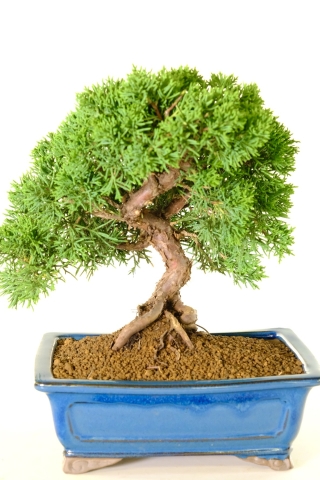
Main Aesthetics of Juniper Bonsai
Part of what makes juniper bonsai so beloved are their unique aesthetics:
Twisted, gnarled trunks: Even young specimens often show the visual drama that makes mature junipers look centuries old.
Distinctive foliage: Depending on the species, foliage may be needle-like or scale-like, ranging in colour from deep green to blue-green.
Textured bark: The peeling reddish bark and gnarled trunklines give older Juniper bonsai a wild, ancient appearance—highly sought-after in bonsai aesthetics.
Deadwood features: Junipers naturally adapt to deadwood styling—jins (stripped branches) and sharis (bared trunk sections)—representing the effects of sun, wind, and time.
Versatile bonsai styles: Junipers are showcased in classic forms including informal upright, cascade (Kengai), slanting, twin trunk, and windswept (Fukinagashi), perfectly capturing the wild spirit of trees shaped by nature.
Fascinating Facts About Juniper Bonsai
- They live for generations
With the right care, a juniper bonsai can live for over 100 years. Many are passed down through families, becoming treasured heirlooms with stories of their own. - Full of meaning
Across different cultures, junipers are seen as symbols of strength, wisdom, and resilience—qualities that reflect their ability to thrive outdoors all year round. - They smell amazing
Gently rub the foliage and you’ll get a fresh, woody scent. The scent of juniper trees is crisp, clean, and invigorating—often described as a natural blend of pine, citrus, and spice. It has a sharp, woody aroma with subtle hints of fresh resin and green needles. When you prune your juniper bonsai or gently crush its leaves, you release a scent that’s both refreshing and grounding, evoking mountain air, forest walks, and wild landscapes. It’s a scent that feels both ancient and alive—cool, clear, and unmistakably wild. - A global favourite
Junipers, especially the Chinese juniper (Juniperus chinensis) and Shimpaku varieties, are loved by beginners and experts alike. Their beautiful structure and reliable nature make them one of the most popular bonsai trees in the world.
The Chinese Juniper: Made Famous by Mr. Miyagi in The Karate Kid
The Chinese Juniper bonsai gained worldwide recognition and popularity thanks in part to its iconic appearance in the Karate Kid movies. In the original 1984 film, Mr. Miyagi, the wise and gentle bonsai master, is often seen caring for a beautifully styled Chinese Juniper bonsai. These scenes introduced millions of viewers to the art of bonsai and left a lasting impression on generations of fans.
Mr. Miyagi’s quiet, focused pruning and deep respect for his bonsai symbolised patience, balance, and inner peace—core values in both bonsai cultivation and martial arts. The tree he tended in the movie is widely believed to be a Chinese Juniper.
Thanks to Mr. Miyagi’s influence, the Chinese Juniper became the quintessential bonsai tree in the eyes of many, inspiring enthusiasts around the world to start their own bonsai journey.
Final Thoughts from Lloyd
If you’re passionate about bonsai and want a tree that’s hardy, visually stunning, and rich in tradition, the Juniper bonsai is an outstanding choice—but only if you can commit to growing it outdoors.
I’ve worked with Junipers for over 40 years, and I still find them rewarding, inspiring, and endlessly creative. From classic upright forms to wild, windswept styles, the Juniper offers something truly special for every grower.


0 replies