

Bonsai root rot is a common problem bonsai growers face — and one of the most preventable.
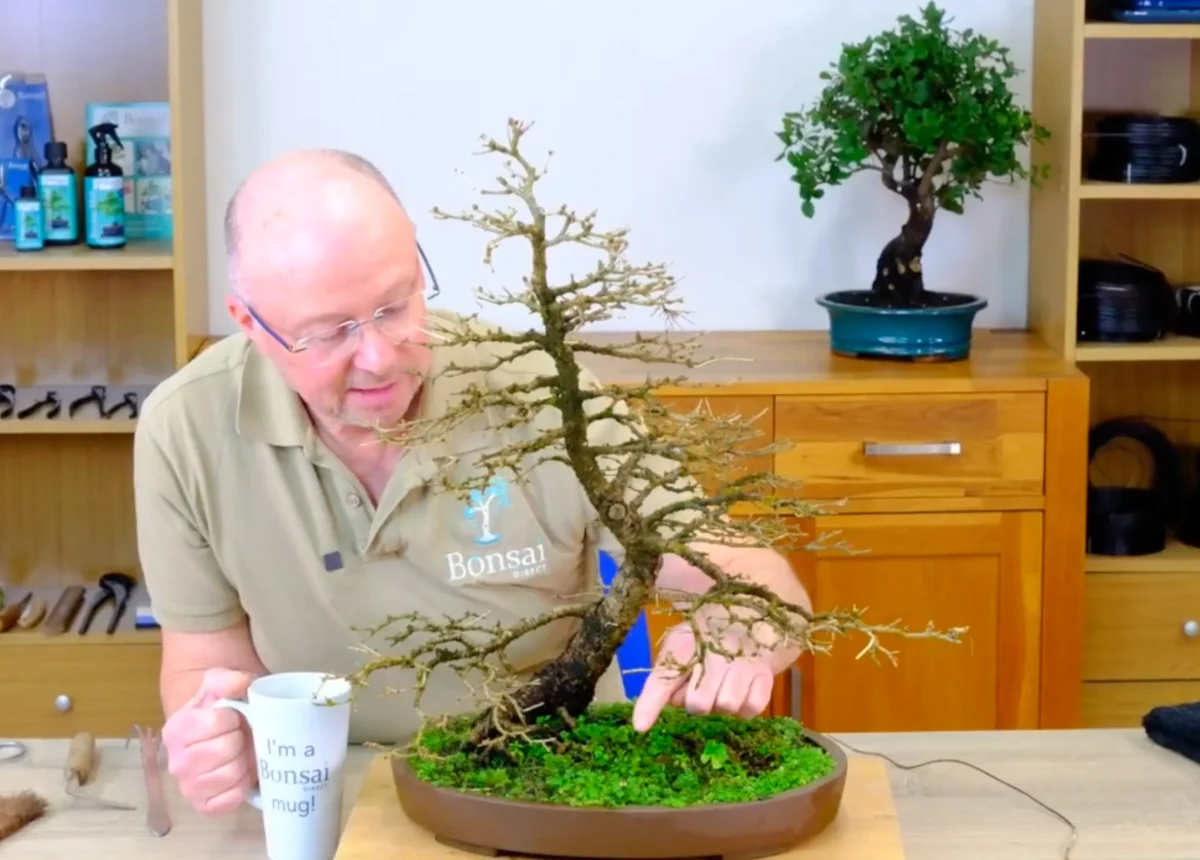
If your bonsai feels unstable in its pot, stays wet for too long, or shows signs of weakening foliage, root rot may be developing beneath the surface. The good news? If caught early, it can be treated successfully.
In this guide, we’ll explain:
- What bonsai root rot is
- What causes root rot in bonsai
- How to identify rotten roots
- How to fix bonsai root rot
- How to prevent it from happening again
What Is Bonsai Root Rot?
Bonsai root rot occurs when roots sit in overly wet, poorly aerated soil for extended periods. Contrary to popular belief, root rot isn’t simply caused by “too much water” — it’s caused by a lack of oxygen around the roots.
Healthy roots require air spaces within the soil. When soil becomes compacted or waterlogged, oxygen levels drop and roots begin to die. Fungal pathogens may then attack the weakened roots, accelerating decay.
If untreated, bonsai root rot can severely weaken or even kill a tree.
What Causes Bonsai Root Rot?
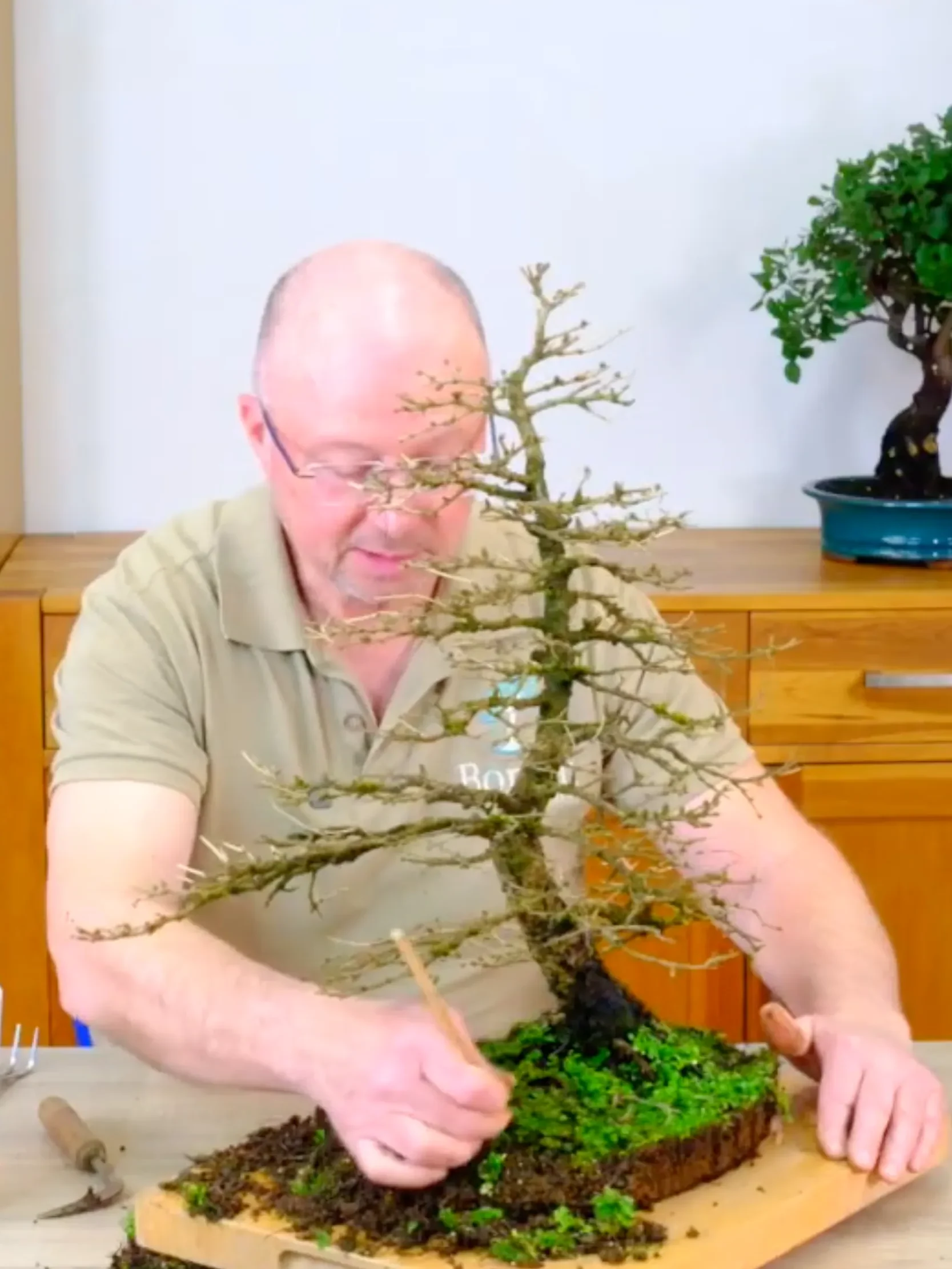
Several factors can lead to root rot in bonsai:
1. Overwatering
Watering too frequently prevents the soil from drying adequately between waterings. Bonsai should be watered thoroughly — but only when needed.
2. Soil Breakdown
Many bonsai soils, including akadama, break down over time. As the particles degrade, the soil becomes compacted and retains more water, reducing airflow around the roots.
This is why regular repotting is essential.
3. Prolonged Rain or Wet Weather
Even well-cared-for bonsai can develop root rot during extended periods of rain, especially if the soil is already beginning to lose structure.
4. Poor Drainage
Blocked drainage holes, compacted root balls, or overly organic soil mixes can trap moisture and create ideal conditions for rot.
Signs and Symptoms
Recognising root rot early significantly improves the chances of recovery. Look for:
- Tree wobbling in the pot
- Soil staying wet for unusually long periods
- Yellowing or dropping leaves/needles
- Weak or stunted growth
- Surface algae, moss, or liverwort indicating constant dampness
- A sour smell from the soil
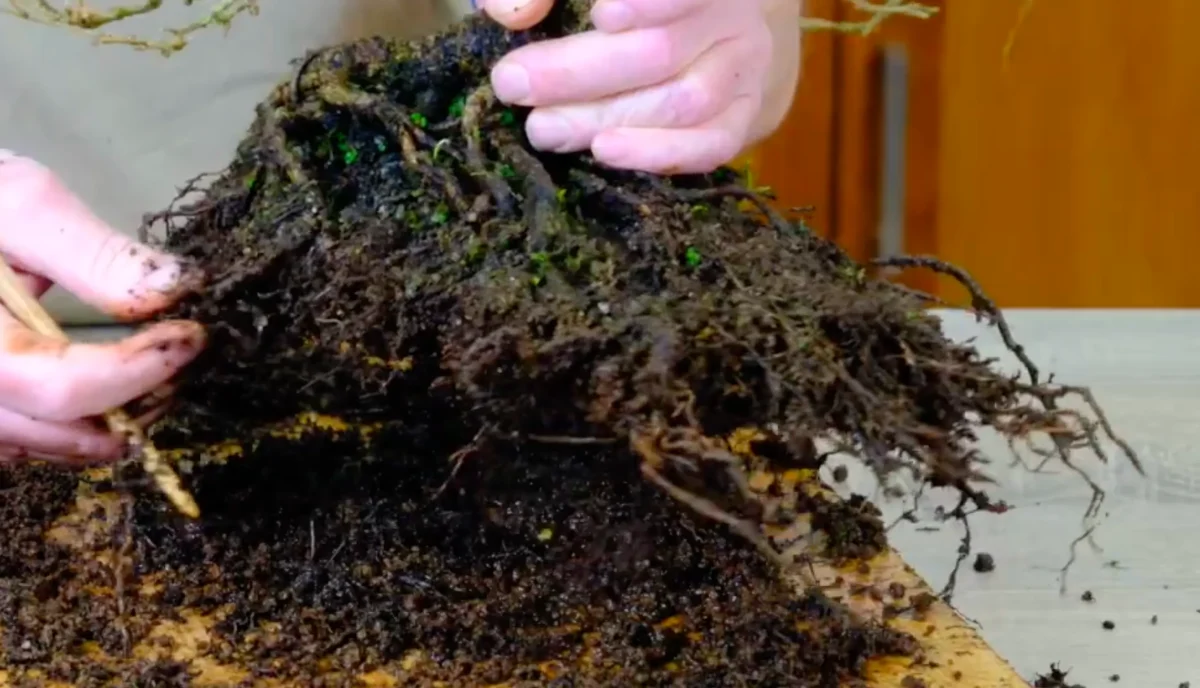
If you remove the tree from its pot, rotten roots will typically be:
- Dark brown or black
- Soft or mushy
- Brittle and easily broken
- Lacking fine white feeder roots
Healthy bonsai roots, by contrast, are firm, fibrous, and light-coloured inside when cut.
How to Fix Root Rot
If you suspect bonsai root rot, act promptly — ideally during the appropriate repotting season for your species. Deciduous outdoor varieties should be repotted during the dormant period. It is important to note that removing too much root unnecessarily and repotting during the wrong time of year can be detrimental to the bonsai.
Step 1: Remove the Tree Carefully
Gently lift the bonsai from its pot to inspect the root system.
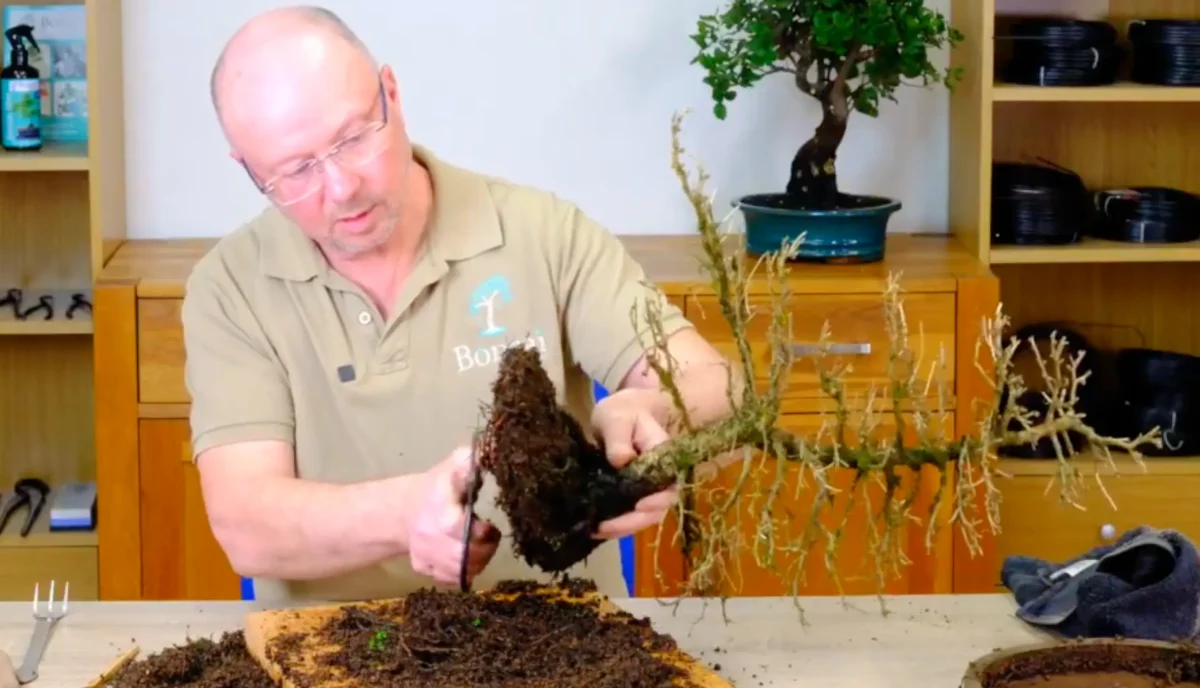
Step 2: Remove Rotten Roots
Using clean, sharp tools, prune away all black, soft, or decaying roots. Cut back to healthy, firm tissue.
It is important to remove as much rot as possible, as decay can continue spreading along the root system.
Step 3: Reduce Compacted Soil
Tease away broken-down, waterlogged soil to improve airflow.
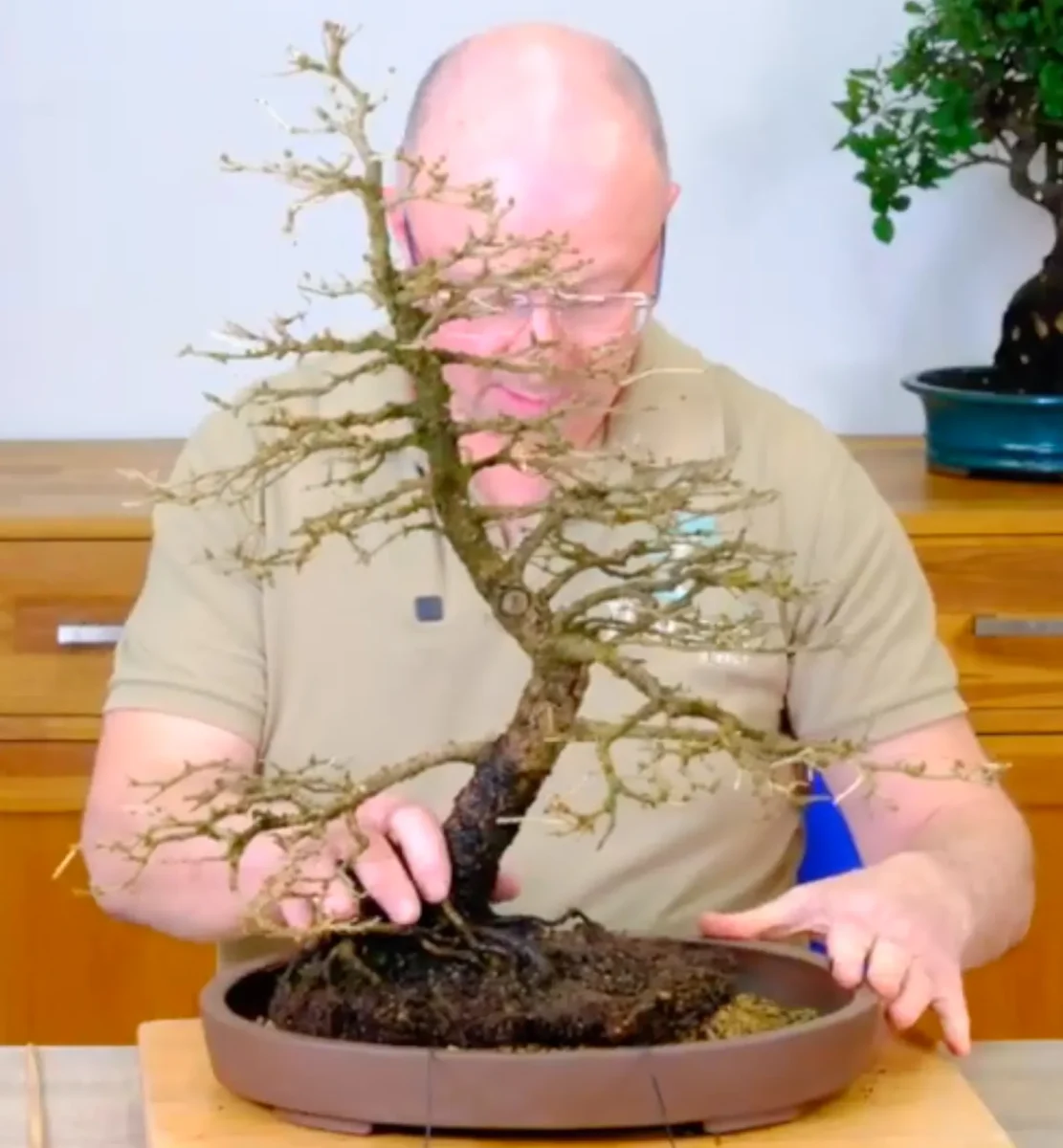
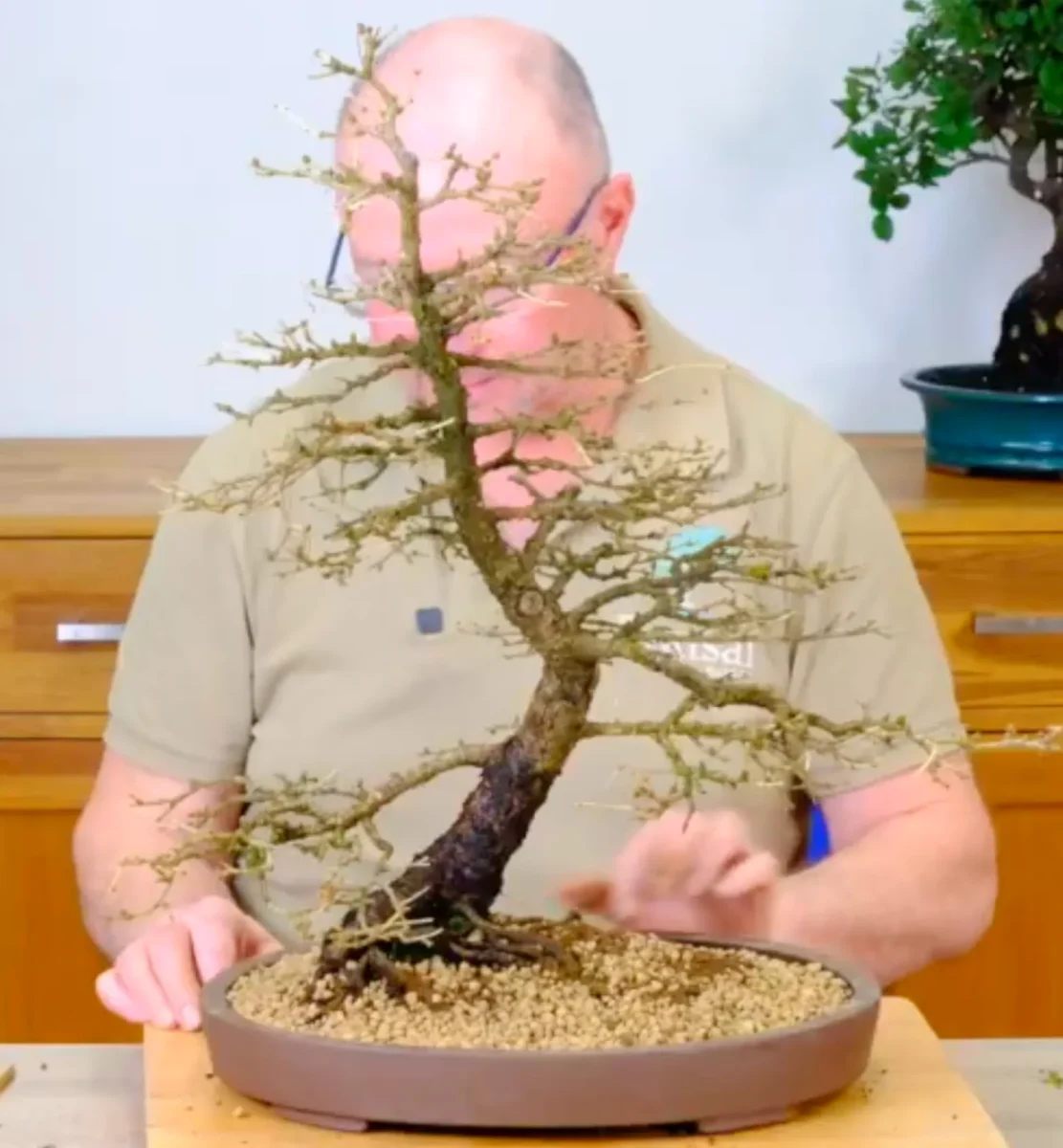
Step 4: Repot in Fresh, Free-Draining Bonsai Soil
Use a quality bonsai mix with good drainage properties. Fresh soil restores oxygen to the root zone and encourages new fibrous root growth.
Step 5: Secure the Tree Firmly
Movement can damage recovering roots. Anchor the bonsai properly into its pot.
Aftercare Following Bonsai Root Rot
Recovery depends heavily on proper aftercare:
- Protect from heavy rain
- Avoid overwatering
- Water only when the soil begins to dry
- Provide appropriate light but avoid excessive stress
- Monitor closely for new growth
It’s normal for the tree to take time to regain strength. New buds and improved vigour are positive signs that recovery is underway.
How to Prevent Bonsai Root Rot
Prevention is far easier than treatment. To avoid bonsai root rot:
- Repot regularly (typically every 1–3 years depending on species and age)
- Use well-draining bonsai soil
- Adjust watering to season and weather conditions
- Ensure drainage holes remain clear
- Avoid allowing soil to fully break down
- Provide protection during prolonged wet spells
Healthy roots are the foundation of a healthy bonsai. Maintaining proper soil structure and watering discipline is key to long-term success.
Final Thoughts
Bonsai root rot can be worrying — but it is manageable with early intervention and correct repotting techniques.
By understanding the causes and recognising the warning signs, you can protect your trees and ensure they remain healthy for years to come.
If you suspect bonsai root rot, inspect the roots, act promptly, and restore proper drainage. With the right care, many trees recover remarkably well.


0 replies