


Creating and maintaining a beautiful bonsai tree takes both creativity and precision. While patience plays a big role, the tools you use directly shape your results. At Bonsai Direct, we offer a carefully selected range of bonsai tools to help you prune, shape, and care for your trees with confidence.
In this guide, we’ll walk you through the essential tools and show you exactly how each one supports your bonsai journey.
Why Specialised Bonsai Tools Matter
First of all, bonsai isn’t like general gardening. Standard tools often feel too large or imprecise for detailed work. In contrast, bonsai tools are designed for accuracy and control. As a result, you can make cleaner cuts, shape more effectively, and protect the health of your tree.
Simply put, the right tools help you work smarter—and achieve better results.
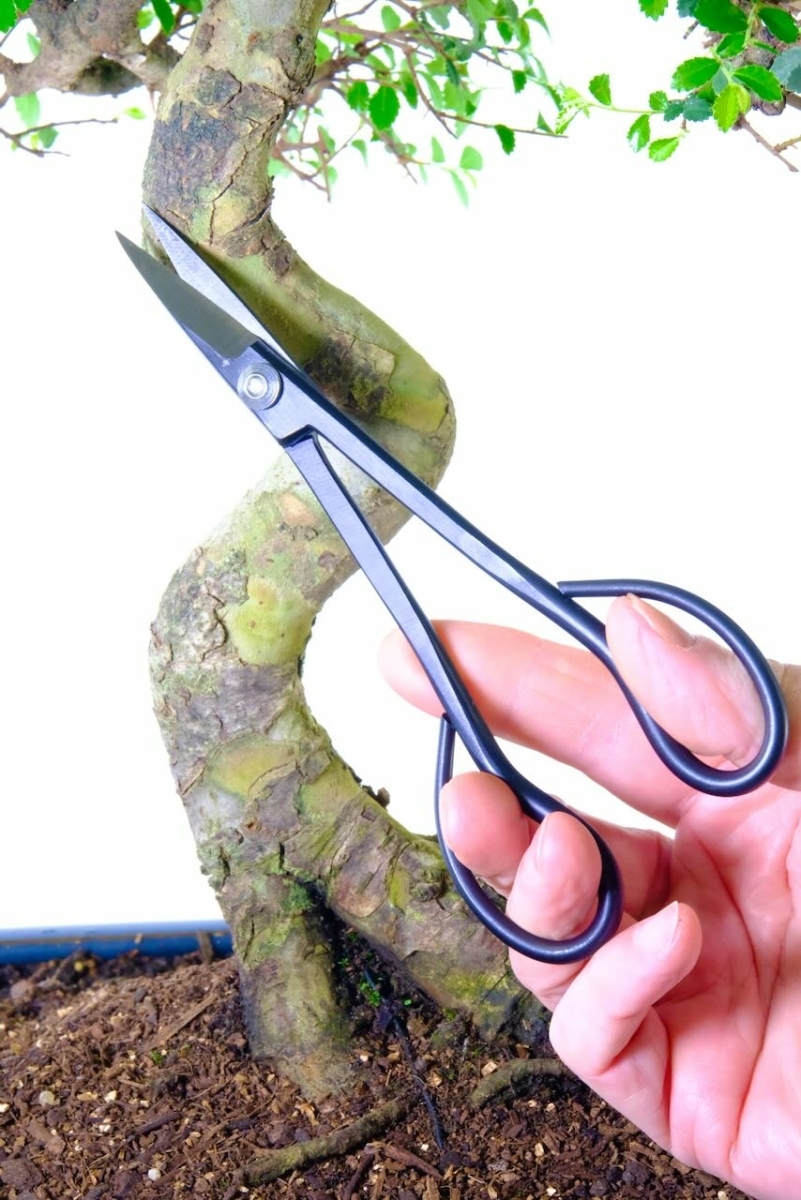
1. Bonsai Scissors & Shears
To begin with, bonsai scissors are the tools you’ll reach for most often. They handle a wide range of everyday tasks, including:
- Trimming leaves and small shoots
- Fine, detailed pruning
- Maintaining your tree’s overall shape
Because of their slim, sharp blades, you can easily reach into dense foliage. This means you can trim precisely without disturbing surrounding growth.
2. Concave Cutters

Next, when you need to remove branches, concave cutters become essential. Unlike standard cutters, they create a slightly hollow cut. Consequently:
- The wound heals faster
- Scarring becomes less visible
- The tree develops a more natural finish
For this reason, they are a must-have for shaping and structural work.
3. Knob Cutters
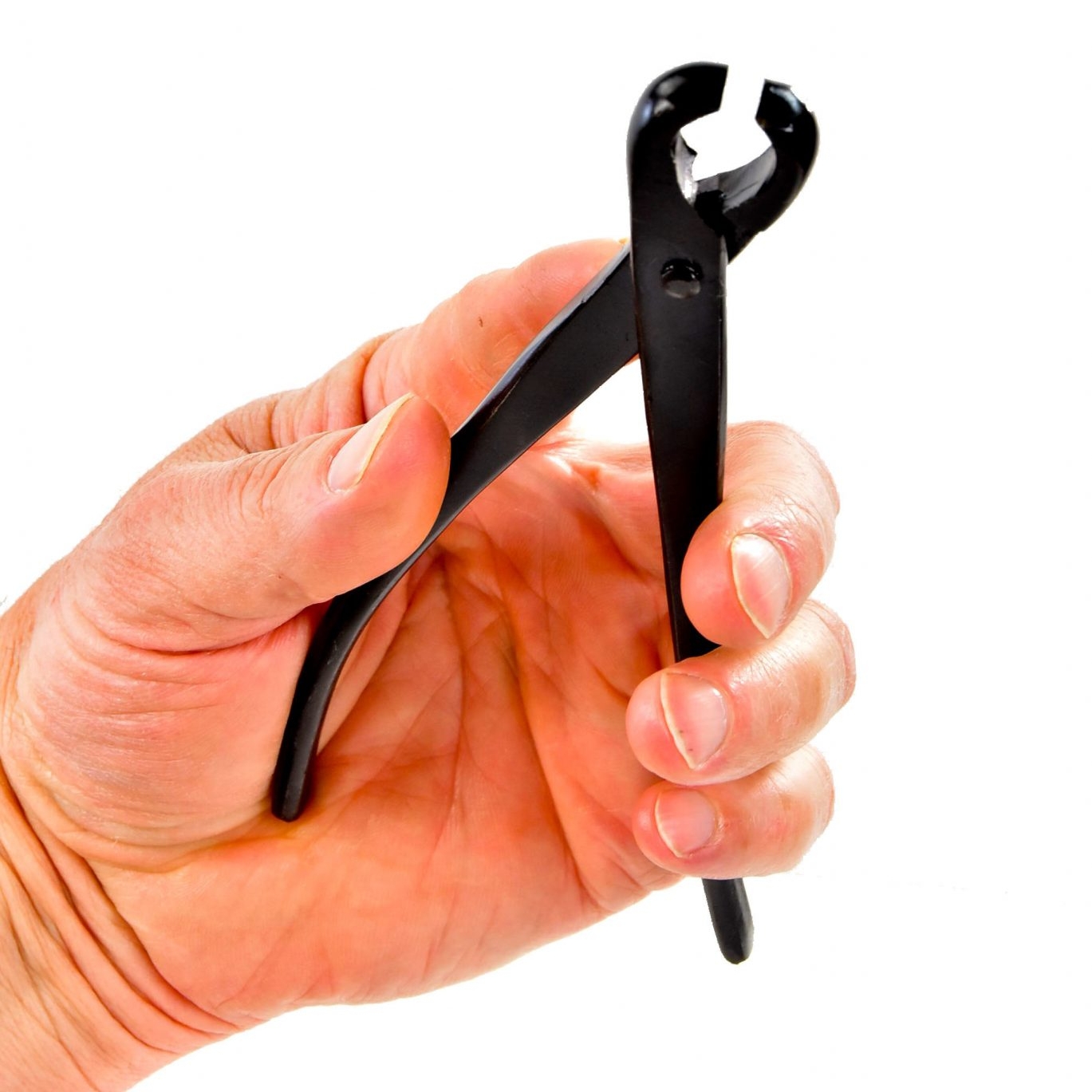
As your bonsai matures, you’ll often deal with thicker branches or uneven growth. That’s where knob cutters come in. Specifically, they allow you to:
- Remove bulky or swollen areas
- Cut deeper into wood
- Create a smooth, clean surface
As a result, your tree heals more neatly and continues to develop its refined appearance.
4. Wire Cutters
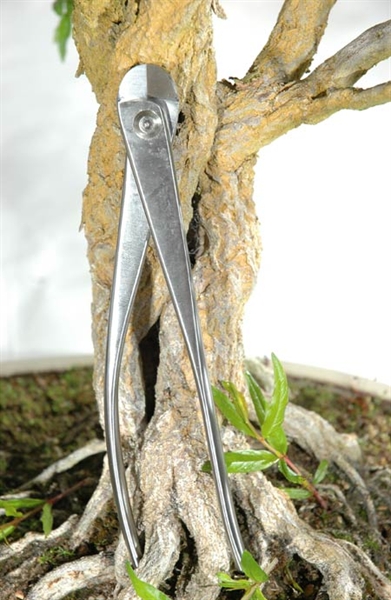
Once you start shaping your bonsai with wire, you’ll need the right tool to remove it safely. Wire cutters are designed for this exact purpose. They:
- Cut close to the wire without damaging the bark
- Prevent unnecessary strain on branches
- Make removal quick and controlled
Therefore, they are essential for anyone practising wiring techniques.
5. Root Rake / Root Hook

When it’s time to repot, root care becomes your priority. A root rake or hook helps you work through the root system gently. For example, you can:
- Untangle compacted roots
- Remove old soil
- Prepare roots for trimming and repositioning
By doing this carefully, you encourage healthier growth and a stronger foundation for your bonsai.
6. Tweezers
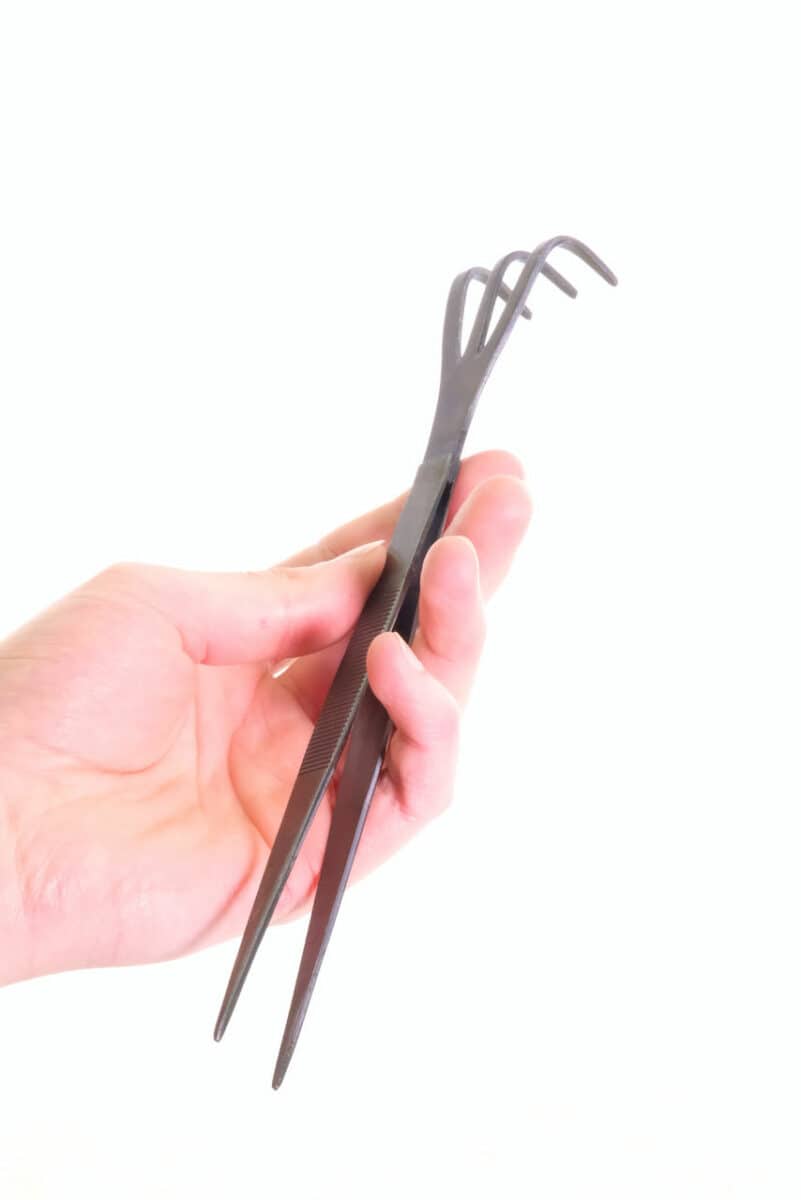
In addition to larger tools, tweezers play an important role in detailed maintenance. They are perfect for:
- Removing dead leaves
- Clearing debris from the soil surface
- Pinching new growth
Moreover, many tweezers include a spatula end, giving you even more control when working with soil.
7. Soil Scoops & Spatulas
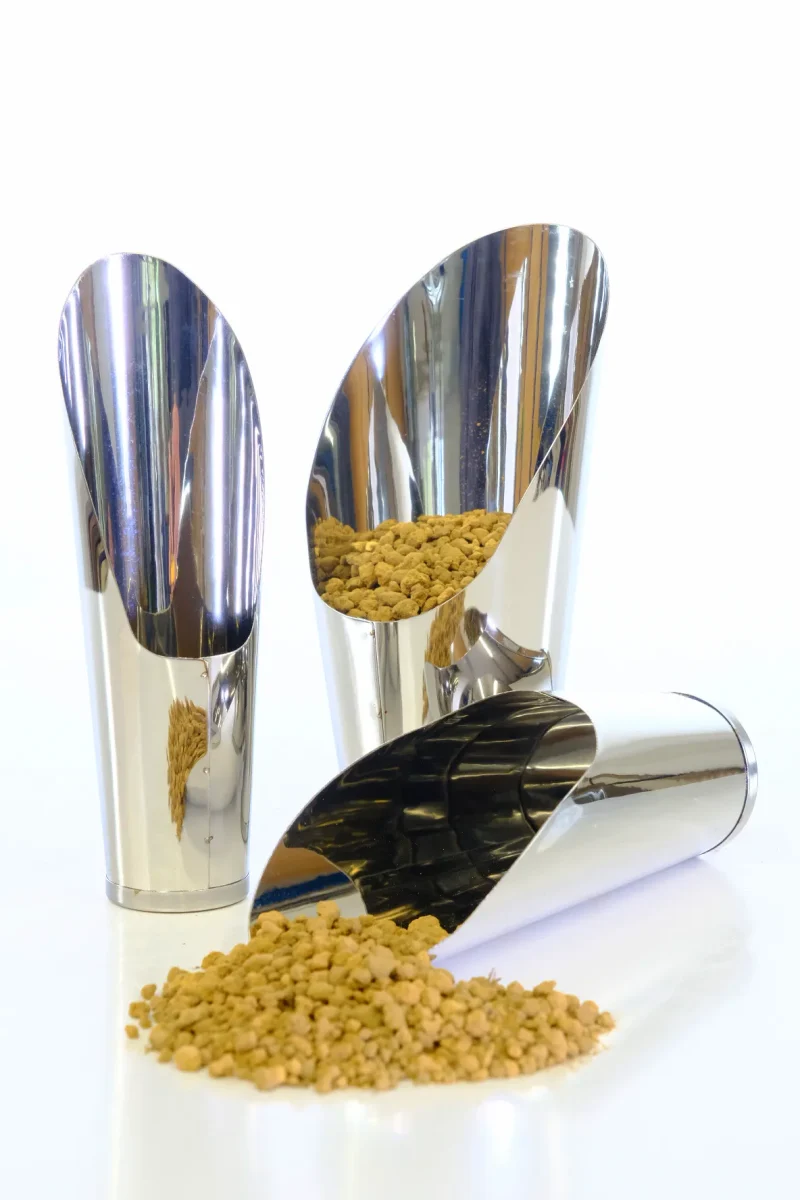
When repotting, organisation and precision matter. Soil scoops and spatulas make the process smoother by helping you:
- Add soil exactly where it’s needed
- Distribute it evenly around roots
- Avoid damaging delicate structures
As a result, repotting becomes quicker, cleaner, and more effective.
8. Trunk Splitters
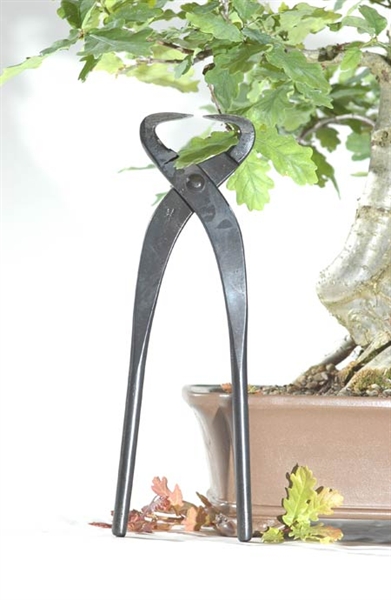
As you progress into more advanced bonsai techniques, trunk splitters become an invaluable tool. Unlike standard cutters, these heavy-duty tools are designed specifically for splitting and reshaping thicker sections of wood.
Trunk splitters allow you to:
- Split thick trunks or large branches safely
- Create dramatic bends and deadwood features
- Begin structural transformations on more mature trees
Rather than cutting cleanly through the wood, trunk splitters grip and separate fibres. As a result, you can open up the trunk gradually and with greater control. This technique is especially useful when creating natural-looking features such as jin or shari.
9. Root Shears
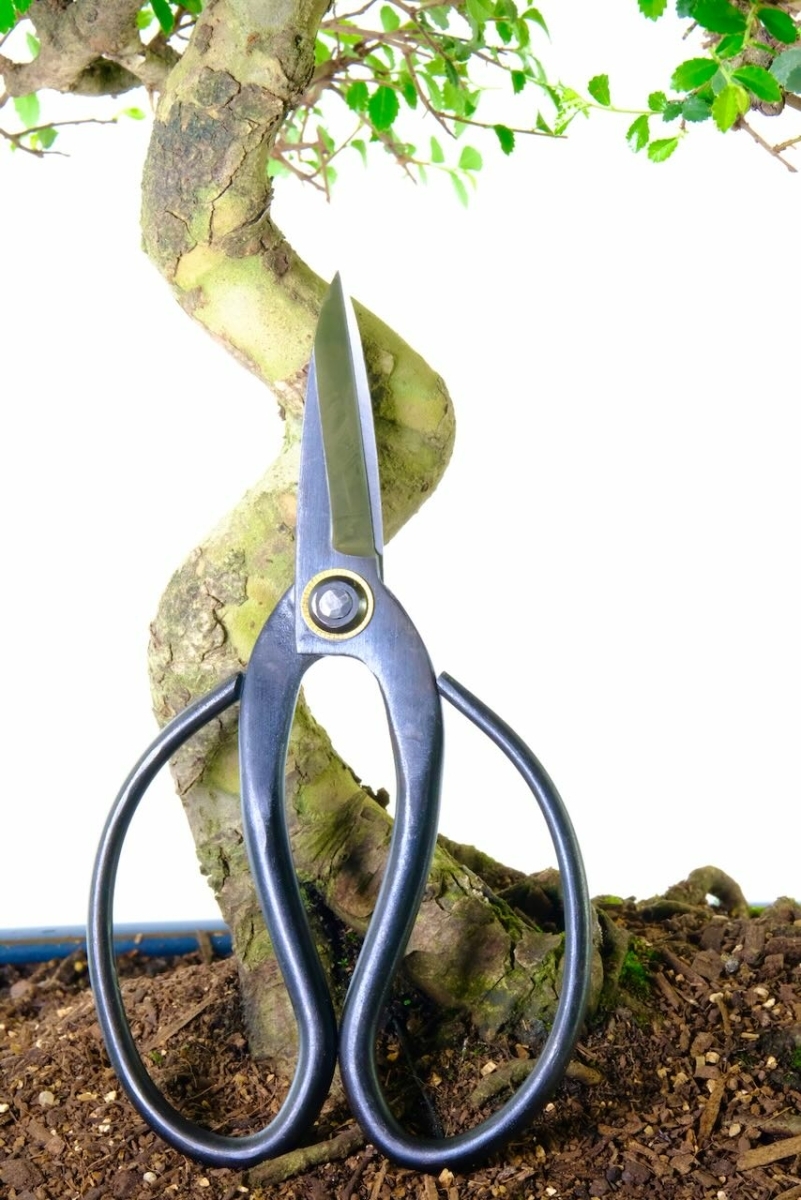
When it comes to repotting, root shears are one of the most important tools you can have. While standard scissors may handle light work, root shears are specifically designed to deal with thicker, tougher roots.
Root shears help you:
- Trim back long or overgrown roots
- Remove damaged or dead root sections
- Shape the root system to fit the pot
Because of their strong, sharp blades, they cut cleanly through dense roots. As a result, you reduce the risk of tearing, which can stress the tree and slow recovery.

10. Complete Bonsai Tool Kits
Finally, if you’re just getting started—or want everything in one place—a complete tool kit is a smart choice. Typically, these kits include a balanced selection of essential tools, such as scissors, cutters, and rakes.
Because of this, you can move seamlessly between tasks without needing to purchase tools individually.
Choosing the Right Tools
Before you buy, consider a few key factors. First, think about the material: carbon steel offers excellent sharpness, while stainless steel resists rust. Next, consider your experience level. Beginners often benefit from a full kit, whereas more experienced growers may prefer specialised tools.
Lastly, match your tools to your tree size. Larger bonsai require stronger, more durable equipment.
Final Thoughts
Ultimately, bonsai is a blend of art and technique. While your vision shapes the tree, your tools bring that vision to life. With the right equipment, you can work more precisely, care for your tree more effectively, and achieve truly refined results.
So whether you’re just starting out or looking to upgrade your setup, investing in quality bonsai tools is a step worth taking.
Explore the full Bonsai Direct range and take your bonsai care to the next level.



0 replies