


Can Any Tree Be a Bonsai?

It’s one of the most common questions we hear at Bonsai Direct: can any tree be a bonsai? The short answer is no—but the longer answer is far more interesting.
Bonsai is not just about growing a small tree in a pot. It’s about shaping, balance, and long-term care. While many trees can be trained into bonsai form, not every species responds well to the process.
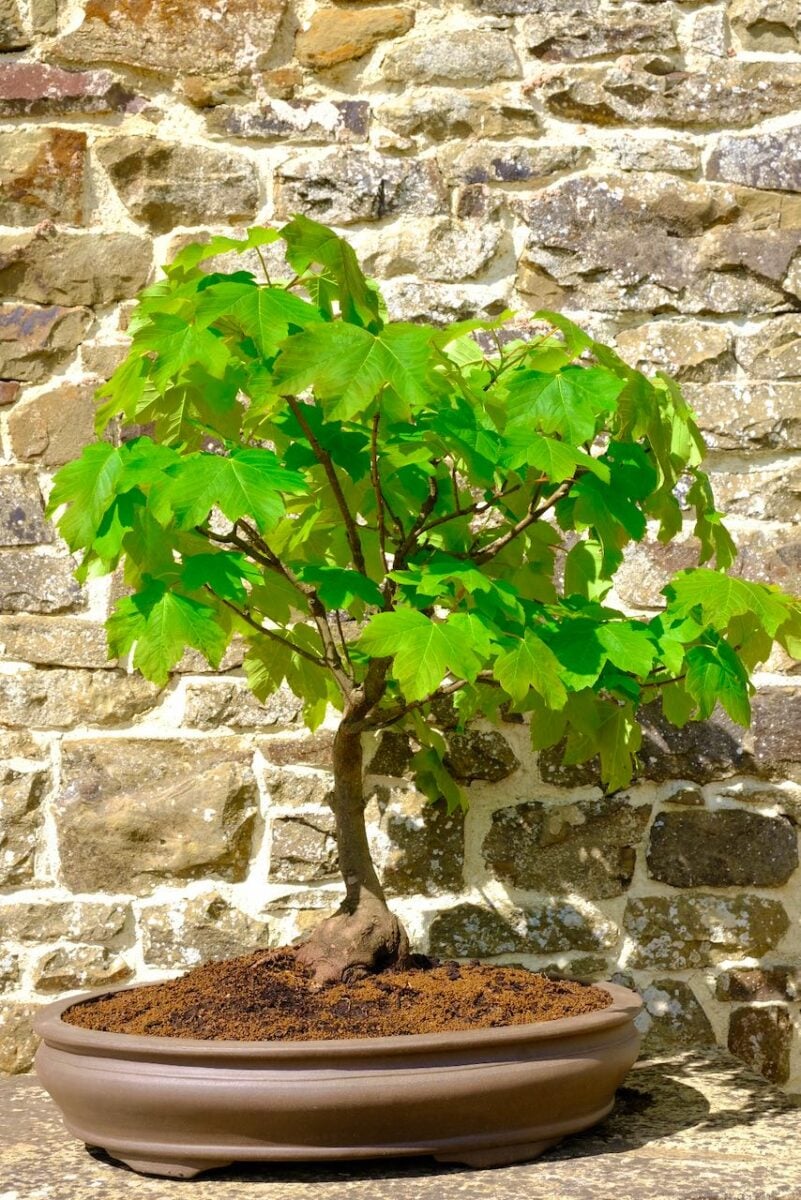
What Makes a Tree Suitable for Bonsai?
Natural Growth Habit Matters
Some trees naturally lend themselves to bonsai. They have small leaves, flexible branches, and the ability to handle regular pruning. These traits make shaping easier and help the tree maintain a realistic, mature appearance in miniature.
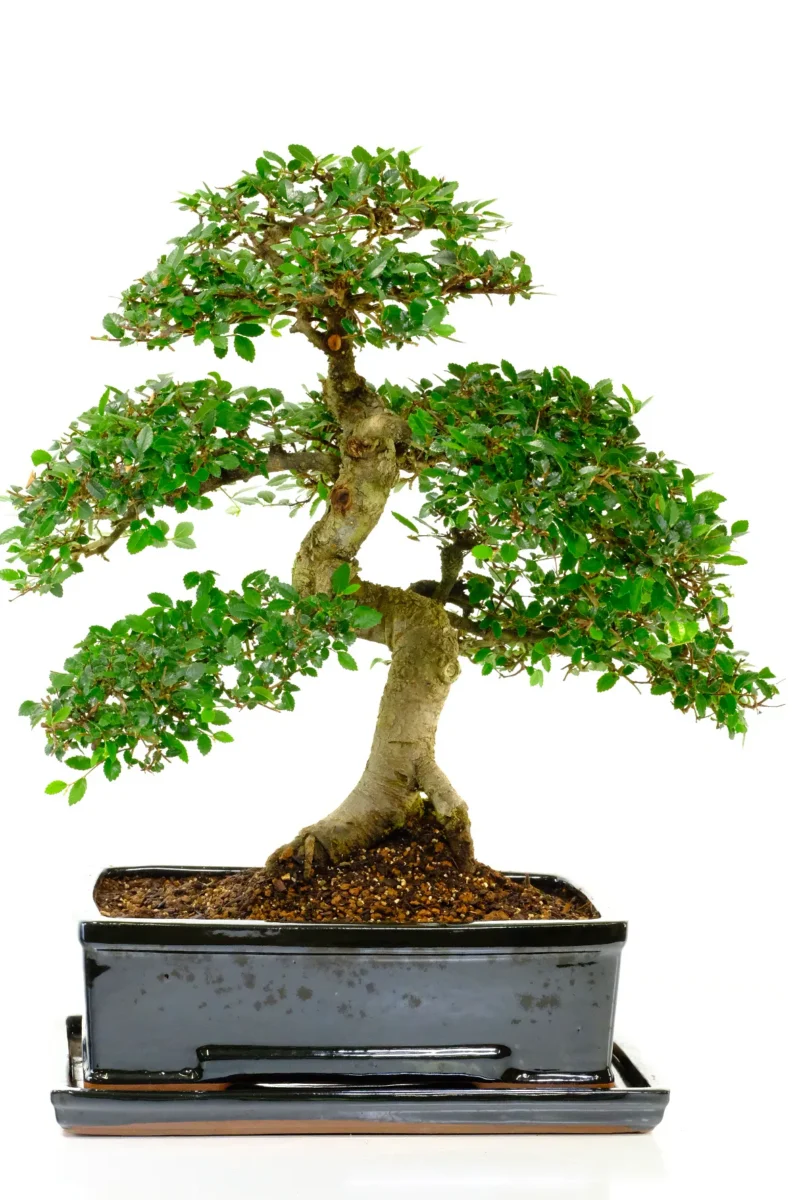
Species like Ulmus parvifolia (Chinese Elm), Acer palmatum (Japanese Maple), Juniperus (Juniper), and Ficus retusa are popular for a reason. They respond well to training and recover quickly from pruning.
Trees with very large leaves or brittle branches can be more challenging. You can still try them, but they often require more skill and patience.
Size Isn’t the Only Factor
People often assume bonsai simply means “small tree.” That’s not quite right. In bonsai, proportion is everything.
A suitable bonsai tree must be able to reduce its leaf size over time. It also needs to develop fine branching and a trunk that looks aged, even when the tree is young. Not all species can achieve this balance convincingly.
Outdoor vs Indoor Trees
Another key factor is environment. Many beginners look for indoor bonsai, but most traditional bonsai trees are outdoor species.
Trees like Pinus (Pine) and Acer palmatum need seasonal changes to thrive. They rely on natural light cycles and temperature shifts. Trying to grow them indoors usually leads to poor health.
Indoor bonsai options do exist. Tropical species like Ficus can adapt well to indoor conditions if they get enough light and warmth.
Can You Turn Any Tree Into a Bonsai?
Technically, you can attempt to bonsai almost any woody tree or shrub. With enough time and skill, you might shape something unique.
But success depends on how the tree responds. Some species won’t back-bud easily. Others won’t tolerate root pruning. Some simply won’t scale down in a way that looks natural.
That’s why we always recommend starting with proven bonsai varieties. It sets you up for success and makes the process far more enjoyable.
Our Approach at Bonsai Direct
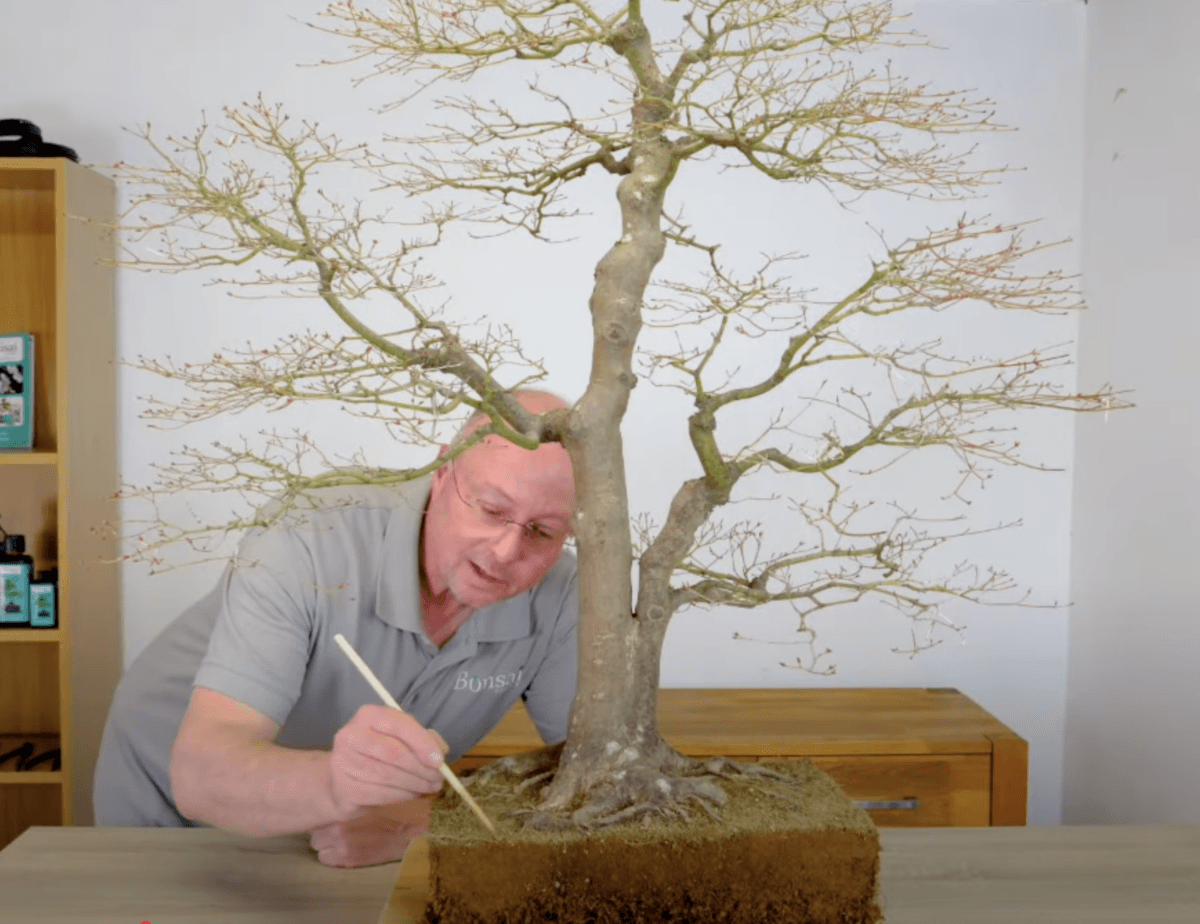
As a family-run nursery, we focus on trees that thrive in UK conditions and respond well to bonsai techniques. We grow and source varieties that balance beauty with resilience.
Sustainability matters to us. We care for each tree over time, rather than rushing growth. That patience shows in the structure, health, and longevity of every bonsai we offer.
We also believe bonsai should feel accessible. Whether you’re a complete beginner or a long-time enthusiast, choosing the right tree makes all the difference.
Final Thoughts
So, can any tree be a bonsai? Not quite. But many trees can—with the right characteristics and care.
If you choose a species that naturally suits bonsai, you’ll spend less time struggling and more time enjoying the process. And that’s what bonsai is really about: slowing down, observing growth, and shaping something meaningful over time.
Related Content
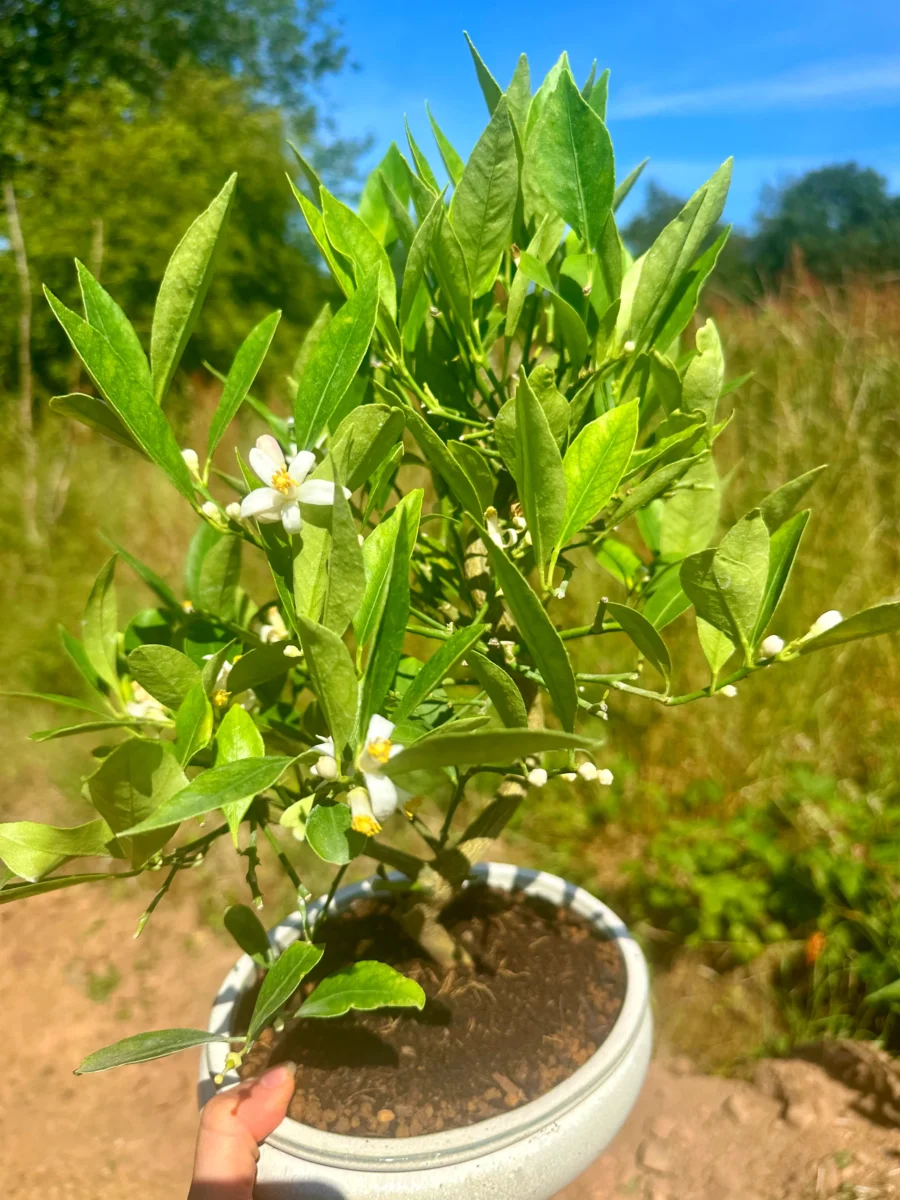
Citrus Bonsai Trees: A Complete Guide to Lemon and Orange Bonsai Trees
Discover the beauty of citrus bonsai with our complete guide to Bonsai Lemon Trees (Citrus limon) and Bonsai Orange Trees (Citrus kinzu). Learn about their fragrant white flowers,…
Read More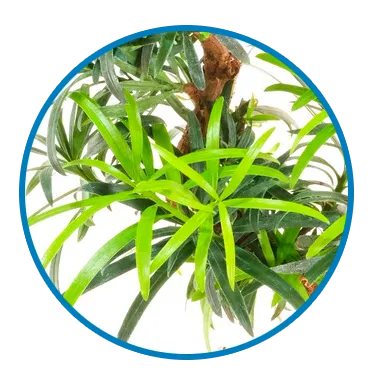
Podocarpus Bonsai Tree | The Truth About the Buddhist Pine Bonsai
Discover why the Podocarpus Buddhist Pine (Podocarpus macrophyllus) is one of the world's most revered evergreen bonsai. Learn how to grow it successfully, why we recommend growing it…
Read More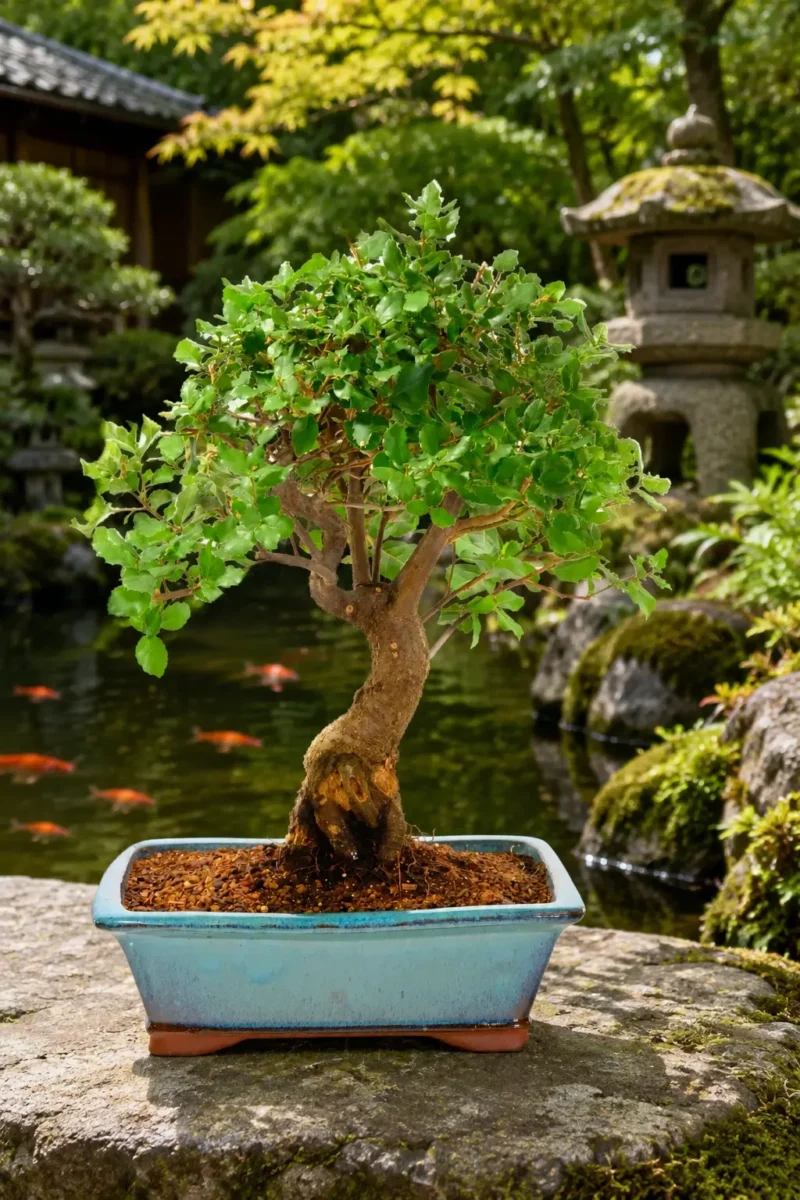
Cork Oak Bonsai (Quercus suber) – The Evergreen Bonsai with Remarkable Cork Bark
Discover why the Cork Oak Bonsai (Quercus suber) is one of the world's most remarkable evergreen bonsai trees. Famous for its extraordinary cork bark, rugged character, evergreen foliage…
Read More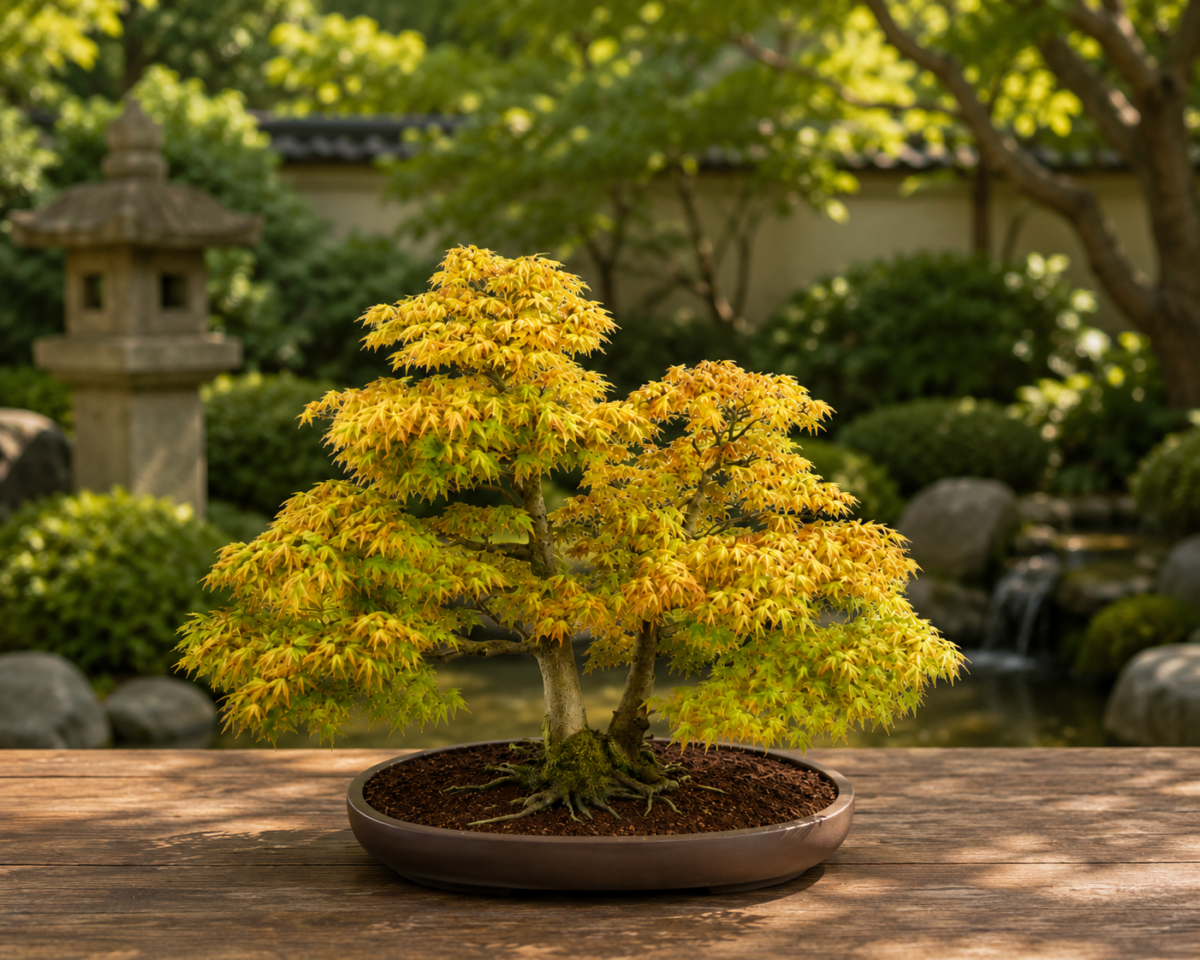
Bonsai: The Complete Beginner’s Guide
Discover the fascinating world of bonsai with our complete beginner's guide. Drawing on around 40 years of commercial growing experience, we explain what a bonsai tree is, how…
Read More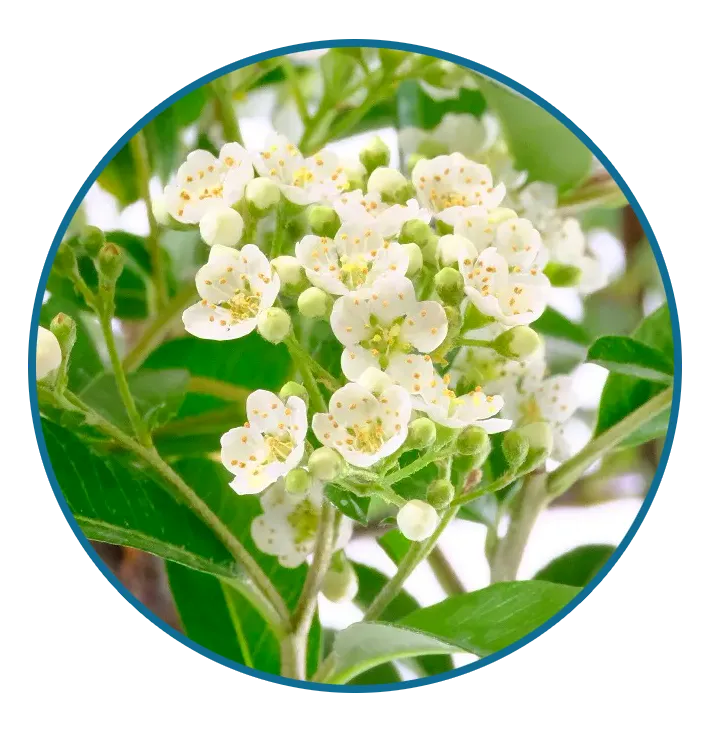
Pyracantha Bonsai Trees – The Spectacular Firethorn Bonsai with Flowers, Berries and Year-Round Interest
Discover why the Pyracantha Bonsai Tree (Firethorn) is one of the most spectacular outdoor bonsai species. With masses of spring flowers, vibrant autumn berries, evergreen foliage and year-round…
Read More
Pomegranate Bonsai Trees (Punica granatum) – Ancient Beauty, Fiery Flowers and a Living Connection to the Mediterranean
Discover why the Pomegranate Bonsai Tree (Punica granatum) is one of the most rewarding flowering bonsai species. With vibrant orange-red flowers, fascinating fruits, attractive bark and rich Mediterranean…
Read More
Crab Apple Bonsai Trees (Malus sylvestris) – Four Seasons of Beauty in One Remarkable Bonsai
The Crab Apple bonsai tree is a gorgeous variety which has fragrant white and pink flowers during spring. Through summer and autumn, you might see a display of…
Read More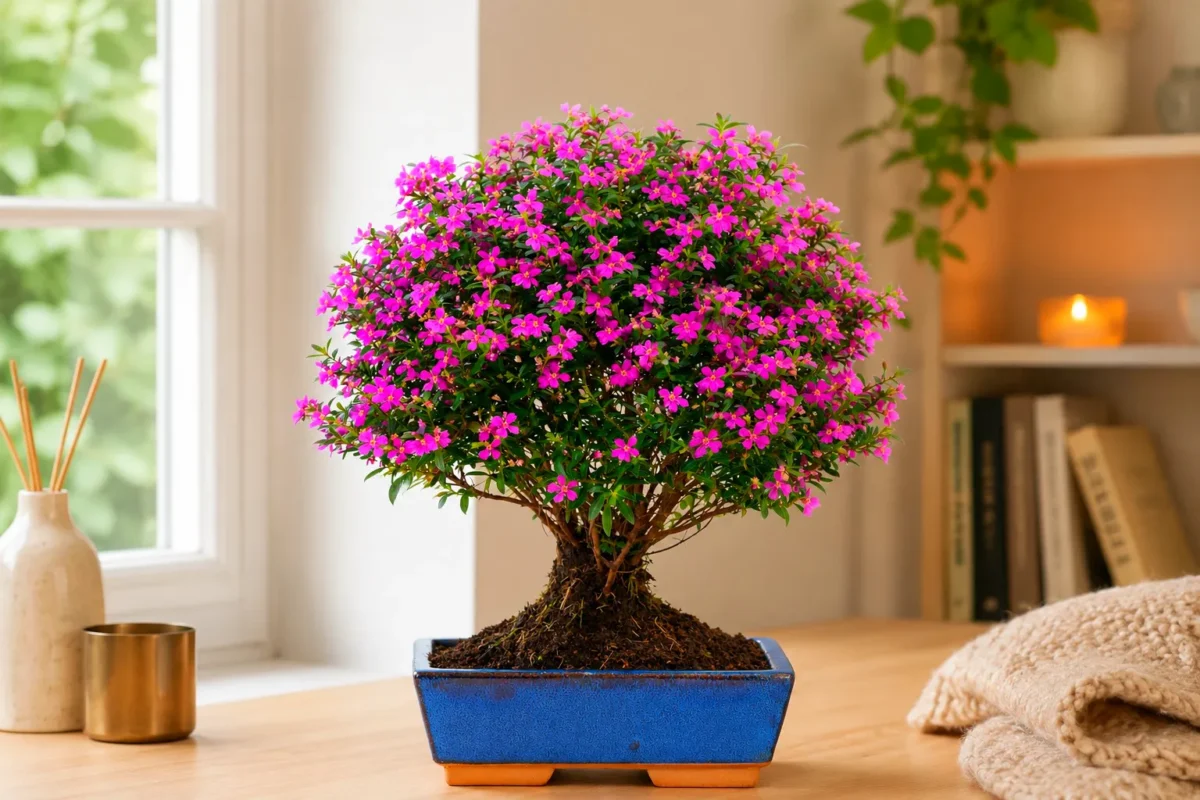
Cuphea Hyssopifolia Bonsai: The Tiny Flowering Bonsai That Blooms Almost All Year Round
Discover the beautiful Cuphea bonsai tree with prolific purple flowers. Read about caring for a Mexican Heather, the meaning and symbolism, and choose from our gorgeous selection.
Read More