


How Do I Care for My Ficus Bonsai Tree?
The Ficus is one of the most popular and forgiving bonsai trees, making it a perfect choice for beginners and experienced growers alike. With its glossy leaves, adaptable nature, and fascinating aerial roots, the ficus bonsai has become a living symbol of strength, resilience, and balance.
Two of the most loved varieties are the Ficus Retusa and Ficus Ginseng—both beautiful, symbolic, rewarding to grow and interestingly are members of the fig family. Below you’ll find everything you need to know about caring for your ficus bonsai, from placement and watering to pruning and symbolism.
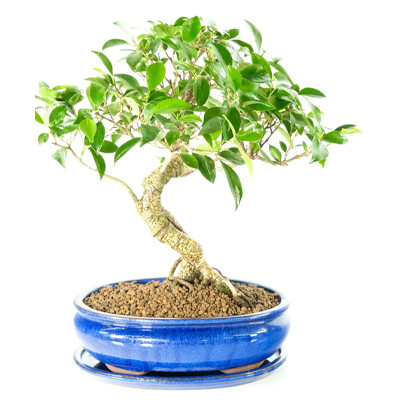
Why I Love the Ficus Bonsai
By Bonsai Expert Lloyd Noall
Of all the bonsai species I’ve worked with over the years, the ficus has always held a special place in my heart. There’s something uniquely captivating about this tree that makes it both approachable for beginners and endlessly fascinating for seasoned growers.
What I love most are the details that set it apart. The bark, for instance, often develops beautiful silvery striations, catching the light and giving the trunk an aged, characterful appearance far beyond its years. Then there are the deep green, glossy leaves—so rich in colour that they almost look polished. They provide a lush canopy that feels full of life, balancing strength with elegance.
And, of course, we can’t forget the aerial roots. Few things in bonsai are as dramatic and awe-inspiring as the sight of those roots descending gracefully from the branches, eventually thickening into new pillars of support. They give the ficus a majestic banyan-like quality, transforming even a small bonsai into a miniature forest scene.
Practicality plays a role in my admiration too. The ficus is evergreen, which means it maintains its beauty all year round, unlike some deciduous trees that leave you with bare branches in winter. It’s also incredibly adaptable, thriving in lower light levels where other species might struggle. That resilience makes it a joy to grow indoors, bringing nature into your living space without demanding constant fuss.
Ficus Bonsai Tree Care
Placement – Where should I position my Ficus bonsai?
The ficus is primarily an indoor bonsai, as it cannot tolerate frost.
- Keep it in bright, indirect light or full sun for healthy growth.
- It thrives in stable, warm temperatures (above 60°F / 15°C).
- Although ficus trees can handle low humidity thanks to their waxy leaves, they flourish in higher humidity. If you want to encourage aerial roots, you’ll need very high humidity, sometimes achieved with a humidity tray or my regular misting with water.
- The ficus is a species which will tolerate lower light levels, this making is suitable for darker properties.
In summer, you can move your ficus outdoors, but bring it back inside before nights turn cool.
Watering your Ficus Bonsai
Forget the “every day” watering myth—your ficus needs water based on observation, not a schedule.
- Water generously when the topsoil feels slightly dry.
- Best practice is to use room-temperature, soft water if possible.
- Daily misting helps maintain humidity, but don’t overdo it, as excess moisture may cause fungal issues. You can either use water or better still we recommend Bonsai Direct Mist. This will achieve the desired humidity but also foliar feed the leaves directly.
- In winter, adjust watering: keep soil lightly moist in cooler rooms, but water more often if placed somewhere warm. The soil should be just damp and not wet.

Feeding your Ficus Bonsai
Feed your ficus bonsai regularly to keep it thriving:
- Every week in summer during active growth.
- Every week to two weeks in winter, as the bonsai will still be growing but slightly slower.
We recommend using Bonsai Direct liquid bonsai fertiliser to provide all the nutrients and minerals that the bonsai requires to keep it healthy and growing.

Pruning and Wiring
Pruning keeps your bonsai’s elegant shape.
- Cut back to 2 leaves after 6–8 have grown.
- Defoliation (leaf pruning) can reduce leaf size and improve ramification. We advise that you do NOT defoliate your bonsai as this can stress the tree. Using regular pruning/tipping of the leaves this encourages the new leaves to be naturally smaller in size and the ficus bonsai tree responds very well to regular tipping. Essentially you are moving the natural plant hormones. If you would like to learn more about the action of plant hormones—mainly auxins and cytokinins—which regulate growth and development in the branches and foliage please read our article entitled Popular Bonsai Questions that People Ask.
- To thicken the trunk, let the tree grow freely for 1–2 years before making strong cuts—ficus trees recover quickly.
- Check wires regularly, as ficus bark scars easily. Use guy-wires for thicker branches.
Repotting
Repotting is one of the most important parts of bonsai care. Over time, your ficus bonsai becomes pot-bound—its roots grow so densely that they have no room left to expand. When this happens, the tree’s growth slows down or even stops altogether, as healthy root development is essential for the health of the entire bonsai.
By repotting, you refresh the soil, prune back tangled roots, and give your tree space to keep growing. The general guideline is to repot every 1–5 years, depending on the tree’s age and how quickly you want it to grow:
- Younger bonsai: Repot more often, as their roots fill the pot quickly.
- Older bonsai: Repot less frequently, as their growth is slower.
Interestingly, the more often you repot or root prune your bonsai, the faster and stronger it will grow.
For ficus bonsai specifically, repotting is best done during the warmer months, when the tree is most vigorous and can recover quickly.
A step-by-step guide to repotting your bonsai can be found here.
Propagation and Grafting
Ficus trees are remarkably easy to propagate.
- Take cuttings in mid-summer for best results.
- Air-layering works well in spring.
- Unique to ficus: branches, trunks, and even roots can be fused together using approach grafting, allowing advanced growers to create striking designs and banyan-style bonsai.
Pests and Diseases
Ficus bonsai are generally hardy and are less susceptible to pest and disease, but may struggle in poor conditions:
- Dry air and low light can lead to leaf drop.
- Spider mites or scale may appear in winter.
Solution: improve growing conditions with brighter light, higher humidity, and insecticidal sprays if needed.We use SB Plant Invigorator every other week on our bonsai as a preventative treatment against pests and diseases. Not only does it help protect your tree, but it also acts as a gentle conditioner and foliage feed, keeping the leaves healthy, glossy, and vibrant.It’s a simple step that makes a big difference in maintaining your bonsai’s overall health and appearance — highly recommended!
Ficus Retusa vs. Ficus Ginseng
Ficus Retusa
- Appearance: Often styled with an elegant S-shaped trunk, smooth grey bark, and small, dark-green oval leaves.
- Symbolism: Represents resilience, wisdom, and harmony—qualities that make it one of the most treasured bonsai species.
- Why it’s popular: It’s incredibly versatile and forgiving, ideal for both bonsai beginners and advanced stylists.
Ficus Ginseng
- Appearance: Known for its thick, bulbous “pot-bellied” trunk that resembles the ginseng root, often grafted with Ficus microcarpa leaves.
- Symbolism: Associated with prosperity, health, and endurance. Its strong roots and striking trunk make it a symbol of stability and grounding.
- Why it’s popular: Easy to find, hardy, and visually unique—perfect as a gift or centerpiece bonsai.
Note: Ficus Ginseng is toxic to pets if leaves are ingested, so keep it out of reach of animals.
Understanding the Growth and Features of a Ficus Bonsai
One of the unique characteristics of the ficus bonsai is that it produces a milky white sap (called latex) when a branch or leaf is cut. This is completely normal and part of the tree’s natural defense system. When pruning, you may notice this sap appear, but it usually dries quickly and does not harm the bonsai.
Another feature that makes the ficus popular among bonsai enthusiasts is its flexible branches, which can be wired and shaped with ease. This allows you to create elegant curves or classic bonsai forms without much difficulty, making it a great species for both beginners and advanced stylists.
The ficus is also an evergreen bonsai, meaning it retains leaves year-round. However, this does not mean individual leaves last forever. Instead, the tree follows a natural cycle:
- New leaves emerge a fresh, light green.
- As they mature, they deepen into a rich dark green.
- Eventually, older leaves yellow and drop off.
This gradual process is normal and nothing to worry about. The key is ensuring your ficus continues to produce healthy new growth so that fresh leaves replace the old ones as they fall. With proper care, pruning, and feeding, your ficus bonsai will remain vibrant, balanced, and full of life all year round.
Symbolism of the Ficus Bonsai
More than just a decorative plant, the ficus bonsai carries deep symbolism:
- Strength & resilience: Its ability to recover from heavy pruning and adapt to conditions.
- Balance & harmony: The graceful lines of its trunk and canopy.
- Prosperity & longevity: Particularly with varieties like Ficus Ginseng.
- Connection to nature: Some ficus bonsai develop aerial roots, echoing the majestic banyan trees of the tropics.
Owning or gifting a ficus bonsai is like giving a piece of living art that embodies patience, balance, and growth.
Related Content
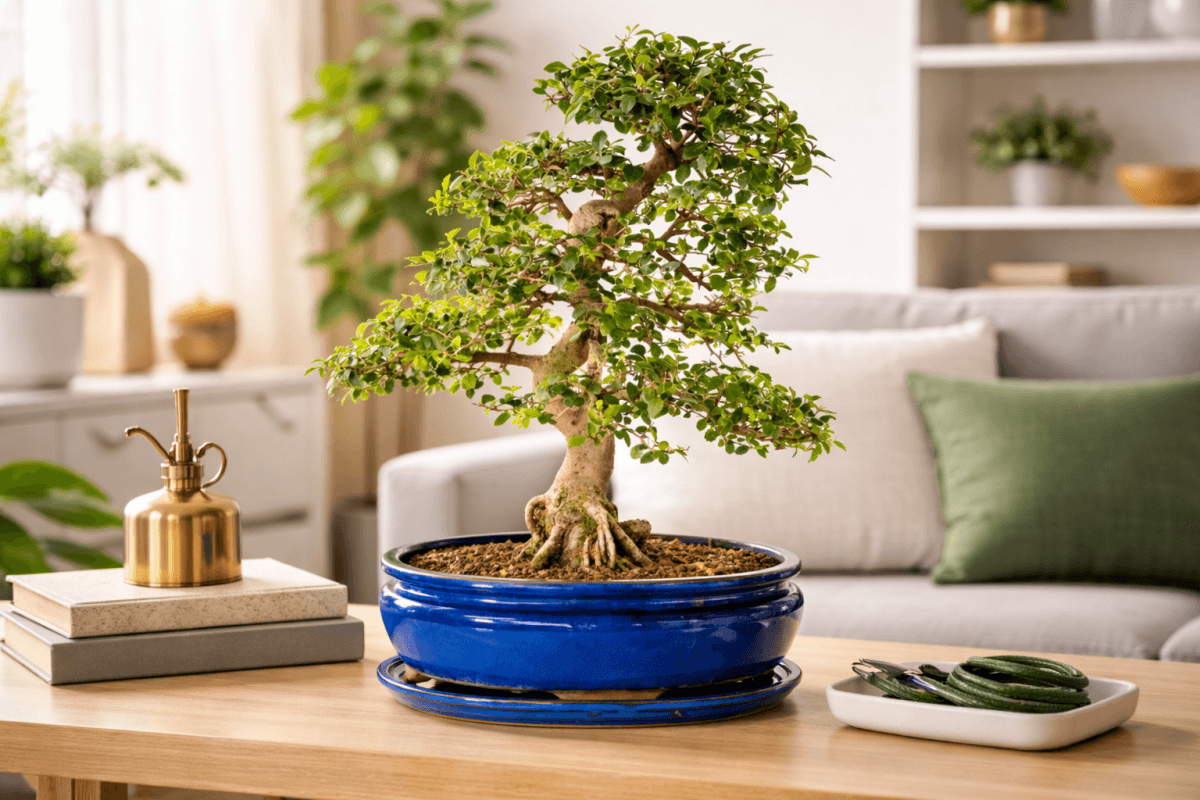
Are Bonsai Trees Good for the Home
Can bonsai trees be kept indoors? Are they good for the home? We go into detail about keeping bonsai trees you can keep indoors, and why they can…
Read More
Are Bonsai Trees Hard to Take Care Of?
Find out why bonsai trees are actually easy to keep, and which varieties are best for beginners. Discover why bonsai trees developed a reputation for being difficult to…
Read More
Celebrate Chinese New Year with Bonsai: A Gift of Harmony & Prosperity
Celebrate Chinese New Year in style with our beautiful bonsai trees, complete with an oriental lantern or a 'Happy Chinese New Year' tag.
Read More
Paul’s Bonsai Journey
Discover Paul's bonsai journey, why bonsai trees are so great for mental health and community. Also, learn about Paul's favourite bonsai trees.
Read More
Cat’s Bonsai Journey
Discover Cat’s inspiring bonsai journey — from beginner challenges to rediscovering calm, creativity, and community through bonsai. Learn why bonsai can support mental wellbeing, accessibility, and meaningful connection.
Read More
What Is the Best Bonsai Tree for Beginners?
Starting your bonsai journey can feel a little daunting, but choosing the right tree makes all the difference. The Chinese Elm Bonsai (Ulmus parvifolia) is widely regarded as…
Read More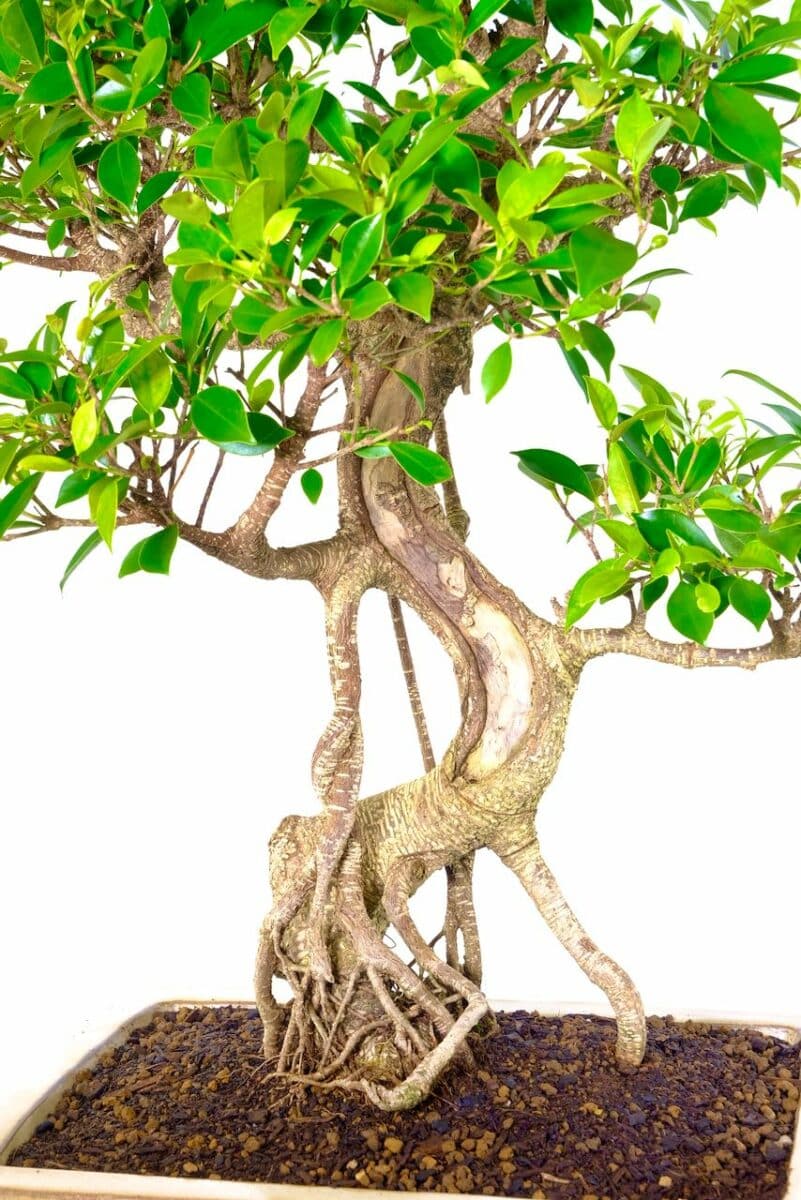
Ficus Bonsai Tree Care (Banyan Bonsai) – Pruning, Feeding, Watering and Positioning
If you're looking for some guidance about Ficus bonsai tree care, you’re in the right place! In this video, Bonsai Master Lloyd Noall shares expert advice on how…
Read More
Lloyd and Holly – A series of repotting bonsai trees | Pt4
Holly and Lloyd have repotted these two magnificent bonsai! Have you enjoyed learning more about repotting bonsai trees? If you like these repotting series, please let us know…
Read More
I’ve recently started a Ficus Bonsai and was struggling with pruning it correctly. The advice on pruning and root care really helps clarify things for me. It’s reassuring to know that as long as I follow the right steps, I can keep it looking good!
Honestly, this completely exceeded my expectations. Shipping a live bonsai can be risky, but it arrived perfectly pruned, well-hydrated, and without a single broken branch. The packaging was top-notch.