


Are Bonsai Trees Hard To Take Care Of?
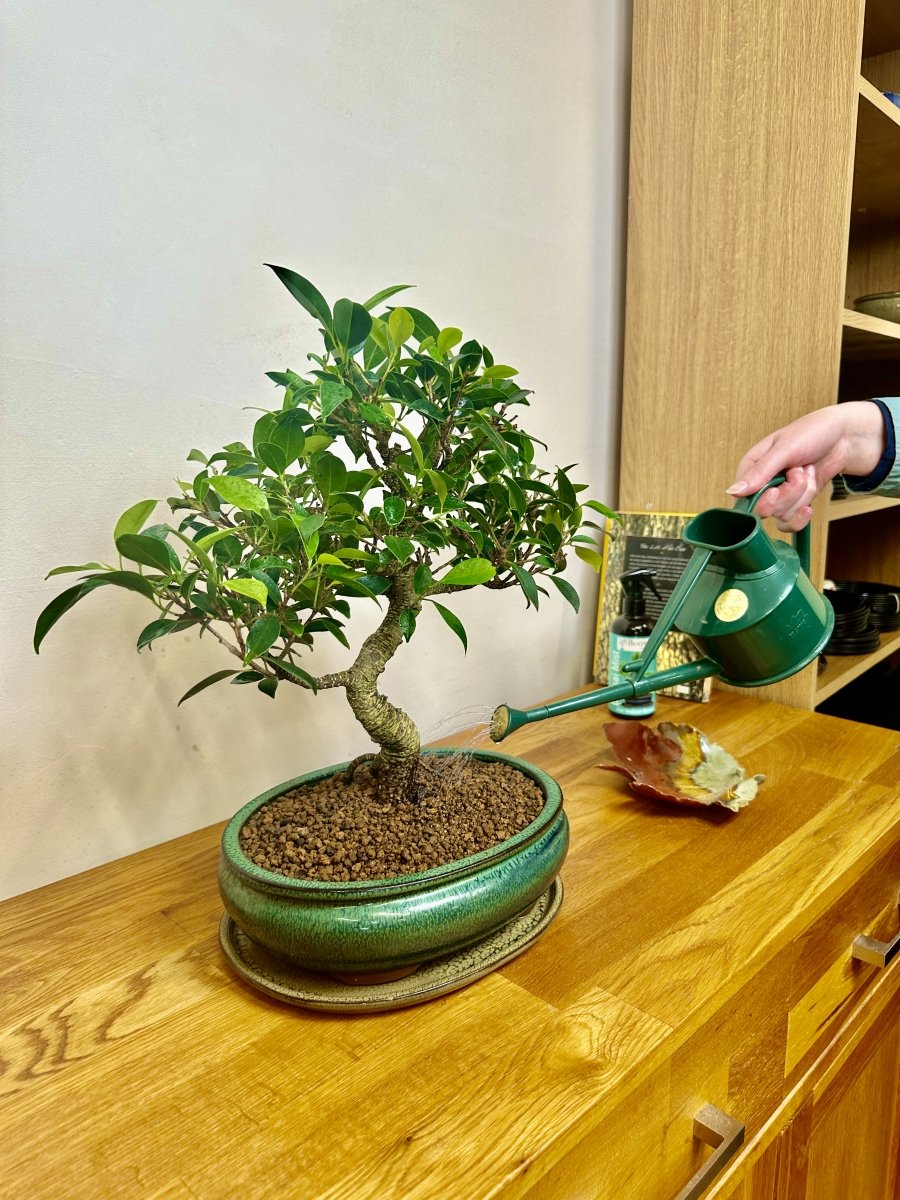
Bonsai trees are not hard to take care of, but they are different from typical houseplants. Once you understand a few simple principles and choose the right species, most people find bonsai straightforward, relaxing, and highly rewarding to grow.
In fact, many beginners are surprised by how manageable bonsai care becomes once they move past the common misconceptions.
Why People Think Bonsai Trees Are Difficult
At first glance, bonsai can seem complicated. They often appear delicate, high maintenance, and associated with years of expert training. As a result, many people assume they are difficult to care for.
However, this perception usually comes from misunderstanding rather than reality. Bonsai are simply miniature trees grown in small pots, and like any plant, they follow basic care rules. Once you learn those, everything becomes much easier.
Are Bonsai Trees Actually Hard to Care For?
In most cases, bonsai trees are not difficult to care for. Instead, they require consistency rather than complexity.
For example, you don’t need specialist skills to get started. You simply need to:
- Water correctly
- Place the tree in the right position
- Feed regularly
- Trim to maintain shape
- Repot when required
As long as you follow a regular routine, bonsai care becomes second nature. Over time, it often feels more intuitive than demanding.
What Makes Bonsai Easy or Difficult
The Type of Bonsai You Choose
The biggest factor is the species. Some bonsai are naturally more forgiving, which makes them ideal for beginners.
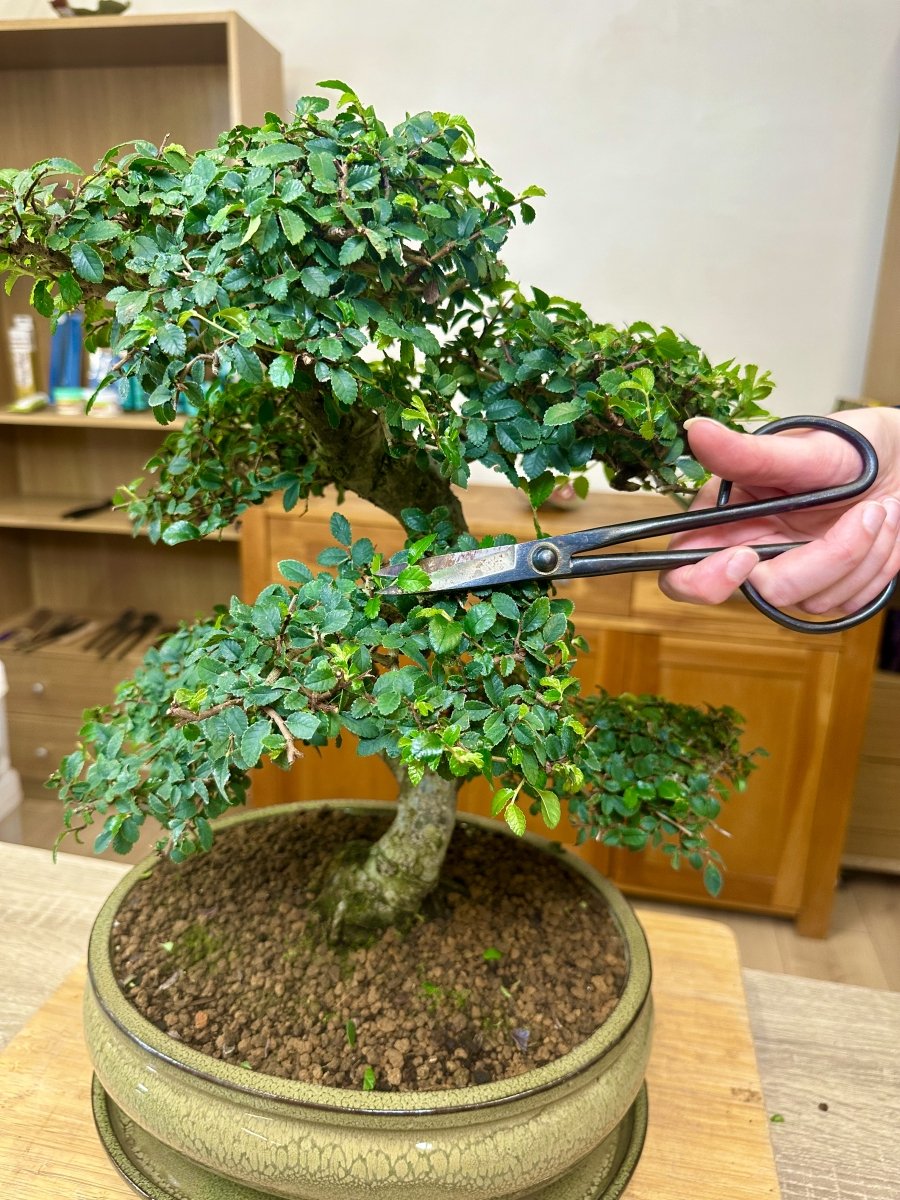
For instance, Ficus, Chinese Sweet Plums and Chinese Elm bonsai tolerate small mistakes and adapt well to indoor environments. On the other hand, more sensitive species may require tighter conditions.
Therefore, choosing the right tree from the start makes a significant difference.
Indoor vs Outdoor Bonsai
Another key factor is whether your bonsai is kept indoors or outdoors.
Indoor bonsai tend to be easier for beginners because they live in stable conditions year-round. In contrast, outdoor bonsai follow natural seasonal cycles, which means you need to adjust care throughout the year.
That said, both can be easy to manage once you understand their needs.
Your Care Routine
Bonsai thrive on consistency. Rather than requiring complex techniques, they respond best to simple, regular care.
For example, checking the soil daily and watering when needed is far more important than following rigid schedules. Once this becomes part of your routine, caring for a bonsai feels natural and low effort.
Bonsai Care Made Simple
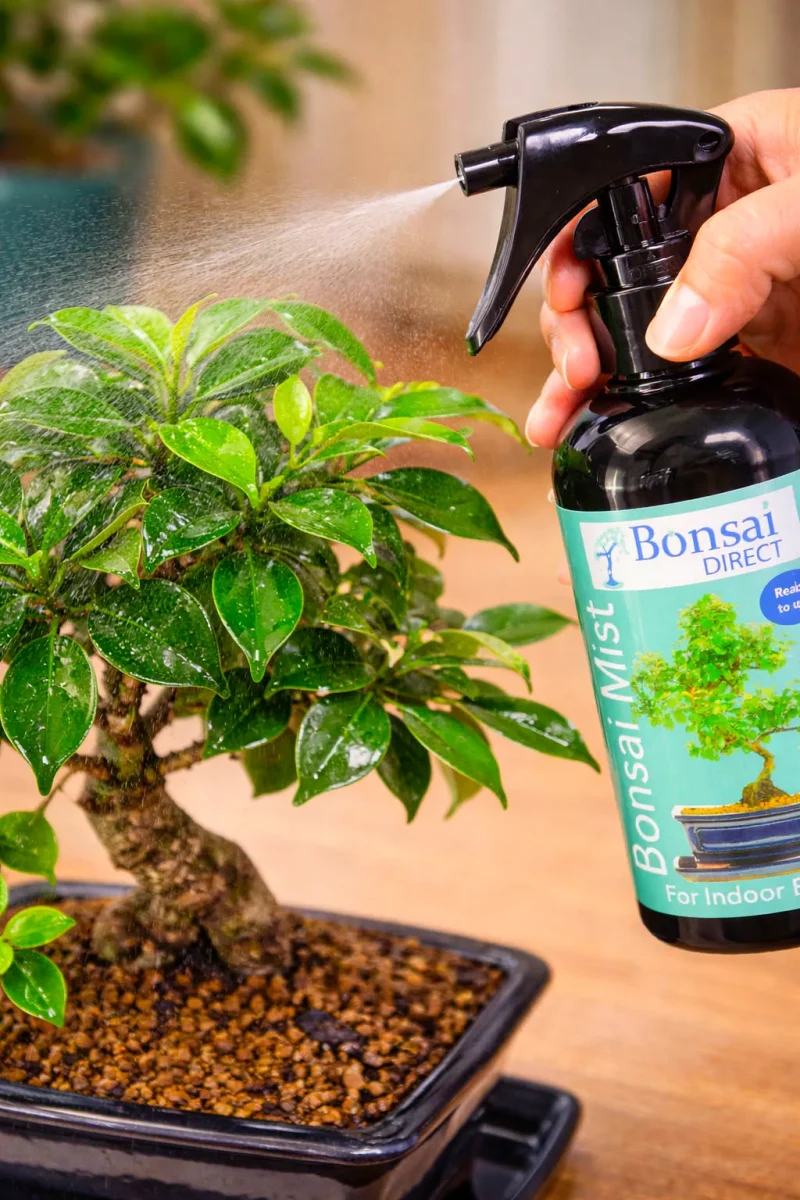
Although bonsai care may seem detailed, it comes down to a few core elements.
Watering is the most important. You should keep the soil just damp, allowing the top layer to dry a little between watering. Overwatering is more harmful than underwatering, so balance is key. Watering will differ depending on the species, time of year, and each individual environment.
Light also plays a crucial role. Most bonsai prefer bright positions, although the exact requirement depends on the species. Indoor bonsai thrive in well-lit rooms with indirect sunlight, while outdoor bonsai benefit from full or partial sun.
In addition, feeding supports healthy growth. During the growing season, weekly feeding helps maintain strong foliage and structure. Indoor bonsai should be fed all year round.
Finally, pruning keeps the tree compact and encourages dense growth. However, this does not need to be complicated! Light, regular trimming is usually enough to maintain the existing shape.
Easiest Bonsai Trees to Care For
If you want to make things as simple as possible, choosing an easy species is the best approach.
Ficus bonsai are widely considered the easiest option, as they tolerate lower light and are a slow growing species. Chinese Elm bonsai are also very forgiving and adapt well to different environments. Chinese Sweet Plum offer the added benefit of fruiting while remaining manageable indoors. For outdoor options, Juniper and Pine bonsai are hardy, resilient, and evergreen, making them a reliable choice.
By starting with one of these, you remove most of the difficulty straight away.
Common Bonsai Mistakes to Avoid
While bonsai are not difficult, a few common mistakes can cause problems.
Overwatering is one of the most frequent issues. Many beginners water too often, which can damage roots. Instead, always check the soil before watering.
Incorrect placement is another common mistake. For example, placing an indoor bonsai in direct harsh sunlight or an outdoor bonsai inside can lead to poor health.
Finally, many people overcomplicate care. In reality, bonsai respond better to simple, consistent routines than constant adjustments.
Final Verdict: Are Bonsai Trees Hard to Take Care Of?
Bonsai trees are not hard to care for. They simply require a slightly different approach compared to standard houseplants.
Once you understand the basics and choose a suitable species, bonsai become easy to manage and highly enjoyable to grow. In fact, many people find the process relaxing, as it encourages routine, patience, and attention to detail.
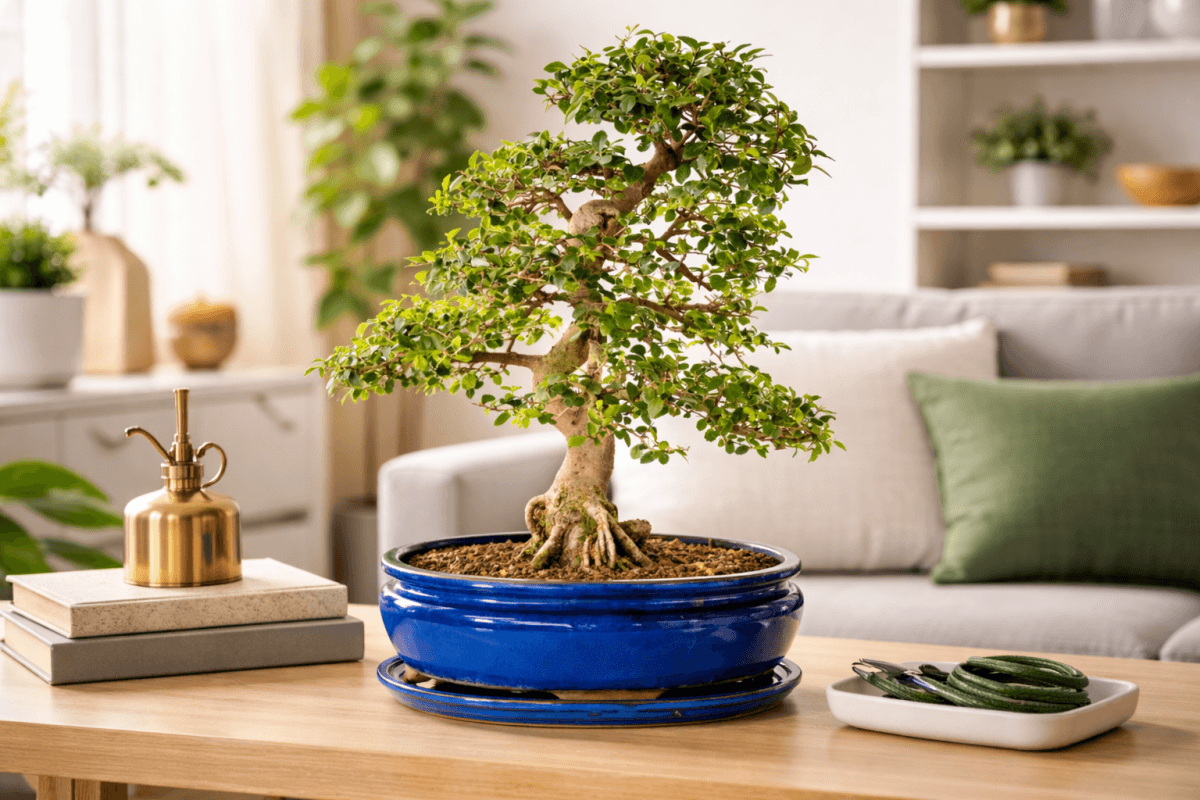
If you start with the right tree and keep your care simple and consistent, bonsai quickly become one of the most rewarding plants you can own.
FAQs
How often should I water a bonsai tree?
Water your bonsai when the top layer of soil begins to dry. This means checking daily rather than following a fixed schedule.
Can bonsai trees live indoors?
Yes, many species grow well indoors with enough light. See our indoor bonsai here.
What is the easiest bonsai tree to care for?
Ficus bonsai are generally the easiest, followed closely by Chinese Elm and Juniper (for outdoor growing). The Chinese Elm enjoys a cooler space indoors, it can actually live outdoors with winter protection. The Ficus thrives indoors, but will enjoy most of the year outdoors if you choose – they are not winter hardy therefore must come indoors during cooler weather.
Do bonsai trees need a lot of maintenance?
No, bonsai need regular but simple care. Once you establish a routine, maintenance becomes quick and straightforward. Species such as the Ficus, Juniper and Tea Tree are slow growing species and may benefit those who live a busier lifestyle. If you want to enjoy a fast growing species, choose a Chinese Elm or Chinese Sweet Plum.
We have a wide range of videos available across our social media channels, including long form content on YouTube. All bonsai purchased from us will include free care instructions. Not only this, but we are always happy for our customers to reach out with any questions or concerns!
Related Content
Bonsai: The Complete Beginner’s Guide
Discover the fascinating world of bonsai with our complete beginner's guide. Drawing on around 40 years of commercial growing experience, we explain what a bonsai tree is, how…
Read More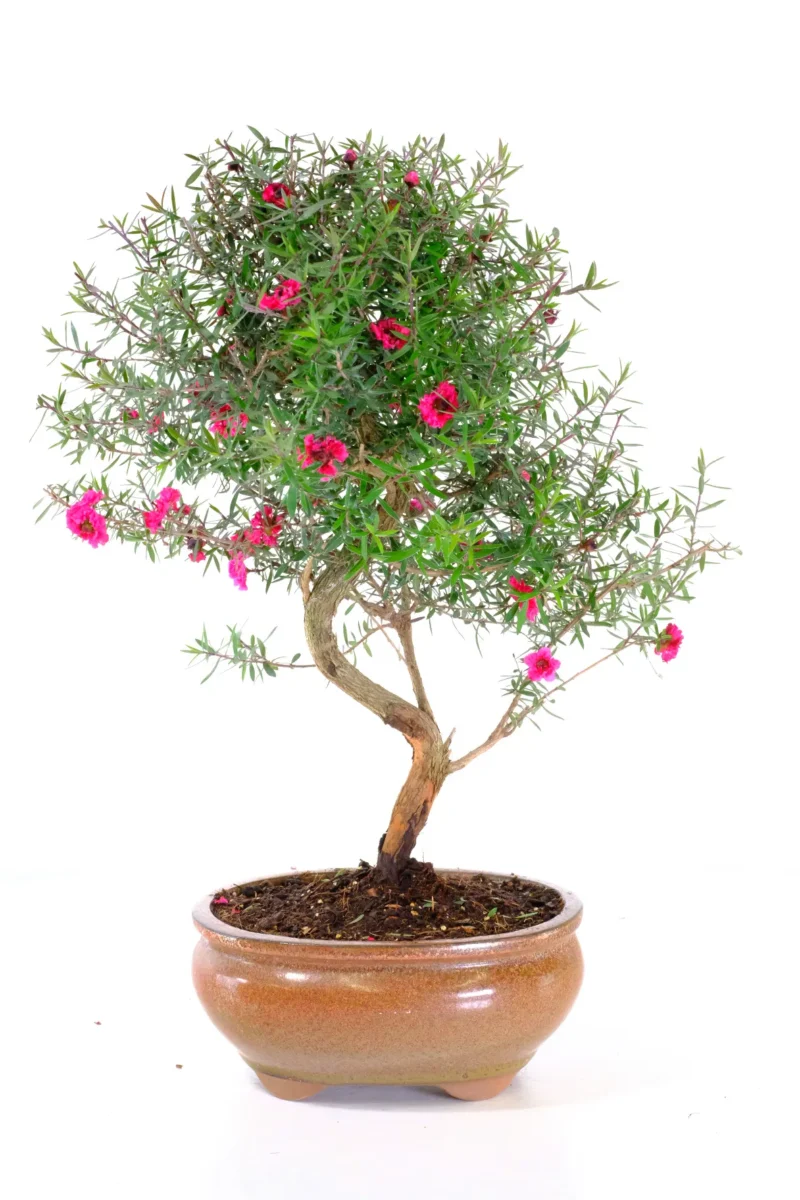
Leptospermum scoparium Bonsai: The New Zealand Manuka Tea Tree Guide
The Manuka Tea Tree Bonsai Few flowering bonsai species combine elegance, cultural significance, and seasonal beauty quite like Leptospermum scoparium. Commonly known as the New Zealand Manuka Tea…
Read More
Why Is My Bonsai Tree Dying? Here’s How to Bring It Back to Life
Discover the main reasons why your bonsai tree may be struggling and how to help it recover.
Read More
Can Any Tree Be a Bonsai?
Can any tree become a bonsai? While many species can be trained, not all are suited to the art. Learn which trees work best and how to choose…
Read More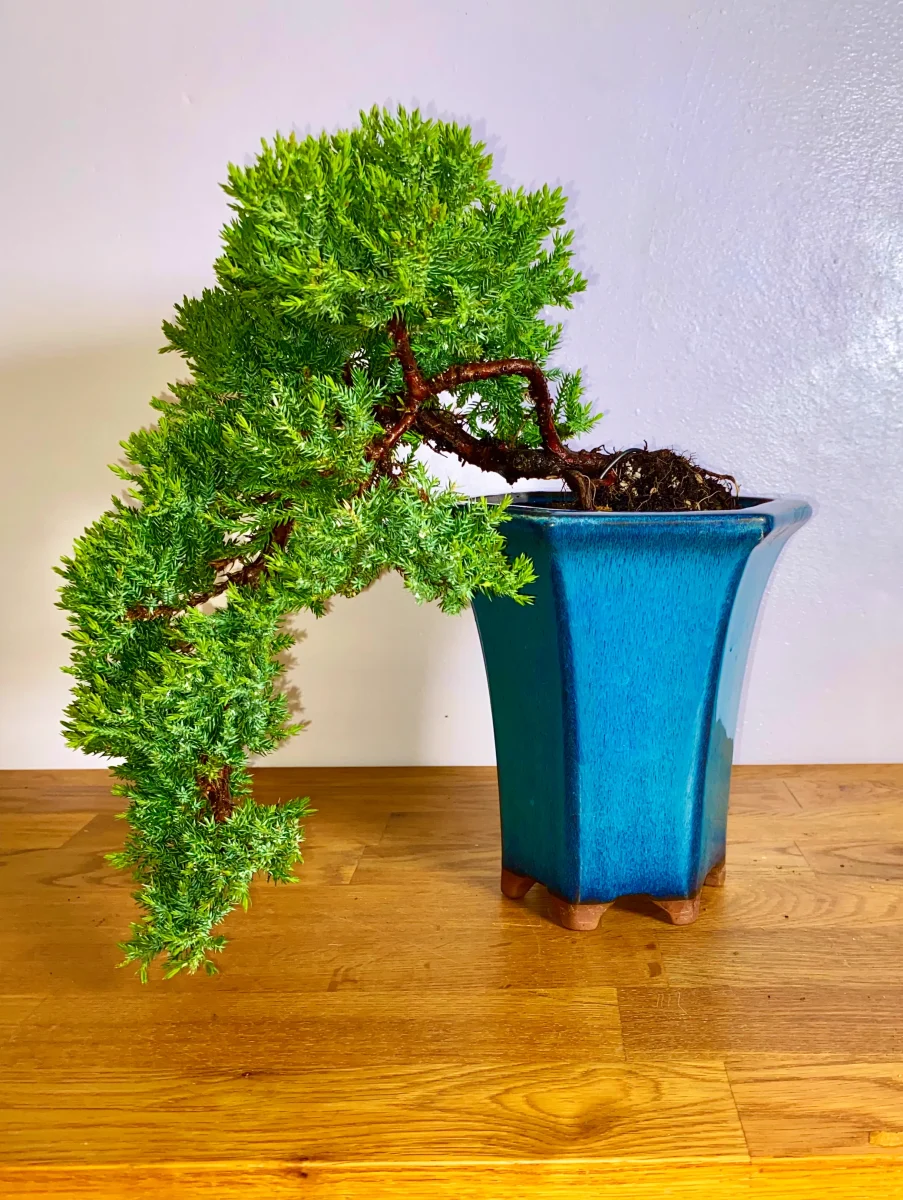
Displaying Outdoor Bonsai Indoors
Discover how to safely display an outdoor bonsai indoors, why you shouldn't keep them inside for s long period of time, and why you shouldn't bring them in…
Read More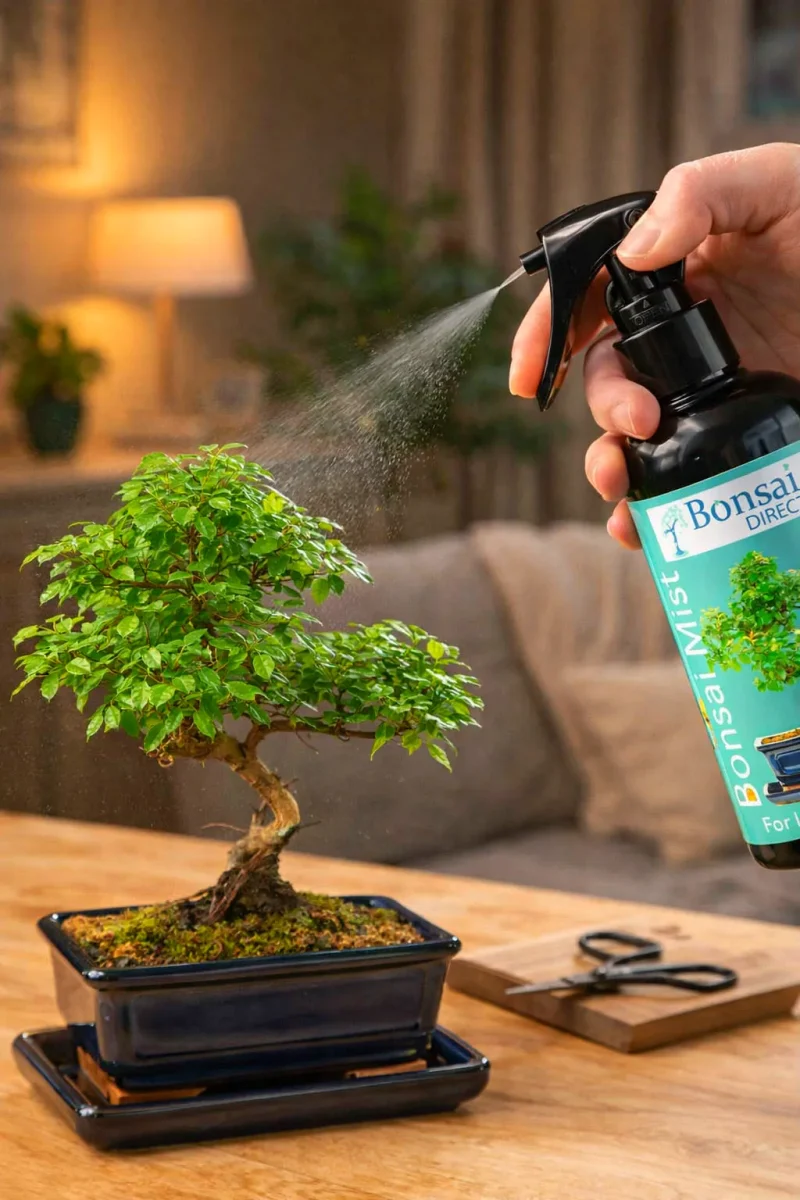
Misting Bonsai: What We’ve Learned from Real Bonsai Nursery Trials
Misting bonsai is often misunderstood, especially when it comes to indoor trees. In this expert guide from Bonsai Direct, we explain how to mist indoor bonsai correctly, why…
Read More
Essential Bonsai Tools: A Complete Guide for Beginners and Enthusiasts
Discover the essential bonsai tools every grower needs, from precision scissors to trunk splitters. Learn what each tool does and how to use them to shape, prune, and…
Read More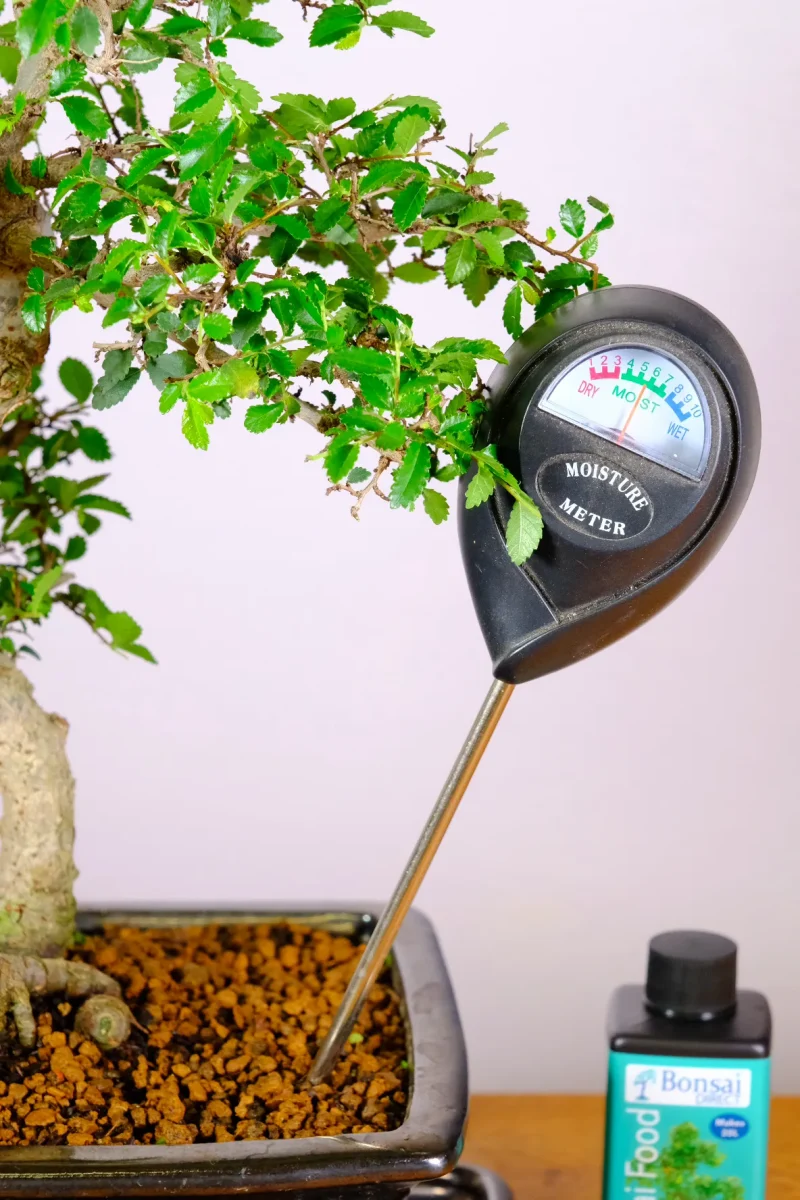
Moisture Metres and Bonsai Watering – A Helpful Tool or Just Another Gadget?
Are moisture meters useful for bonsai care? We tested them across multiple species to find out. Discover the ideal moisture levels, when to water, and how to use…
Read More
Thanks for the helpful insights into caring for bonsai trees! I especially appreciated the emphasis on choosing the right tree for your experience level — it’s such an important first step for beginners. The beginner kits sound like a great way to get started without feeling overwhelmed.