

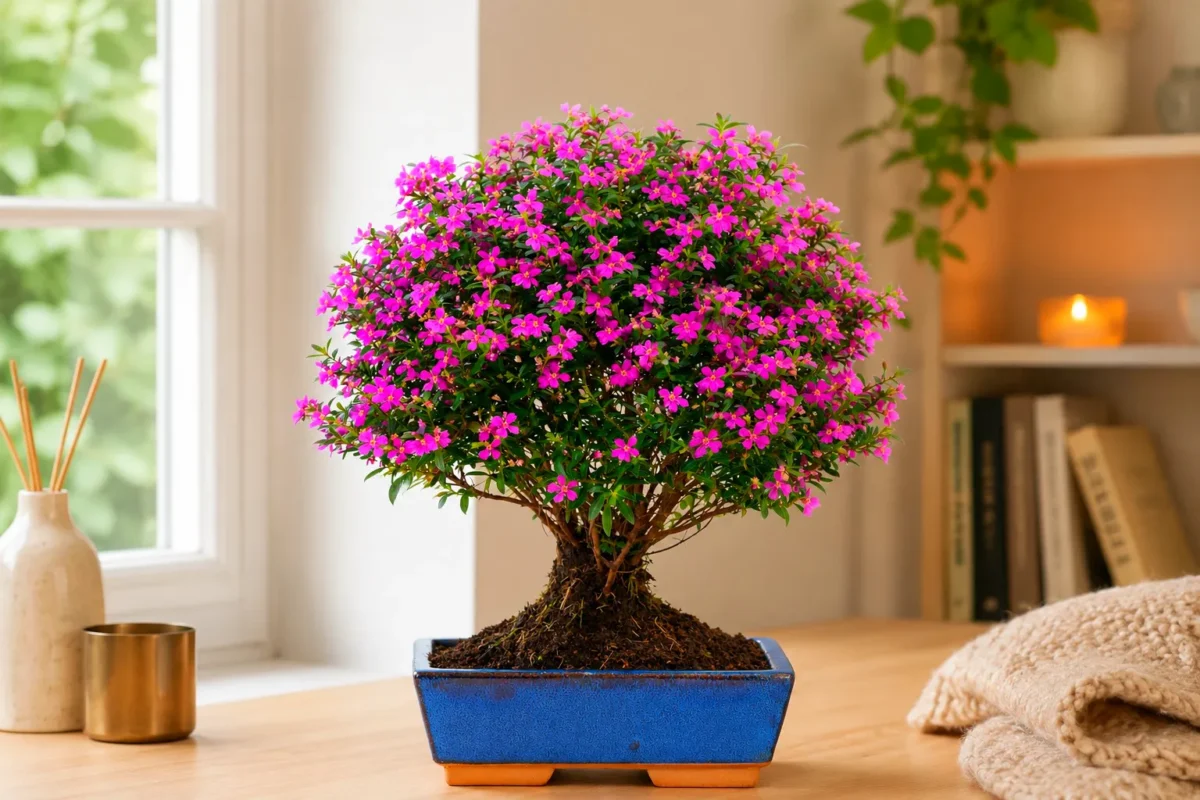
Summer is one of the most rewarding seasons for bonsai enthusiasts. Trees are in full leaf, growth is at its peak, and it’s the perfect time to enjoy your bonsai outdoors. However, warmer temperatures and longer days also bring challenges. Proper watering, protection from extreme heat, and regular maintenance are essential to keep your bonsai healthy throughout the season. Whether you’re new to bonsai or have years of experience, this summer bonsai tree care advice will help your tree flourish.
1. Water More Frequently
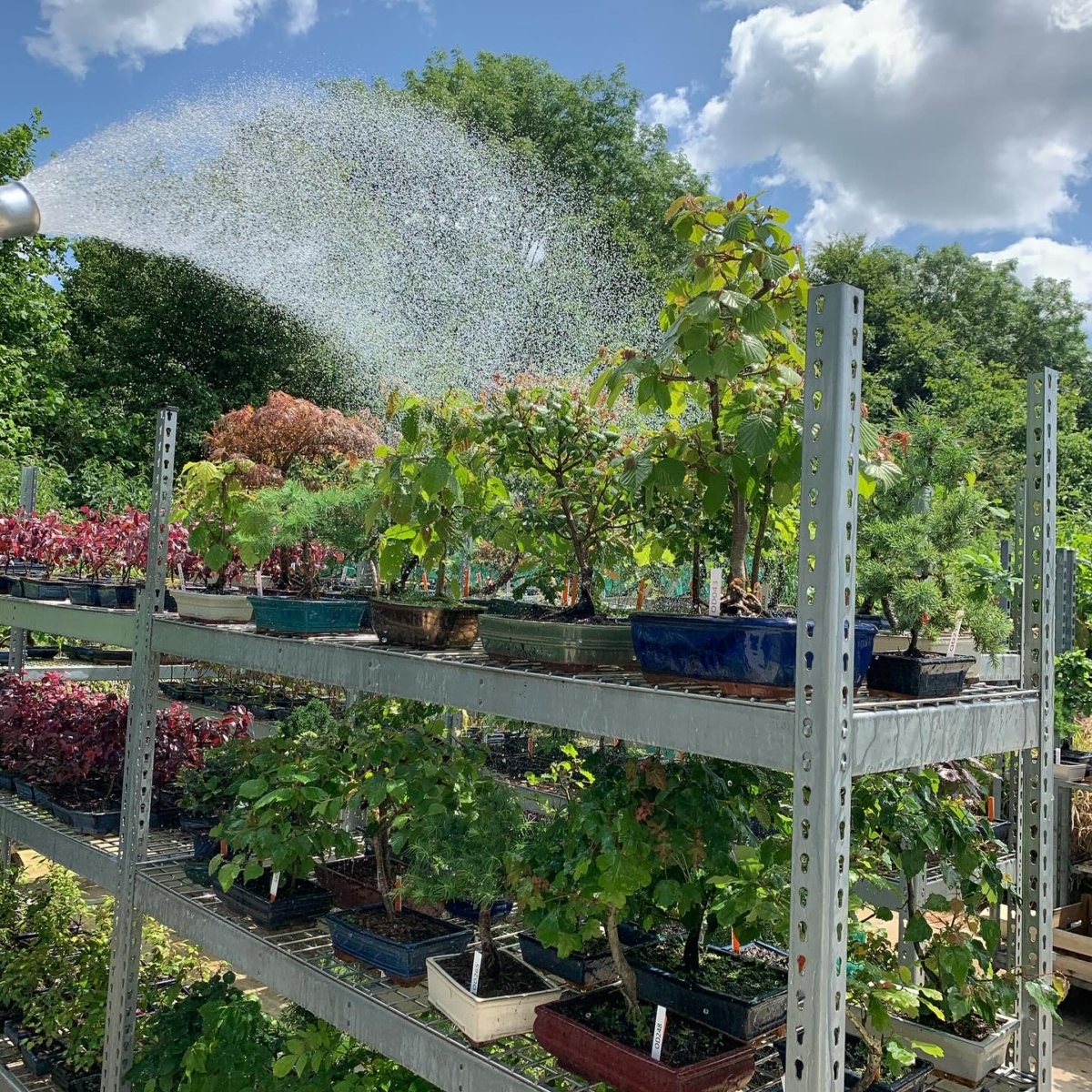
The biggest challenge during summer is keeping your bonsai adequately hydrated. Because bonsai trees grow in shallow pots, the soil dries out much faster than garden plants.
Rather than watering on a fixed schedule, check the soil every day. If the top layer feels slightly dry, it’s time to water thoroughly until water runs freely from the drainage holes. During particularly hot weather, some bonsai may need watering twice a day—especially smaller trees or those in direct sunlight.
Avoid giving small amounts of water regularly. A deep watering encourages healthy root development and ensures the entire root ball is moistened.
2. Find the Right Balance of Sunlight
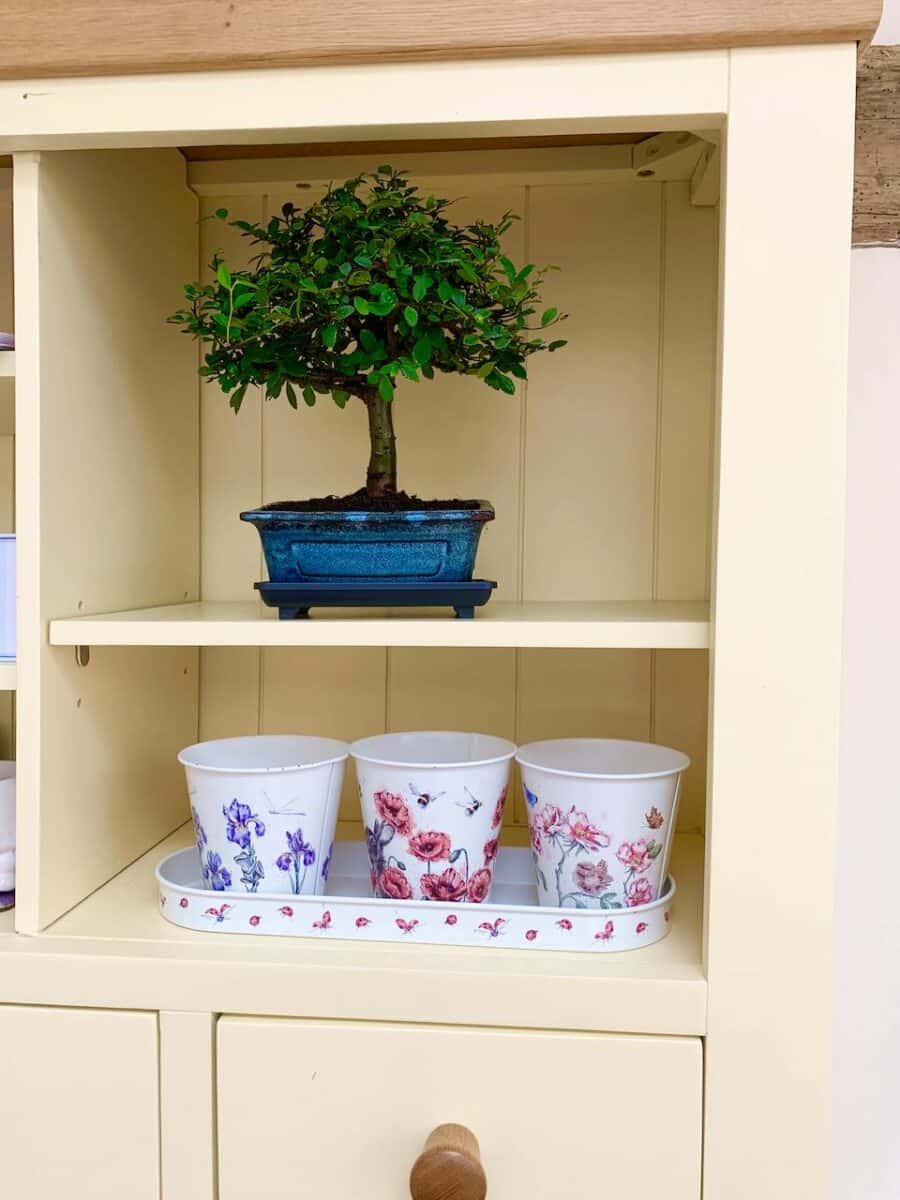
Most outdoor bonsai love sunshine, but prolonged exposure to intense afternoon heat can cause stress, scorch leaves, or dry the soil too quickly.
Morning sun followed by light afternoon shade is ideal for many species during heatwaves. If temperatures rise significantly, consider moving your bonsai to a sheltered position where it still receives plenty of natural light but is protected from the strongest midday sun.
Indoor bonsai should continue to receive bright, indirect light and should not be placed next to hot windows where temperatures can become excessive.
3. Feed for Healthy Summer Growth
Summer is an active growing season, making it an excellent time to feed your bonsai with a balanced fertiliser.
Regular feeding helps maintain vibrant foliage, encourages healthy shoots, and supports strong root systems. Follow the manufacturer’s recommendations, as overfeeding can damage your tree.
If your bonsai is showing signs of stress from extreme heat, wait until conditions improve before applying fertiliser.
4. Keep an Eye Out for Pests
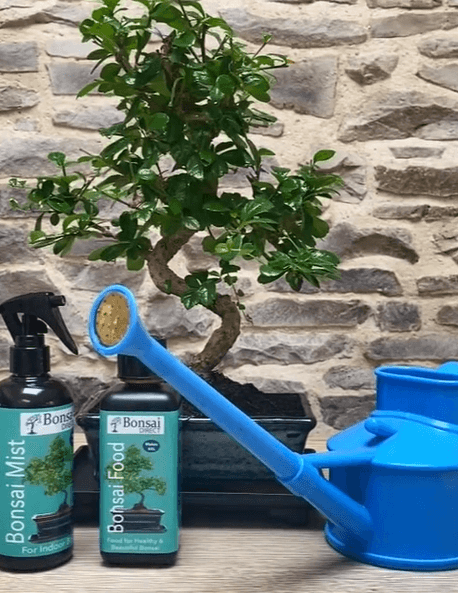
Warm weather encourages not only healthy growth but also unwanted visitors.
Common summer pests include:
- Aphids
- Spider mites
- Scale insects
- Whitefly
Inspect your bonsai regularly, paying particular attention to the undersides of leaves and new shoots. Early detection makes treatment much easier and helps prevent serious infestations.
Good airflow around your tree also reduces the risk of fungal problems developing during humid weather.
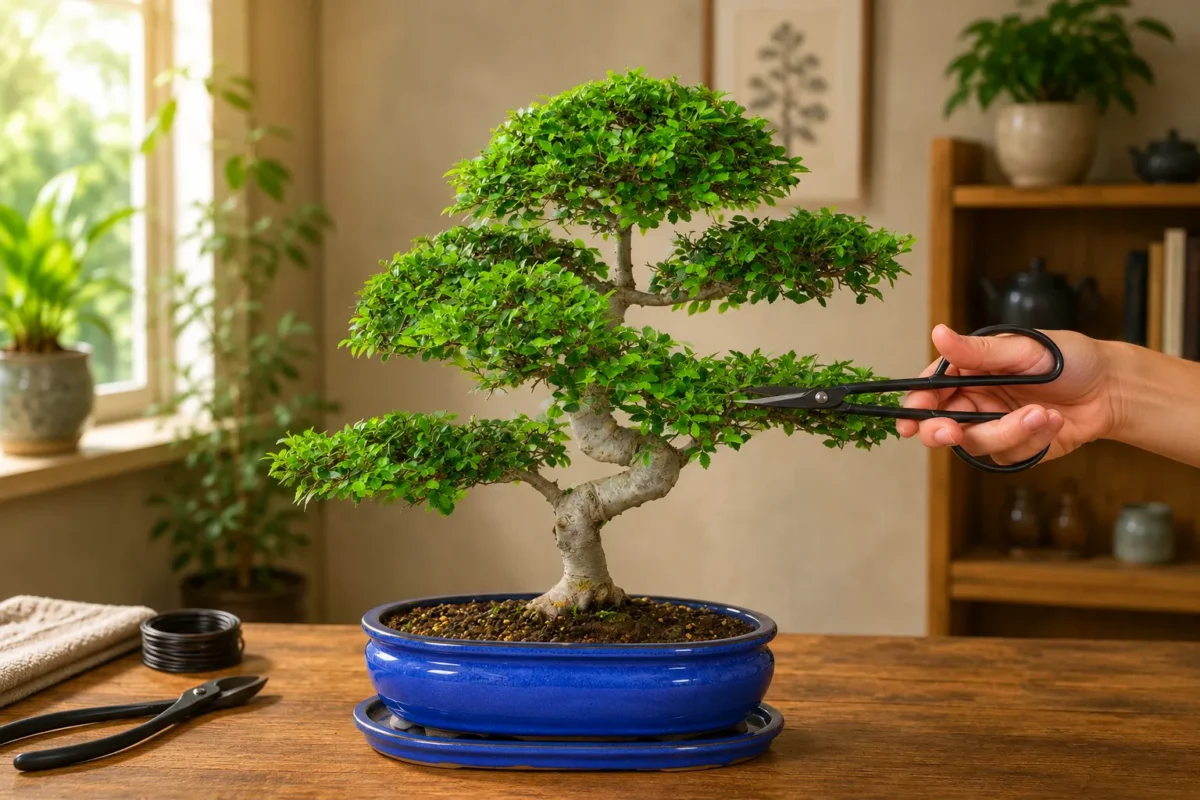
5. Prune Carefully
Summer is an excellent time for maintenance pruning to keep your bonsai looking neat and balanced.
Remove excessively long shoots to maintain the tree’s shape and encourage finer branching. However, avoid heavy structural pruning during periods of intense heat, as this can place unnecessary stress on the tree.
For vigorous species, regular light trimming throughout summer often produces the best results.
6. Watch for Signs of Heat Stress
Even healthy bonsai can struggle during prolonged hot spells.
Look out for:
- Wilting despite moist soil
- Brown or scorched leaf edges
- Yellowing leaves
- Premature leaf drop
If you notice these symptoms, move the bonsai to a cooler, shaded location and ensure it receives adequate water. Avoid drastic changes and allow the tree time to recover naturally.
7. Don’t Forget Humidity
Hot, dry conditions can reduce humidity around your bonsai.
Placing the pot on a humidity tray filled with water and pebbles can help create a more favourable environment, particularly for indoor bonsai. Just make sure the pot sits above the water level rather than directly in it, preventing the roots from becoming waterlogged.
8. Delay Repotting Until the Right Season
Although summer is full of growth, it’s generally not the ideal time to repot most bonsai species. Repotting is usually best carried out in early spring when trees are preparing for new growth.
Instead, focus on keeping your bonsai healthy through careful watering, feeding, and regular maintenance.
Summer Care Checklist
Before you head out into the garden, remember these essential summer tasks:
- Check soil moisture daily.
- Water thoroughly whenever needed.
- Protect from intense afternoon sun.
- Feed regularly during active growth.
- Inspect for pests every week.
- Carry out light maintenance pruning.
- Monitor for signs of heat stress.
- Enjoy watching your bonsai thrive.
XXX SUMMER CARE XXX
Best Bonsai Trees for Summer
Summer is when many bonsai species are at their most vibrant, producing lush foliage and putting on strong growth. Outdoor favourites such as Juniper, Chinese Elm, and Pine bonsai all thrive during the warmer months when given the right care. Junipers enjoy plenty of sunshine and are well suited to outdoor growing, while Chinese Elms are prized for their resilience and adaptability. Also, Japanese Maples bring stunning green or deep red foliage to any collection but appreciate some afternoon shade during particularly hot weather to prevent leaf scorch. Flowering and fruiting species can also perform beautifully in summer once their spring blooms have finished, rewarding growers with attractive foliage and compact growth. Choosing a species that’s well suited to your garden conditions and providing consistent watering and care will help ensure your bonsai remains healthy and attractive all season long.
Enjoy Your Bonsai All Summer Long
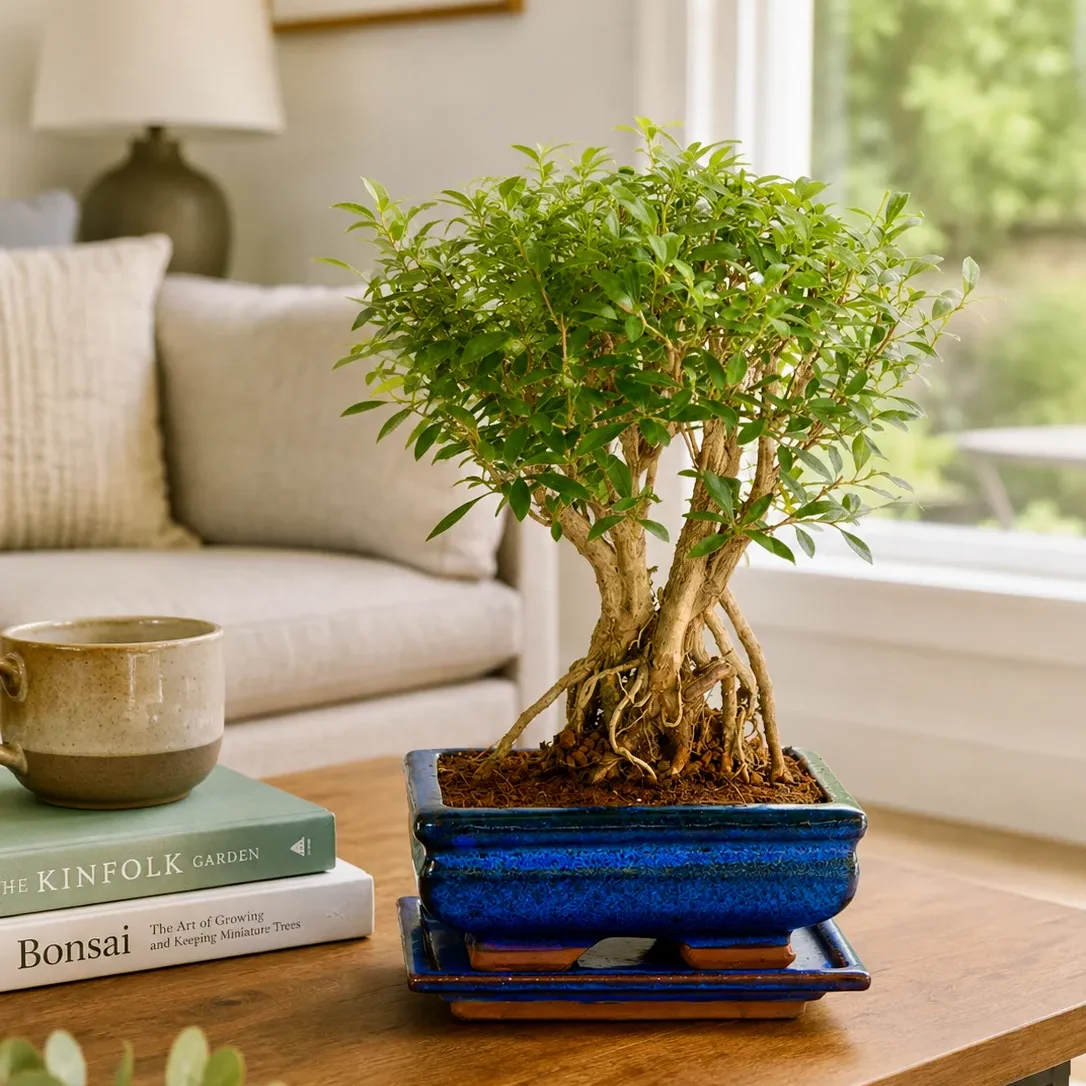
With just a little extra attention during the warmer months and the right summer bonsai tree care, your bonsai can remain healthy, vigorous, and beautiful throughout the summer season. Consistent watering, sensible positioning, and regular maintenance will reward you with lush foliage and strong growth.
At Bonsai Direct, we’re passionate about helping growers of all experience levels succeed. Whether you’re looking for your first bonsai, specialist tools, pots, or care accessories, we’re here to support your bonsai journey every step of the way.
Happy growing!



0 replies