


Misting Bonsai: What We’ve Learned from Real Bonsai Nursery Trials
When people talk about misting bonsai, the advice online is often far too simplistic. Some say it does nothing. Others treat it like a substitute for watering. Then there are DIY mixtures involving soap, oil, or homemade sprays, which in our experience can create more problems than they solve. At Bonsai Direct, we take a different view.
After decades of commercial bonsai growing, and especially through our indoor bonsai misting trials during 2025-2026, we have seen that misting bonsai can be highly beneficial when it is done properly, consistently, and for the right reasons. However, it only works as part of a wider care routine. Misting is not root watering. It is not a cure-all. Instead, it is a foliage care technique that can improve humidity, support leaf health, reduce stress, and help keep indoor bonsai in better overall condition.
This article explains exactly how we approach misting bonsai, why we recommend it, and how to do it without causing the problems that poor advice can create.
What does misting bonsai actually mean?
When we talk about misting bonsai, we are referring to misting the foliage only. We are not talking about wetting the soil surface as a substitute for proper watering.
That distinction is extremely important.
A bonsai tree still needs its rootball watering in the usual way. The compost must remain appropriately damp for the species you are growing. Misting sits alongside that. In other words, you mist the leaves to support the foliage and the local environment around the tree, while you water the soil separately to keep the roots healthy.
Confusing those two jobs is where many growers go wrong.
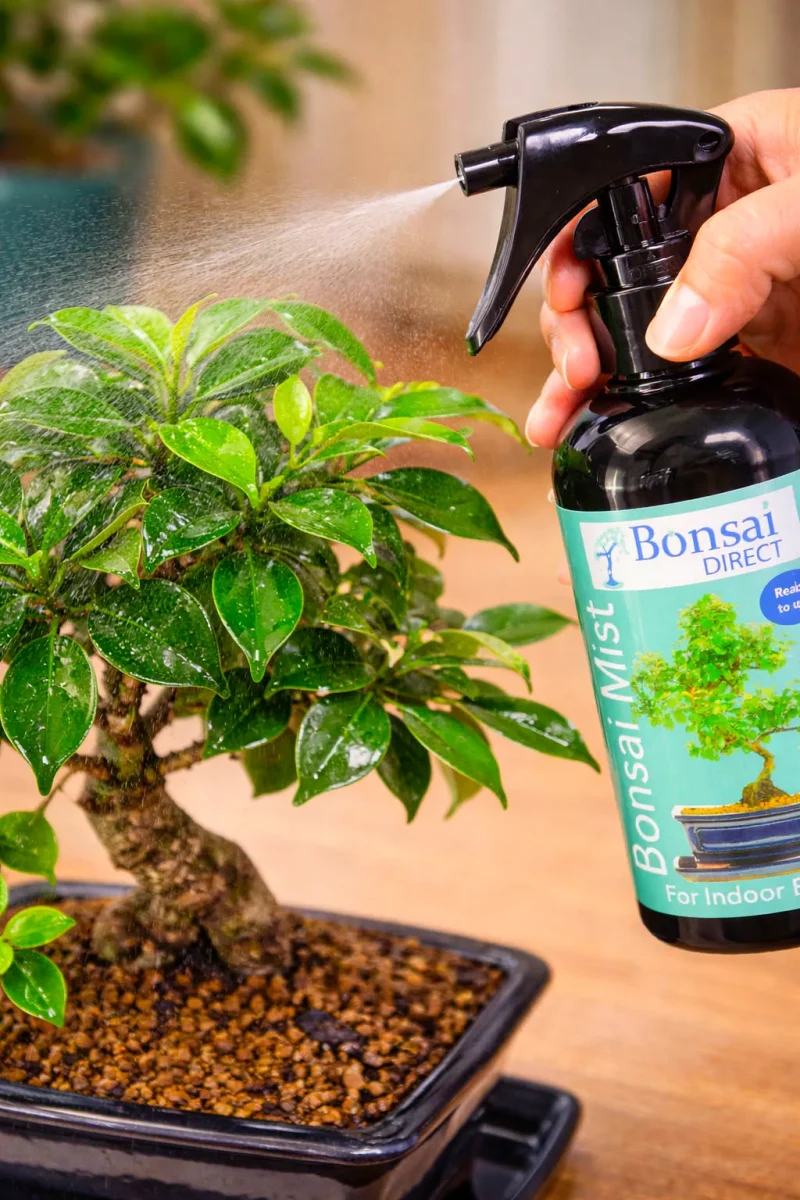
Why we recommend misting indoor bonsai
Indoor bonsai live in conditions that are often very different from their natural environment. Even in a bright room, the air can become dry, especially during the colder months when central heating is on. As a result, leaves can lose moisture more quickly, the atmosphere around the tree becomes less comfortable, and the bonsai can look tired or stressed.
This is where misting bonsai can help.
A good misting routine can raise humidity immediately around the foliage, refresh the leaves, reduce dust build-up, and support cleaner, healthier leaf surfaces. Moreover, when you use the right products at the right time, misting can also act as a gentle foliar feed and a useful preventative measure against certain pests and diseases.
In our trials, we found that a structured misting routine produced noticeably better foliage quality on indoor bonsai. Leaves looked cleaner, fresher, and more vibrant. New growth appeared stronger. Overall condition improved. Therefore, we now see misting as a valuable part of indoor bonsai care when it is used sensibly.
Our recommended misting bonsai routine
At Bonsai Direct, our current recommendation for misting indoor bonsai is simple and practical.
Once a week, use SB Plant Invigorator. Twice a week, use Bonsai Direct Mist or Growth Technology Bonsai Myst. On the other four days, mist with clean water using a fine plant sprayer.
That routine has given us excellent results.
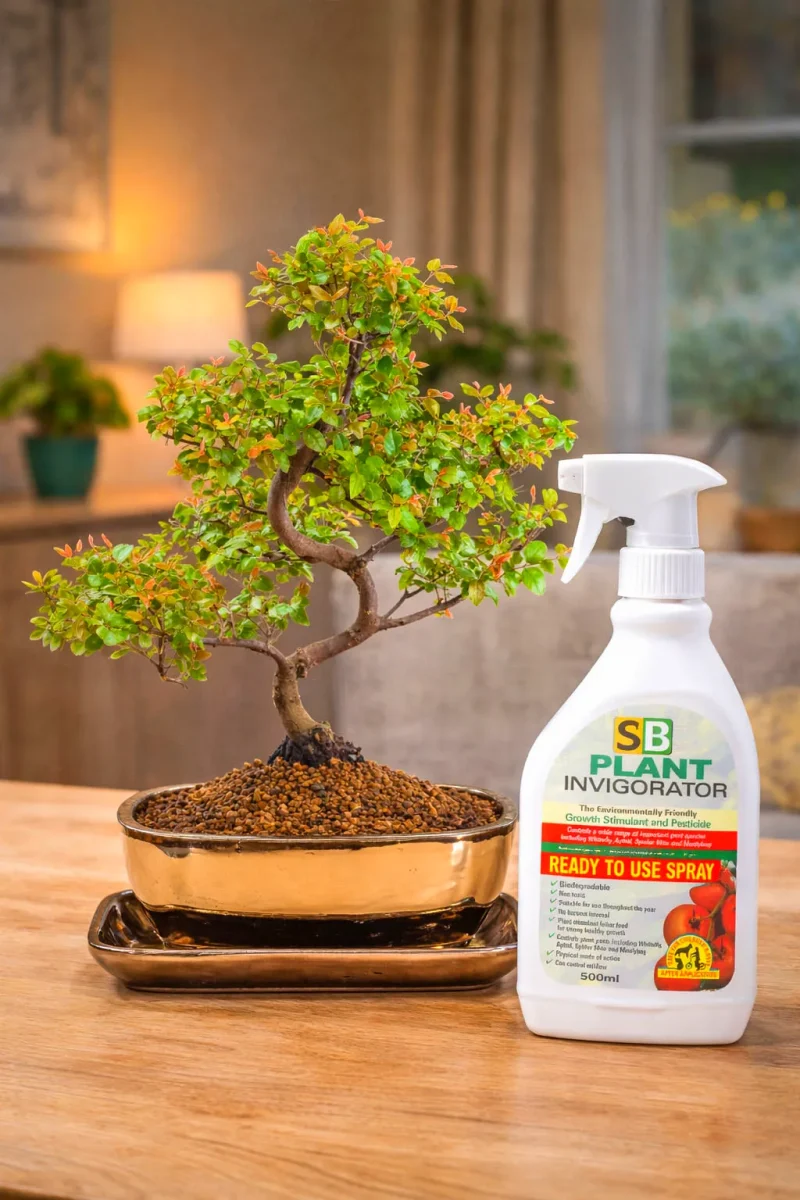
1. Use SB Plant Invigorator once a week
We recommend using SB Plant Invigorator weekly as part of a preventative care routine. If you are actively dealing with a pest issue, you may need to increase use in line with the instructions on the bottle. Crucially, you should spray underneath the leaves as well as over the top, because many pests gather on the undersides of foliage.
We value SB Plant Invigorator for several reasons. First, it acts as a useful foliar feed. Secondly, it works as an organic pesticide or preventative against a wide range of common pests. Thirdly, it can help reduce problems from some fungal diseases, which is particularly helpful when growing bonsai in enclosed or still indoor environments.
We have used it for many years and continue to rate it very highly.
2. Use Bonsai Direct Mist or Growth Technology Bonsai Myst twice a week
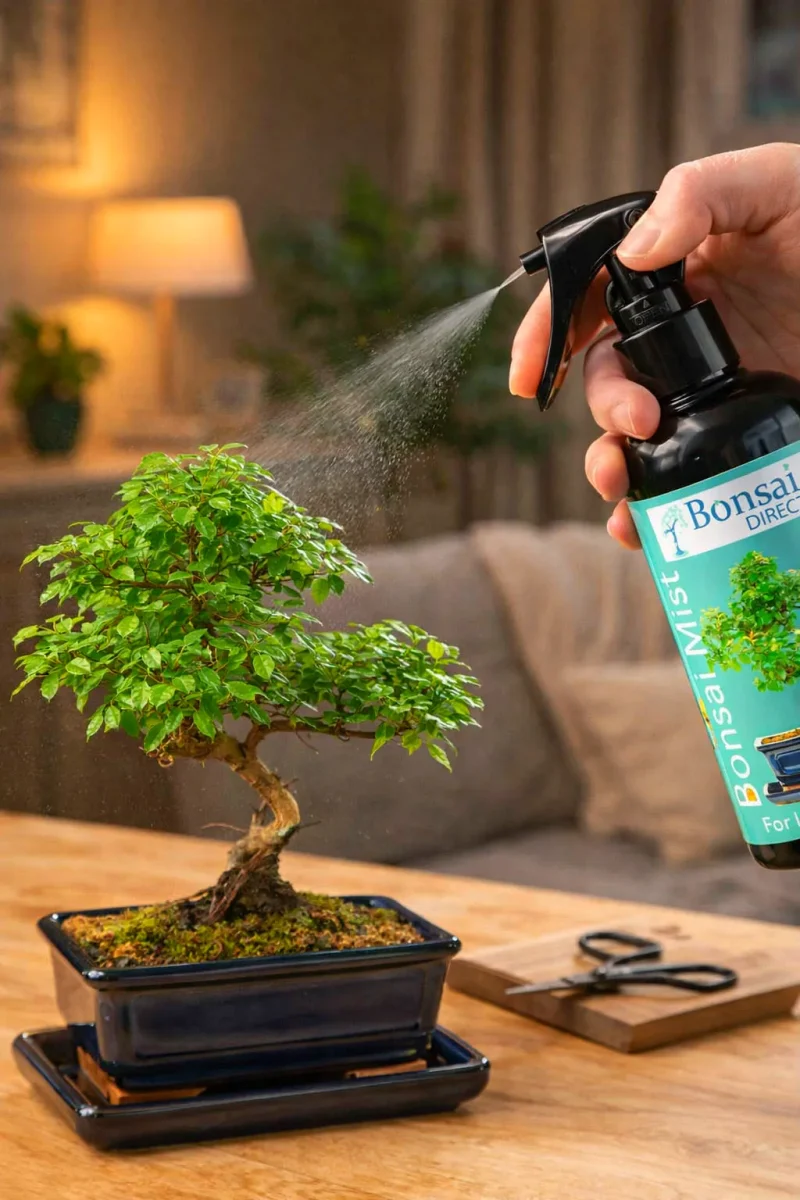
On two additional days each week, we recommend using a dedicated bonsai misting product such as Bonsai Direct Mist or Growth Technology Bonsai Myst.
Bonsai Direct Mist is a ready-to-use foliar spray designed to support healthy growth, vigorous foliage, and improved humidity around the tree. It delivers nutrients directly to the leaves and helps maintain lush, healthy top growth. In addition, it offers light support against pests and disease, which makes it a useful all-round conditioner for indoor bonsai.
Used twice weekly, it fits neatly into a regular foliage care routine without replacing proper watering.
3. Mist with clean water on the other days
On the remaining four days, we recommend misting with clean water using a plant mist sprayer.
This keeps the foliage refreshed and helps maintain a more comfortable microclimate around the tree. It also prevents your routine from becoming too heavily focused on products. In other words, you are combining practical humidity support with targeted foliar feeding and preventative care. If you have a rain water collector use rain water. Tap water is fine but may cause a white residue of calcium carbonate in hard water areas after long term use.
That balance is one reason we believe this routine works so well.
Why this routine works
The reason this approach works is that each part of the routine does a slightly different job.
Plain water misting refreshes the foliage and boosts local humidity. Bonsai Direct Mist or Growth Technology Bonsai Myst adds foliar nutrition and general support. SB Plant Invigorator adds another layer of vigour and pest prevention.
Together, they create a more complete foliage care system.
Just as importantly, this method avoids one of the biggest mistakes in misting bonsai: expecting one quick spray with water to solve every problem. It won’t. However, a consistent programme that combines humidity support, leaf care, foliar feeding, and preventative treatment can make a real difference.
Why DIY bonsai mist recipes are poor practice
We do not recommend homemade DIY bonsai mist recipes involving soap, oil, or improvised mixtures.
In theory, these can sound clever. In practice, they often cause trouble.
The concentration is rarely consistent. Ingredients can sit on the leaves in the wrong way. Residue can build up. Sensitive foliage can react badly. Over time, the tree may end up looking worse rather than better. We have seen enough problems from these homemade approaches to say clearly that they are not good practice.
Does misting bonsai replace watering?
No. It does not.
This is one of the most important points in the whole subject.
Misting bonsai helps the foliage. Root watering supports the root system. Those are two completely different jobs.
A tree can have fresh-looking misted leaves and still need watering at the roots. Equally, a bonsai can have damp compost and still benefit from misting if the air is dry. Therefore, you should never judge watering needs purely by how the surface looks after spraying.
Always assess the actual moisture level in the compost properly for the species you are growing.
Does misting cause root rot?
Not when it is done correctly.
One criticism sometimes made against misting bonsai is that water runs from the leaves into the compost and creates a wet surface. That can happen if the tree is constantly drenched from above or if the soil is already poor and waterlogged. However, that is not an argument against misting itself. It is an argument against bad technique and poor bonsai compost.
When we recommend misting, we mean applying a fine spray to the foliage, not soaking the tree until water is pouring through the pot every day. If you use a proper fine mister, maintain a suitable free-draining bonsai soil, and continue watering correctly at the roots, then misting foliage is not the same thing as overwatering the bonsai.
In our experience, the bigger risk comes from growers misunderstanding the purpose of misting, not from misting itself.
Which bonsai benefit most from misting?
Indoor bonsai benefit the most from this approach, especially species grown in warm rooms or during winter heating.
For example, species such as Chinese Elm, Fukien Tea, Carmona, Ficus, Sweet Plum, Serissa, and Pepper Tree can all respond well to consistent foliage care. Misting is especially useful when the tree is in active growth, when the air is dry, or when you want to keep the leaves clean and vigorous.
Outdoor bonsai are different. In general, we do not see the same need for frequent misting outdoors, where natural airflow and humidity are usually higher. There are exceptions, of course, particularly in very hot weather or with specific recovery situations, but for normal day-to-day care, our strongest recommendation sits with indoor bonsai.
Should you mist bonsai in hot weather?
For indoor bonsai, yes, misting can be very helpful in hot or dry conditions.
For outdoor bonsai, we take a more cautious view, especially in strong midday sun. Some advice online dismisses concerns entirely, but that does not match everything we have observed in practice over many years. We have seen water marks on outdoor bonsai when watering in full sun during hot weather. For that reason, we would not recommend routine midday watering or spraying of outdoor bonsai in intense conditions.
Early morning or later in the day is generally a safer and more sensible approach.
When is the best time to mist bonsai?
For indoor bonsai, morning is usually best. This gives the foliage time to dry naturally and allows the tree to begin the day in a fresher, more humid local atmosphere.
You can also mist later in the day if needed, but avoid leaving foliage constantly wet overnight in cool, still conditions. The aim is to refresh and support the leaves, not keep them wet for long periods.
Consistency matters more than drama. A light, regular misting routine is far better than occasional overdoing it.
How to mist bonsai properly
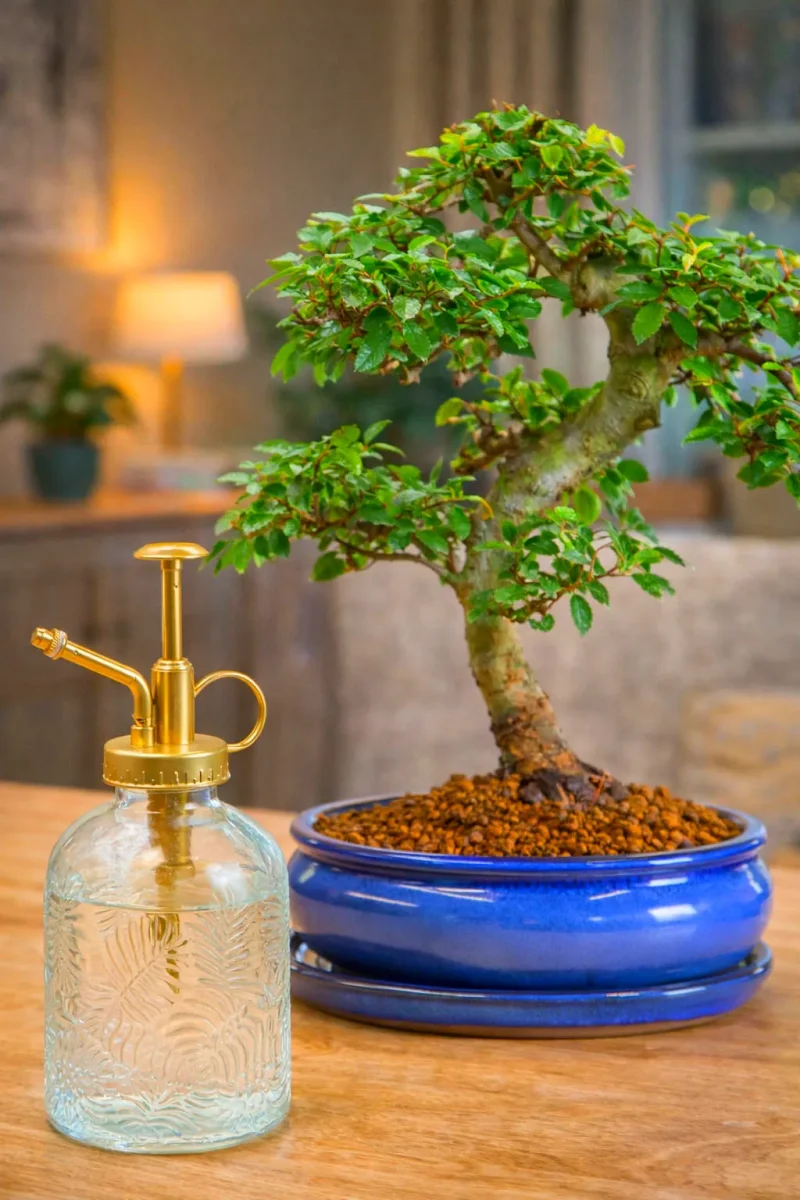
Use a fine mist sprayer, not a heavy spray bottle that drenches the tree. Focus on the foliage rather than the compost. Spray evenly over the leaf canopy and, where relevant, underneath the leaves too. If you are using SB Plant Invigorator or another product spray, always follow the label instructions.
Most importantly, keep misting in its proper place. It supports your bonsai care routine, but it does not replace watering, feeding, light, or correct positioning.
Final thoughts on misting bonsai
Misting bonsai is neither a miracle cure nor a myth. Done badly, it can become pointless or even unhelpful. Done properly, it can be one of the most useful additions to an indoor bonsai care routine.
At Bonsai Direct, our 2025 – 2026 nursery trials confirmed what long experience had already suggested: indoor bonsai respond extremely well to a structured misting routine. That is why we recommend weekly SB Plant Invigorator, twice-weekly Bonsai Direct Mist or Growth Technology Bonsai Myst, and plain water misting on the remaining days.
Used alongside proper root watering and good general care, misting bonsai can improve foliage quality, boost humidity, support healthy growth, and help your tree look its best. In our view, that makes it well worth doing.
Related Content
Bonsai: The Complete Beginner’s Guide
Discover the fascinating world of bonsai with our complete beginner's guide. Drawing on around 40 years of commercial growing experience, we explain what a bonsai tree is, how…
Read More
Summer Bonsai Tree Care: Keep Your Bonsai Thriving in the Heat
Wondering how to care for bonsai trees during summer? This blog gives expert advice on what to looks out for and things to consider, as well as providing…
Read More
Cuphea Hyssopifolia Bonsai: The Tiny Flowering Bonsai That Blooms Almost All Year Round
Discover the beautiful Cuphea bonsai tree with prolific purple flowers. Read about caring for a Mexican Heather, the meaning and symbolism, and choose from our gorgeous selection.
Read More
The Complete Bonsai Watering Guide: How to Water Your Bonsai Tree Correctly
Watering is one of the most important parts of keeping a bonsai tree healthy. Learn how often to water your bonsai, how to spot the signs of overwatering…
Read More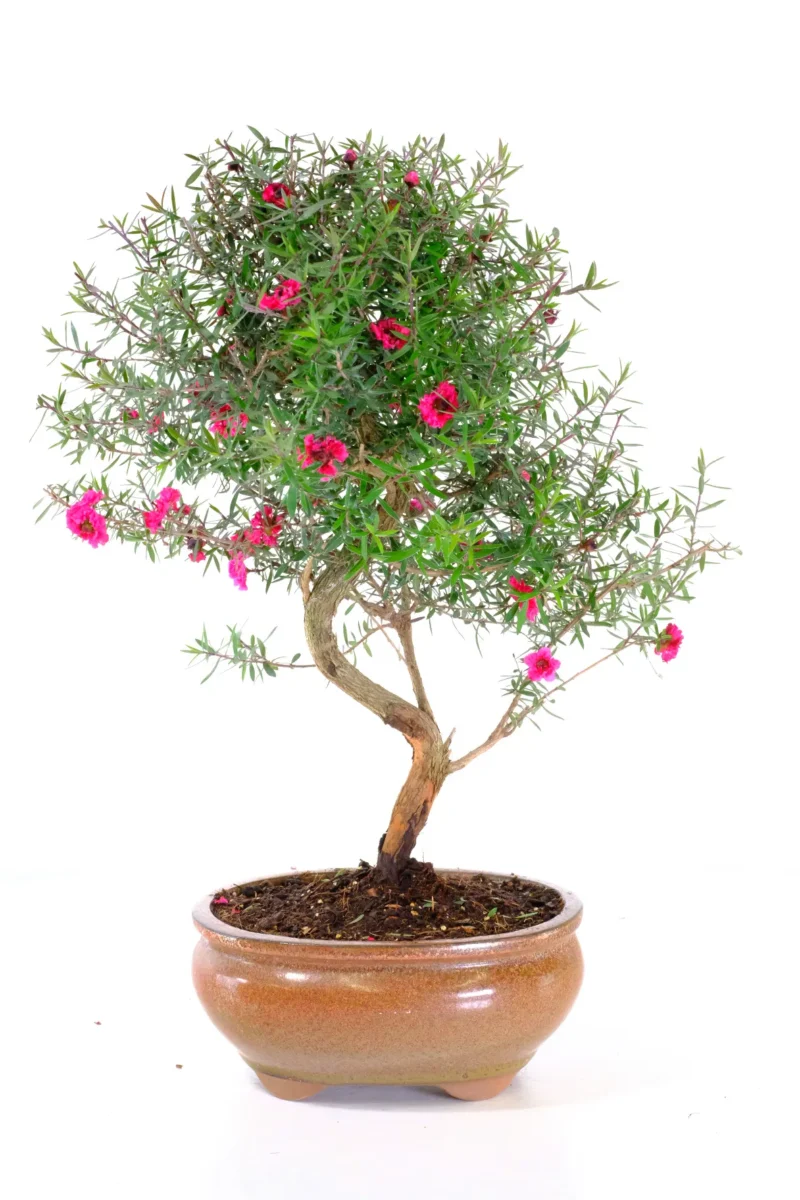
Leptospermum scoparium Bonsai: The New Zealand Manuka Tea Tree Guide
The Manuka Tea Tree Bonsai Few flowering bonsai species combine elegance, cultural significance, and seasonal beauty quite like Leptospermum scoparium. Commonly known as the New Zealand Manuka Tea…
Read More
Why Is My Bonsai Tree Dying? Here’s How to Bring It Back to Life
Discover the main reasons why your bonsai tree may be struggling and how to help it recover.
Read More
Can Any Tree Be a Bonsai?
Can any tree become a bonsai? While many species can be trained, not all are suited to the art. Learn which trees work best and how to choose…
Read More
Displaying Outdoor Bonsai Indoors
Discover how to safely display an outdoor bonsai indoors, why you shouldn't keep them inside for s long period of time, and why you shouldn't bring them in…
Read More