

There are few things more disheartening than looking at your bonsai tree and noticing yellowing leaves, dropping foliage, brittle branches, or a generally unhealthy appearance. The good news? In many cases, a bonsai that looks like it’s struggling isn’t beyond saving.
Bonsai trees are living works of art, but they’re also surprisingly resilient when given the right care. If your bonsai doesn’t look its best, don’t panic. Understanding the common causes of bonsai decline can help you identify the problem and get your tree thriving again.
Let’s explore the most common reasons a bonsai may be struggling and what you can do about it.
1. Underwatering
One of the most common reasons a bonsai tree begins to decline is simply not getting enough water.
Because bonsai trees are grown in relatively small pots, they have limited soil available to hold moisture. During warm weather, windy conditions, or periods of active growth, the soil can dry out much faster than many people realise.
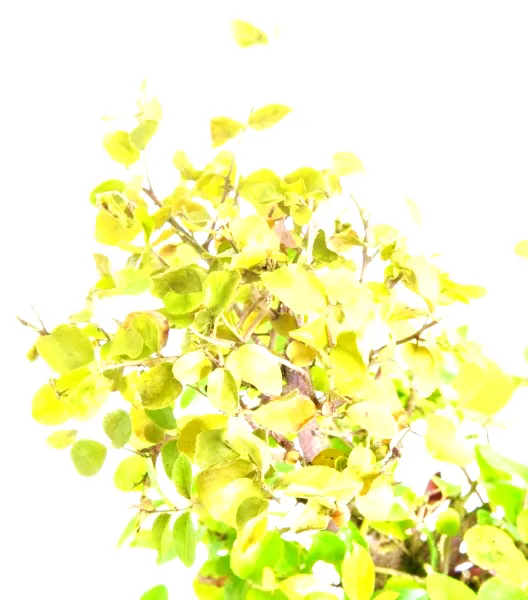
Signs of underwatering:
- Dry, dusty soil
- Crispy or brittle leaves
- Leaf drop
- Branches becoming brittle
- Slow or stunted growth
What to do:
Check your bonsai daily, especially during spring and summer. Water thoroughly whenever the top layer of soil begins to feel slightly dry. The aim is to fully saturate the root ball rather than giving small, frequent splashes.
Remember: bonsai trees prefer a deep drink rather than a quick sprinkle.
2. Overwatering
While underwatering gets a lot of attention, overwatering can be just as damaging.
Constantly soggy soil deprives roots of oxygen and can lead to root rot, one of the most serious problems for any bonsai.
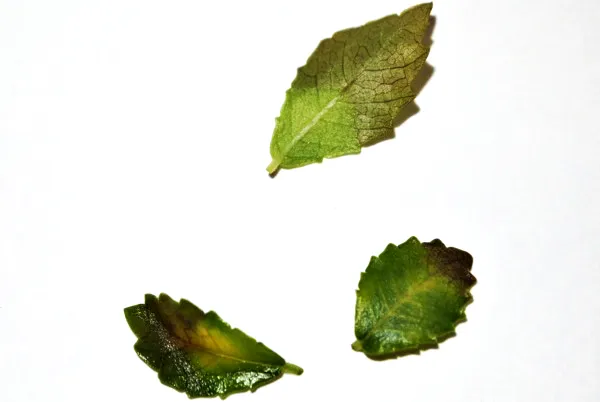
Signs of overwatering:
- Brown tips to leaves
- Soft, wilted foliage
- Mossy or permanently wet soil
- Foul-smelling roots
- Leaf drop despite moist soil
What to do:
Only water when the tree actually needs it. Ensure your pot has adequate drainage holes and never allow your bonsai to sit in standing water for extended periods.
Healthy roots need both moisture and air.
3. Insufficient Light
Light is essential for photosynthesis, which fuels your bonsai’s growth and health.
Different species have different requirements, but most bonsai trees need significantly more light than many indoor locations can provide.
Signs of poor lighting:
- Weak, elongated growth
- Pale leaves
- Sparse foliage
- Reduced vigour
What to do:
Place your bonsai according to instructions. Many popular bonsai varieties thrive outdoors and benefit from natural sunlight throughout the year. Indoor bonsai should be positioned in the brightest available location, ideally near an east or west-facing window.
If natural light is limited, grow lights can provide valuable support (but please don’t rely on them).
4. Incorrect Feeding
Just like any other plant, bonsai trees require nutrients to remain healthy.
Because bonsai are grown in small containers, nutrients are gradually depleted from the soil and need replacing through regular feeding.
Signs of nutrient deficiency:
- Pale or yellow leaves
- Weak growth
- Smaller-than-normal leaves
- Reduced vigour
What to do:
Use a balanced bonsai fertiliser during the growing season, following the instructions. Avoid the temptation to overfeed, as too much fertiliser can damage roots and create additional stress.
Think of feeding as supporting healthy growth rather than forcing it.
5. Pests and Diseases
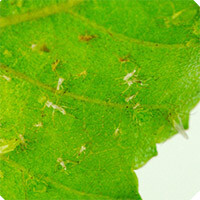
Even well-cared-for bonsai can occasionally attract unwanted visitors.
Common pests include:
- Aphids
- Spider mites
- Scale insects
- Mealybugs
- Fungus gnats
Signs of pest problems:
- Sticky residue on leaves
- Visible insects
- Fine webbing
- Distorted new growth
- Spots or discolouration
What to do:
Inspect your bonsai regularly, paying particular attention to the undersides of leaves and new growth. Early detection is key. Most pest issues can be managed effectively when caught quickly and treated with a tested insecticide.
Maintaining good airflow and avoiding excessive moisture can also help prevent fungal problems.
6. Poor Positioning
Sometimes a bonsai’s location is the problem rather than its care routine.
Check whether you have an indoor or outdoor bonsai and position it accordingly. For indoor bonsai, trees placed near radiators, hot appliances, draughty doors, kitchens, bathrooms, or frequently moved between environments may struggle to adapt.
Signs of positioning stress:
- Sudden leaf drop
- Browning leaf edges
- Wilting despite correct watering
- Slow recovery after relocation
What to do:
Choose a suitable location and keep conditions as stable as possible. Bonsai trees generally appreciate consistency and can take time to adjust to new surroundings.
7. Temperature Extremes
Bonsai trees are living trees first and foremost, and each species has evolved to thrive within a specific temperature range.
Problems can arise from:
- Excessive indoor heat
- Sudden cold snaps
- Frost damage
- Hot conservatories
- Temperature fluctuations
What to do:
Understand the needs of your particular species. Some bonsai require a winter dormancy period outdoors, while tropical species prefer warmer, protected conditions year-round.
Matching your bonsai’s natural environment as closely as possible will help it flourish.
8. Becoming Root Bound
Over time, bonsai roots gradually fill the pot.
While controlled root growth is part of bonsai cultivation, eventually the roots can become so crowded that water and nutrients struggle to reach the entire root system.
Signs of a root-bound bonsai:
- Water running straight through the pot
- Reduced growth
- Frequent wilting
- Declining health despite proper care
What to do:
Repot your bonsai at the appropriate interval for its species, age, and growth rate. Repotting refreshes the soil, improves drainage, and gives roots room to remain healthy.
For many bonsai, repotting every few years is an important part of long-term care. However, if your bonsai is struggling, repotting should not be your first response. Repotting inevitably disturbs the root system and can place additional stress on an already weakened tree. Unless you are confident that root congestion is the underlying issue, it is usually better to identify and correct problems such as watering, light levels, feeding, pests, or positioning before considering repotting.
In many cases, a bonsai recovers perfectly well without ever leaving its pot.
9. Seasonal Changes
Sometimes there isn’t actually a problem at all.
Many bonsai species are deciduous trees that naturally lose their leaves during autumn and winter. Others may temporarily slow their growth as seasons change.
What to do:
Learn what is normal for your species. Understanding your bonsai’s natural growth cycle can prevent unnecessary worry and help you distinguish between seasonal behaviour and genuine health issues.
10. Stress After Purchase
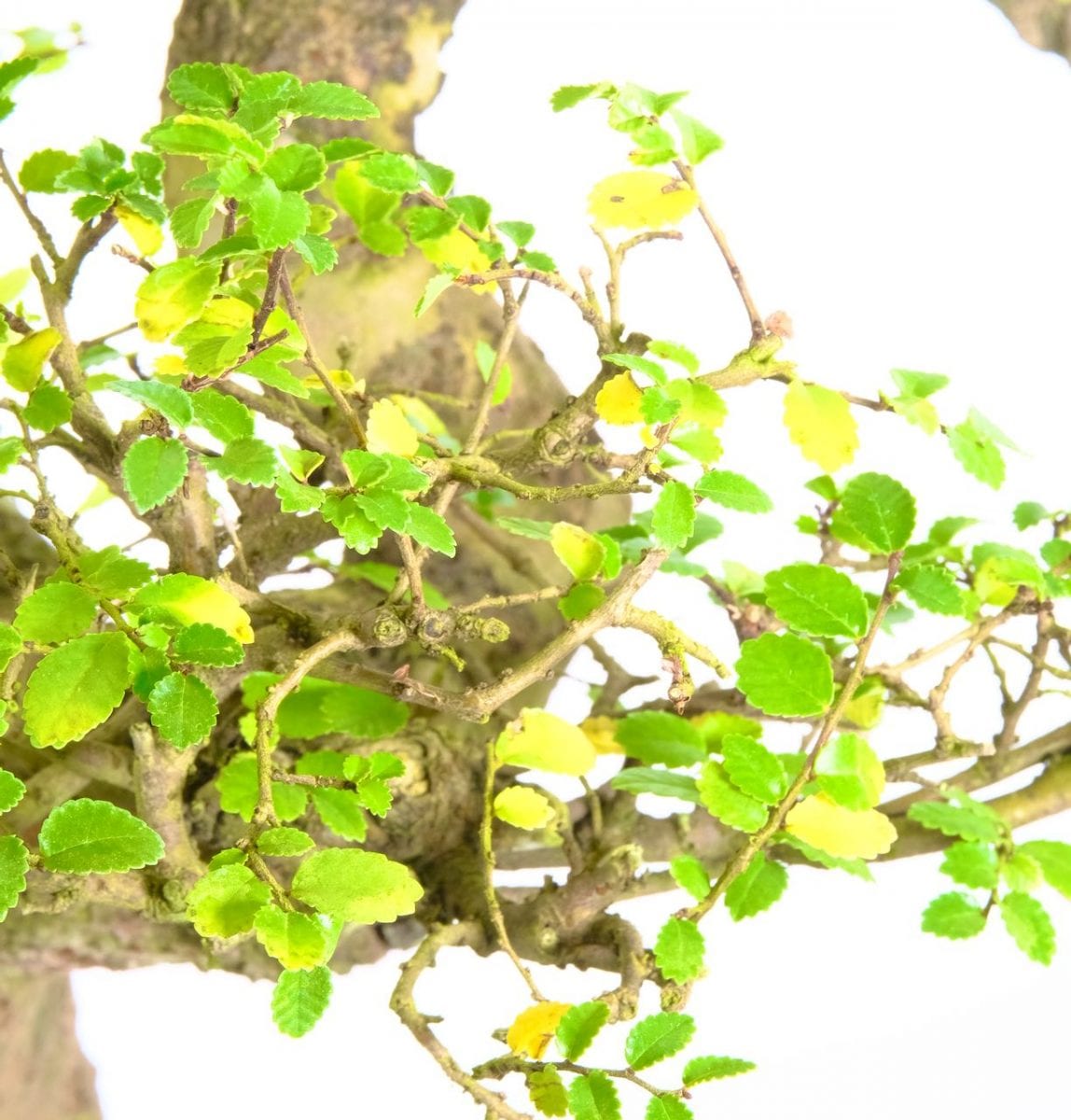
A newly purchased bonsai may experience a period of adjustment: ‘reacclimatisation’.
Moving from a nursery to a new home often means changes in light levels, humidity, temperature, and watering schedules.
What to do:
Give your tree time to settle in. Avoid making too many changes at once and focus on providing consistent care while it adapts to its new environment.
Patience often pays off.
The Most Important Thing: Don’t Give Up
If your bonsai tree isn’t looking healthy, remember that many problems are reversible when identified early. Bonsai trees are remarkably resilient and often recover well once the underlying issue has been addressed.
Start by reviewing the basics:
- Is it receiving the right amount of water?
- Is it getting enough light?
- Is it being fed appropriately?
- Are there signs of pests or disease?
- Is it in the right position?
- Does it need repotting?
By working through these questions methodically, you’ll often find the cause for a bonsai tree dying and be well on your way to helping your bonsai recover.
Every experienced bonsai enthusiast has faced challenges along the way. Caring for bonsai is a journey of learning, observation, and patience. With the right adjustments and a little time, your tree may surprise you with just how much life and vigour it still has left.
And when it does bounce back, you’ll have gained something even more valuable than a healthy tree: confidence in your bonsai-growing skills.
Every bonsai is unique, and because symptoms such as yellowing leaves, leaf drop, or weak growth can have multiple causes, this guide should be viewed as helpful guidance rather than a precise diagnosis. However, if you’ve purchased your bonsai from Bonsai Direct and have any concerns or questions, our team is always happy to provide advice and help you identify the best course of action. Just send us some photos and we will get back to you as soon as possible. Don’t forget to check out our YouTube channel for all of our care and guidance videos.



0 replies