

Comment your top bonsai tips below!👇
Hello! I’m Lloyd, bonsai specialist here at Bonsai Direct. I’ve spent years nurturing thousands of trees, helping customers, and guiding bonsai lovers at all levels. If there’s one thing I’ve learned, it’s that most bonsai problems come from well-meaning mistakes. Bonsai tree care does not need to be scary or overwhelming.
So here’s my list of what not to do with your bonsai—these are the key errors which can be easily avoided. If you avoid these, you’ll be well on your way to a healthier, happier bonsai tree.
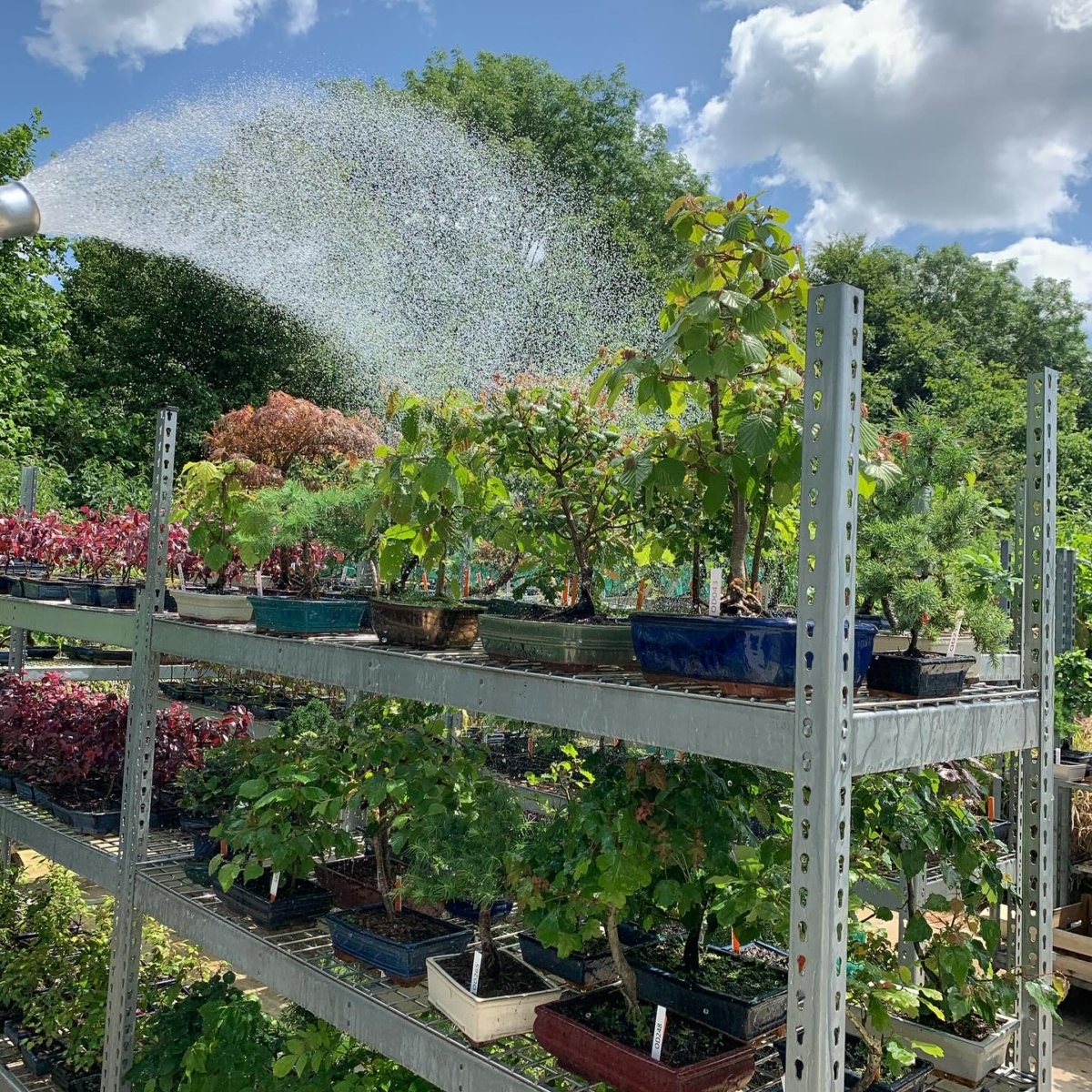
❌ Don’t Overwater or Underwater Your Bonsai
Overwatering leads to root rot, underwatering causes stress—and both can kill your tree.
Trust me, most beginners struggle with watering. My advice? Don’t rely on gadgets like moisture meters. Just use your finger. Check the soil about an inch down—if it’s dry, water well. If it’s still damp, leave it be.
“I’ve never used a gadget to know when to water—I trust my experience and observation. You should too.”
❌ Don’t Place Your Bonsai in the Wrong Spot
Position is extremely important. Indoor bonsai like Fukien Tea Trees (Bonsai Carmona Microphylla) and Chinese Sweet Plums (Sageretia bonsai) trees need bright, indirect light, but not harsh direct sun. Too little light causes a number of issues including yellowing leaves and less new growth and flowering! Bonsai grown outdoors, must be kept outdoors.
“A bright windowsill with plenty of natural light is ideal for indoor bonsai. Keep it consistent—bonsai hate being moved too often.”
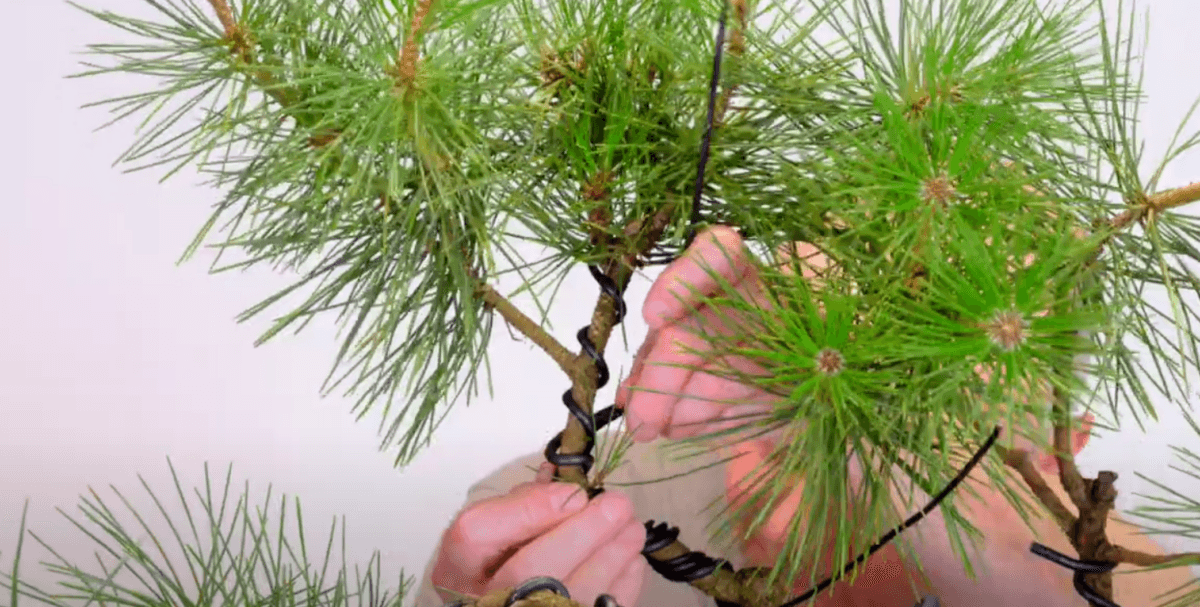
❌ Don’t Leave Wire On Too Long
Wiring is brilliant for styling, but if you leave bonsai wire on too long, it’ll cut into the bark and damage your tree. That’s not character—it’s a scar.
“Check your wire every few weeks. If the wire looks tight, remove the wire.”
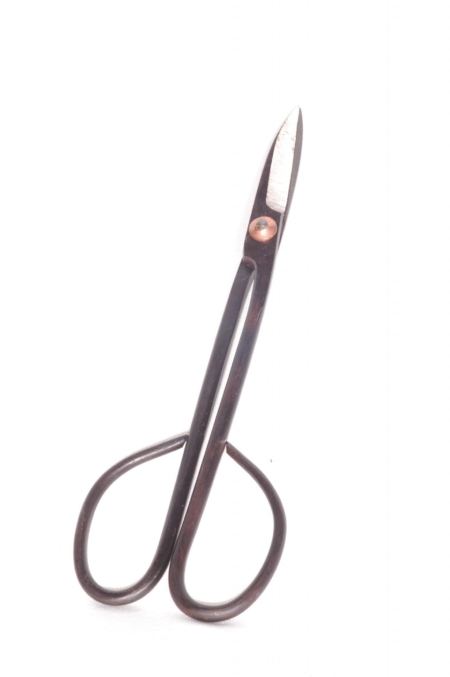
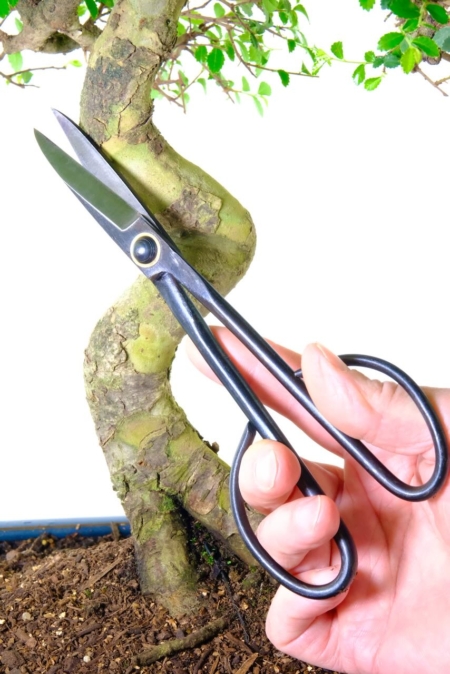
❌ Don’t Neglect Regular Pruning
Bonsai thrive with attention. Pruning keeps the shape neat and encourages dense, healthy growth. Avoiding it leads to leggy, untidy trees.
“Prune little and often. It’s not just cosmetic—pruning is vital to the tree’s health and design.”


❌ Don’t Use Ordinary Garden Soil
Bonsai soil isn’t just a marketing ploy—it’s essential. Garden soil retains too much moisture and suffocates roots. Younger bonsai thrive in our PEAT free mix whilst older specimen love Akadama. Akadama is a superb Japanese bonsai soil made from granular loam. Although expensive to purchase, it is very clean to work with and has a wonderful balance of drainage and allows air to the growing roots. I cannot recommend it enough.
“Always use well-draining, specialist bonsai compost. Your roots will thank you.”
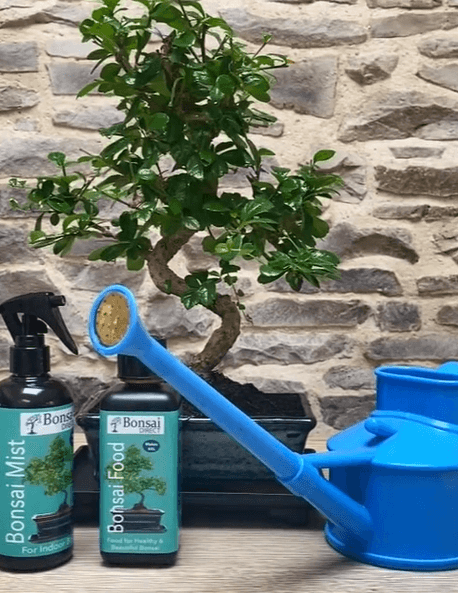
❌ Don’t Forget to Feed
In a small pot, nutrients are limited. Without feeding with Bonsai Fertiliser, your tree won’t grow properly. How would we grow without vitamins and minerals?
“Feed your indoor bonsai weekly all year round, but only during the growing season for outdoor bonsai. Think of it like a healthy diet—balanced, not overdone.”
❌ Don’t Panic at Every Leaf Drop
Some leaf loss is normal, especially when the seasons change or if the tree’s just arrived. Give it time to adapt.
“Don’t assume every fallen leaf is a crisis. Let your tree settle, give it the right conditions, and it’ll reward you with new growth.”
-
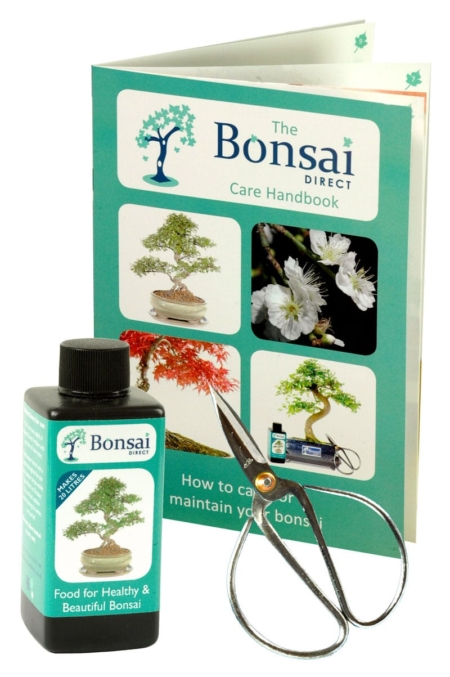 Beginners Bonsai Care Kit – The EssentialsProduct on saleOriginal price was: £19.49.£13.49Current price is: £13.49.
 -
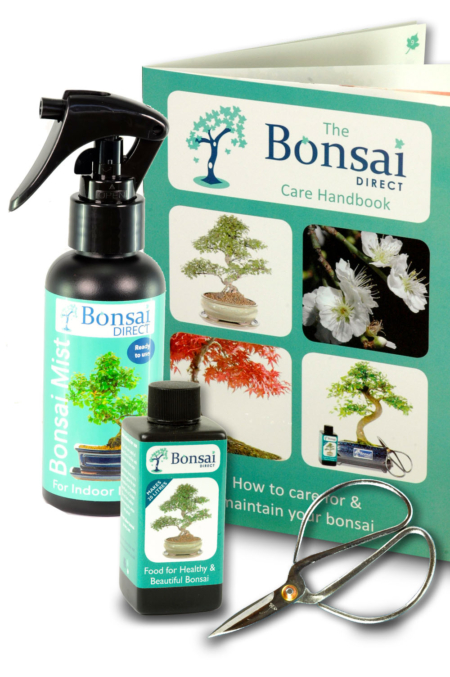 Comprehensive Bonsai Tree Care Kit£28.99
 -
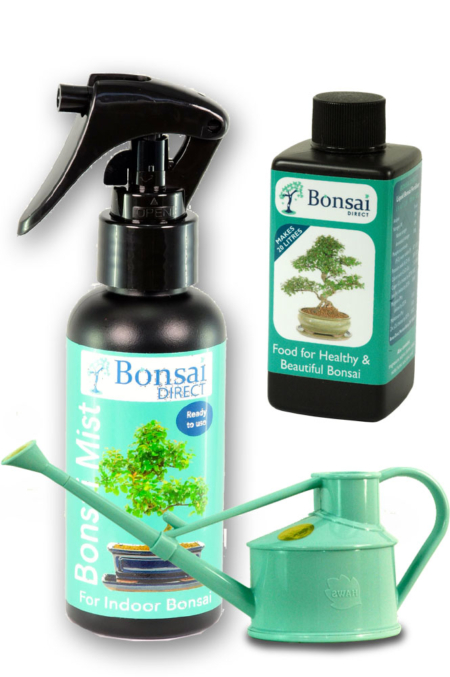 Bonsai Maintenance Kit | Bonsai Tree Watering Kit – Choose the watering can colour!Product on saleOriginal price was: £35.49.£30.99Current price is: £30.99.
 -
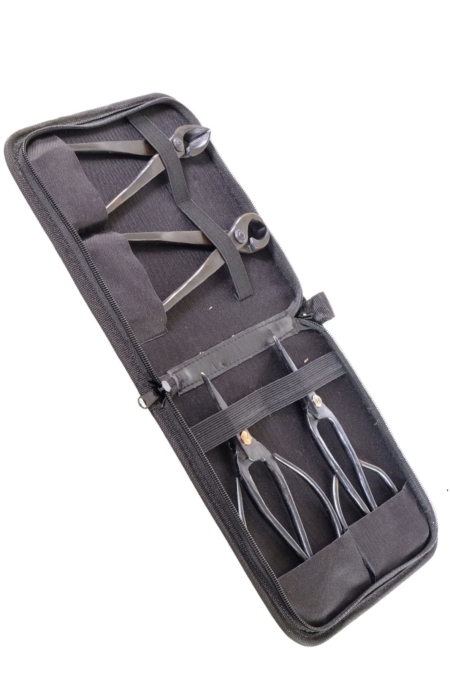 Comprehensive Bonsai Tool Kit£52.99
 -
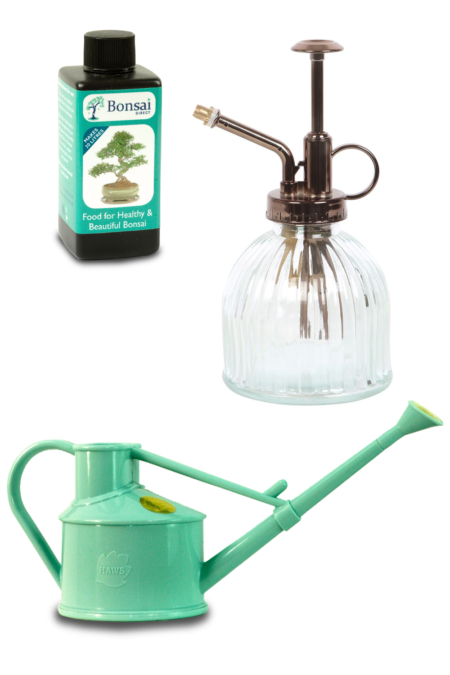 Bonsai Watering Kit – Choose the watering can colour!Product on saleOriginal price was: £32.97.£28.99Current price is: £28.99.
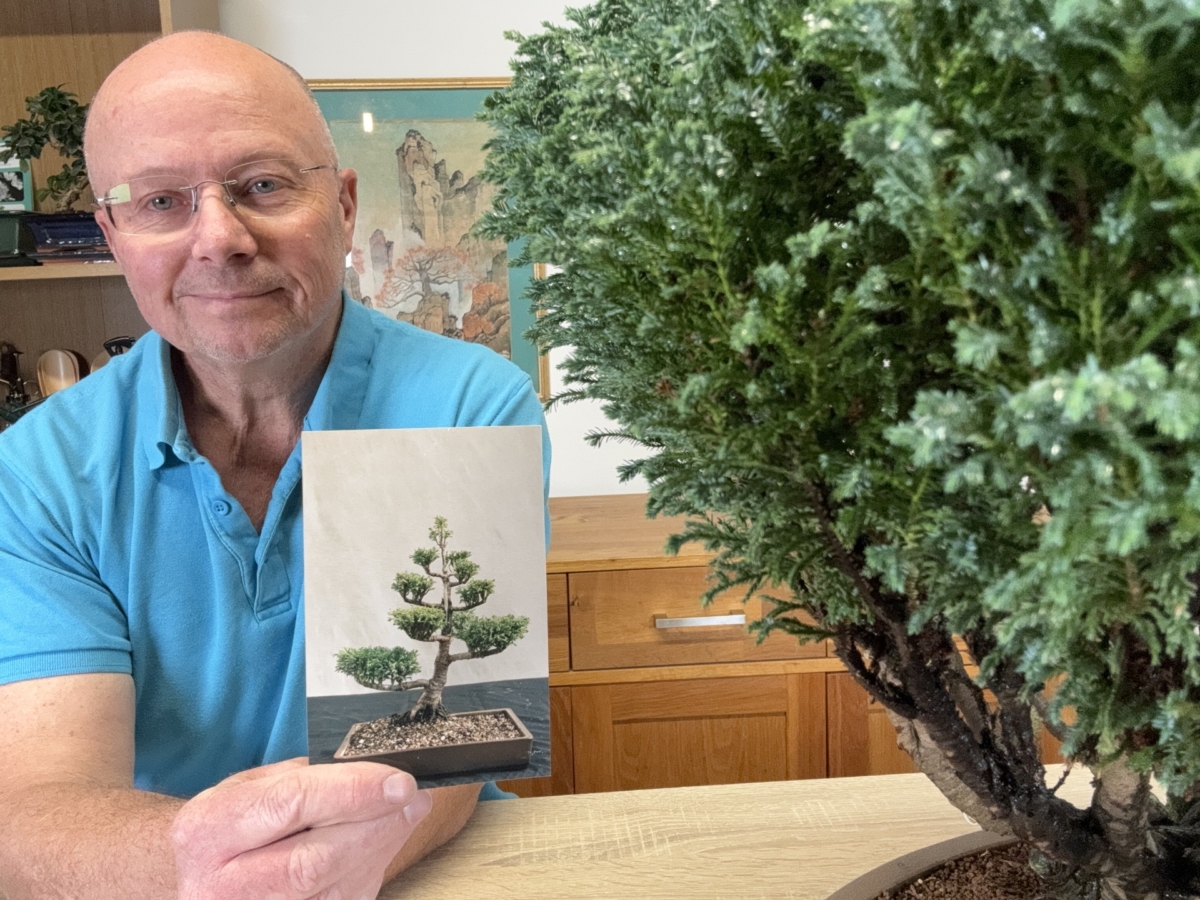
❌ Don’t Expect Instant Perfection
Bonsai is slow, and that’s the beauty of it. You’re growing something that will evolve over years—not days.
“Take pride in the process. Every bit of care shapes your tree’s future.”
🌿 Lloyd’s Final Thought
“Bonsai isn’t about shortcuts or perfection—it’s about patience, observation, and connection. Trust your instincts, learn from your tree, and enjoy the journey. If you ever need help with bonsai tree care, we are just a message away. Take Care.”
📌 Bonus Tip for Beginners:
If you’re just starting out, choose a hardy, forgiving bonsai like a Chinese Elm Bonsai or Ficus Bonsai. They’re ideal for learning and still look stunning. We have a vast range of care videos on our YouTube channel.


DAVE BATEMAN –
Hi
I have recently purchased a bonsai tree from yourselves
The are signs of moss growing in the soishould this be removed or left
Thanks
Sarah Noall –
Hi Dave,
That’s entirely up to you. I like the moss on outdoor bonsai (where I water with the hose or watering can), but choose to remove it on indoor bonsai as I find it cleaner and easier to water with a small watering can.
I hope this helps,
Kind regards The Bonsai Direct Team