


The Complete Bonsai Watering Guide: How to Water Your Bonsai Tree Correctly
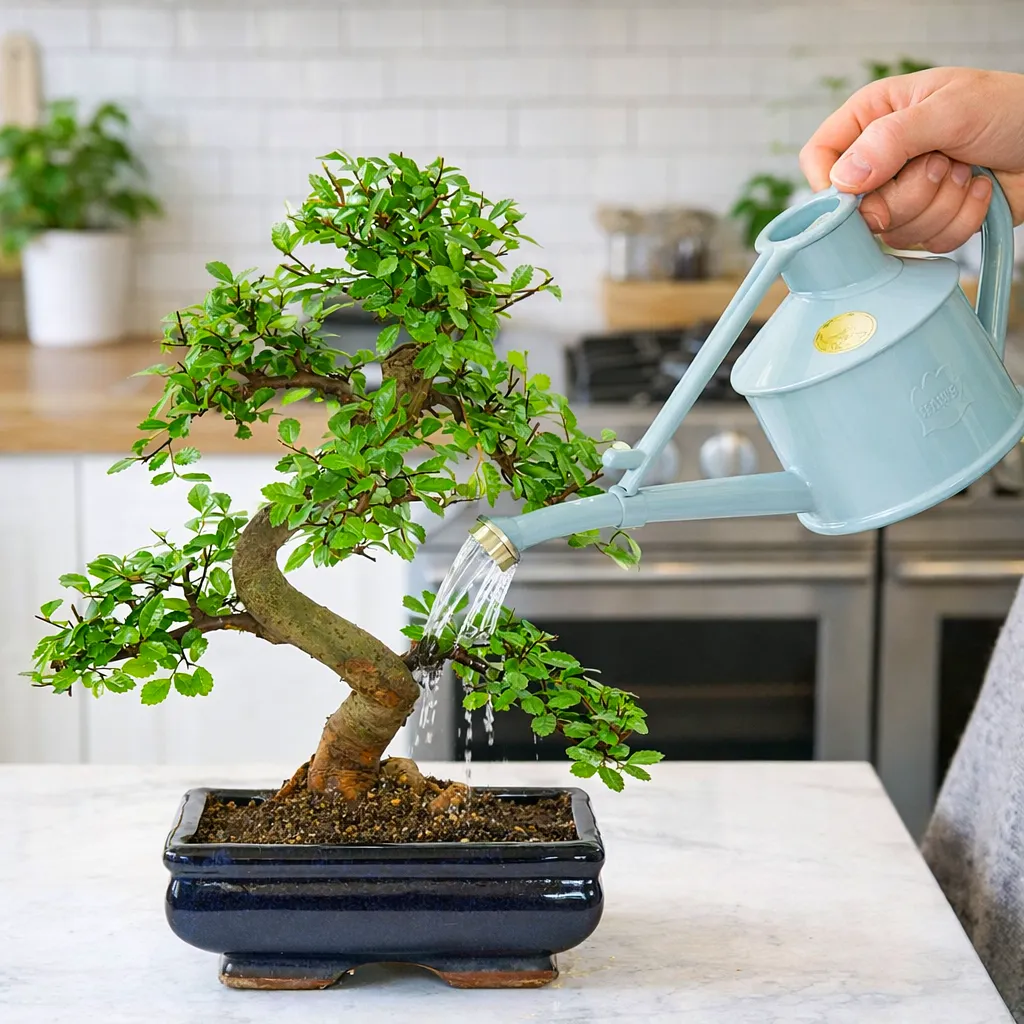
Watering is one of the most important parts of bonsai care, and it’s also the area where beginners are most likely to make mistakes. Contrary to popular belief, there isn’t a simple rule such as “water every three days”. Every bonsai tree is different, and the amount of water it needs depends on the species, the weather, the season and where it’s growing. In this guide, we’ll explain how to tell when your bonsai needs watering, how to water it properly, how to spot the signs of overwatering and underwatering, and what to do if you’re going away on holiday.
How Often Should You Water a Bonsai Tree?
The honest answer is: water your bonsai when it needs it, not according to the calendar.
During warm summer weather, some bonsai may need watering every day, while others growing in cooler conditions may only need watering every few days. In winter, many bonsai trees require much less frequent watering because they are growing more slowly.
The best habit is to check your bonsai every day rather than automatically reaching for the watering can.
How to Tell If Your Bonsai Needs Water
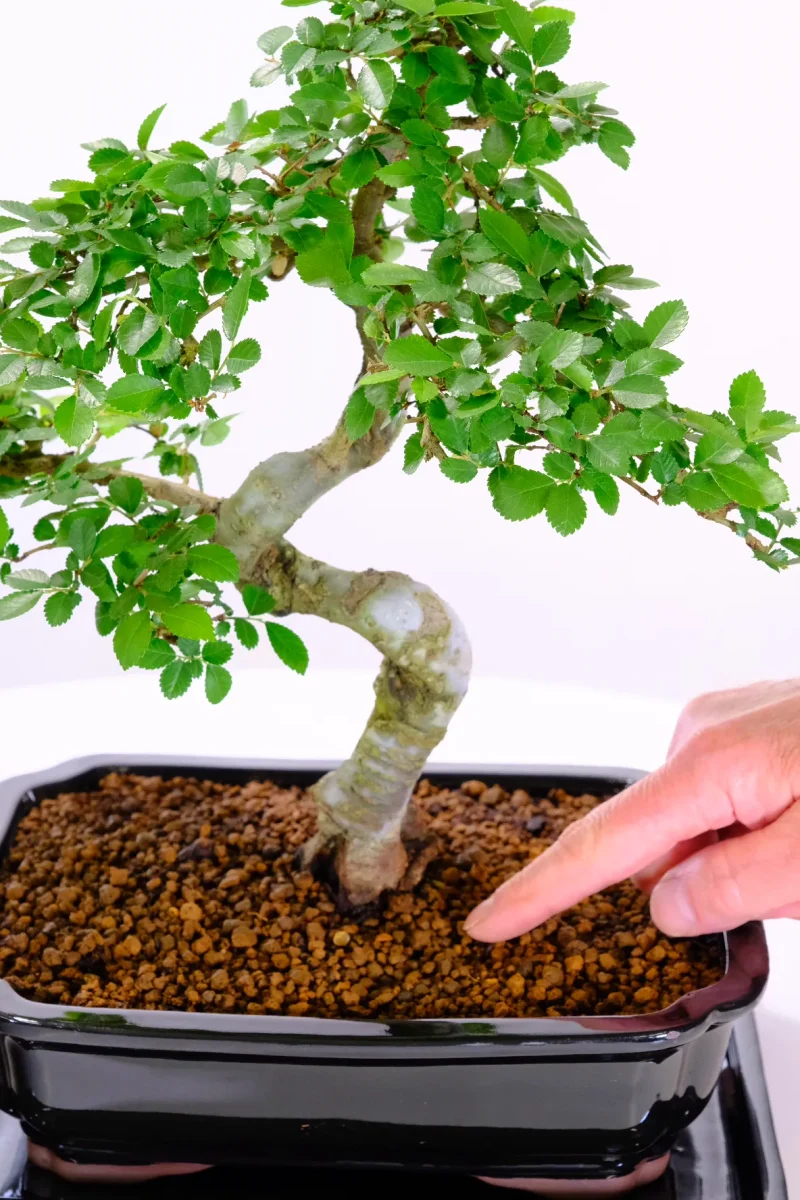
Before watering, check the soil.
Insert your finger about 1–2cm into the compost. If the soil still feels damp, your tree can usually wait a little longer. If it feels slightly dry, it’s time to water thoroughly.
You can also learn to judge by the weight of the pot. As you become more experienced, you’ll notice that a dry bonsai pot feels much lighter than one that has recently been watered.
Avoid letting the soil dry out completely, but don’t keep it permanently soaking wet either.
The Correct Way to Water a Bonsai
When your tree needs watering:
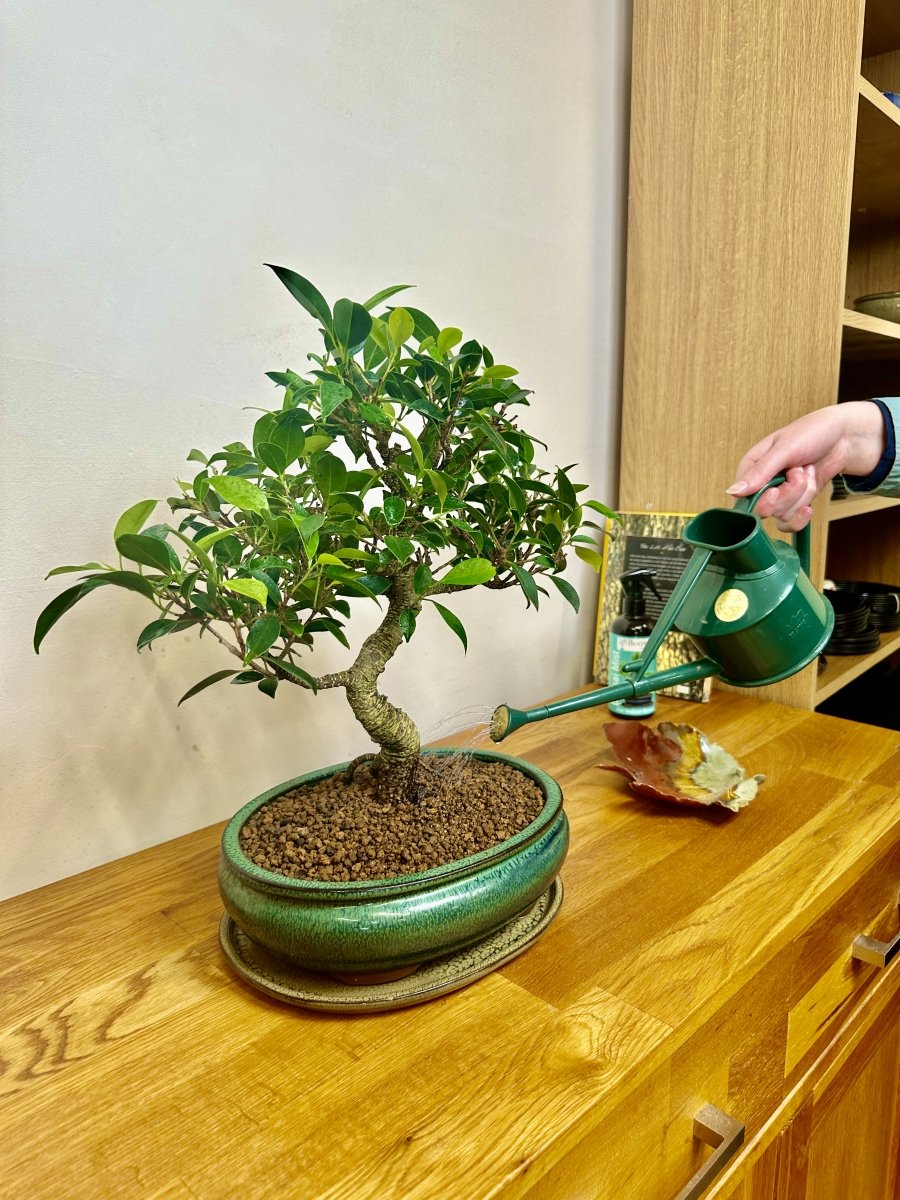
- Use a watering can fitted with a fine rose or a gentle spray.
- Water the entire surface of the soil evenly.
- Continue watering until water runs freely from the drainage holes.
- Wait a minute or two, then water again to ensure the whole root ball is evenly moist.
This second watering is especially useful if the soil has become quite dry.
Never just sprinkle the surface of the soil. The roots lower down in the pot also need moisture.
Portulacaria Afra (Money Tree): A Great Bonsai for Less Frequent Watering
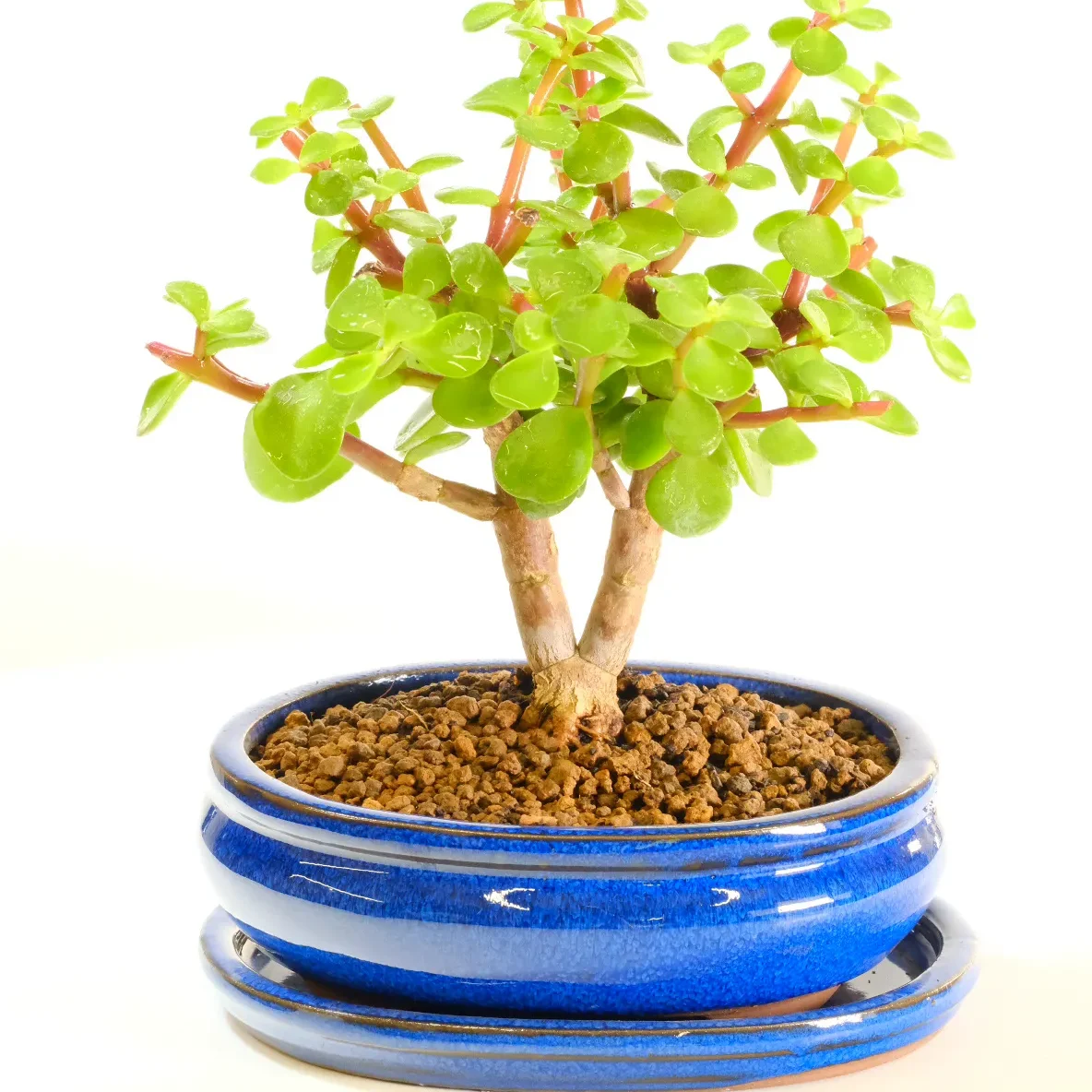
If you are new to bonsai, or you’re worried about forgetting to water regularly, the Portulacaria afra (also known as the Money Tree or Dwarf Jade) is a great choice. Unlike many bonsai species, it stores water in its thick, fleshy leaves and stems, meaning it can cope with periods of dryness much better. This makes it a particularly forgiving bonsai for beginners or anyone who isn’t always confident with watering.
The key with a Portulacaria afra is not to overwater it. Allow the soil to dry out between waterings and avoid keeping the roots constantly wet. If you sometimes forget to water, this species is much more likely to forgive you than many other bonsai varieties.
Signs Your Bonsai Is Underwatered
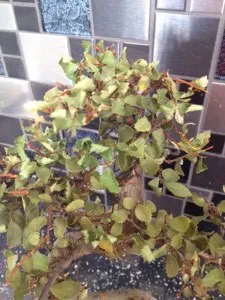
A bonsai that isn’t receiving enough water may show signs such as:
- Dry, crumbly soil.
- Wilting or drooping leaves.
- Brown, crispy leaf edges.
- Leaves falling earlier than expected.
- Slow or weak new growth.
If you notice these symptoms, water the tree thoroughly and continue monitoring it over the following days. If the soil has become extremely dry, it may take two thorough waterings for the compost to become evenly moist again.
Signs Your Bonsai Is Overwatered
Overwatering is often caused by watering too frequently rather than using too much water in one session.
Common signs include:
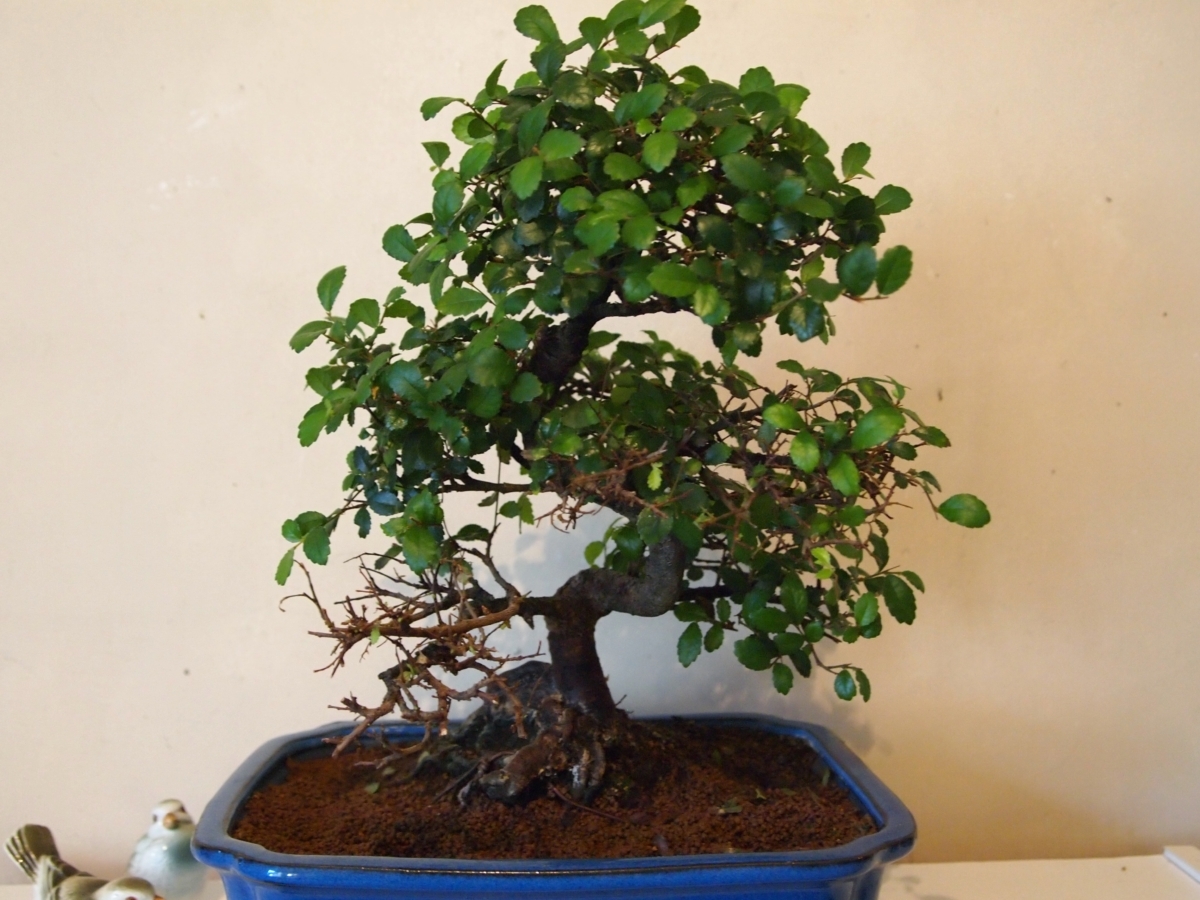
- Soil that stays wet for long periods.
- Yellowing leaves.
- Soft or blackening roots.
- Poor growth.
- A sour smell from the compost.
Healthy bonsai roots need both moisture and oxygen. Constantly saturated soil can reduce airflow around the roots and eventually lead to root problems.
If you think you’ve overwatered your bonsai, allow the soil to begin drying naturally before watering again. Check that the drainage holes are clear and that your bonsai is planted in a free-draining bonsai soil.
Indoor and Outdoor Bonsai Watering
Indoor bonsai generally dry out more slowly than outdoor trees during cooler months, but central heating can quickly increase water loss.
Outdoor bonsai are exposed to sun, wind and rain, so their watering needs can change from one day to the next.
Rather than following different watering schedules, simply monitor the soil regularly and let the tree tell you when it needs water.
Watering During the Seasons
Spring
As temperatures rise, your bonsai will begin active growth and usually need more frequent watering.
Summer
Summer is often the busiest watering season. During hot weather, check your bonsai every day. Some trees may require watering daily, particularly during heatwaves.
Autumn
As growth slows, watering usually becomes less frequent, although warm spells can still increase water requirements.
Winter
Most bonsai need much less water in winter. Continue checking the soil regularly, but avoid watering unless it’s needed.
How Do I Water My Bonsai? A Visual Beginner’s Guide
Going on Holiday? Here’s What to Do
Many bonsai owners worry about leaving their tree while they’re away.
If you’re only away for a day or two, watering thoroughly before you leave is often enough for many trees, depending on the weather.
For longer holidays:
- Ask a friend or neighbour to water your bonsai.
- Move the tree into a lightly shaded, sheltered position to reduce water loss if appropriate for the species.
- Avoid placing indoor bonsai next to radiators or sunny windows while you’re away.
- Grouping plants together can sometimes help maintain humidity.
If someone else is caring for your bonsai, leave simple watering instructions rather than asking them to water on fixed dates. Encourage them to check the soil first.
Common Bonsai Watering Mistakes
Some of the most common mistakes include:
- Watering to a timetable instead of checking the soil.
- Only wetting the surface of the compost.
- Allowing the soil to dry out completely.
- Keeping the soil constantly saturated.
- Forgetting that watering needs change throughout the year.
Learning to observe your bonsai is one of the most valuable skills any grower can develop.
Frequently Asked Questions
Can I use tap water?
In most parts of the UK, tap water is perfectly suitable for bonsai. If you live in a very hard water area, occasional rainwater can also be beneficial for some species.
Should I mist my bonsai?
Misting can increase humidity for a short time, but it does not replace proper watering. Always water the soil when your tree needs moisture.
Should I water every day?
Not necessarily. Some bonsai need daily watering in hot weather, while others may not. Always check the soil before watering.
Final Thoughts
Successful bonsai watering isn’t about following a strict timetable—it’s about observing your tree and responding to its needs.
By checking the soil regularly, watering thoroughly when required and adjusting your routine with the seasons, you’ll give your bonsai the best chance to thrive.
If you’re unsure which bonsai is right for your home or need advice on watering, soil or aftercare, we’re always happy to help. Browse our range of bonsai trees, bonsai soils and care essentials to keep your tree healthy all year round.
Related Content
Why Is My Bonsai Tree Dying? Here’s How to Bring It Back to Life
Discover the main reasons why your bonsai tree may be struggling and how to help it recover.
Read More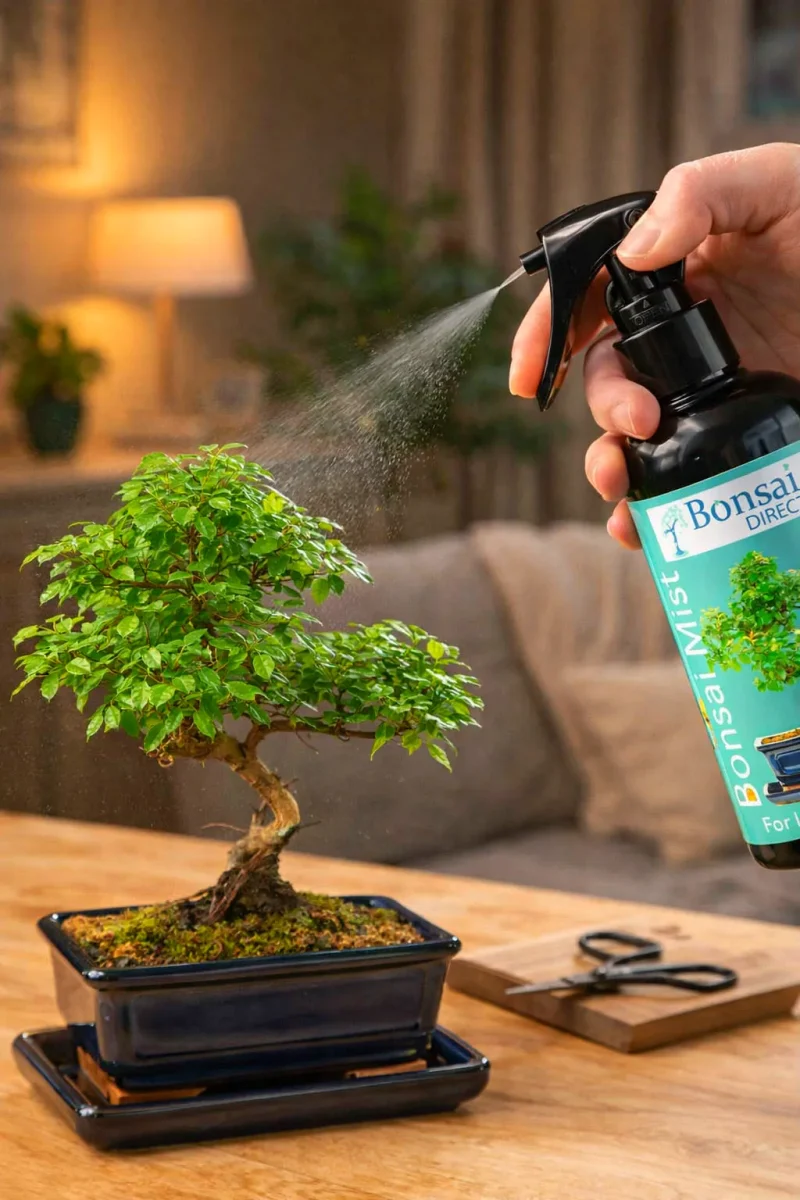
Misting Bonsai: What We’ve Learned from Real Bonsai Nursery Trials
Misting bonsai is often misunderstood, especially when it comes to indoor trees. In this expert guide from Bonsai Direct, we explain how to mist indoor bonsai correctly, why…
Read More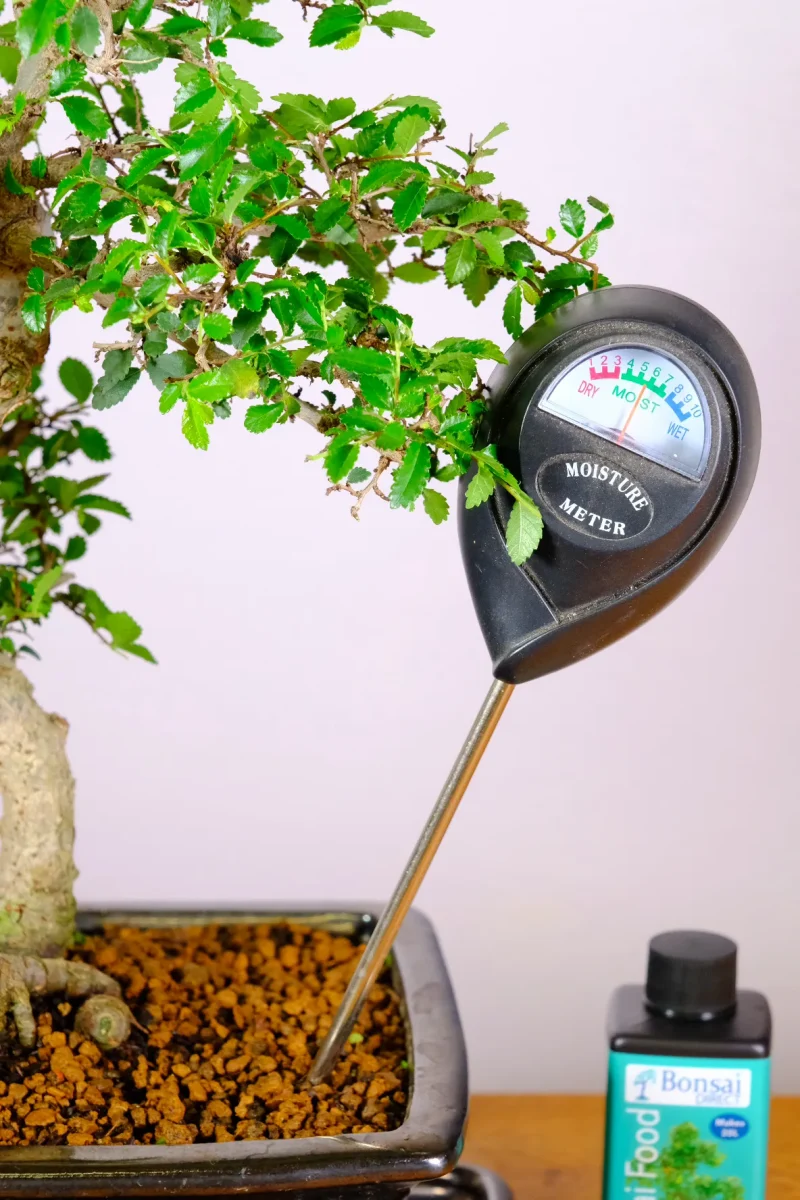
Moisture Metres and Bonsai Watering – A Helpful Tool or Just Another Gadget?
Are moisture meters useful for bonsai care? We tested them across multiple species to find out. Discover the ideal moisture levels, when to water, and how to use…
Read More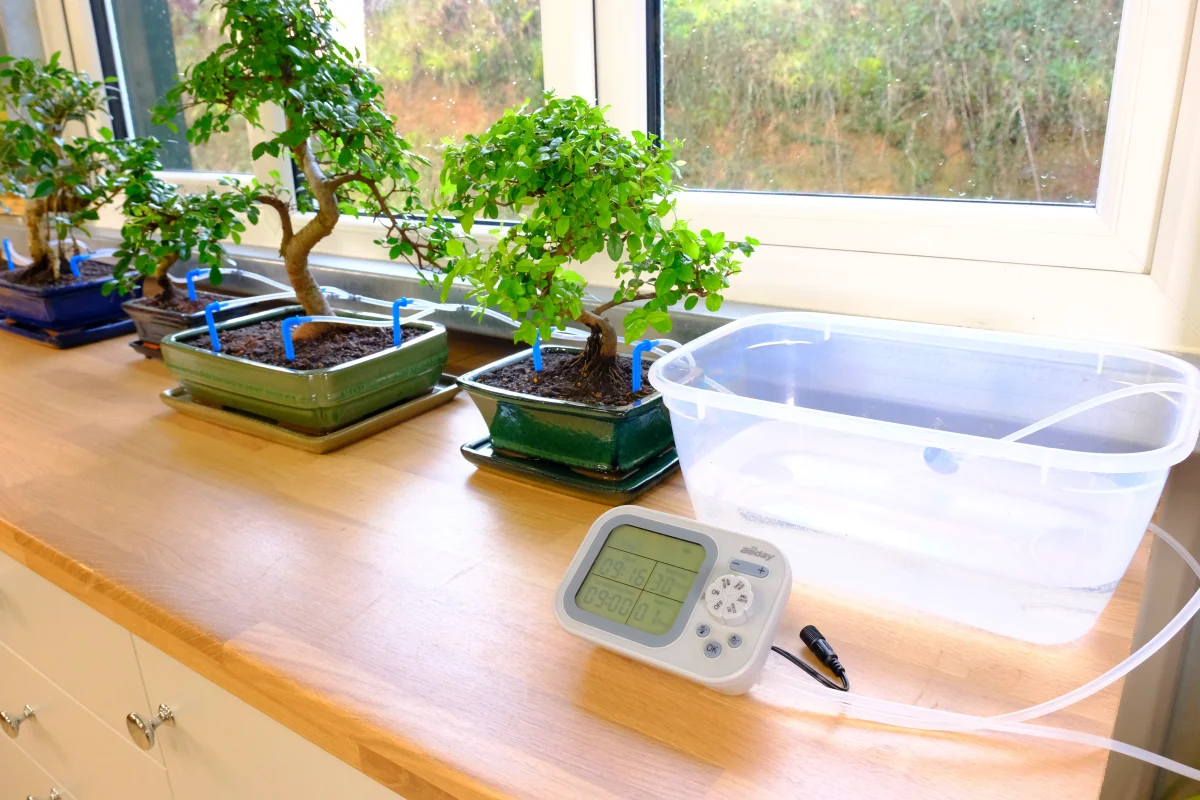
Bonsai Watering Systems: How to Water Your Bonsai While on Holiday
Planning a break but worried about your bonsai? In this guide, we explore bonsai watering systems and practical bonsai holiday watering solutions to keep your tree healthy while…
Read More
What Not to Do with Your Bonsai – Bonsai Tree Care Tips from Expert Lloyd at Bonsai Direct
🌱 Hello! I’m Lloyd – Bonsai Expert at Bonsai Direct With over 30 years’ experience growing, styling and caring for thousands of bonsai trees, I’ve seen it all—from…
Read More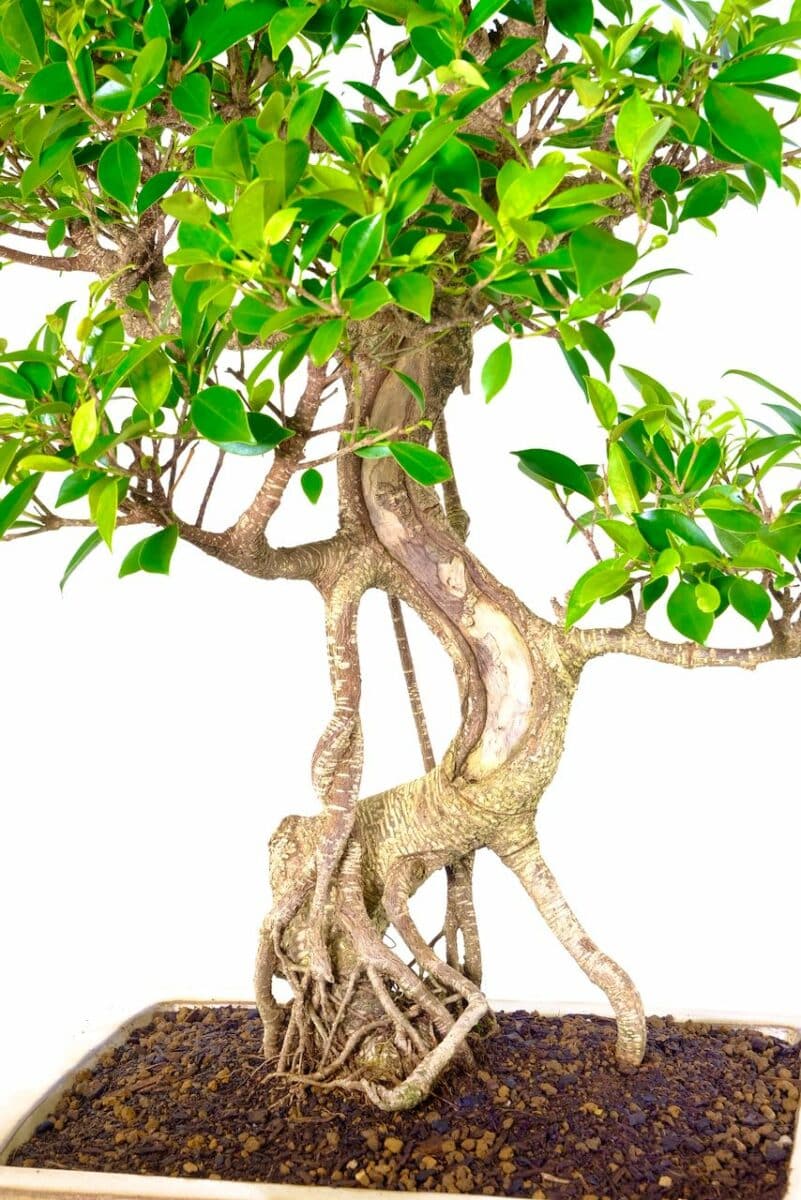
Ficus Bonsai Tree Care (Banyan Bonsai) – Pruning, Feeding, Watering and Positioning
If you're looking for some guidance about Ficus bonsai tree care, you’re in the right place! In this video, Bonsai Master Lloyd Noall shares expert advice on how…
Read More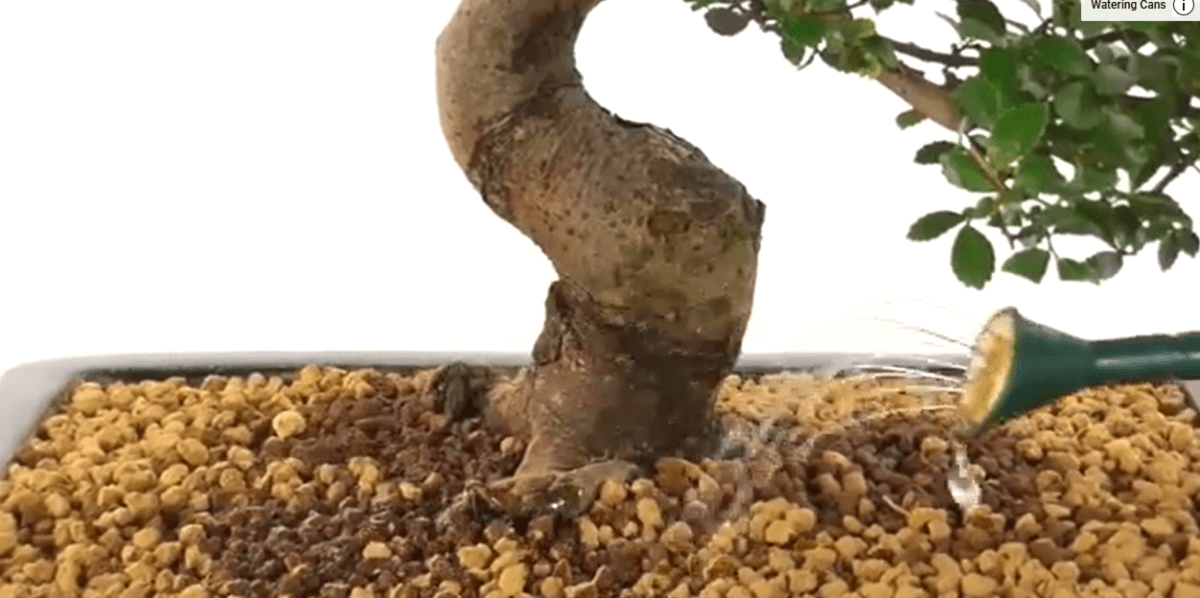
Enquiry about over-watering or under-watering a bonsai tree and trying to determine what the watering issues are.
Enquiry about over-watering or under-watering a bonsai tree and trying to determine what the watering issues are. We have received an email from James about his bonsai. It…
Read More
Bonsai Care and Advice – Bonsai Tree Maintenance
When & how do I water my bonsai? How do I feed my bonsai? When & how do I prune my bonsai? Where do I position my bonsai?…
Read More
I am going away for 10 days in July. To water my bonsai, it was suggested that I place the pot on a brick in a basin with water below the pot level, then cover the surface of the pot with a cloth at either end which is immersed in the water so that the bonsai is watered by capillary action. Do you think this would work?
Dear Ceri,
I think if you do this the bonsai will dry out.
I would preferably ask someone to look after it or stand the bonsai in water.
This will overwater it for a short time but this is preferable to it drying out.
when you return please allow to drain the revert to keep the soil damp,
I hope this link helps:
https://www.bonsaidirect.co.uk/blog/bonsai-care-advice/bonsai-care-information/how-do-i-water-my-indoor-bonsai-tree-2/
kind regards
Sarah
Friend bought tree from you for Christmas for me. I fallow all instruction and even order lots of your products, but 5 months later tree was dead. Straight after Christmas tree start loosing leaves and at the end was just plain stick, I notice some little white insects walking on soil. I’m gutted that I need to loose my tree, I’m thinking to get a new one just to replace my present, but now I’m scared that once you send me new one will haven same.
Dera Giedre,
Please could you send me a few photos so we can try and establish the cause of the leaf drop.
Many thanks
Sarah
Thank you very much for the invitation. Best wishes.
PS: How are you? I am from France
My bonsai I purchased from you was so lovely buy is now baron feel so sorry
looking at such a a lovely little tree
Hi, if you want to send a photo to info@bonsaidirect.co.uk we can try and help your bonsai.
Many thanks,
Bonsai Direct
I was given a Bonsai last Christmas and its been fine up until now, i’m assuming it could be the hot weather we’ve been having in England but its started losing a lot of its leaves.
I water it every time I see the soil dry out and give it plenty. – I’m worried that its dying? I can see smaller new buds sprouting but it doesn’t look very good at the moment.
Could you shed some light on why my tree is losing so many of its leaves?
Hi Charlotte,
Yes the hot weather could be causing this but without seeing it, it is hard to say for sure.
Have the leaves changed colour? Please mist the leaves daily with water in addition to keeping the soil damp.
Do you feed the bonsai?
It is a great sign that you have new buds. Perhaps for the next week just place it somewhere a little cooler but please do keep the humidity up by misting – this will make a lot of difference.
We are misting at least twice a day at the moment.
We hope this helps
Best wishes
The Bonsai Direct Team
You should take part in a contest for one of the best blogs on the web. I will recommend this site!
Hi
the Bonsai that I bought for Christmas for my daughter has shed its leaves once, then new leaves grew. In the last few weeks all leaves have dropped off and bark of tree looks as if the tree is dying. So sad, please help
Hi Susanne, I am sorry to hear that your daughters bonsai isn’t doing too well. Could you email a few photos to us? We will help you from there. Many thanks, The Bonsai Direct Team.
Does your site have a contact page? I’m having problems locating it but, I’d like to shoot you an e-mail. I’ve got some ideas for your blog you might be interested in hearing. Either way, great website and I look forward to seeing it improve over time.
Thank you for your message! We apologize for any confusion regarding our contact page. You can reach us by phone at 01363 877752 or by email at help@bonsaidirect.co.uk. We appreciate your interest in sharing your ideas for our blog. We’re always open to new suggestions and look forward to hearing from you. We’re committed to improving our website and providing the best experience for our customers. Thank you for your support, and we’re excited to work on enhancing our site further.
Exceptional Blogs and Videos on Bonsai
I recently came across these fantastic blogs and videos dedicated to the art of bonsai, and I must say, it left me truly inspired. The author’s passion for bonsai and their genuine love for their trees shines through every word and frame on their website.
The blog post dives deep into the intricacies of proper bonsai watering techniques, covering everything from the importance of timing to the significance of moisture levels in the soil. The author’s knowledge and expertise are evident, and their explanations are clear and concise, making it accessible to both beginners and experienced bonsai enthusiasts.
What sets this blog apart is the author’s personal connection and deep affection for their bonsai. It’s heartwarming to read about the genuine love and care they have for each tree. Their commitment to nurturing and understanding the unique needs of each bonsai is truly commendable.
As a bonsai enthusiast myself, I found these blogs and videos to be an invaluable resource. Not only did I gain valuable insights into proper watering techniques, but I also felt a renewed sense of love and appreciation for my own bonsai collection. The author’s enthusiasm is contagious, and it fuelled my desire to continue nurturing and growing my bonsai with even greater care and dedication. I have watched all his you-tube videos on ‘bonsai’.
In conclusion, I highly recommend this website to anyone interested in bonsai or looking to enhance their knowledge of bonsai growing. Prepare to be captivated by the author’s genuine love for their bonsai, and be ready to embark on a journey of growth, both for your trees and for yourself. Get ready to fall even more in love with the art of bonsai. 🌿💧
My family purchased 2 bonsai from you. The Fukien Tea Tree has flourished but sadly the smaller leaf tree got neglected and is covered in tiny dried out leaves. I’ve tried soaking and watering and spraying but to no avail. Is there anything else I can do to help it to reflourish. Many thanks and I’m really sorry that this tree got neglected.
Hi Brenda, it’s a shame to hear that one of your Tea Trees is struggling. Can you send a few photos across to help@bonsaidirect.co.uk? Or WhatsApp them to the phone number at the top of the website? We can help you better once we have seen the bonsai.