


Why Do Bonsai Trees Lose Their Leaves?
One of the questions we are asked most often at Bonsai Direct is, “Why is my bonsai tree losing its leaves?”
And I completely understand why. You buy a beautiful bonsai covered in healthy foliage and then spot a few yellow leaves – or perhaps quite a few leaves suddenly begin to fall – and it is very easy to assume something is wrong.
However, leaf loss does not necessarily mean that your bonsai is unhealthy.
I have been professionally growing bonsai trees for around 30 years, and one thing I have learnt is that trees rarely stay looking exactly the same. They are living, growing plants. Leaves age, seasons change, new growth replaces old growth and trees respond to changes in their environment.
Sometimes leaf loss is completely normal. Sometimes it tells us that a bonsai needs a little help.
The first thing we need to establish is what type of bonsai tree you have.
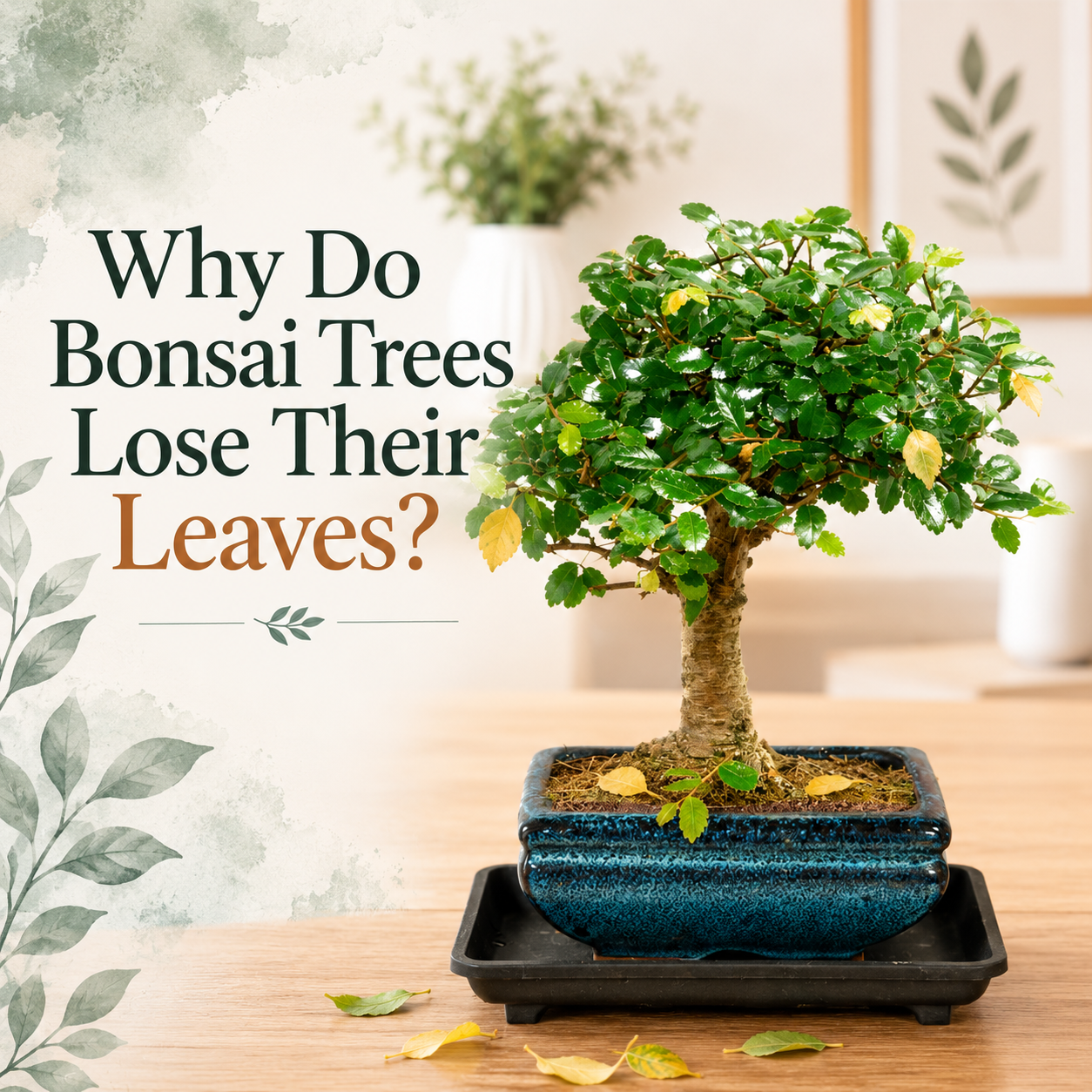
Indoor or Outdoor Bonsai?
This is probably the most important distinction to make.
Outdoor bonsai trees experience the seasons and behave much like their full-sized counterparts growing naturally in our gardens and countryside.
Indoor bonsai are generally species originating from warmer climates. They prefer the relatively warm, stable conditions that we can provide inside our homes and offices.
The reasons they lose their leaves can therefore be very different.
Why Do Outdoor Bonsai Trees Lose Their Leaves?
With an outdoor bonsai, we first need to know whether the species is deciduous or evergreen.
Deciduous Outdoor Bonsai
Deciduous bonsai naturally lose their leaves every autumn.
Species such as Japanese Maple (Acer palmatum), Trident Maple (Acer buergerianum), Larch (Larix), Beech (Fagus) and many other deciduous trees go through a period of winter dormancy.
As autumn arrives, temperatures fall and daylight hours shorten. The tree begins preparing itself for winter. Its leaves may turn wonderful shades of yellow, orange, bronze or red before eventually dropping.
This is not a bonsai becoming unhealthy. It is simply doing exactly what that species is designed to do.
Once the leaves have fallen, the bonsai may look rather bare for several months. During this dormant period, growth slows dramatically. Then, as temperatures and light levels increase in spring, buds begin to swell and eventually burst into fresh new foliage.
It is one of the pleasures of growing outdoor bonsai. You get to watch the seasons unfold in miniature.
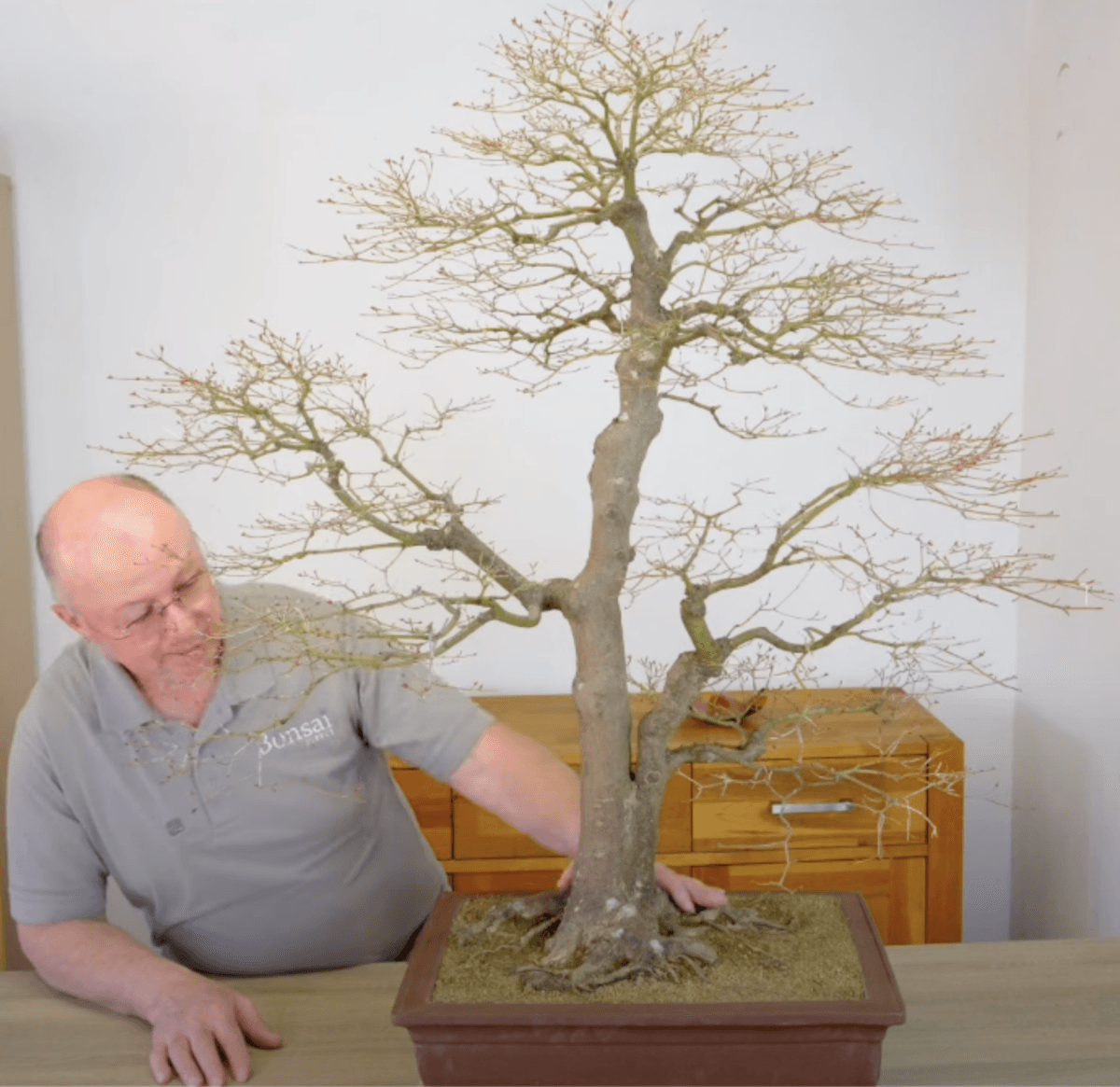
This 110 year old Japanese Maple (Acer palmatum) is a superb example of a deciduous outdoor bonsai. Even in winter months as Lloyd is showing here then bonsai has a superb structure and beauty.
Evergreen Outdoor Bonsai
Evergreen bonsai behave differently.
Species such as Juniper (Juniperus), Japanese Black Pine (Pinus thunbergii), White Pine (Pinus parviflora) and many other conifers retain foliage throughout the year.
But “evergreen” does not mean that every individual leaf or needle remains on the tree forever.
Evergreen trees continually replace older foliage. Older needles or foliage, particularly further inside the canopy, can naturally yellow, brown and eventually fall as newer growth develops.
This is an important distinction. A small amount of older foliage being shed can be perfectly normal. A bonsai rapidly browning throughout the canopy, however, is something I would investigate.
The pattern of leaf loss often tells us far more than the fact that leaves are falling.
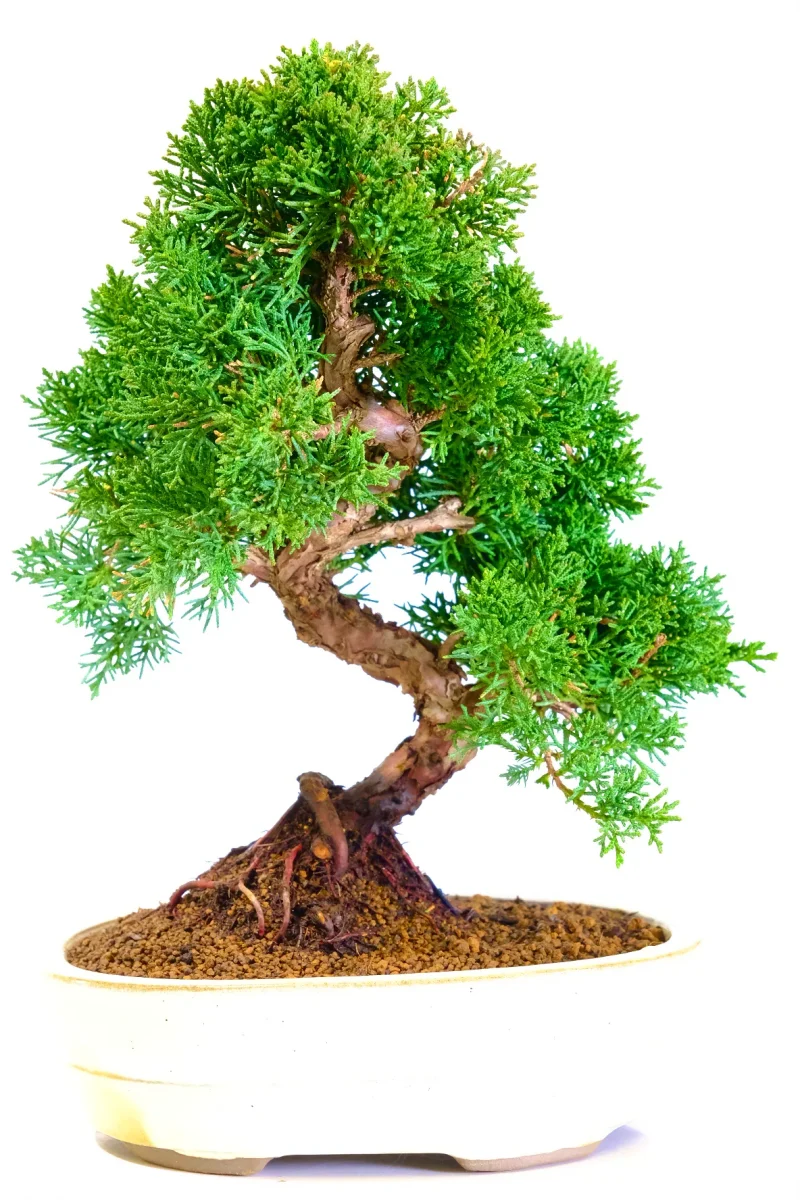
Junipers and pines make fantastic hardy evergreen outdoor bonsai favourites. This is a Chinese Juniper bonsai (Juniperus chinensis) which Lloyd has grown.
Why Do Indoor Bonsai Trees Lose Their Leaves?
Most indoor bonsai species originate from warmer climates and appreciate a warm, bright and relatively stable indoor environment.
Popular examples include Fukien Tea (Carmona microphylla), Sweet Plum (Sageretia theezans), Ficus species, Jade and Zanthoxylum.
We generally consider these evergreen bonsai, but that doesn’t mean they never lose a leaf.
Quite the opposite.
Leaves have a natural lifespan. As a bonsai produces fresh growth, some of its older leaves will eventually be discarded.
The tree’s strongest growth activity is concentrated around its actively growing tips. It is therefore quite normal to see the occasional older leaf further back turn yellow and fall while the ends of the branches remain healthy and continue producing fresh foliage.
If the bonsai is otherwise vigorous and you can see healthy new growth, the loss of a few older leaves is rarely something I would worry about.
Think about any healthy houseplant you have owned. You wouldn’t necessarily panic because one older leaf turned yellow. Bonsai trees are no different.
Chinese Elm Bonsai Can Be a Little Different
Chinese Elm (Ulmus parvifolia) or Zelkova is one of my favourite bonsai species and one we have grown for many years.
It can occasionally cause new owners some concern because Chinese Elms can have a short period of seasonal leaf drop.
In my experience, this tends to happen at two particular times of year.
The first is around September and October. Daylight levels are falling, temperatures outside are changing and we suddenly start turning our central heating back on.
The second can occur around March. The days are getting longer, heating begins to go off and the bonsai suddenly wants to grow.
During either of these periods, some of the older leaves may yellow and fall.
Then something rather lovely happens.
The tree grows.
Quite often this whole process takes only three or four weeks. I have seen Chinese Elm bonsai go from having surprisingly few leaves to being absolutely covered in new buds within a week or two. Those buds then open into beautiful, lush new foliage.
After 30 years of growing bonsai, I still find it quite amazing to watch.
So please don’t let this characteristic put you off a Chinese Elm. They are remarkable, beautiful and wonderfully artistic bonsai trees. They are also one of the species I most readily recommend to beginners.
This more obvious seasonal leaf change is particularly characteristic of Chinese Elm and isn’t something we routinely see to the same degree in all indoor bonsai species.
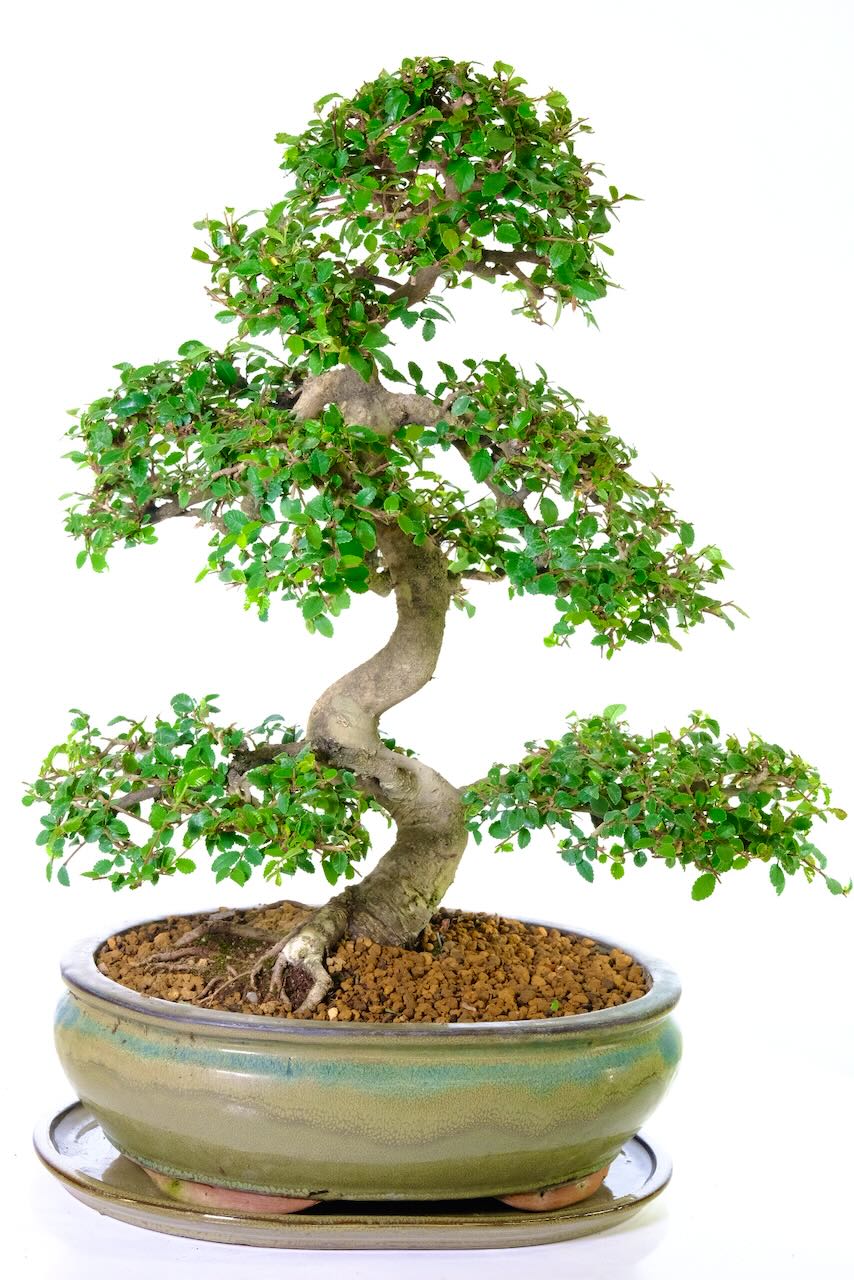
Twisting mature Zelkova or Chinese Elm (Ulmus parvifolia) Beginners indoor bonsai tree.
My Bonsai Has Just Arrived and Is Losing Leaves
There is another situation we see quite regularly: a bonsai starts dropping a few leaves shortly after moving to its new home.
Again, this does not automatically mean there is a problem.
Imagine the change from the tree’s point of view.
At our nursery it has become accustomed to a particular temperature, humidity and level of light. It is then carefully packed, transported and placed into a completely different environment.
Even moving a bonsai from one room to another can alter the amount and direction of light it receives.
Some indoor bonsai respond to this change by shedding a proportion of their older foliage while they acclimatise to their new surroundings.
We generally see this within the first three to four weeks.
What I look at is the overall condition of the bonsai tree. If the growing tips remain healthy and fresh growth continues to appear, a little older leaf loss during acclimatisation would not concern me.
Give your bonsai time to settle. Try not to react to every falling leaf by continually moving it, changing its watering routine or giving it lots of different treatments. A stable environment is usually far more helpful.
When Should I Worry About My Bonsai Losing Leaves?
This is where experience becomes useful, because there is a big difference between a bonsai naturally shedding a few older leaves and a tree that is genuinely deteriorating.
I would pay more attention if:
- large numbers of leaves are dropping quickly
- young leaves and growing tips are affected as well as older foliage
- leaves are becoming spotted, distorted, sticky, unusually discoloured, dry or crispy
- branches are beginning to die back
- the soil remains permanently wet or is drying extraordinarily quickly
- the bonsai has stopped producing healthy new growth during its normal growing season

These signs don’t necessarily mean that the tree cannot recover. They simply tell us that it is worth investigating.
What Can Cause Excessive Leaf Loss?
If leaf loss isn’t part of the tree’s normal growth cycle, I start by looking at its growing conditions.
Light is particularly important. Indoor bonsai need good natural daylight, especially through the darker UK winter months. A position that seemed beautifully bright during July can be surprisingly dark by December.
Watering is another common cause of problems, and both extremes can produce leaf loss. A bonsai that repeatedly becomes too dry can deteriorate, but constantly saturated soil can be equally troublesome.
I don’t recommend watering bonsai to a fixed timetable. The tree, pot size, soil, temperature and time of year all influence how quickly water is used.
Nutrition matters too. Bonsai grow in a relatively small volume of soil and therefore depend upon us to provide the nutrients they require during active growth.
Sudden environmental changes, very dry air, extreme temperatures and cold draughts can also contribute to leaf loss in indoor bonsai.
The important thing is to look at the whole tree rather than diagnosing it from one yellow leaf.
Don’t Forget Pests and Disease
Bonsai are living trees, and just like other plants they can occasionally be affected by pests or disease.
Look closely at both sides of the leaves, along stems, around growing tips and where branches meet. Tiny pests and their symptoms can be surprisingly easy to overlook.
As part of our own preventative care, we recommend appropriate plant protection products or a suitable plant invigorator, always following the manufacturer’s directions and ensuring the product is suitable for the species concerned.
If you can see an obvious pest, unusual spotting, webbing, sticky residue or distorted growth, identify the problem before applying an insecticide or fungicide. Correct diagnosis makes treatment much easier.
Take a Photograph Before You Change Anything
This is probably one of the most useful pieces of advice I can give.
If you aren’t sure why your bonsai is losing leaves, take several clear photographs before making lots of changes.
Photograph the whole bonsai, the leaves that concern you and the surface of the soil. If possible, also show us where the bonsai normally lives.
Then ask the bonsai nursery or bonsai centre where you purchased the tree for advice.
We can often learn an enormous amount simply by looking at a photograph.
Tell them how often you are watering, where the bonsai is positioned, whether it has recently been moved and when you first noticed the problem. The more information you provide, the easier it is to work out what is happening.
Please Don’t Wait Until Your Bonsai Has Died
This sounds obvious, but it is something we encounter surprisingly often.
If a bonsai is clearly deteriorating and you don’t know why, ask for advice sooner rather than later.
A tree that still has healthy tissue and some vigour has a much better opportunity to respond once the underlying problem has been corrected. If you wait until the tree has completely dried out or died back, unfortunately there may be nothing anyone can do.
At the same time, please don’t become anxious about every imperfect leaf.
I think new bonsai owners can sometimes watch their trees too closely. A yellow leaf appears and suddenly everything changes – more water, less water, a new position, some feed, perhaps another move the following day.
Often the bonsai simply needed to lose an old leaf.
If you need to contact us please What’s App photos to 07860 165086 and we shall get back to you as soon as possible.
A Bonsai Tree Is Supposed to Change
Perhaps this is the most important point of all.
A bonsai isn’t an ornament that remains exactly as it looked on the day you bought it.
It grows. It rests. It produces new leaves. Old leaves fall. Outdoor species change with the seasons. Branches extend and need pruning. New buds appear in places you weren’t expecting.
That continual change is one of the reasons I have loved growing bonsai for the past 30 years.
So, if you find a yellow leaf beneath your bonsai tomorrow morning, don’t immediately assume the worst. Look at the whole tree. Look for healthy growing tips and new buds. Consider the species and the time of year.
Sometimes a falling leaf is telling you that something needs attention.
And sometimes it is simply a bonsai being a tree.
Sarah
Bonsai Direct
Related Content
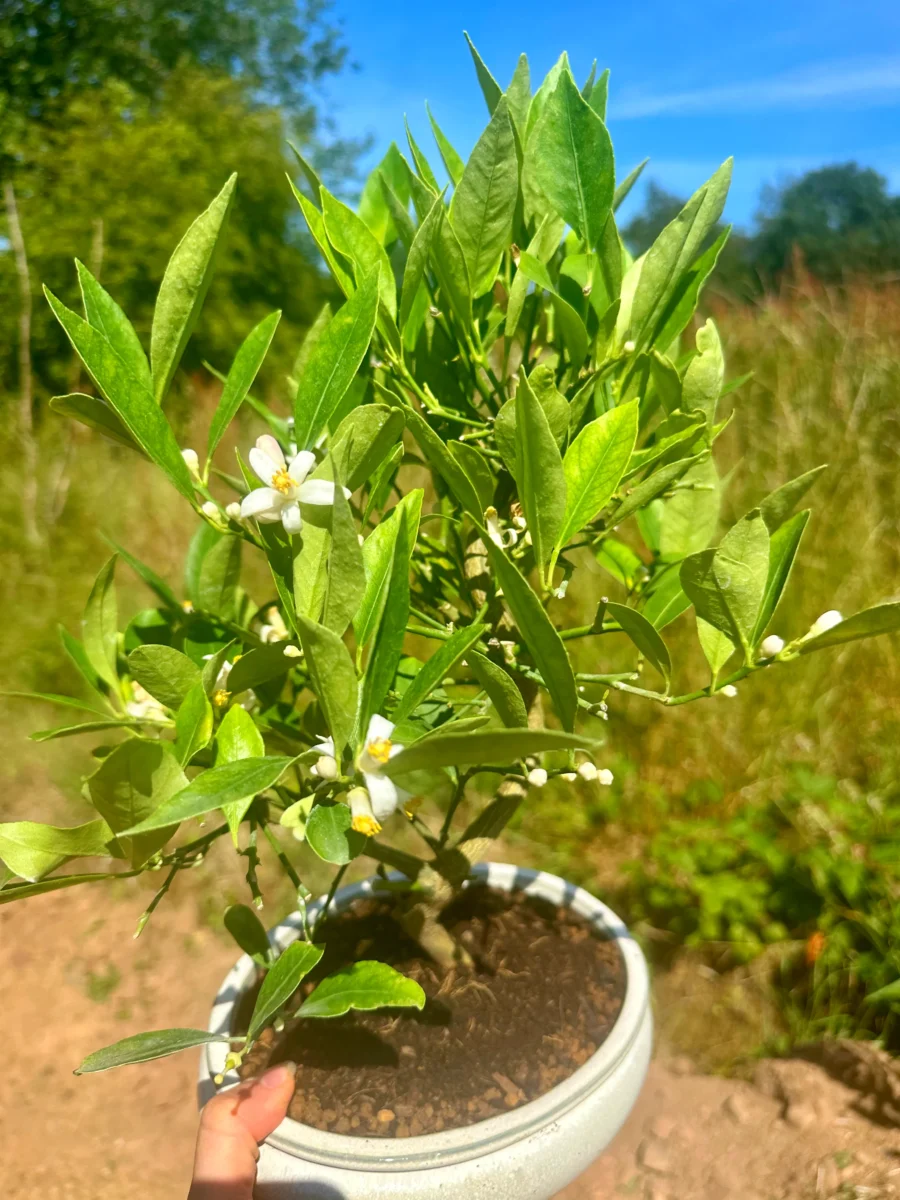
Citrus Bonsai Trees: A Complete Guide to Lemon and Orange Bonsai Trees
Discover the beauty of citrus bonsai with our complete guide to Bonsai Lemon Trees (Citrus limon) and Bonsai Orange Trees (Citrus kinzu). Learn about their fragrant white flowers,…
Read More
Why We Grow Our Own Bonsai Trees
Discover why we grow bonsai trees at our Bonsai Direct Devon nursery, from unusual species to better trunks, branching and quality that develops over many years.
Read More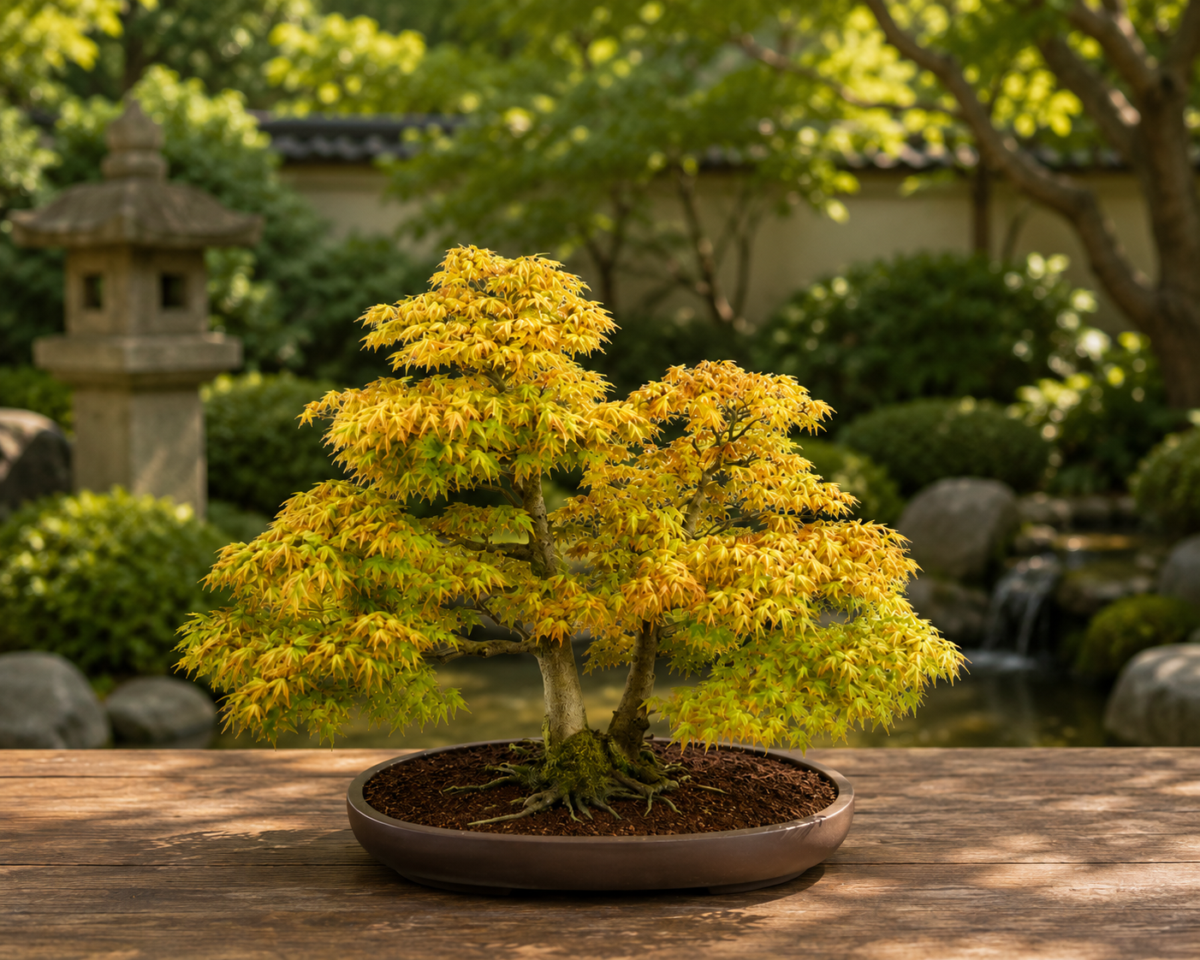
Bonsai: The Complete Beginner’s Guide
Discover the fascinating world of bonsai with our complete beginner's guide. Drawing on around 40 years of commercial growing experience, we explain what a bonsai tree is, how…
Read More5-Year-Old vs 10-Year-Old Bonsai: Why Are Some Bonsai So Expensive?
Why can two bonsai of the same species and height have completely different values? Discover how age, trunk thickness, taper, ramification, mature bark and years of skilled cultivation…
Read More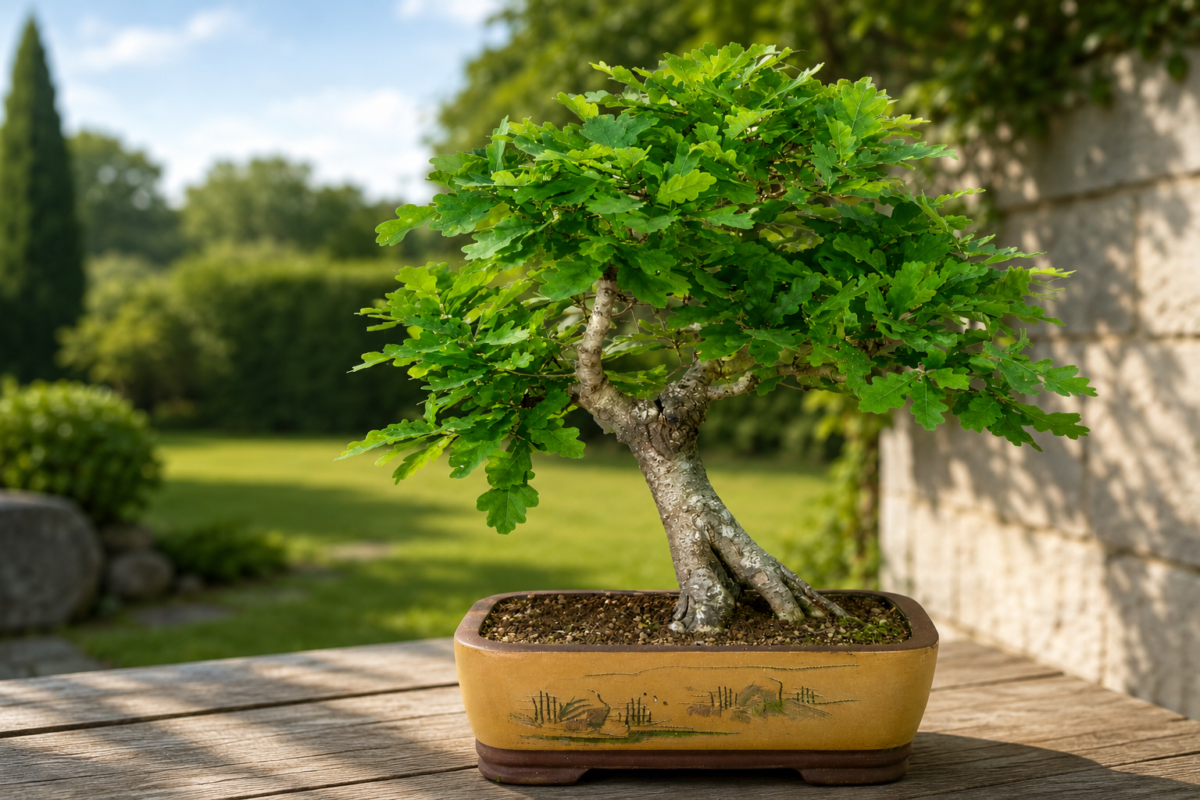
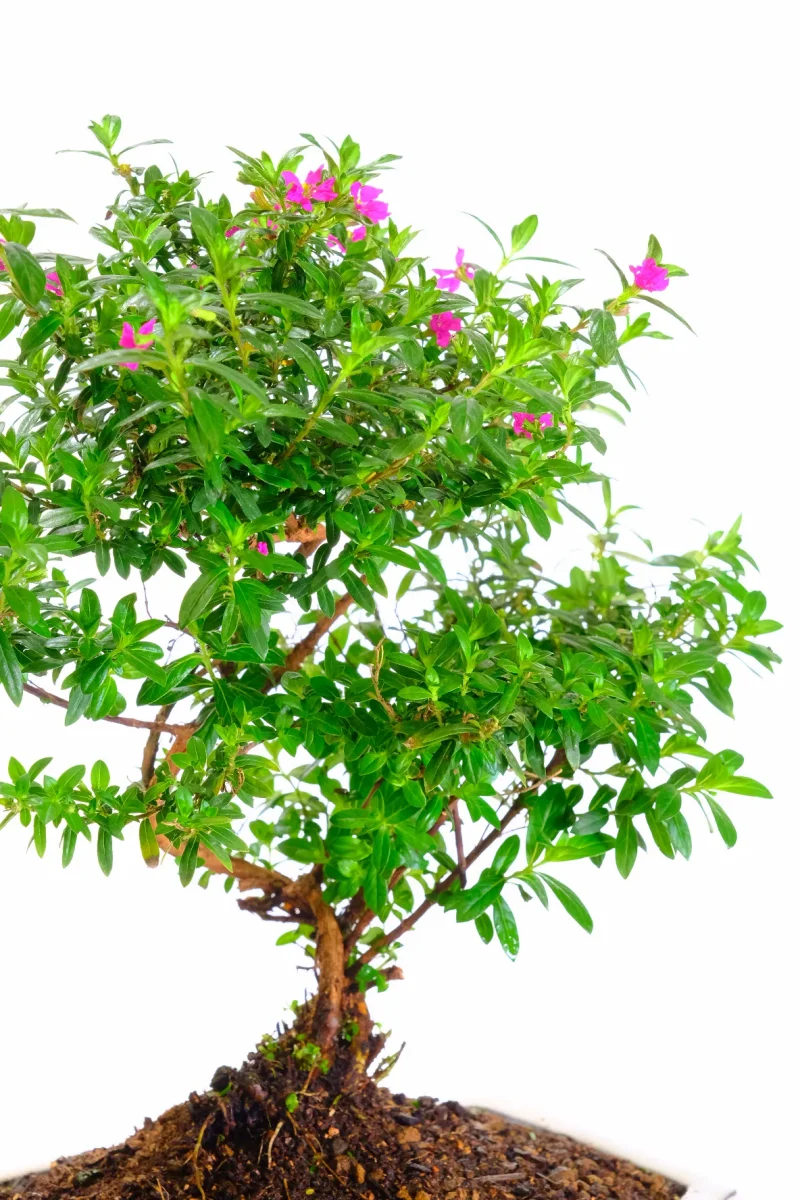
Summer Bonsai Tree Care: Keep Your Bonsai Thriving in the Heat
Wondering how to care for bonsai trees during summer? This blog gives expert advice on what to looks out for and things to consider, as well as providing…
Read More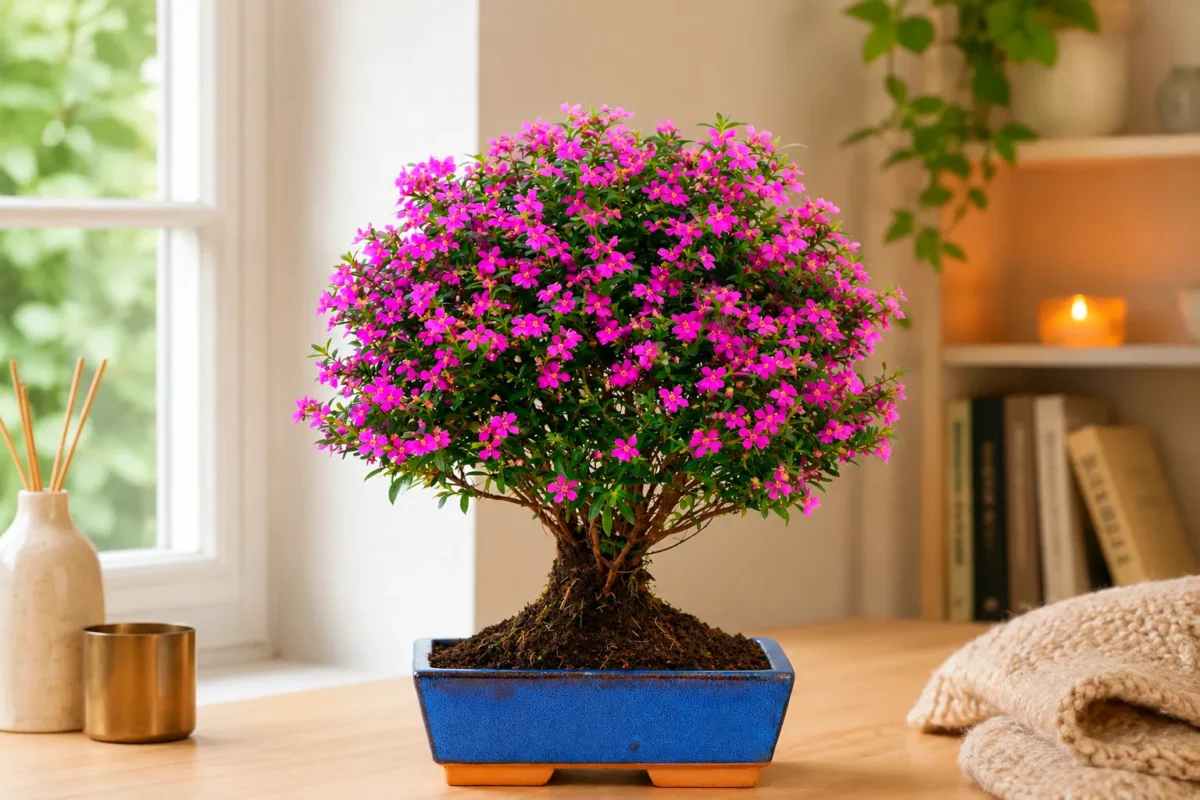
Cuphea Hyssopifolia Bonsai: The Tiny Flowering Bonsai That Blooms Almost All Year Round
Discover the beautiful Cuphea bonsai tree with prolific purple flowers. Read about caring for a Mexican Heather, the meaning and symbolism, and choose from our gorgeous selection.
Read More
Celebrate 20 Years of Bonsai Direct with Our Biggest Ever Anniversary Sale!
Celebrate Bonsai Direct's 20th Anniversary with our biggest-ever sale! Enjoy exclusive savings on selected bonsai trees, plus free UK delivery to most addresses and bonus gifts. Shop limited-time…
Read More
Great overview, cleared up a few questions I had.