

A definitive guide to your bonsai tree by Olea Noall
Bonsai trees have fascinated people for centuries. Beautiful, characterful and constantly changing, they capture the appearance of a mature tree in miniature. Yet bonsai is often misunderstood. A bonsai isn’t a special type of dwarf tree, and keeping one healthy doesn’t need to be complicated.
At Bonsai Direct, our knowledge comes from growing bonsai commercially. Lloyd Noall the founder of Bonsai Direct has over 40 years of commercial growing experience, developing both indoor and outdoor bonsai species here in the UK.

We are a family-run bonsai nursery and, importantly, we actually grow bonsai trees ourselves. We are not simply importers of finished bonsai. Growing and developing our own trees gives us control over their quality and allows us to work with species that are often difficult to source commercially.
This guide brings together that practical experience to explain bonsai from the beginning: what a bonsai tree actually is, how bonsai are created, how long they take to develop, which species to choose and how to keep your tree healthy for many years.
What is a Bonsai Tree?
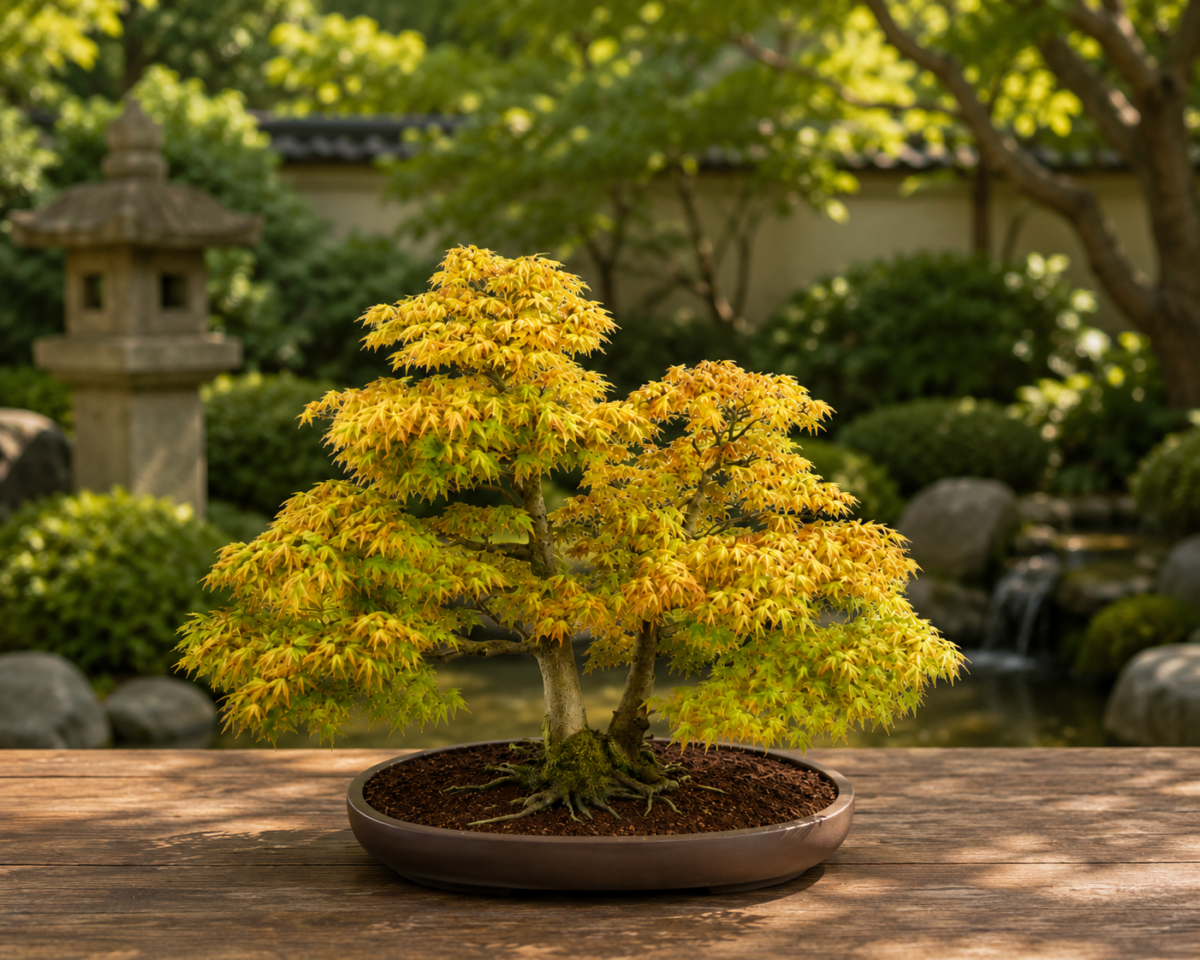
The word bonsai comes from Japanese and broadly translates as “tree in a tray” or “planting in a container”.
However, bonsai is much more than simply growing a tree in a small pot.
Bonsai is the art of growing and carefully developing trees to create the appearance and character of mature trees found in nature, but on a miniature scale.
Contrary to a common misconception, bonsai trees are not genetically dwarf trees. Many are ordinary tree and shrub species that could grow considerably larger if planted in the ground.
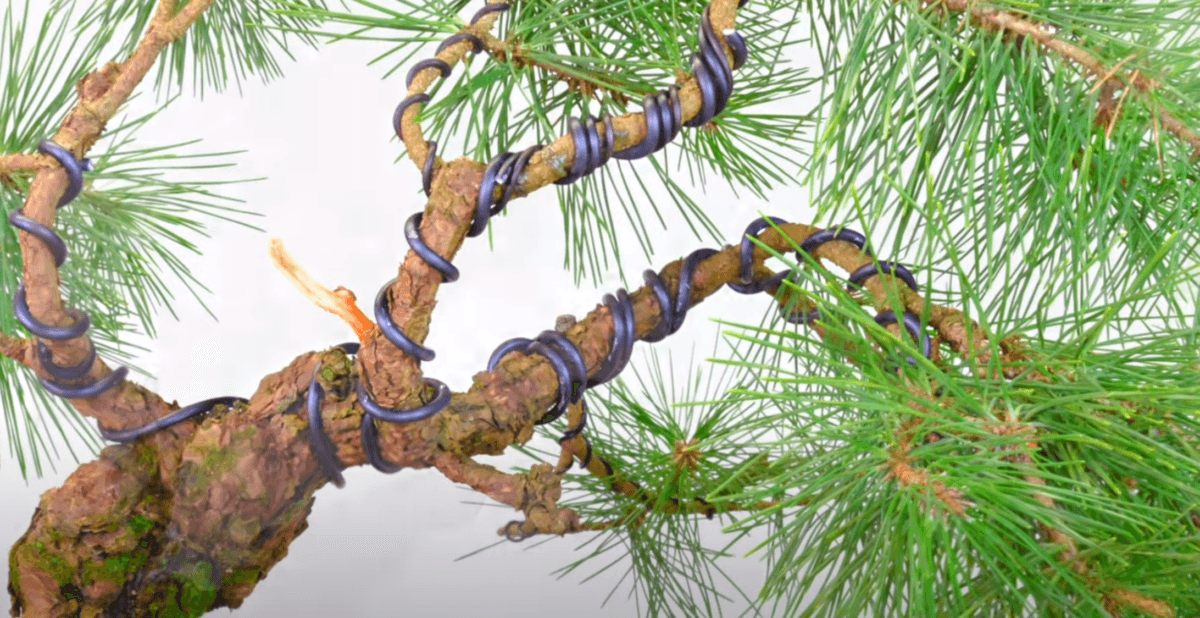
Their miniature appearance develops through careful cultivation. Root pruning, branch pruning, selective growth, wiring, shaping and restricted container growing all play a part.
Given enough time and skilled development, these techniques create the proportions we associate with mature bonsai: powerful trunks, visible surface roots, taper, fine branches and carefully balanced canopies.
Where Did Bonsai Originate?
Although bonsai is most strongly associated with Japan, its origins can be traced much further back to the Chinese practice of growing miniature landscapes and trees in containers.
The art later developed in Japan, where growers refined the techniques and aesthetics that shaped much of the bonsai we recognise today.
Over centuries, bonsai developed into a sophisticated horticultural art form based on observation of trees in nature.
Today, people grow bonsai throughout the world using an enormous variety of tree and shrub species.
How Are Bonsai Trees Made?
There is no single way to create a bonsai tree.
A bonsai can begin as a seed, cutting, young plant, air layer, nursery tree or an older tree specifically selected for its potential.
This is an important point for beginners. A bonsai doesn’t suddenly become a bonsai when someone puts it into a shallow ceramic pot.
The real work happens over years.
A grower gradually develops the trunk, roots and branches while controlling the overall proportions of the tree.
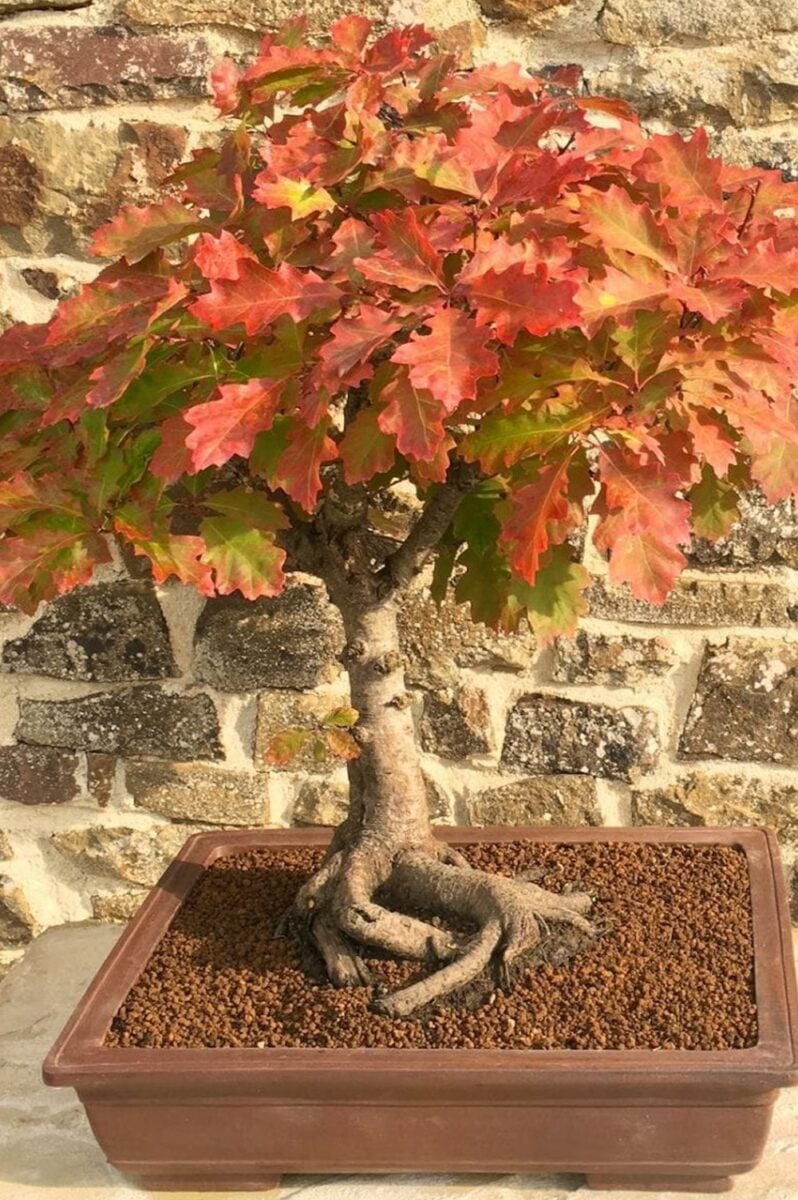
This can involve:
- developing a strong trunk;
- creating taper from the base towards the top;
- encouraging attractive surface roots, known as nebari;
- selecting and positioning primary branches;
- developing secondary and tertiary branches;
- creating fine ramification;
- pruning unwanted growth;
- wiring branches into position;
- root pruning and repotting;
- and continually refining the tree’s overall shape.
As the years pass, these individual techniques begin to create the illusion of a much larger and older tree.
We Actually Grow Bonsai Trees
This is an important part of what makes Bonsai Direct different.
We don’t simply buy finished bonsai trees and sell them on.
Our family has decades of commercial bonsai growing experience, and we continue to grow and develop large numbers of trees at our nursery.
Growing our own bonsai takes considerably more time than simply sourcing finished trees, but it allows us to concentrate on something that matters enormously to us: quality.
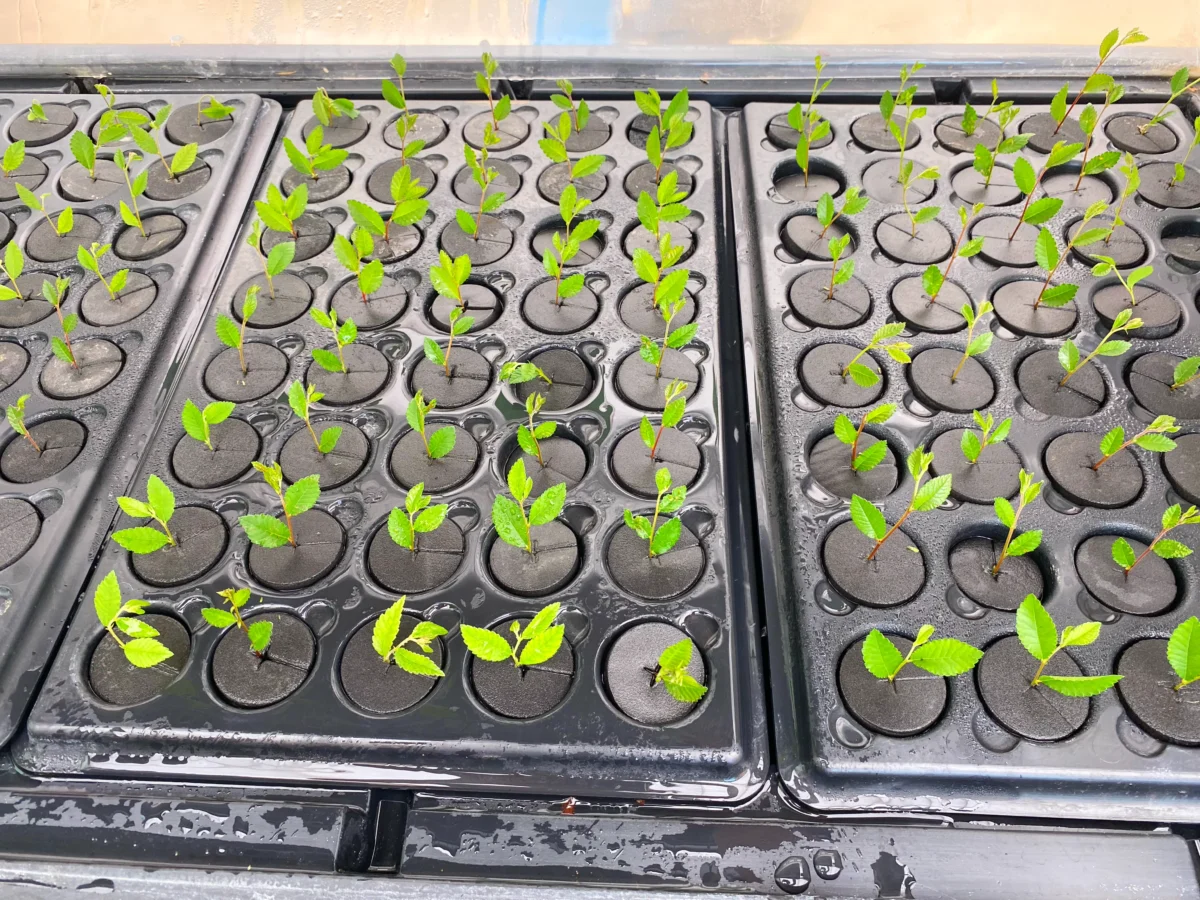
We can select promising young trees, develop their trunks, improve their branch structure, work on their roots and continue refining them over many years.
It also gives us freedom to grow interesting species that aren’t readily available from commercial bonsai suppliers.
Our nursery contains both indoor and outdoor bonsai at different stages of development. Some are relatively young trees receiving their first formative pruning, while others have already spent many years being shaped and refined.
For us, growing bonsai isn’t simply part of selling them. It is at the heart of what we do.
What Makes a Good Bonsai Tree?
There isn’t one perfect shape for a bonsai.
Part of their appeal comes from their individuality.
However, there are characteristics we look for when developing a quality tree.
A strong trunk is particularly important. Ideally, it should have character, movement and good taper, gradually becoming narrower towards the top.
The roots are important too. Visible surface roots can make a bonsai appear firmly anchored and much older.
Branches should complement the movement of the trunk rather than simply forming a dense ball of foliage. As a bonsai matures, increasingly fine branching creates ramification and helps establish the proportions of a full-sized tree.
Age alone therefore doesn’t determine the quality of a bonsai.
A well-developed younger tree can sometimes be considerably more impressive than an older tree that has received little training.
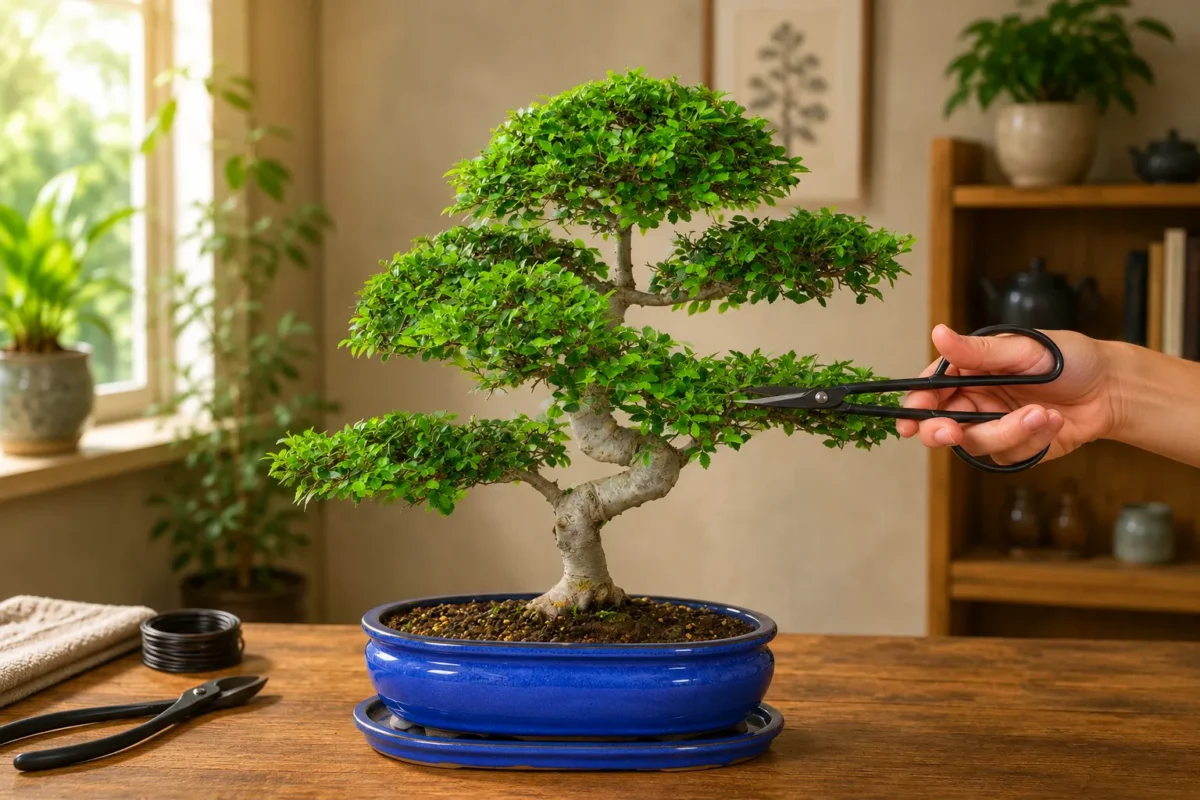
Indoor or Outdoor Bonsai?
One of the first decisions when choosing a bonsai is whether you want an indoor or outdoor tree.
Indoor Bonsai Trees
Indoor bonsai generally come from tropical or subtropical species that can tolerate the conditions inside our homes.
Popular varieties include Chinese Elm, Ficus, Chinese Sweet Plum, Fukien Tea and Serissa.
They still need plenty of natural light and appropriate watering, but they don’t require the same winter dormancy as many traditional outdoor species.
Outdoor Bonsai Trees
Outdoor bonsai live outside throughout the year.
This group includes some of the most beautiful and traditional bonsai species, including Japanese Maples, Pines, Junipers, Larch, Crab Apples, flowering Cherries and many native European trees.
Living outside allows them to experience the natural seasonal cycle.
Deciduous bonsai produce fresh growth in spring, mature through summer, change colour during autumn and lose their leaves for winter. Evergreen species provide a different kind of year-round interest.
Choosing between indoor and outdoor bonsai therefore depends partly on where you intend to keep your tree.
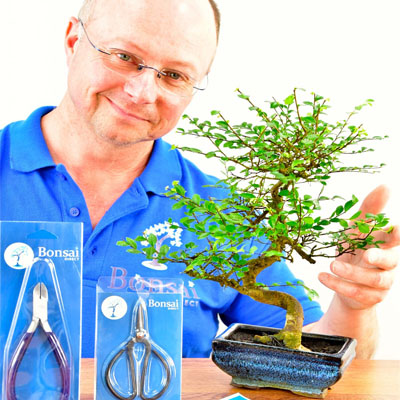
Choosing Your First Bonsai Tree
Your first bonsai doesn’t need to be the smallest, cheapest or youngest tree available.
Instead, choose a species suited to where you intend to grow it and how much time you want to spend caring for it.
Consider:
- whether it will live indoors or outside;
- how much natural light is available;
- the size of tree you prefer;
- whether you want flowers, fruit, autumn colour or evergreen foliage;
- how much pruning and development you want to undertake;
- and whether you prefer a young tree or a more established bonsai.
For beginners, a healthy, well-established tree of a forgiving species is often the best introduction to bonsai.
How to Care for a Bonsai Tree
Bonsai care is often made to sound far more mysterious than it really is.
A bonsai tree needs the same basic things as other healthy plants: water, light, nutrients, air and suitable growing conditions.
The difference is that its relatively small pot means conditions can change more quickly.
Understanding your individual tree is therefore far more useful than following rigid rules.
Watering a Bonsai Tree
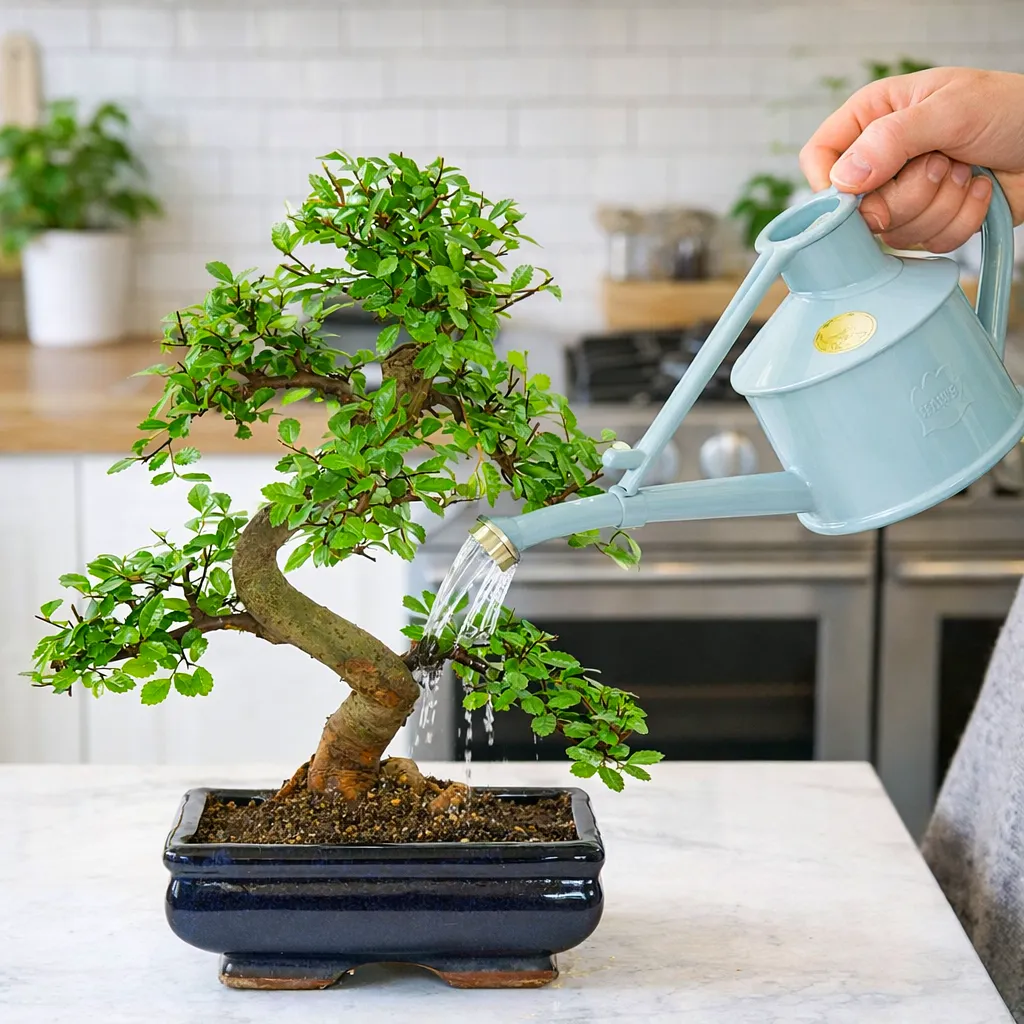
Never rely solely on a fixed watering schedule.
Check the compost regularly and water according to the needs of the tree. Weather, temperature, species, pot size, season and growth rate can all affect how quickly a bonsai uses water.
When your tree needs watering, water the compost thoroughly rather than giving it a small daily splash.
[Read our complete guide to watering bonsai →]
Feeding Bonsai Trees
Because bonsai grow within a limited volume of compost, regular feeding provides nutrients needed for healthy growth.
The amount and frequency depend on the species, season and fertiliser being used.
[Read our bonsai feeding guide →]
Pruning Bonsai
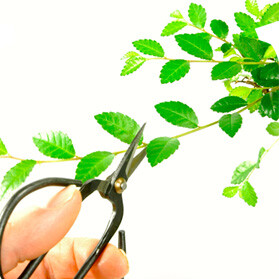
Pruning maintains the size and shape of a bonsai, but it also has a much more important role in its long-term development.
Careful pruning encourages new branches and increasingly fine growth. Over time, this creates the ramification that gives a mature bonsai its refined appearance.
[Read our complete bonsai pruning guide →]
Repotting Bonsai
Bonsai don’t remain in the same compost indefinitely.
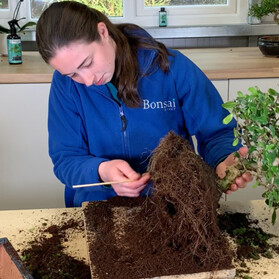
As roots develop, the tree eventually needs repotting. This provides an opportunity to refresh the growing medium, inspect and prune the roots where appropriate, and maintain a healthy root system.
How frequently this needs doing depends largely on the age, species and growth rate of the tree.
[Read our guide to repotting bonsai →]
How Long Does a Bonsai Tree Take to Grow?
There is no simple answer.
Bonsai development can take years or decades, depending on the starting material and the result the grower wants to achieve.
A young tree can become an attractive bonsai relatively quickly. Creating a highly refined specimen with an impressive trunk, mature bark, strong nebari and extensive fine ramification takes much longer.
This gradual development is part of the pleasure of bonsai.
A bonsai is never really “finished”. It continues to grow and change, and the person caring for it becomes part of that development.
Understanding Bonsai Age
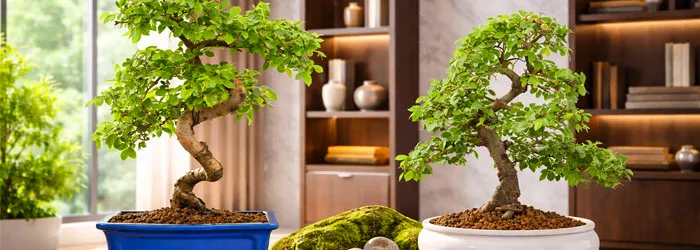
Age can be useful when comparing bonsai, but it shouldn’t be considered in isolation.
Two 10-year-old trees can look completely different.
Their quality depends on how they have been grown, pruned, shaped and developed during those ten years.
When choosing a bonsai, look beyond the number. Consider the trunk, taper, roots, branch structure, health, balance and overall character of the tree.
[Read our guide: 5-Year-Old vs 10-Year-Old Bonsai Trees →]
Bonsai Through the Seasons
Bonsai care changes throughout the year.
Spring brings vigorous new growth and is an important period for many pruning and repotting tasks.
During summer, watering becomes particularly important as trees actively grow and warmer conditions dry pots more quickly.
Autumn brings spectacular changes to many outdoor species, including colourful foliage, berries and fruit.
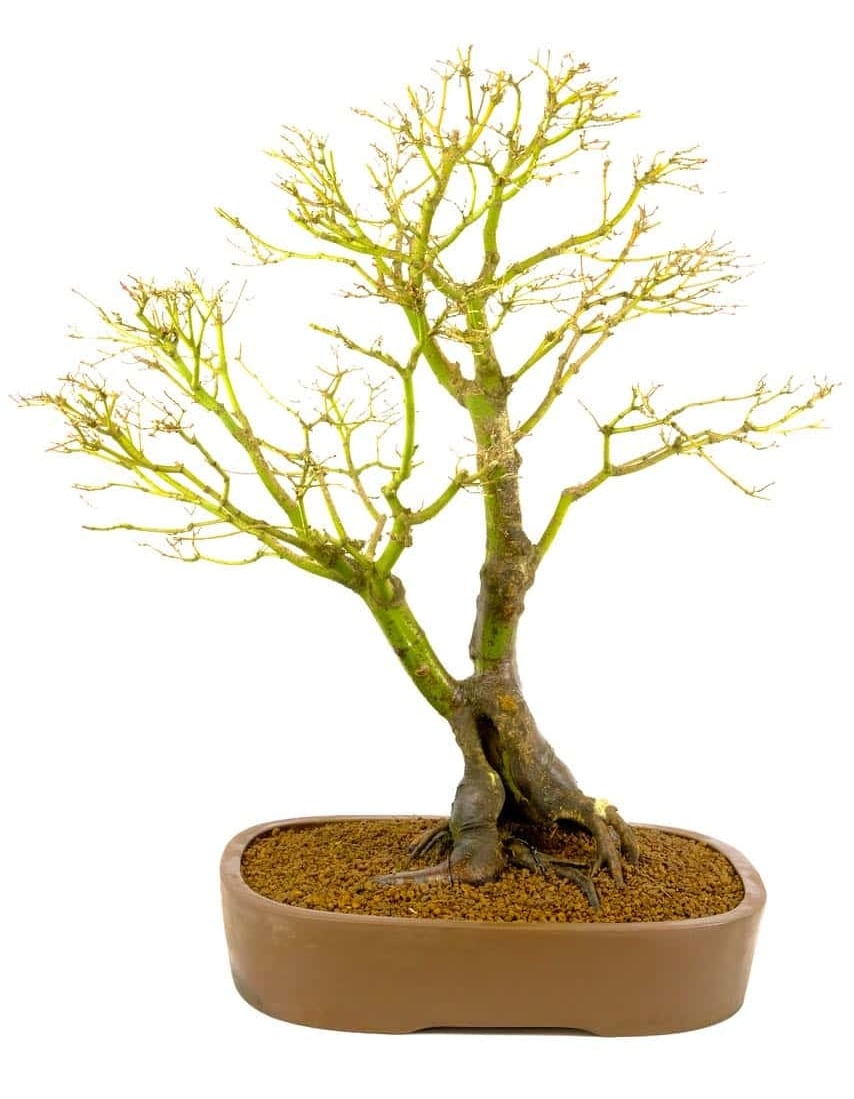
Winter is a natural resting period for many outdoor bonsai. Deciduous species lose their leaves, while their bare branch structures reveal the development that is often hidden during summer.
Understanding this annual cycle makes caring for bonsai considerably easier.
Developing a Bonsai Tree
Once you’ve mastered basic care, bonsai becomes much more interesting.
Instead of simply keeping your tree alive, you can begin developing it.
This might involve improving:
- trunk shape and taper;
- nebari and surface roots;
- primary branch placement;
- secondary branching;
- ramification;
- foliage pads;
- overall balance;
- and the relationship between the tree and its pot.
These are the techniques we use at our nursery to develop young plants into increasingly mature bonsai.
Growing Bonsai Is a Long-Term Relationship
Perhaps the most important thing for a beginner to understand is that bonsai isn’t about keeping a tree permanently unchanged.
A bonsai is alive.
It grows, responds to the seasons, produces new branches and roots, and gradually changes character.
You might buy a beautiful bonsai today, but with good care it could look even better in five, ten or twenty years.
That continuing relationship between grower and tree is one of the things that makes bonsai so rewarding.
Learn More About Bonsai
With around 40 years of commercial growing experience behind Bonsai Direct and Lloyd Noall, our guides are based on the practical experience of growing, developing and caring for bonsai trees.
Explore our specialist guides to learn more about watering, feeding, pruning, repotting, positioning, seasonal care and individual bonsai species.
Or, if you’re ready to choose a tree of your own, discover our collection of indoor and outdoor bonsai trees, grown and cared for by our family-run specialist nursery.


0 replies