


What Makes a Specimen Bonsai Tree?
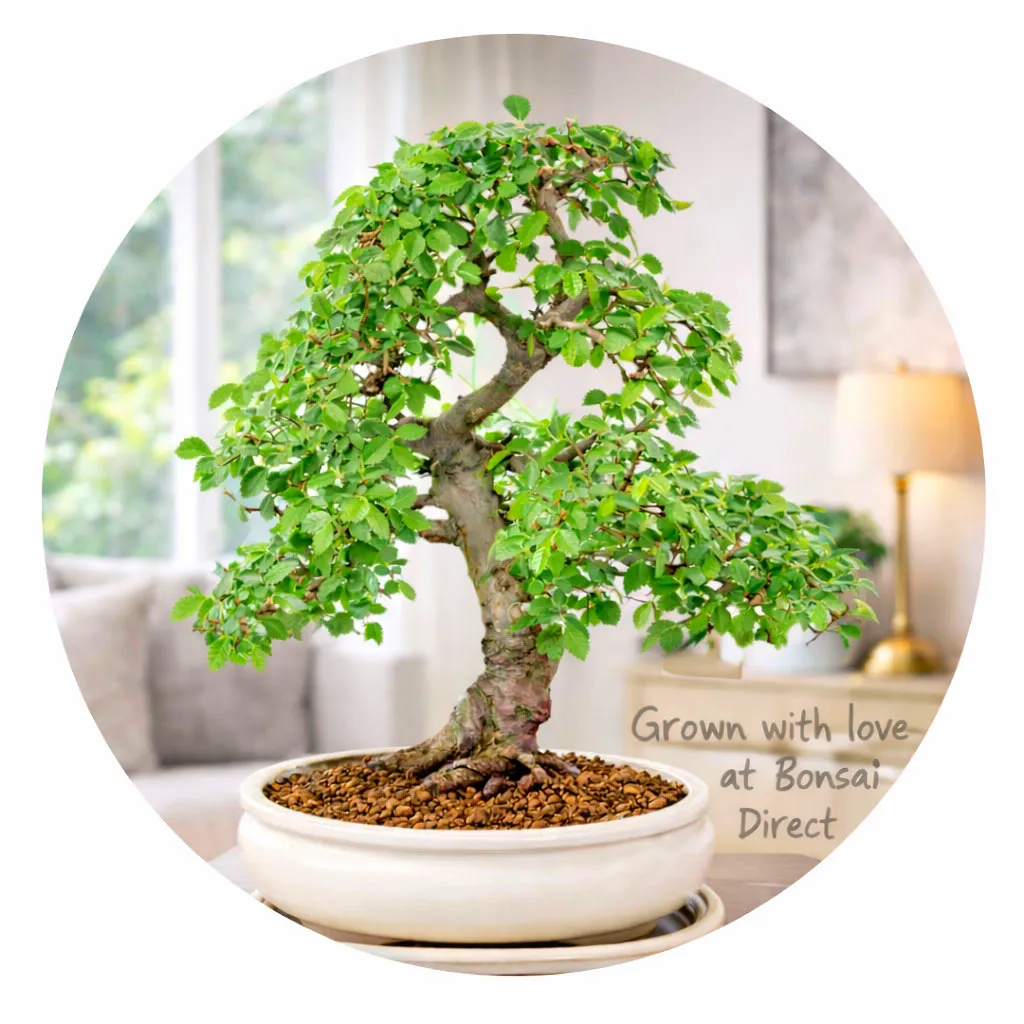
A specimen bonsai is far more than a small tree in a pot. It’s a mature, highly refined miniature tree that faithfully replicates the structure, proportions, and character of a full-grown tree in nature.
It is not an illusion.
It is a true scaled representation of a mature tree, achieved through years — often decades — of careful cultivation and disciplined technique.
It’s Not About Size — It’s About Accuracy
A specimen bonsai does not aim to trick the eye. Instead, it aims to replicate nature with precision.
Every element should reflect how a full-sized tree grows:
- A trunk that thickens and tapers naturally
- Branches that emerge in believable positions
- A canopy that reflects maturity, not just density
- Roots that anchor the tree convincingly into the soil
When done properly, the bonsai becomes a genuine miniature counterpart of a real tree.
Proportion: The Silent Indicator of Quality
Proportion is one of the most important — and often overlooked — aspects of a specimen bonsai.
Everything must be in scale:
- Leaf size relative to the tree
- Branch thickness relative to the trunk
- Trunk thickness relative to height
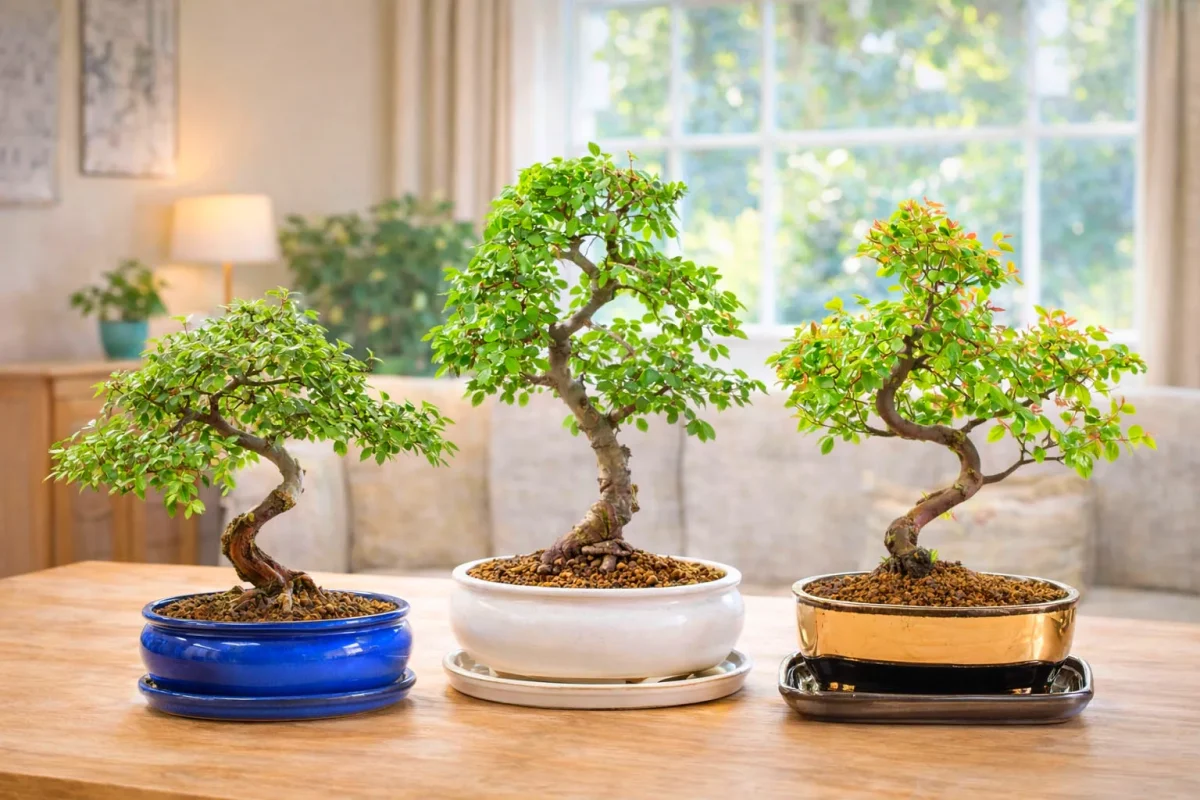
- Pot size relative to the overall composition
When proportions are correct, the tree feels natural and convincing. When they are not, even a technically well-grown bonsai can feel unbalanced or immature.
Strong proportion is often what separates a good bonsai from a truly exceptional one. It is not always obvious at first glance, but it has a huge impact on overall quality.
Time Is the Defining Ingredient
You cannot create a specimen bonsai quickly.
While shaping can begin early, true specimen quality develops over time:
- Bark matures and gains texture
- Trunks thicken and develop taper
- Branches refine and settle
- Ramification becomes finer and more controlled
It often takes decades to reach this level. That time investment is built into the tree.
Structure Comes First
At the heart of every specimen bonsai is strong structure.
The trunk provides the foundation. It should show:
- Natural taper
- Convincing movement
- Correct proportion
From there, branches must be placed logically and with purpose. The structure should guide the eye effortlessly through the tree.
Nothing should feel accidental.
Nebari: The Anchor of the Tree
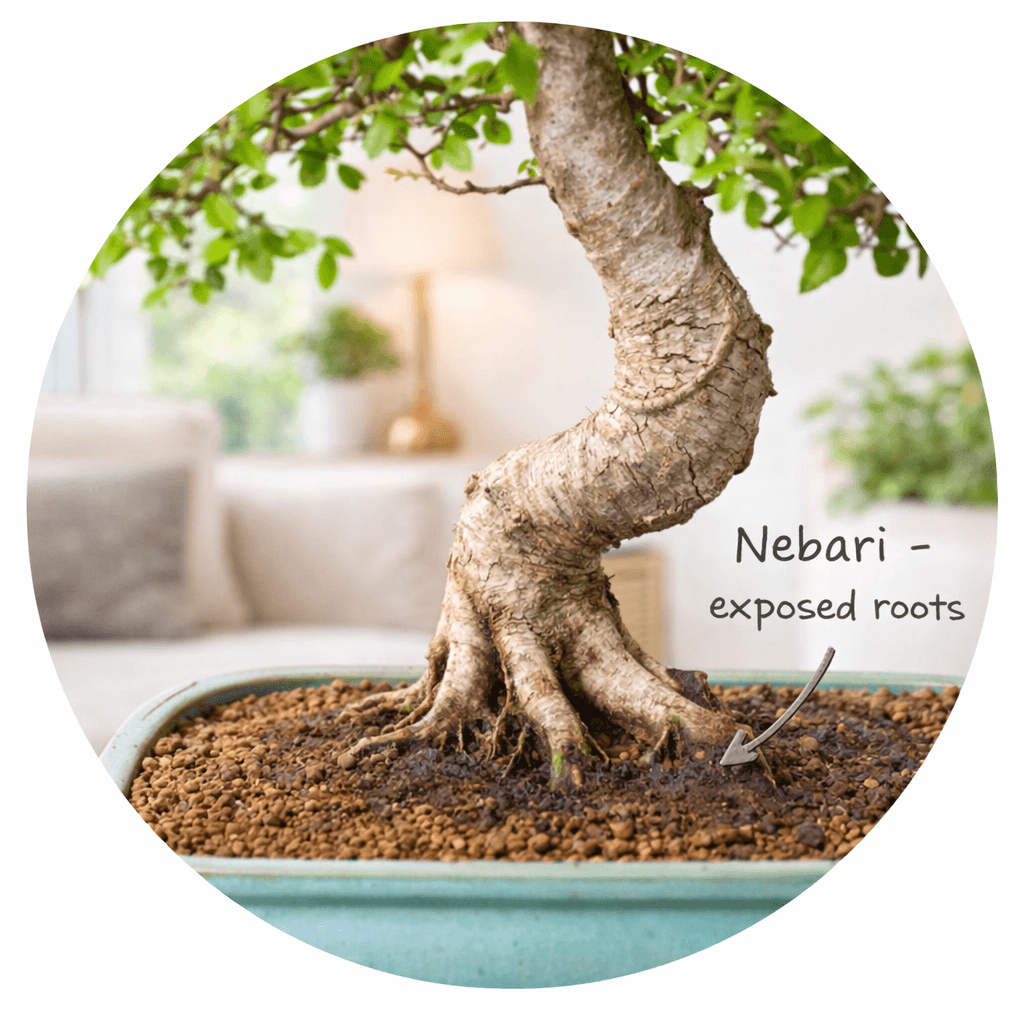
Nebari gives the tree stability and presence.
A well-developed root flare:
- Grounds the tree visually
- Suggests age and permanence
- Creates a natural transition into the trunk
It is one of the first things experienced growers look for.
Ramification: Where Refinement Lives
Ramification is the fine network of branches that supports the canopy.
In a specimen bonsai, it must be:
- Evenly distributed
- In proportion to the tree
- Controlled and refined
This is what creates a mature, believable canopy rather than a mass of foliage.
Deadwood Features: Character and Narrative
This is where a bonsai can move from refined to truly exceptional.
Features such as:
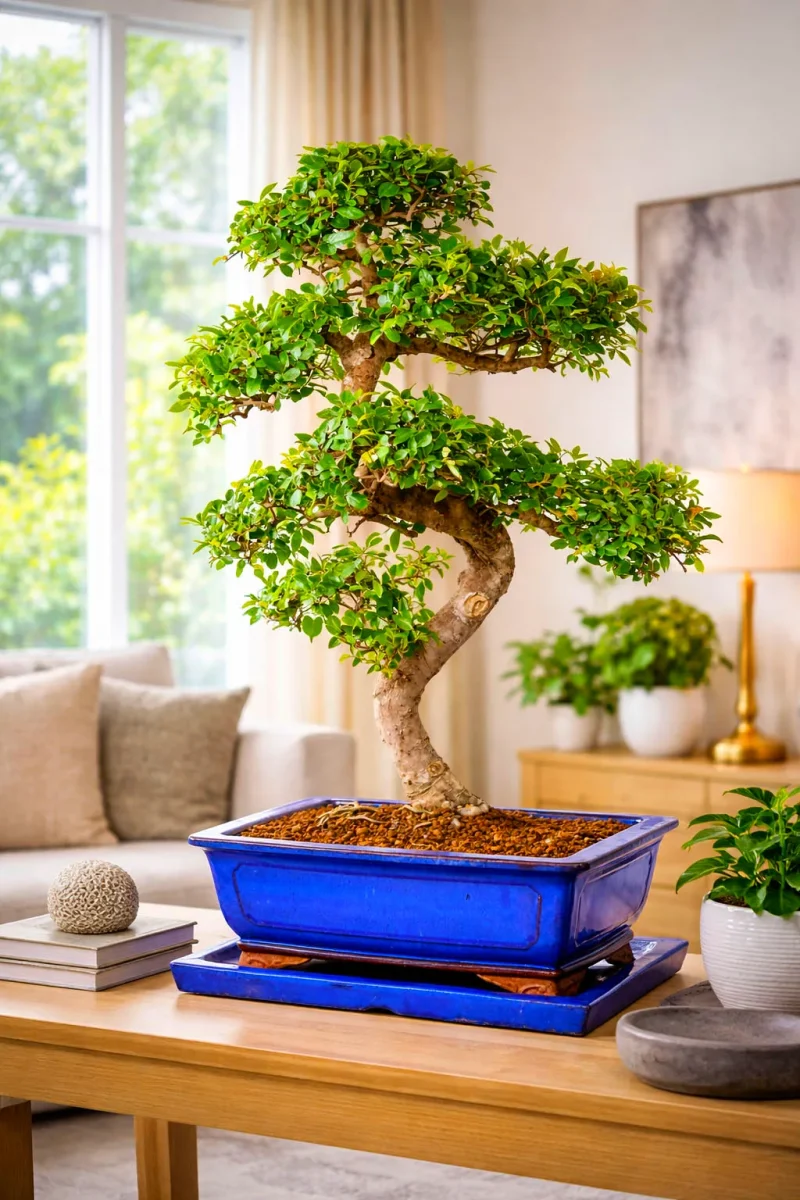
- Uro (natural hollows or cavities in the trunk)
- Jin (deadwood branches)
- Shari (strips of exposed deadwood along the trunk)
add depth, age, and character to the tree.
These are not decorative additions. When done correctly, they reflect natural processes such as:
- Storm damage
- Dieback
- Ageing and decay
They introduce contrast between living and dead elements, which gives the bonsai a sense of history and resilience.
A well-placed uro or a subtle line of shari can completely transform a bonsai, adding authenticity and elevating it toward specimen quality.
However, restraint is key. Overuse or artificial-looking deadwood can have the opposite effect.
The Role of the Pot
At specimen level, the pot becomes part of the design.
It must:
- Match the scale of the tree
- Complement its character
- Support the overall balance
A poor pot choice can reduce the impact of even a high-quality bonsai.
The Often Overlooked Element: Restraint
Specimen bonsai are rarely overworked.
They show:
- Clean structure
- Defined spacing
- Controlled foliage
- Clear lines
Knowing what to remove is just as important as knowing what to grow.
A Different Perspective on Specimen Bonsai
A specimen bonsai represents long-term consistency.
It is the result of:
- Years of seasonal growth
- Continuous refinement
- Careful decision-making
- Ongoing adjustment
Bonsai trees are not created in a moment. It is built gradually.
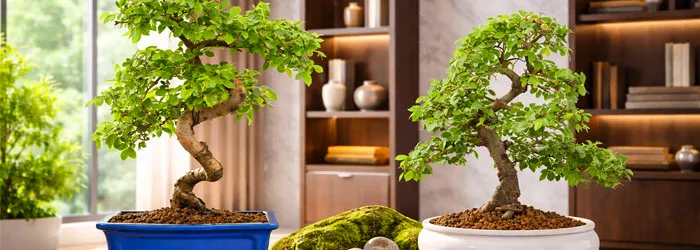
Why Specimen Bonsai Are So Valuable
They stand apart because:
- They take decades to develop
- They require sustained expertise
- They cannot be mass-produced
- Each one is unique
Bonsai Trees are not just plants. They are cultivated over time into something far more refined.
Final Thoughts
A specimen bonsai is defined by accuracy, proportion, maturity, and detail.
Strong structure, balanced proportions, refined ramification, and features such as uro, jin, and shari all contribute to its quality. Each element works together to create a tree that feels complete, grounded, and natural.
Related Content
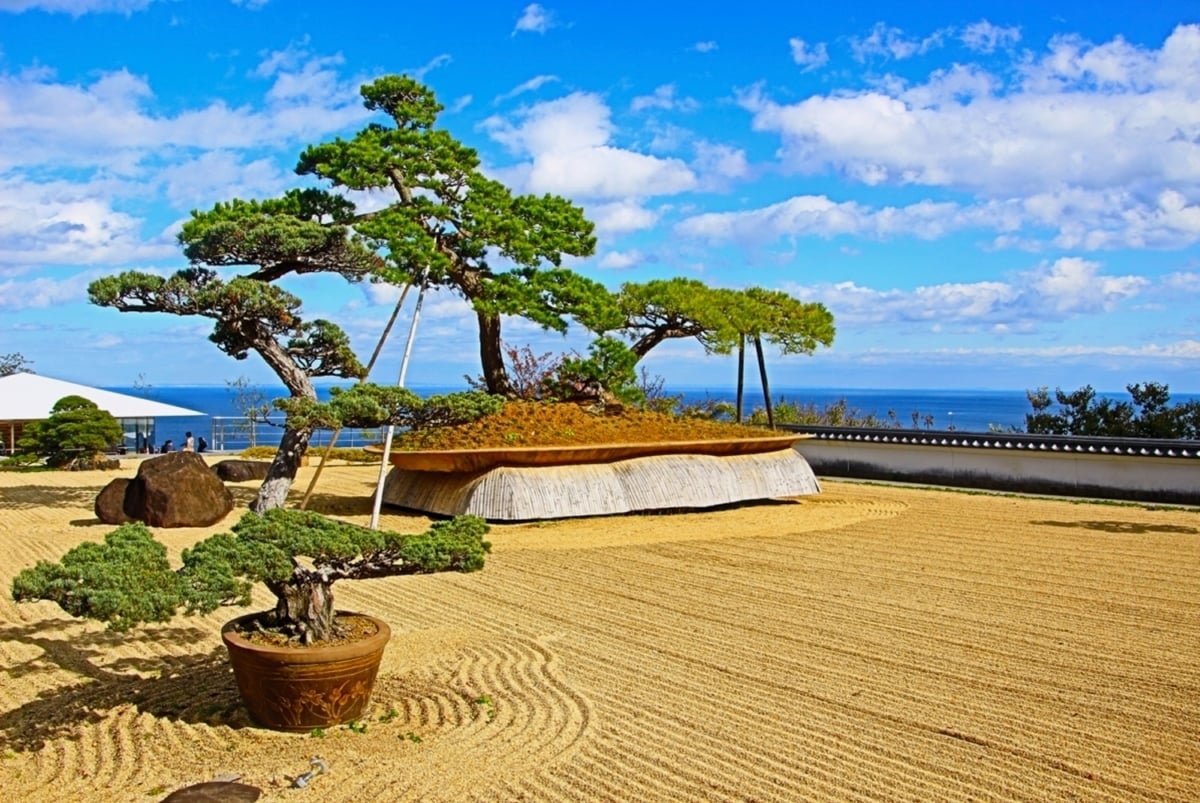
Bonsai Topics – Bonsai Tree Large
Welcome to our blog series, Bonsai Topics. Today, we're delving into the fascinating world of large bonsai trees. At Bonsai Direct, we have a superb selection of large…
Read More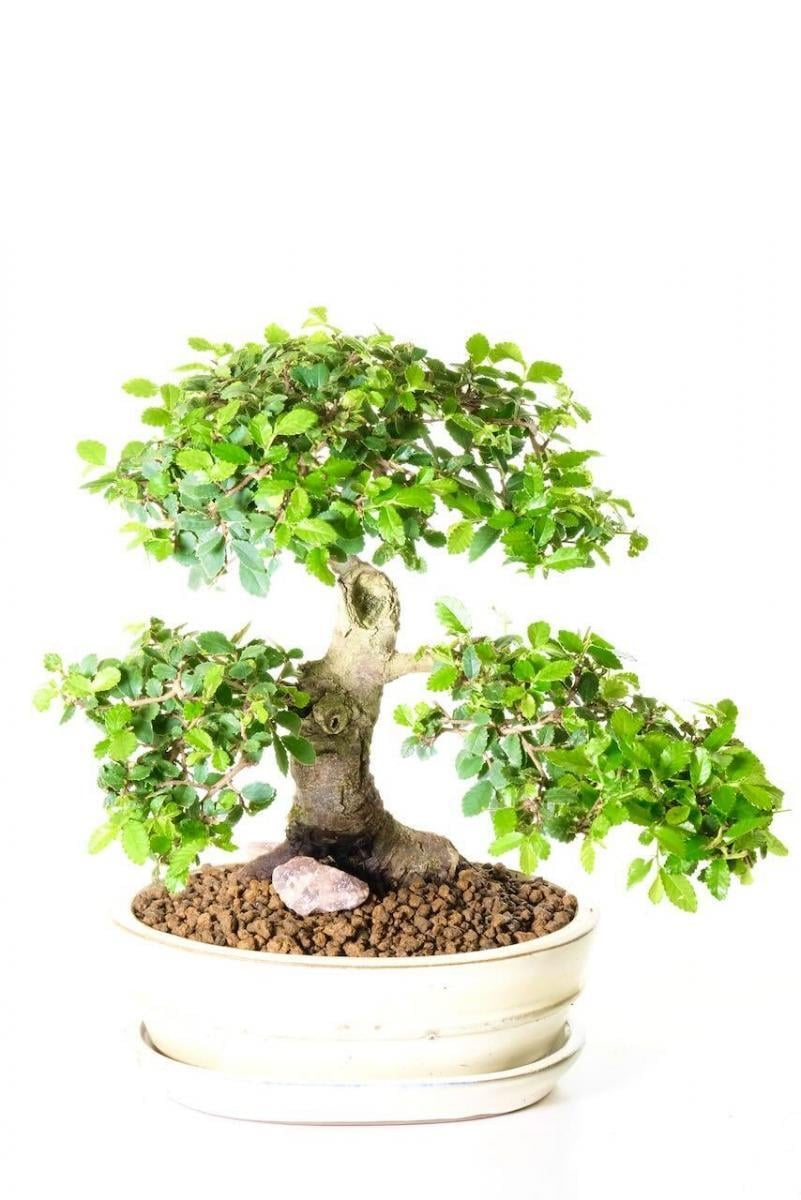
Come in and take a closer look – Specimen Chinese Elm Bonsai!
This is a specimen range Chinese Elm bonsai. In this video, we give you a closer look at the bonsai, allowing you to truly admire its beauty. The…
Read More
Specimen Bonsai
What makes a bonsai, a good bonsai? There are many attributes that make a specimen bonsai, they take years to grow, shape and style. Check out our premium…
Read More