


Easiest Bonsai To Keep Alive
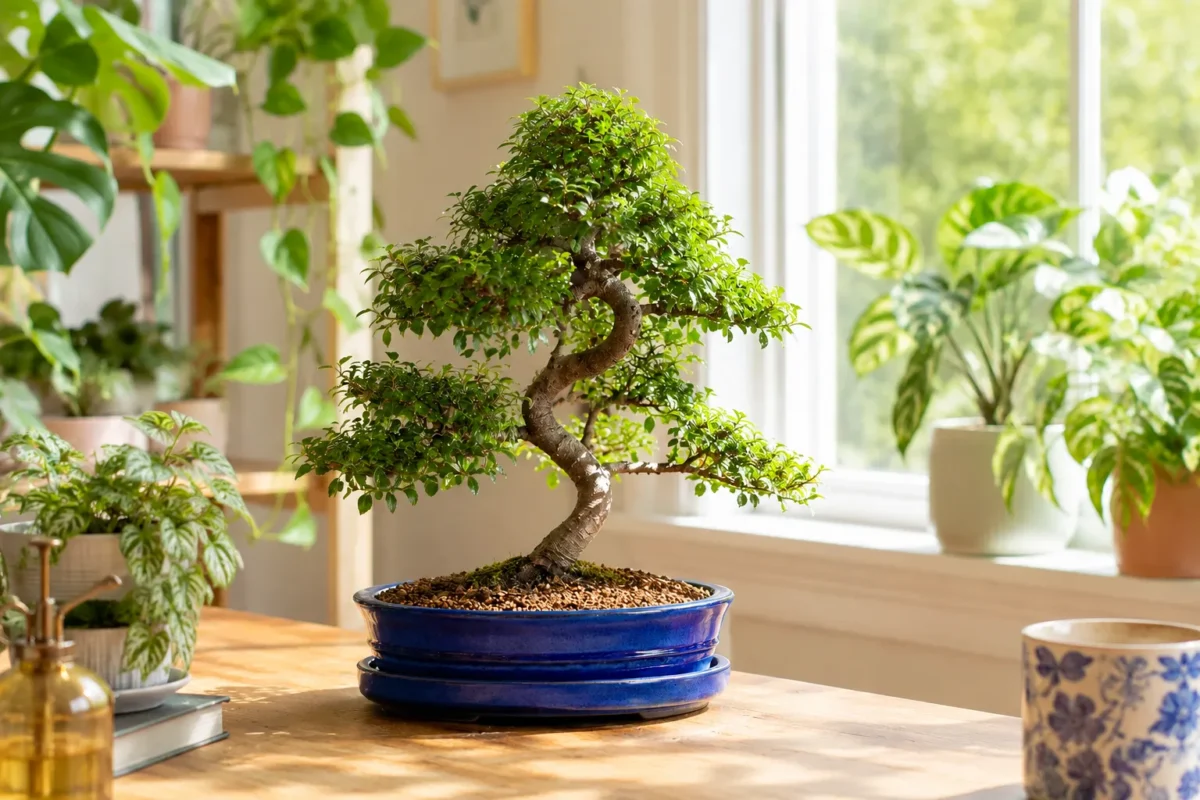
The Best Bonsai Trees for Beginners Indoors and Outdoors
One of the biggest misconceptions about bonsai is that they are difficult to grow successfully. In reality, choosing the right species makes all the difference.
Some bonsai trees are naturally resilient, adaptable, and forgiving, making them perfect for beginners or anyone wanting a low-maintenance tree that still looks stunning year-round.
The best beginner bonsai tend to share a few important qualities:
- Hardy growth habits
- Strong recovery after pruning
- Tolerance to occasional watering mistakes
- Resistance to pests and disease
- Vigorous root systems
- Flexibility for shaping and training
If you are new to bonsai, selecting a robust species is one of the best ways to build confidence and enjoy the hobby without frustration.
In this guide, we explore four beginner-friendly bonsai trees — divided into indoor and outdoor species.
Indoor Bonsai
Indoor bonsai must cope with lower humidity, reduced airflow, and stable indoor temperatures. While many tree species struggle in these conditions, a few adapt exceptionally well to life inside the home.
The best indoor bonsai for beginners are:
- Chinese Elm (Ulmus parvifolia)
- Dwarf Jade / Money Tree (Portulacaria afra)
Chinese Elm Bonsai (Ulmus parvifolia)
The Chinese Elm is widely regarded as one of the finest bonsai species for beginners.
Elegant yet incredibly resilient, it combines delicate beauty with impressive toughness. Over time, it develops graceful branching, small serrated leaves, and beautifully textured bark that matures into attractive shades of grey, orange, cream, and brown.
One of the reasons Chinese Elms are so popular is their adaptability. They tolerate indoor conditions better than many traditional bonsai trees while still responding vigorously to pruning and shaping.
They are also remarkably forgiving.
Missed a watering?
Pruned too heavily?
Repotted a little too aggressively?
A healthy Chinese Elm will usually bounce back quickly.
Its naturally fine twigging structure also helps create the classic “miniature tree” appearance relatively quickly compared to slower-growing species.
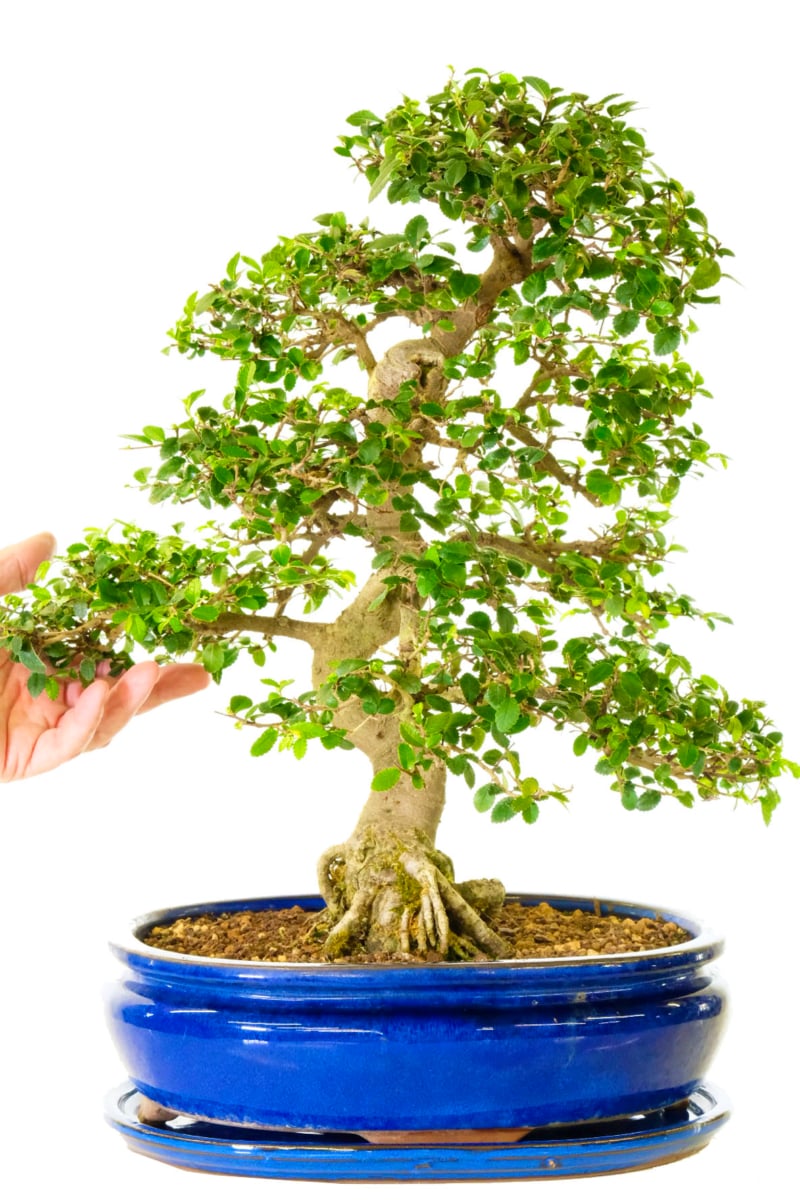
Chinese Elm – Ulmus parvifolia Bonsai tree
Why Chinese Elm Is Perfect for Beginners
- Vigorous and reliable growth
- Recovers well after pruning
- Tolerates occasional care mistakes
- Adapts well to indoor environments
- Resistant to many common pests
- Develops fine branching quickly
Chinese Elms also produce multiple flushes of fresh growth during the growing season, giving beginners regular opportunities to practise pruning and styling techniques.
Chinese Elm Care Summary
Light
Bright indirect light or several hours of gentle morning sun.
Watering
Keep soil slightly moist but never permanently waterlogged. Avoid allowing the rootball to dry out fully.
Feeding
Feed every 1–2 weeks during spring and summer using a balanced liquid bonsai fertiliser.
Pruning
Regular pruning encourages dense branching and refined structure.
Position
Can be grown indoors in bright rooms or outdoors in mild climates.
Dwarf Jade Bonsai (Portulacaria afra)
If there is one bonsai species that thrives on simplicity, it is the Dwarf Jade.
Portulacaria afra, often known as the Money Tree or Elephant Bush, is a succulent species native to South Africa and one of the most forgiving bonsai varieties available.
Its thick trunk and fleshy leaves store water efficiently, making it highly drought tolerant and ideal for people worried about missing the occasional watering.
Unlike many bonsai species, Dwarf Jade genuinely enjoys warm indoor environments. It loves sunlight, warmth, and airflow and grows enthusiastically when conditions are right.
Visually, it has a completely different character from traditional bonsai trees.
The trunk gradually thickens into beautiful sculptural forms, while the small round leaves create a soft, compact canopy that resembles a mature tree in miniature.
As it ages, the tree develops remarkable personality and charm.
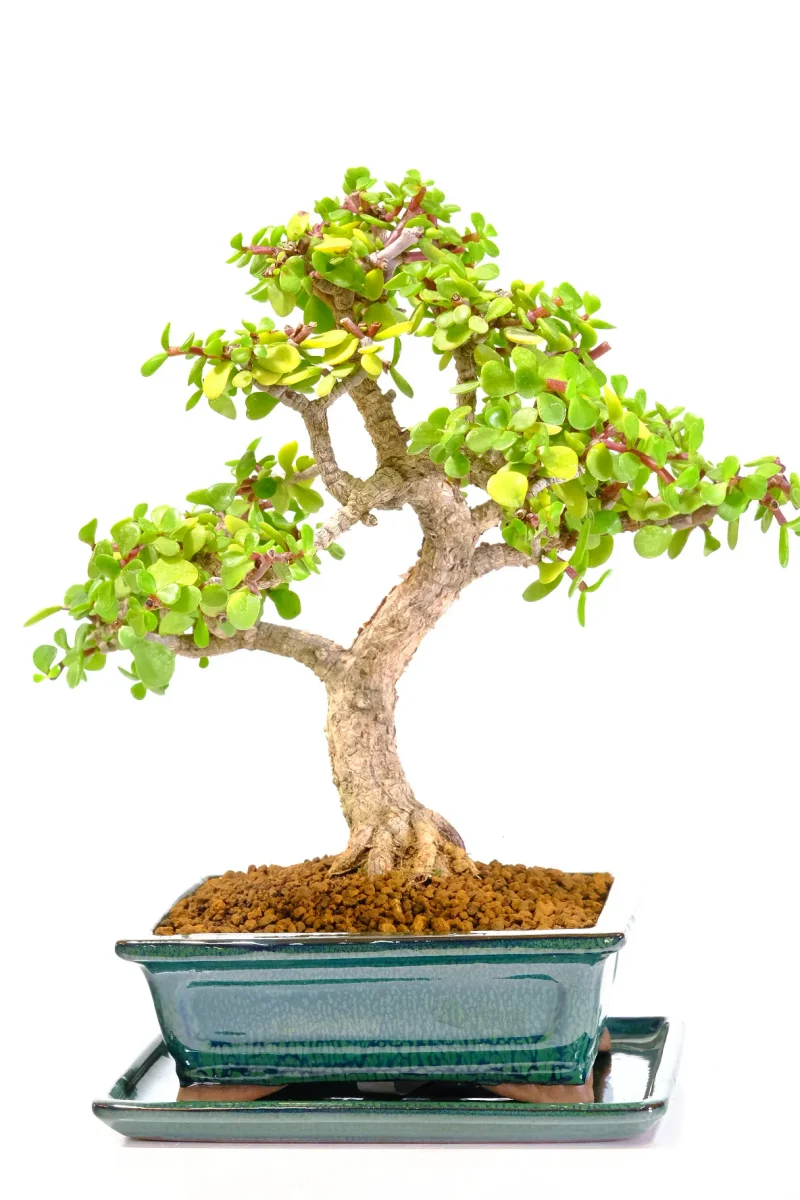
Dwarf Jade – Money Plant Portulacaria afra Bonsai Tree
Why Dwarf Jade Is So Beginner-Friendly
- Stores water in leaves and trunk
- Highly tolerant of dry conditions
- Thrives in warm indoor spaces
- Fast-growing and easy to shape
- Propagates easily from cuttings
- Very forgiving for first-time growers
For many beginners, overwatering is actually a bigger risk than underwatering with this species.
Dwarf Jade Care Summary
Light
Requires bright light and ideally several hours of direct sunlight daily.
Watering
Allow soil to partially dry between watering. Avoid permanently wet compost.
Feeding
Feed lightly during spring and summer.
Pruning
Responds extremely well to pruning and branch development.
Position
Excellent for sunny windowsills, conservatories, or bright indoor spaces.
Outdoor Bonsai
Outdoor bonsai are often easier long-term because they benefit from natural sunlight, fresh air, rainfall, and seasonal dormancy cycles.
Hardy evergreen species are particularly rewarding because they remain attractive throughout the entire year and cope well with changing weather conditions.
Two of the most dependable outdoor bonsai species are:
- Chinese Juniper (Juniperus chinensis)
- Pine Bonsai (Pinus halepensis, thunbergii etc)
Chinese Juniper Bonsai (Juniperus chinensis)
The Chinese Juniper is one of the most iconic bonsai trees in the world and has become synonymous with classic bonsai design.
This hardy evergreen species is admired for its rugged bark, twisting trunk movement, emerald-green foliage, and exceptional styling versatility.
It is also an incredibly durable tree.
In nature, junipers often grow in harsh coastal and mountainous environments, which makes them naturally resistant to wind, sun, temperature fluctuations, and difficult weather conditions.
Their flexible branches make them ideal for wiring into dramatic bonsai forms including:
- Informal upright
- Windswept
- Cascade
- Slanting styles
As the tree matures, the bark develops beautiful reddish-brown texture, adding a powerful sense of age and character.
Some specimens also produce dusty blue-purple berries that create additional seasonal interest.
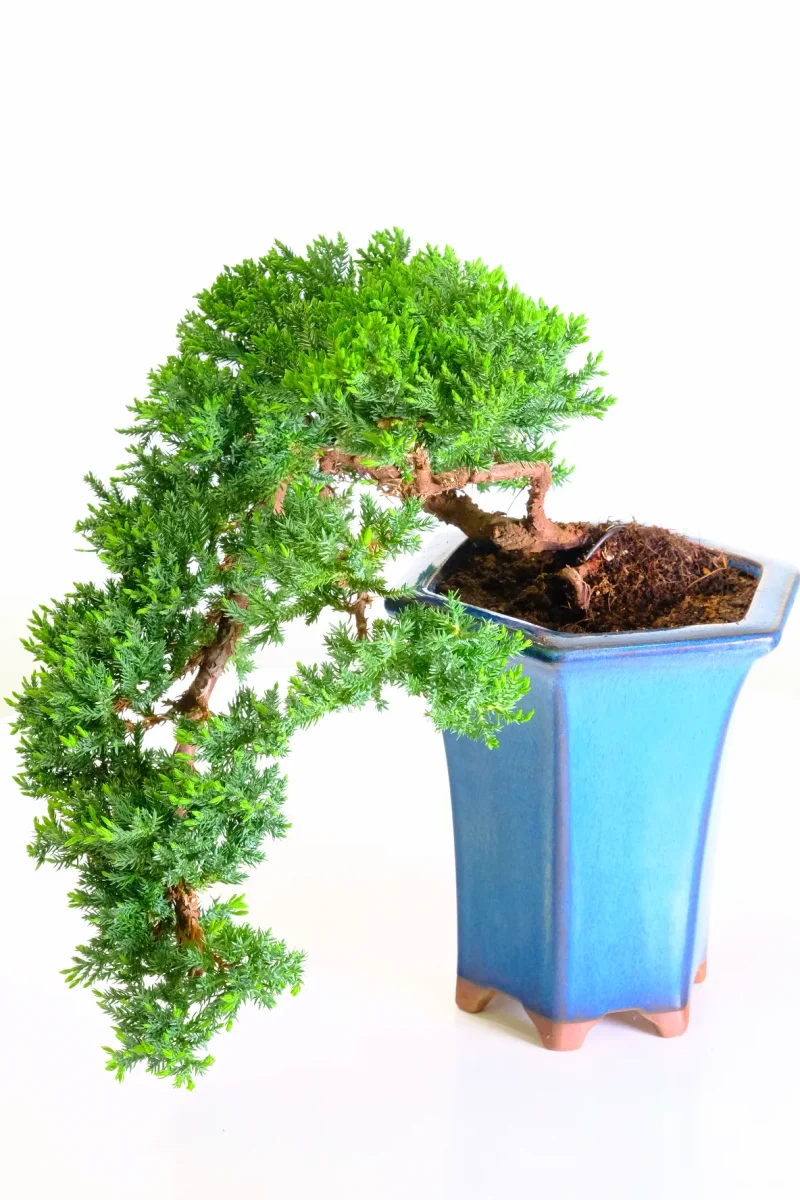
Chinese Juniper – Juniperus chinensis Cascade Bonsai Tree
Why Chinese Juniper Is a Reliable Outdoor Bonsai
- Extremely hardy outdoors
- Evergreen throughout the year
- Responds well to pruning and wiring
- Tolerates challenging weather conditions
- Long-lived and vigorous
The key to healthy junipers is balancing sunlight and watering correctly.
They dislike permanently wet soil but should never be allowed to dry out completely.
Chinese Juniper Care Summary
Light
Requires full outdoor sun.
Watering
Water thoroughly and allow slight drying between watering.
Feeding
Feed regularly from spring through autumn.
Pruning
Pinch out fresh growth to maintain compact foliage pads.
Position
Best suited to outdoor growing year-round.
Pine Bonsai (Pinus halepensis, thunbergii..)
Pine bonsai possess a timeless beauty that perfectly captures the feeling of ancient trees growing in rugged natural landscapes.
Pinus halepensis, commonly known as the Aleppo Pine, is especially valued for bonsai because of its durability, elegant needle structure, and ability to thrive in difficult conditions.
This Mediterranean species tolerates heat, sun, drought, and exposed environments exceptionally well once established.
Pines create striking bonsai with:
- Rugged bark
- Powerful aged trunks
- Elegant needle clusters
- Dramatic silhouettes
Over time, they develop tremendous character and a sense of permanence unmatched by many other bonsai species.
Although pine bonsai require a little patience during refinement, they are remarkably resilient and long-lived trees.

Japanese Black Pine Bonsai Tree Pinus thunbergii
Why Pine Bonsai Are Surprisingly Hardy
- Tough evergreen species
- Excellent drought tolerance once established
- Long lifespan
- Strong resistance to harsh weather
- Thrive in full outdoor sun
Pines are ideal for growers wanting a tree that feels natural, ancient, and deeply connected to traditional bonsai aesthetics.
Pine Bonsai Care Summary
Light
Full outdoor sun.
Watering
Allow slight drying between watering but avoid prolonged drought in shallow pots.
Feeding
Feed during the growing season with balanced bonsai fertiliser.
Pruning
Candles can be pinched to encourage compact growth and shorter needles.
Position
Outdoor bonsai only.
Which Bonsai Are Best for Beginners?
If simplicity and resilience are your priorities:
Best Indoor Beginner Bonsai
Dwarf Jade (Portulacaria afra)
Best Outdoor Beginner Bonsai
Chinese Juniper (Juniperus chinensis)
Both species are forgiving, beautiful, long-lived, and highly rewarding to grow.
Most importantly, bonsai are not fragile ornaments — they are living trees.
Choose a species suited to your environment, learn its basic care needs, and bonsai becomes far more approachable and enjoyable than many people expect.
Related Content
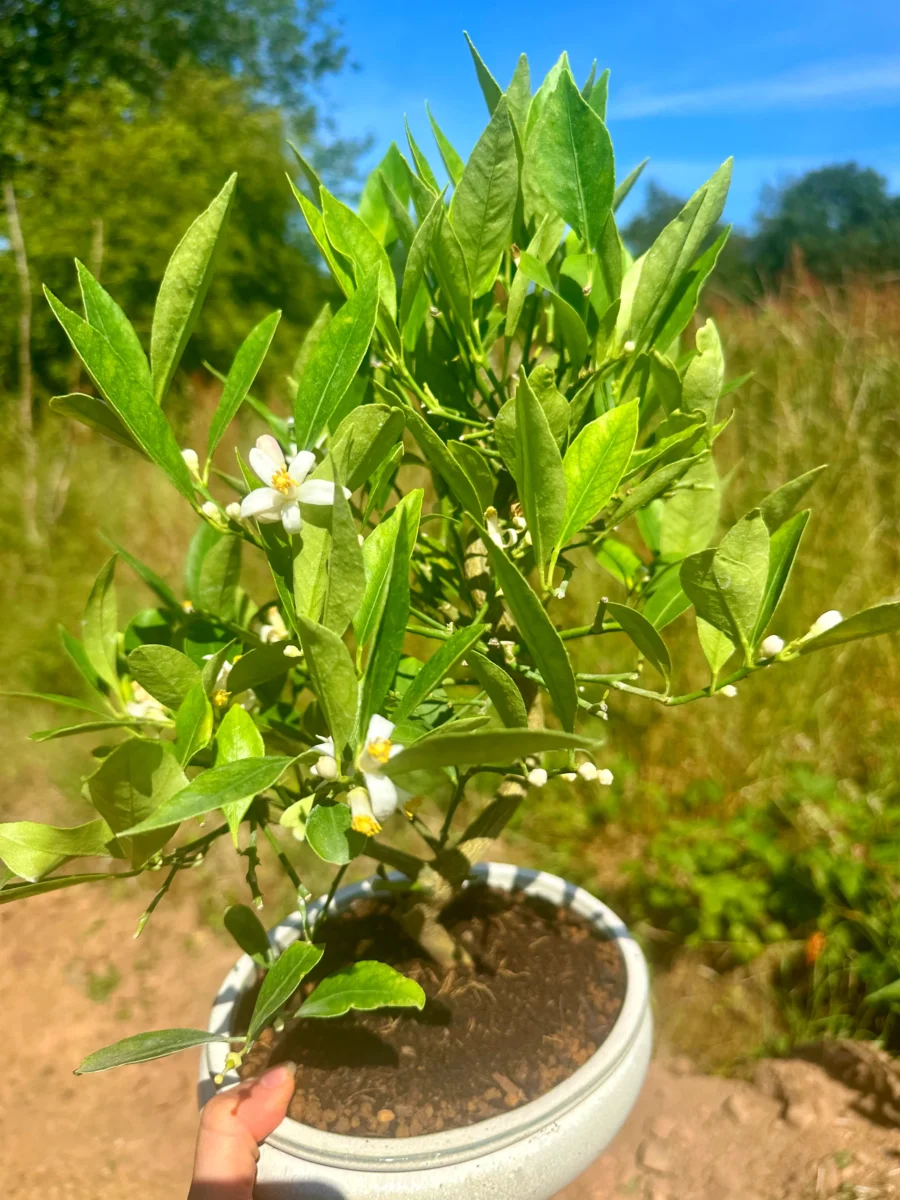
Citrus Bonsai Trees: A Complete Guide to Lemon and Orange Bonsai Trees
Discover the beauty of citrus bonsai with our complete guide to Bonsai Lemon Trees (Citrus limon) and Bonsai Orange Trees (Citrus kinzu). Learn about their fragrant white flowers,…
Read More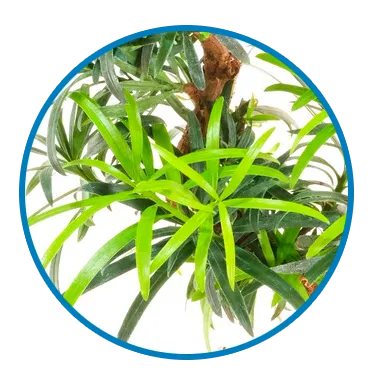
Podocarpus Bonsai Tree | The Truth About the Buddhist Pine Bonsai
Discover why the Podocarpus Buddhist Pine (Podocarpus macrophyllus) is one of the world's most revered evergreen bonsai. Learn how to grow it successfully, why we recommend growing it…
Read More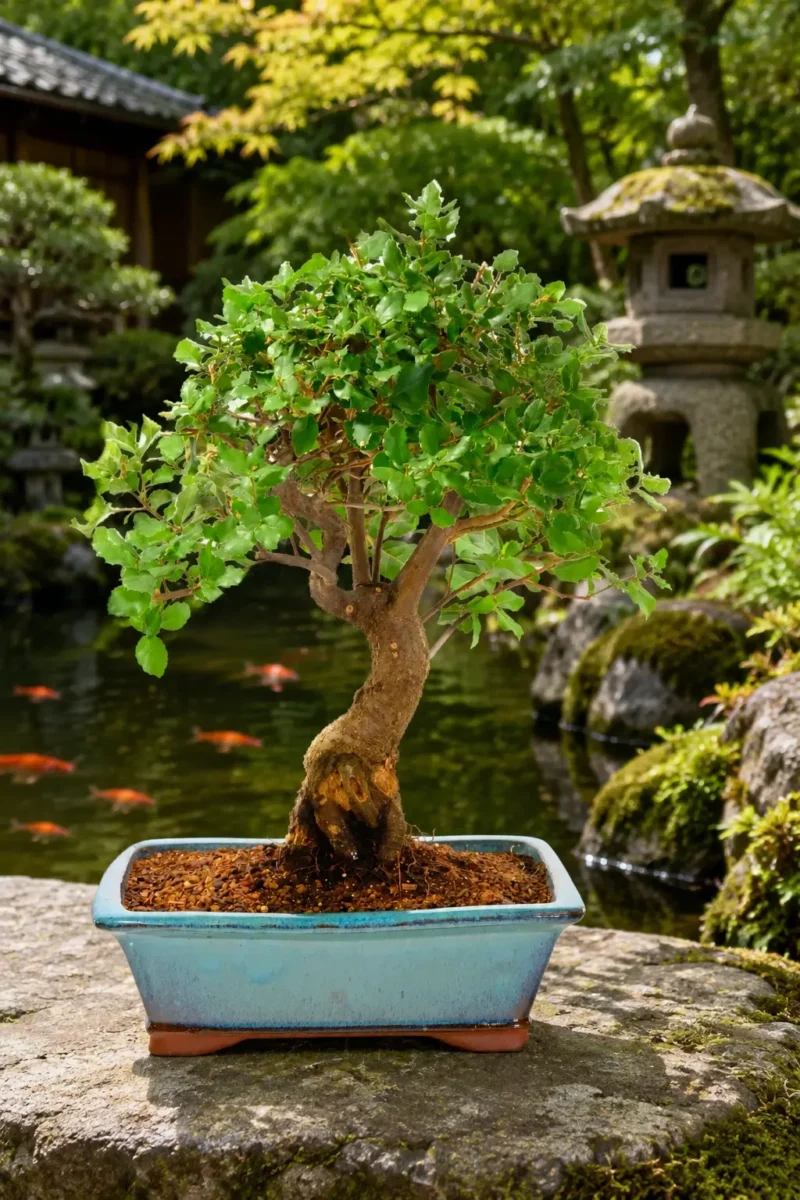
Cork Oak Bonsai (Quercus suber) – The Evergreen Bonsai with Remarkable Cork Bark
Discover why the Cork Oak Bonsai (Quercus suber) is one of the world's most remarkable evergreen bonsai trees. Famous for its extraordinary cork bark, rugged character, evergreen foliage…
Read More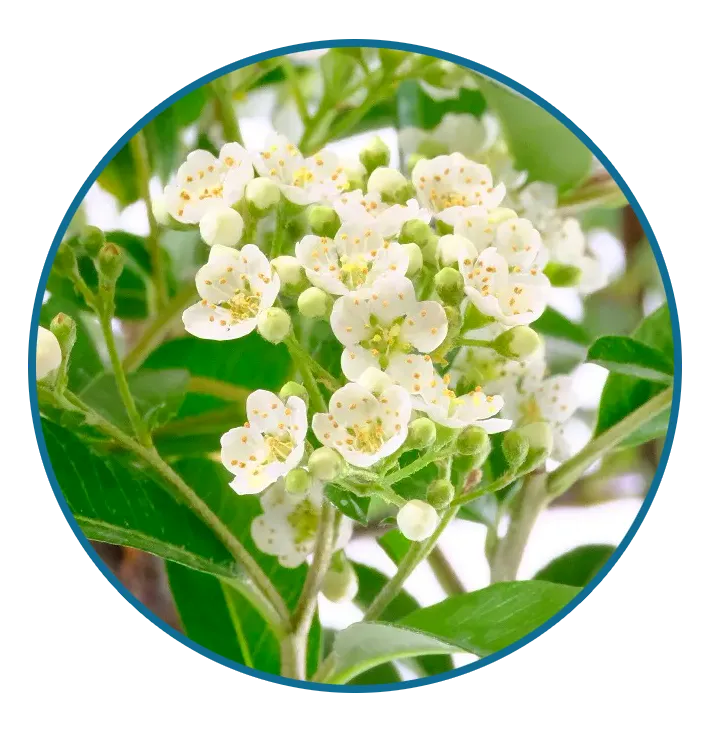
Pyracantha Bonsai Trees – The Spectacular Firethorn Bonsai with Flowers, Berries and Year-Round Interest
Discover why the Pyracantha Bonsai Tree (Firethorn) is one of the most spectacular outdoor bonsai species. With masses of spring flowers, vibrant autumn berries, evergreen foliage and year-round…
Read More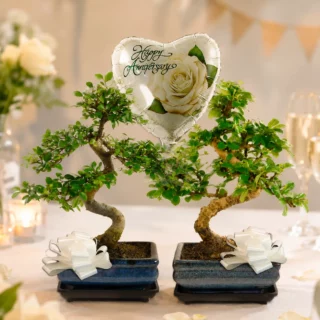
Pomegranate Bonsai Trees (Punica granatum) – Ancient Beauty, Fiery Flowers and a Living Connection to the Mediterranean
Discover why the Pomegranate Bonsai Tree (Punica granatum) is one of the most rewarding flowering bonsai species. With vibrant orange-red flowers, fascinating fruits, attractive bark and rich Mediterranean…
Read More
Crab Apple Bonsai Trees (Malus sylvestris) – Four Seasons of Beauty in One Remarkable Bonsai
The Crab Apple bonsai tree is a gorgeous variety which has fragrant white and pink flowers during spring. Through summer and autumn, you might see a display of…
Read More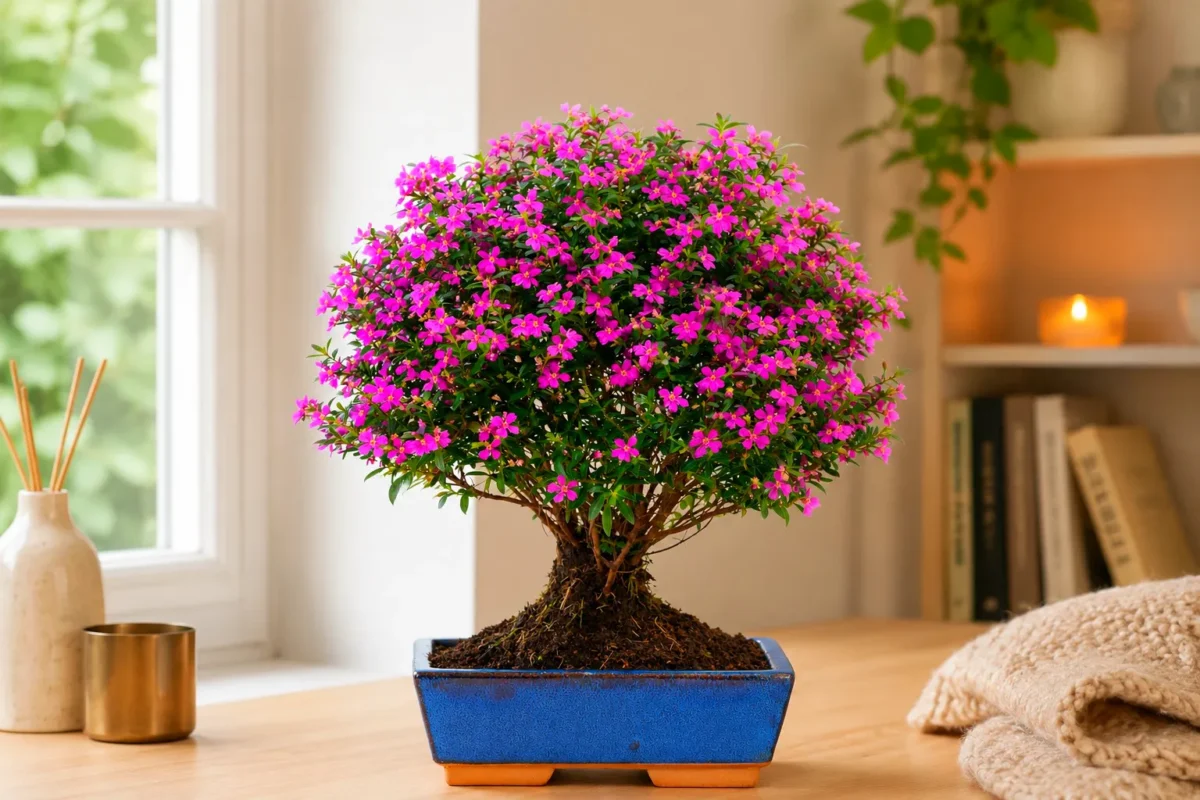
Cuphea Hyssopifolia Bonsai: The Tiny Flowering Bonsai That Blooms Almost All Year Round
Discover the beautiful Cuphea bonsai tree with prolific purple flowers. Read about caring for a Mexican Heather, the meaning and symbolism, and choose from our gorgeous selection.
Read More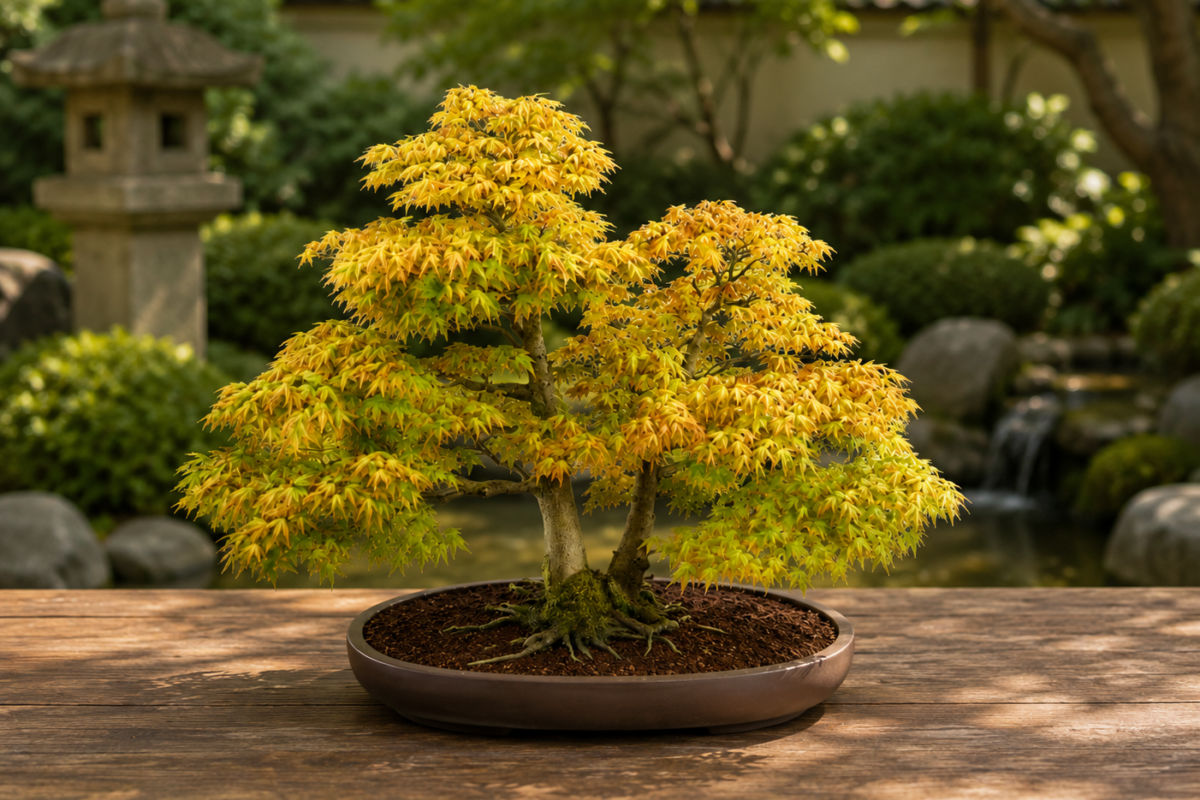
Japanese Maple Bonsai (Acer palmatum): The Complete Care Guide
Discover Japanese Maple Bonsai Trees for sale. Learn about the care, whether you can keep them indoors, and if they are suitable for beginners.
Read More