


How We Grow Bonsai Trees in Heated Polytunnels – And Why It Matters
Growing bonsai successfully in Britain means working with our climate rather than simply hoping every species will tolerate it.
At Bonsai Direct, our nursery in rural mid-Devon includes a number of protected growing areas, including polytunnels and conservatory-style bespoke growing areas. Some remain relatively cool and are simply protected from frost, while others are heated to provide the warmer conditions required by more temperature-sensitive indoor and Mediterranean bonsai species.
It is an important part of how we grow bonsai, but one that customers rarely get to see.
Our heated polytunnels allow us to grow a much wider diversity of bonsai here in the UK, protect vulnerable root systems during winter and provide growing conditions that more closely resemble those our indoor bonsai will experience once they arrive in a home or office.
Just as importantly, we have designed the system to use heat efficiently. As an off-grid nursery, much of the energy we use comes from renewable sources, including our extensive solar array and biomass heating.
Why Do We Grow Bonsai in Polytunnels?
A polytunnel does much more than keep plants warm.
It creates a protected growing environment where we have greater control over temperature, wind, rainfall and exposure to extremes of weather.
This is particularly valuable with bonsai because a tree growing in a shallow ceramic pot behaves very differently from the same species growing naturally in the ground.
The relatively small volume of compost surrounding a bonsai’s roots can change temperature much more quickly. Roots in a pot are also more exposed to prolonged cold and frost than roots insulated deep within the ground.
Protected cultivation allows us to moderate those extremes.
During spring and autumn, the polytunnels themselves provide valuable protection without necessarily requiring additional heating. During the coldest part of winter, we can introduce heat where particular species require it.
It gives us considerably more control over the growing environment throughout the year.
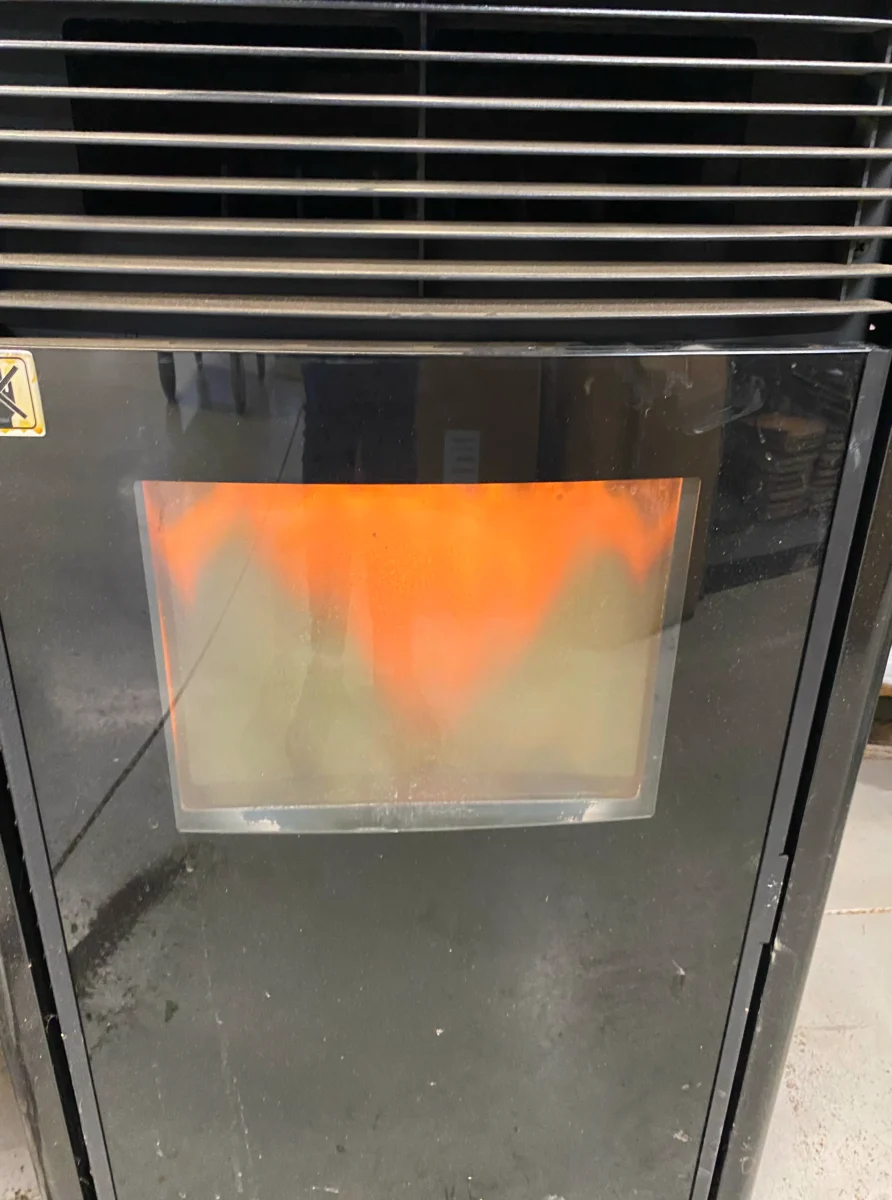
Different Bonsai Need Different Temperatures
One of the most important principles of bonsai horticulture is that there isn’t one perfect environment for every tree.
Our polytunnels are therefore not all maintained at the same temperature.
Some growing areas are simply kept frost-free. This protects species that tolerate cooler conditions but whose roots benefit from protection against severe or prolonged frost.
Other areas are maintained at warmer temperatures for species that need greater winter protection or benefit culturally from consistently warmer conditions.
We can therefore place trees according to their horticultural requirements rather than treating every bonsai in the nursery in exactly the same way.
This zoned approach also means we only provide additional heat where it is actually needed.
Growing Mediterranean and Warmer-Climate Bonsai in Devon
One of the greatest advantages of protected cultivation is the diversity of bonsai it allows us to grow.
Britain’s climate is suitable for an enormous range of outdoor bonsai, but some of the beautiful Mediterranean, subtropical and indoor species available to bonsai growers prefer considerably warmer conditions.
Heated growing areas enable us to provide these trees with an appropriate environment through a Devon winter.
This allows us to grow and maintain a much broader collection rather than restricting the nursery solely to species naturally suited to an unprotected British winter.
It also gives our nursery team greater control over the cultural conditions surrounding more temperature-sensitive species.
Preparing Indoor Bonsai for Life in Your Home
There is another important reason we protect our indoor bonsai during winter.
Eventually, these trees are going to live in people’s homes and offices.
An indoor bonsai that has spent winter exposed to very low temperatures can experience a significant environmental change when it suddenly moves into a centrally heated home.
By maintaining appropriate temperatures for our indoor species, we can grow them under conditions that have more in common with their eventual environment.
Of course, no commercial growing structure can exactly replicate somebody’s living room – nor would we want it to. Light levels, humidity and temperatures will always vary.
However, avoiding extreme cold allows us to maintain appropriate active growing conditions for those species that naturally prefer warmth.
Why We Grow Our Bonsai on Galvanised Staging
Walk into our protected growing areas and you will notice that our bonsai aren’t simply arranged across the floor.
We use galvanised horticultural staging throughout our polytunnels and conservatory growing areas.
There are several reasons for this.
Firstly, warm air rises. During winter, floor level is generally the coldest part of a heated growing structure. Raising the bonsai above the ground helps protect their pots and root systems from this colder layer of air.
Staging also improves access around the trees. Our nursery team can inspect foliage, check moisture levels, prune growth and identify potential problems without having to work at floor level.
Most importantly from an energy perspective, tiered staging allows us to use the available growing space much more efficiently.
Rather than heating a much larger structure to accommodate the same number of trees spread across a single level, we can make better use of the protected volume we already have.
That means more bonsai can benefit from the same heated space.
Making Every Unit of Heat Work Harder
Heating any horticultural structure through a British winter requires energy, so efficiency matters enormously to us.
Our approach is not to make every polytunnel unnecessarily warm.
Instead, we divide our growing areas according to the requirements of the plants inside them. A species that only needs frost protection shouldn’t occupy space that is being maintained at a significantly higher temperature for more tender trees.
Tiered staging increases growing capacity within those areas, while careful temperature management means we aren’t heating structures beyond what is horticulturally useful.
This is better for the trees and considerably more efficient.
An Off-Grid Bonsai Nursery
Bonsai Direct operates as an off-grid specialist bonsai nursery, which has made energy efficiency particularly important to the way we have developed our growing facilities.
We use a large array of solar panels to generate electricity. During the summer months, when the days are long and solar production is at its greatest, this can provide the energy required to run the nursery.
Winter presents a different challenge.
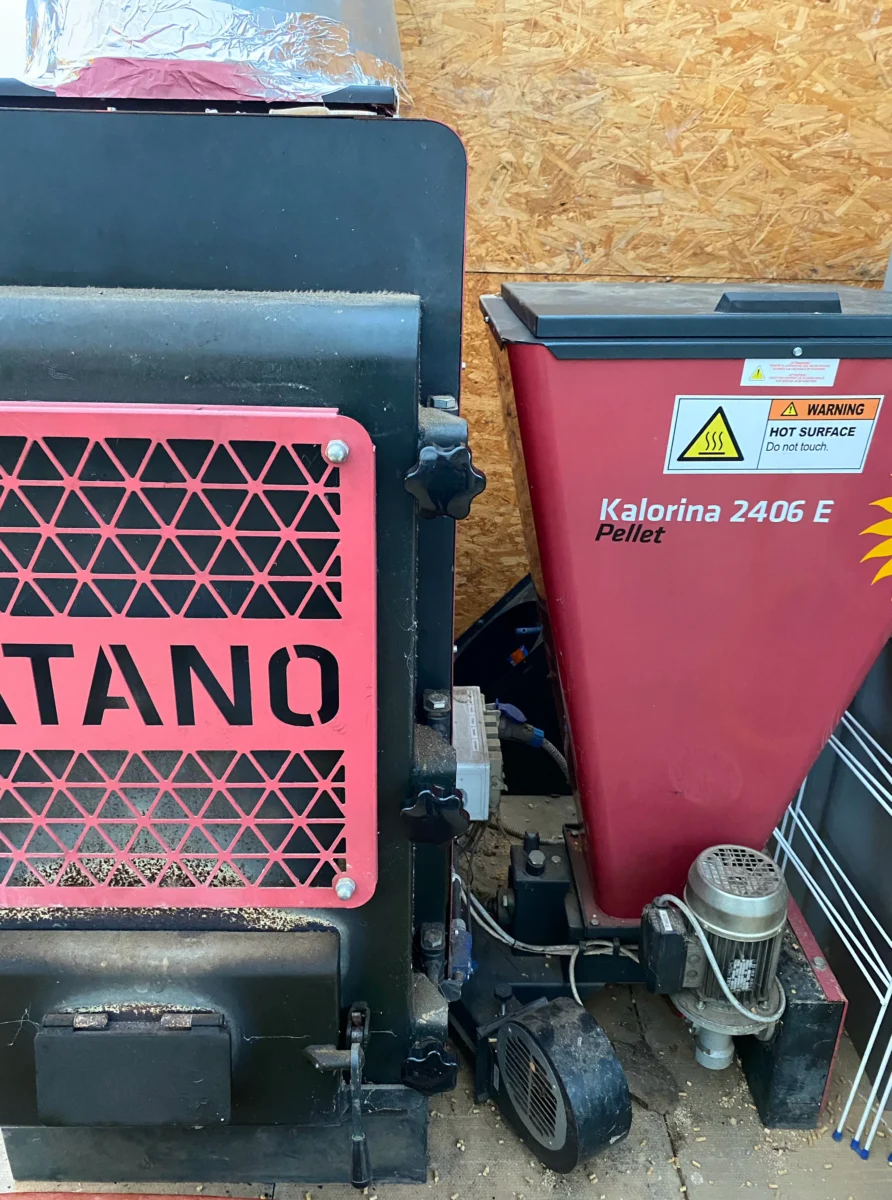
The time of year when some of our protected growing areas require heat is also the time when solar generation is naturally lower. For this reason, we also use biomass pellets to provide heat for our protected growing areas.
Combining different technologies allows us to operate a specialist nursery while reducing our dependence on conventional energy sources.
It also encourages us to think carefully about efficiency – from the temperature of individual growing areas to how effectively we use every square metre of protected space.
Polytunnels Aren’t Just About Winter
Interestingly, managing a polytunnel can become just as important during summer.
On a bright summer day, temperatures inside an unprotected polytunnel can rise extremely quickly. Strong sunlight passing through the polythene can also scorch delicate foliage, particularly young plants and starter material.
During the warmer months, we therefore use horticultural shading over our polytunnels.
The polytunnel frames provide ideal fixing points for shading clips, allowing us to secure the material effectively over the growing areas.
The shading reduces the intensity of direct sunlight and helps protect both established bonsai and young starter seedlings from leaf scorch.
As the seasons change, so does the job of the polytunnel: retaining and moderating warmth during colder weather, then helping us manage excessive heat and sunlight during summer.
Ventilation and Air Movement Matter Too
Temperature is only one part of protected growing.
Good airflow is equally important.
A completely sealed, permanently warm and humid growing area would create its own problems. Stagnant conditions can encourage fungal disease and make it more difficult for foliage and compost surfaces to dry naturally.
Ventilation therefore forms an important part of polytunnel management.
On suitable days, increasing ventilation helps regulate temperature and humidity and encourages healthy air movement around the foliage.
It is another reason growing bonsai professionally under protection isn’t simply a case of putting trees inside a warm tunnel and leaving them there.
Conditions need to be continually managed according to the weather, season and species.
Better Access Means Better Monitoring
Growing trees on staging has another advantage that is easy to overlook: we can see them properly.
With large numbers of bonsai to care for, accessibility matters.
Keeping trees at practical working heights makes it easier for our nursery team to inspect individual bonsai closely. We can monitor watering requirements, new growth, leaf condition and potential pests while carrying out routine pruning and maintenance.
That regular observation is one of the most important parts of growing healthy bonsai.
Technology can help us control an environment, but it doesn’t replace experienced eyes.
Watering Still Has to Be Individual
A controlled growing environment doesn’t mean every tree receives exactly the same treatment.
Watering is a good example.
Even two bonsai of the same species can use water at different rates depending on the size of the tree, density of foliage, pot dimensions, root development and position within the growing area.
Temperature, sunlight and season alter those requirements again.
This is why bonsai watering should always respond to the condition of the compost rather than simply following a rigid timetable.
The same principle applies in our nursery as it does when you care for a bonsai at home: look at the tree and check the soil.
Protecting the Most Important Part of a Bonsai
We naturally notice the trunk, branches and foliage first, but much of successful bonsai cultivation comes down to something we cannot see: the roots.
A bonsai depends upon a relatively compact root system contained within a shallow pot.
Protecting that root environment from inappropriate extremes of temperature is therefore particularly important.
Our protected growing areas help us manage the environment around the whole tree – not simply the foliage that you can see above the pot.
Healthy roots support healthy growth, and healthy growth ultimately gives us the dense foliage, fine branching and vigorous trees that we want to produce.
Why Our Growing Methods Matter When You Buy a Bonsai
Customers don’t necessarily need to know how a nursery is heated or why its trees are positioned on galvanised staging to enjoy their bonsai.
But we think the way a bonsai has been grown before it reaches you matters.
A healthy bonsai isn’t created during the few days before it is dispatched. It is the result of years of cultivation – watering, pruning, feeding, repotting, protecting and responding to the requirements of that particular species.
Our heated and protected growing areas are simply another part of that process.
As far as we are aware, Bonsai Direct is the only specialist UK bonsai nursery heating its indoor bonsai growing areas through the winter in this way. It represents a considerable investment, but it allows us to cultivate a greater diversity of species and give temperature-sensitive trees the conditions they need during the coldest months.
At the same time, our off-grid energy system, biomass heating, zoned growing temperatures and efficient use of tiered staging help us make that protection as efficient as possible.
For us, it all comes back to one thing: understanding what each bonsai needs and creating the best possible conditions in which to grow it.
After all, by the time a 10, 15 or 20-year-old bonsai arrives at your door, an enormous amount has already happened behind the scenes.
Our Favourite Place to Be in Winter
There is also one slightly less technical advantage to our heated polytunnels – we absolutely love working in them! On a cold, grey Devon winter’s day, stepping inside to a warm, bright growing area filled with lush green bonsai feels like entering another world. It is always a favourite place amongst our nursery team, and jobs in the heated tunnels are rarely difficult to allocate when the temperature outside starts to drop! Surrounded by greenery, new growth and even the occasional flower in the depths of winter, there are certainly worse places to spend a working day.
Related Content
Why Do Bonsai Trees Lose Their Leaves?
Why do bonsai trees lose their leaves? Discover when leaf drop is completely normal and when it may signal a problem. Sarah from Bonsai Direct shares advice from…
Read More
Winter Bonsai Care UK: Best Bonsai Trees for Cold Winters & When to Bring Them Indoors
Keep your bonsai healthy and thriving throughout the colder months with our essential UK winter bonsai care guide. Discover the best cold-hardy bonsai trees, how to protect them…
Read More
Citrus Bonsai Trees: A Complete Guide to Lemon and Orange Bonsai Trees
Discover the beauty of citrus bonsai with our complete guide to Bonsai Lemon Trees (Citrus limon) and Bonsai Orange Trees (Citrus kinzu). Learn about their fragrant white flowers,…
Read More
Why We Grow Our Own Bonsai Trees
Discover why we grow bonsai trees at our Bonsai Direct Devon nursery, from unusual species to better trunks, branching and quality that develops over many years.
Read More
Bonsai: The Complete Beginner’s Guide
Discover the fascinating world of bonsai with our complete beginner's guide. Drawing on around 40 years of commercial growing experience, we explain what a bonsai tree is, how…
Read More
5-Year-Old vs 10-Year-Old Bonsai: Why Are Some Bonsai So Expensive?
Why can two bonsai of the same species and height have completely different values? Discover how age, trunk thickness, taper, ramification, mature bark and years of skilled cultivation…
Read More
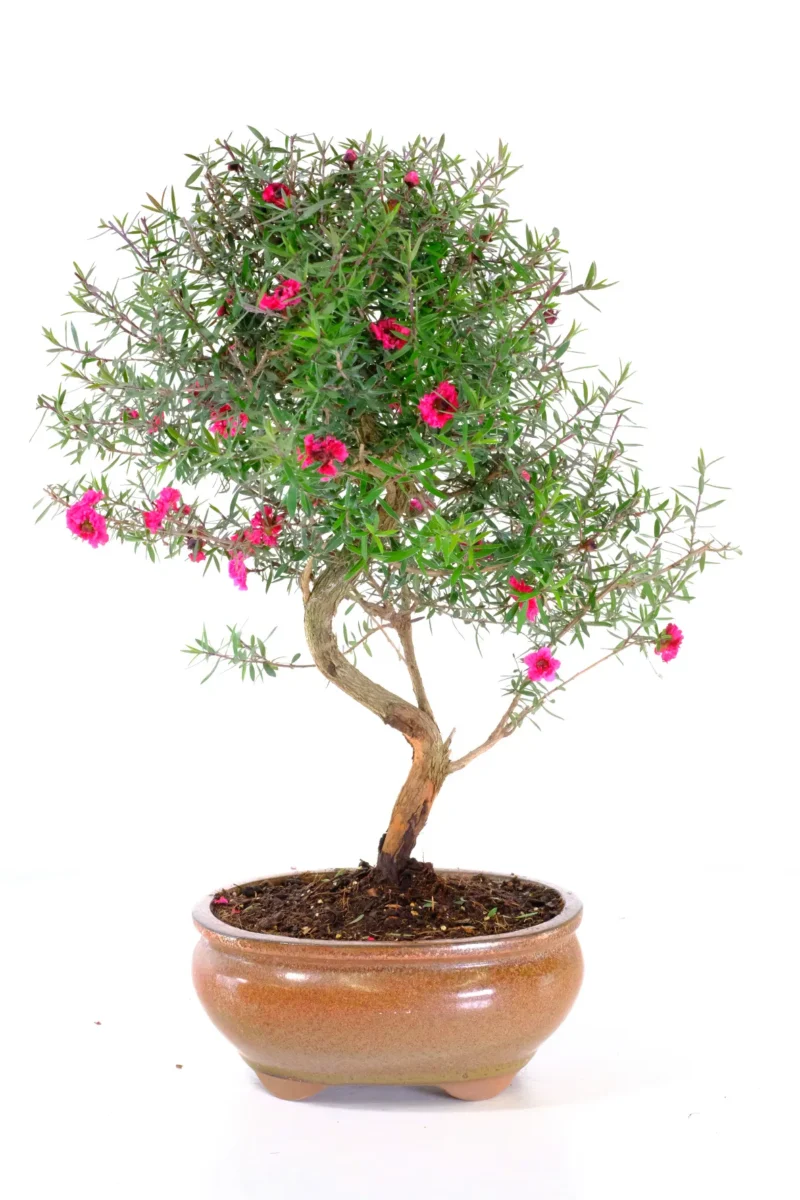
Leptospermum scoparium Bonsai: The New Zealand Manuka Tea Tree Guide
The Manuka Tea Tree Bonsai Few flowering bonsai species combine elegance, cultural significance, and seasonal beauty quite like Leptospermum scoparium. Commonly known as the New Zealand Manuka Tea…
Read More