


Winter Bonsai Care UK: Best Bonsai Trees for Cold Winters & When to Bring Them Indoors
Your complete guide to keeping bonsai trees healthy, protected and thriving throughout the British winter.
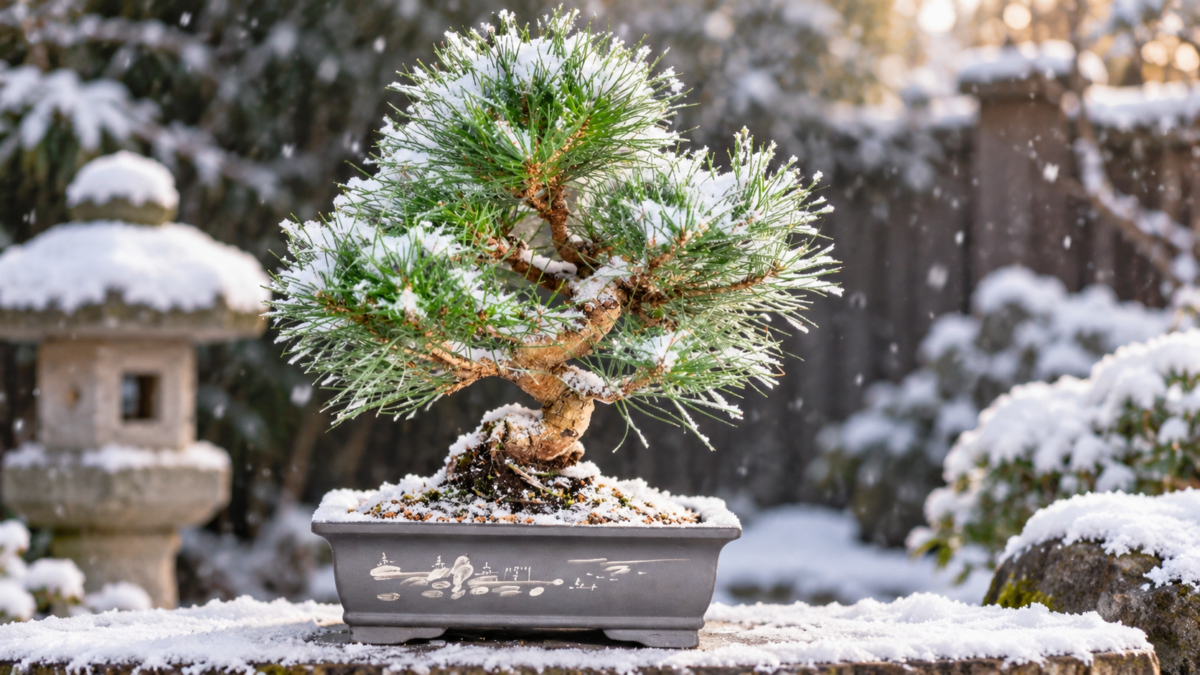
As temperatures drop, frosty mornings arrive and daylight hours become shorter, it’s time to think about winter bonsai care. Whether you’re looking after your first bonsai tree or have an established collection, knowing how to protect your bonsai during the colder months is essential.
One of the most common questions we hear at Bonsai Direct is: Should I bring my bonsai indoors during winter?
The answer depends on the type of bonsai you own. Some bonsai trees are naturally suited to the UK’s chilly winters, while others need the warmth and protection of an indoor environment.
In this guide, we’ll explain how to care for your bonsai in winter, which varieties are best suited to the British climate, and exactly when you should move your bonsai indoors.
Can Bonsai Trees Survive Winter in the UK?
Yes! Many bonsai trees can survive and even benefit from the UK’s cold winter weather.
The key is understanding the difference between indoor and outdoor bonsai trees.
Outdoor bonsai trees, including Japanese Maples, Junipers and Pines, experience a natural seasonal cycle. As temperatures fall, many enter a period of dormancy, allowing them to conserve energy before producing fresh growth in spring.
Indoor bonsai trees, such as Ficus and Carmona (Fukien Tea Tree), originate from warmer climates and generally require protection from freezing temperatures.
Although hardy outdoor bonsai can tolerate cold conditions, their roots are more exposed in shallow bonsai pots than those of trees growing naturally in the ground. This means even hardy varieties may benefit from additional protection during prolonged frost.
Best Bonsai Trees for Cold UK Winters
If you’re looking for a bonsai that can handle British winter weather, choosing a hardy outdoor variety is a great place to start.
1. Japanese Maple Bonsai (Acer palmatum)
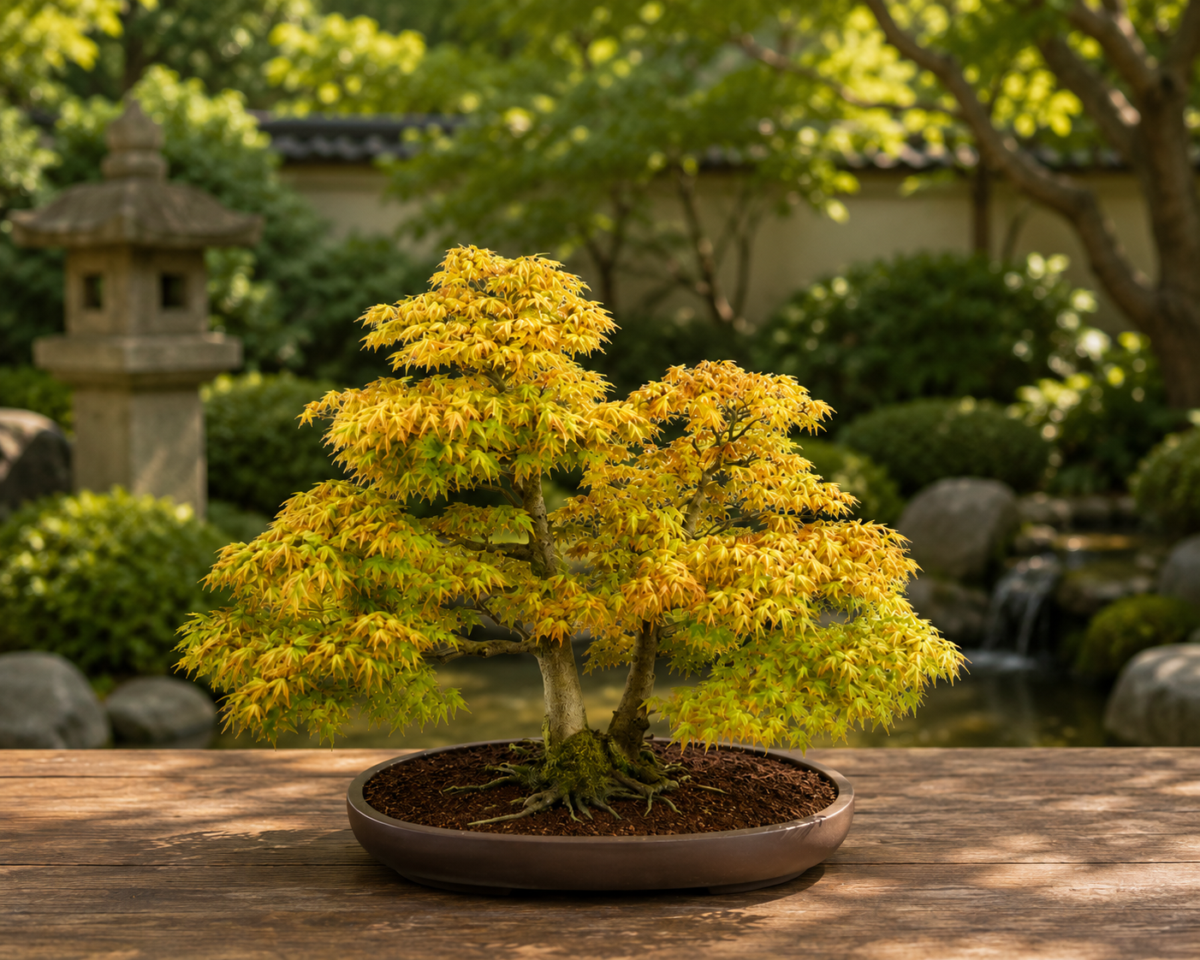
Japanese Maple bonsai are a beautiful choice for UK gardens. Famous for their vibrant autumn colours, they naturally lose their leaves and enter dormancy during winter.
Winter care: Keep outdoors in a sheltered position and protect the pot from prolonged freezing temperatures. Avoid strong, drying winds and harsh winter sun.

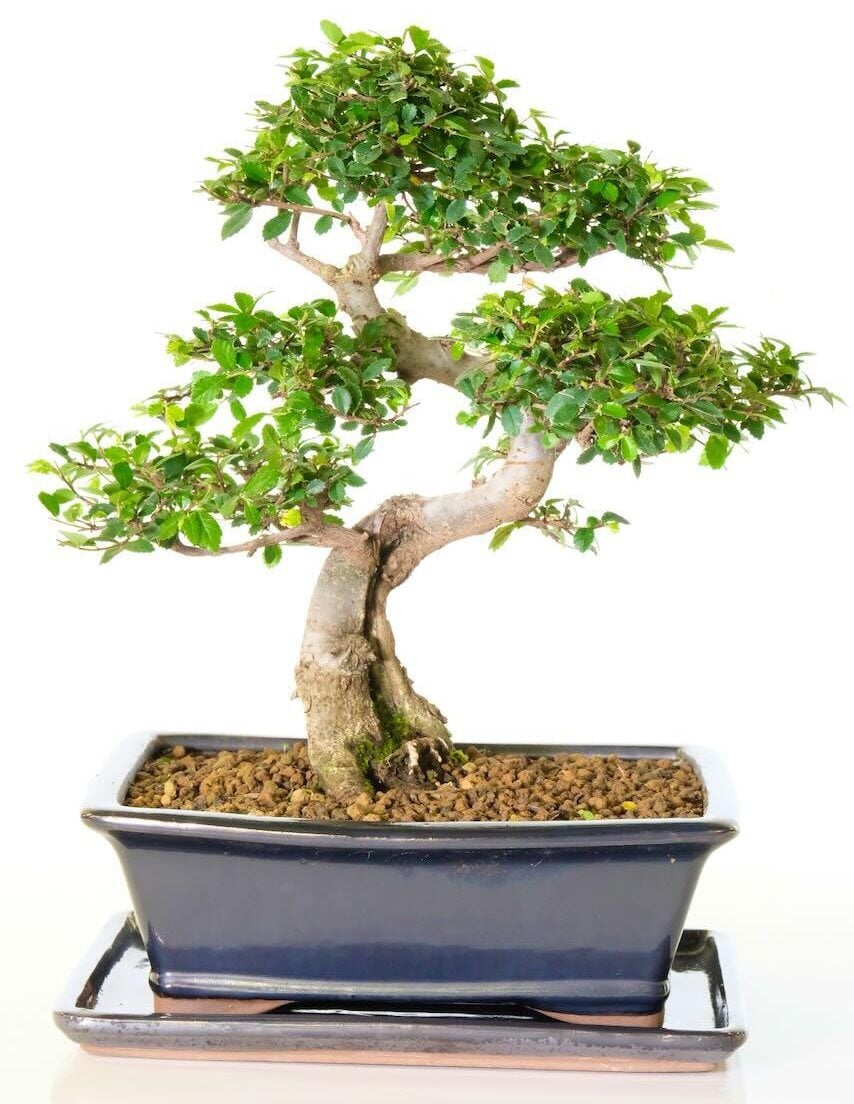
2. Chinese Elm Bonsai (Ulmus parvifolia)
Chinese Elm bonsai are popular with beginners because they’re attractive, adaptable and relatively easy to care for.
Winter care: Cold-acclimatised outdoor Chinese Elms can tolerate chilly conditions, although their hardiness varies. Protect from severe frost, particularly if the tree has been grown indoors or in a greenhouse. Indoor-grown Chinese Elms should not be moved suddenly into freezing conditions.
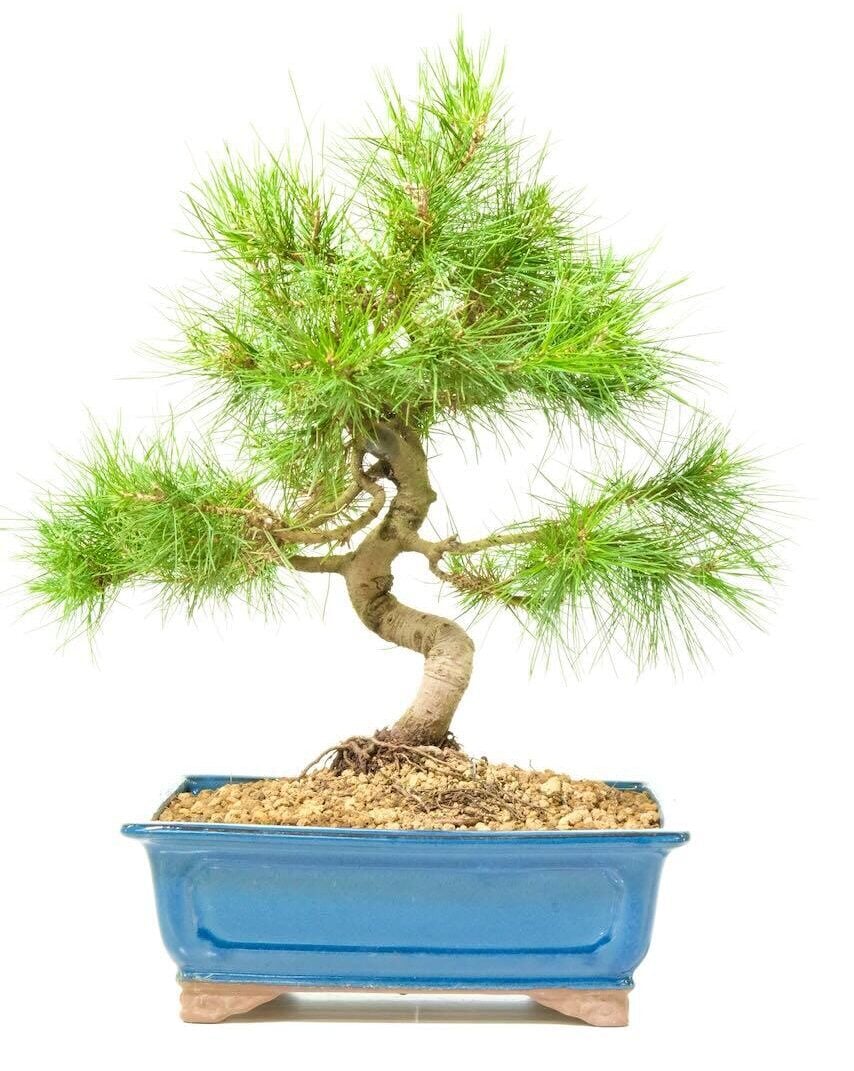
3. Pine Bonsai (Pinus species)
Pine bonsai are classic outdoor trees, loved for their evergreen foliage and traditional Japanese appearance.
Winter care: Hardy, established Pines generally remain outdoors throughout winter. Protect the roots from prolonged hard freezes and keep the tree somewhere with good light and airflow.
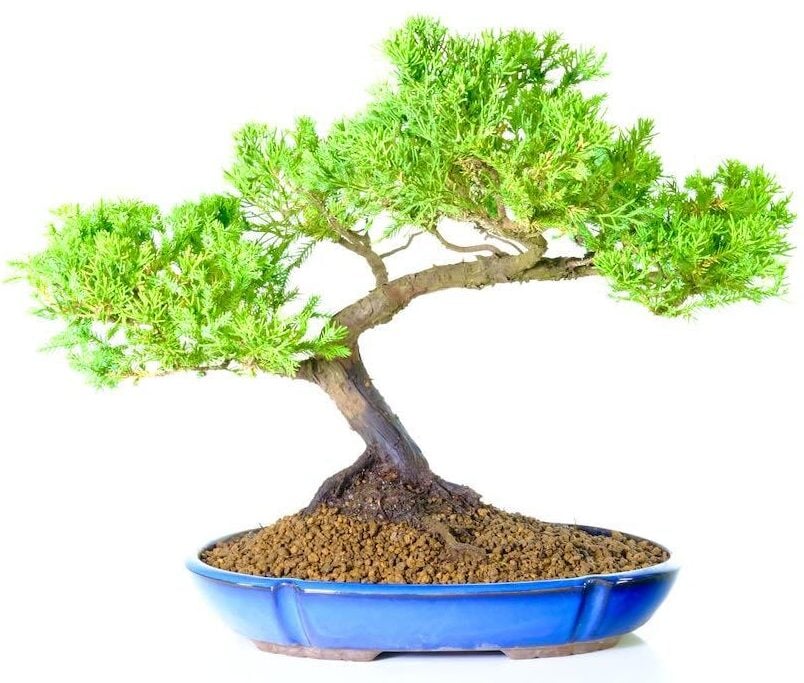
4. Juniper Bonsai (Juniperus species)
Junipers are among the best-known outdoor bonsai varieties. Their evergreen foliage provides year-round interest, even during the colder months.
Winter care: Keep outdoors in a bright, sheltered location. Protect the roots during extended freezing weather and avoid waterlogged soil.
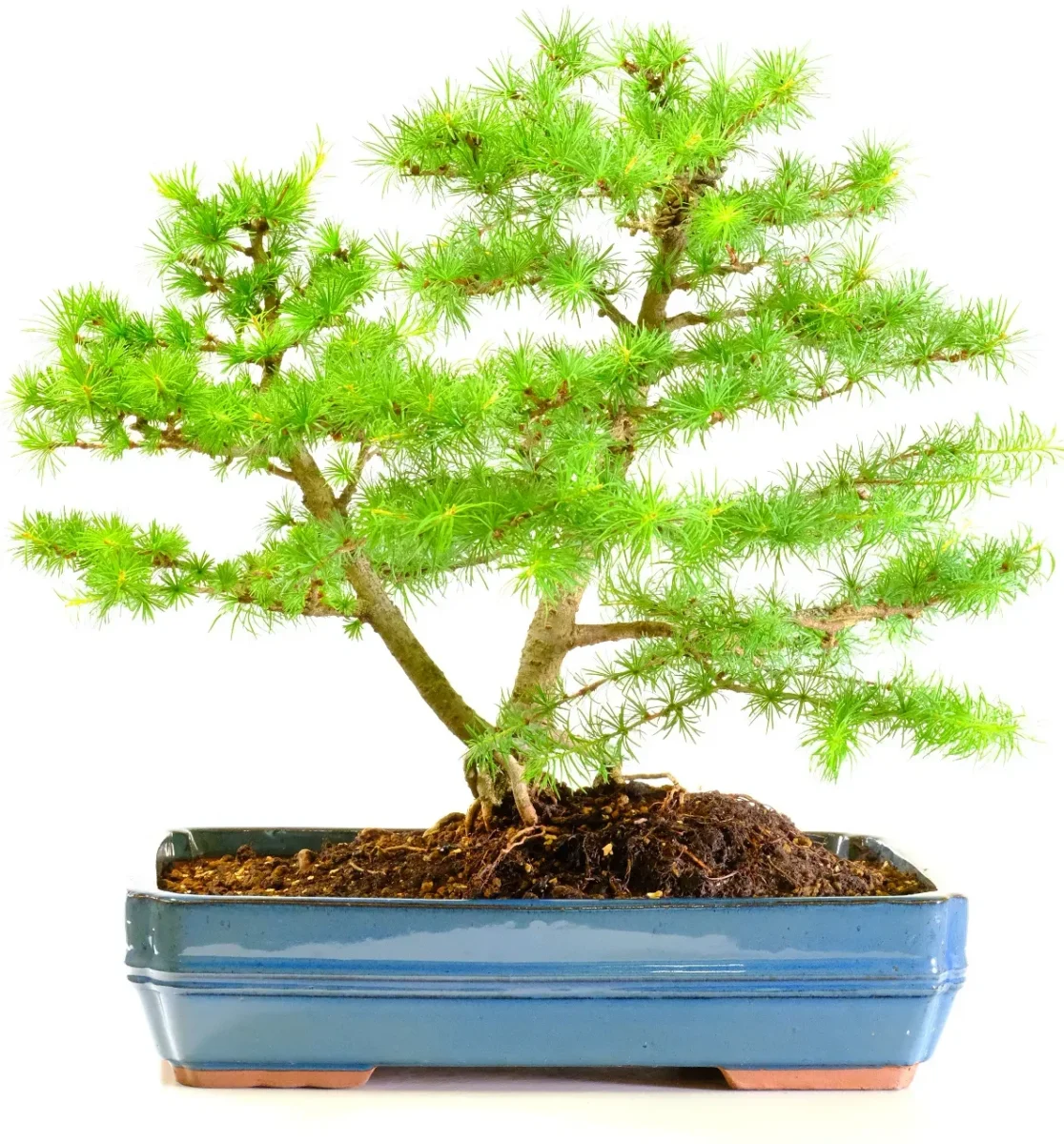
5. Larch Bonsai (Larix species)
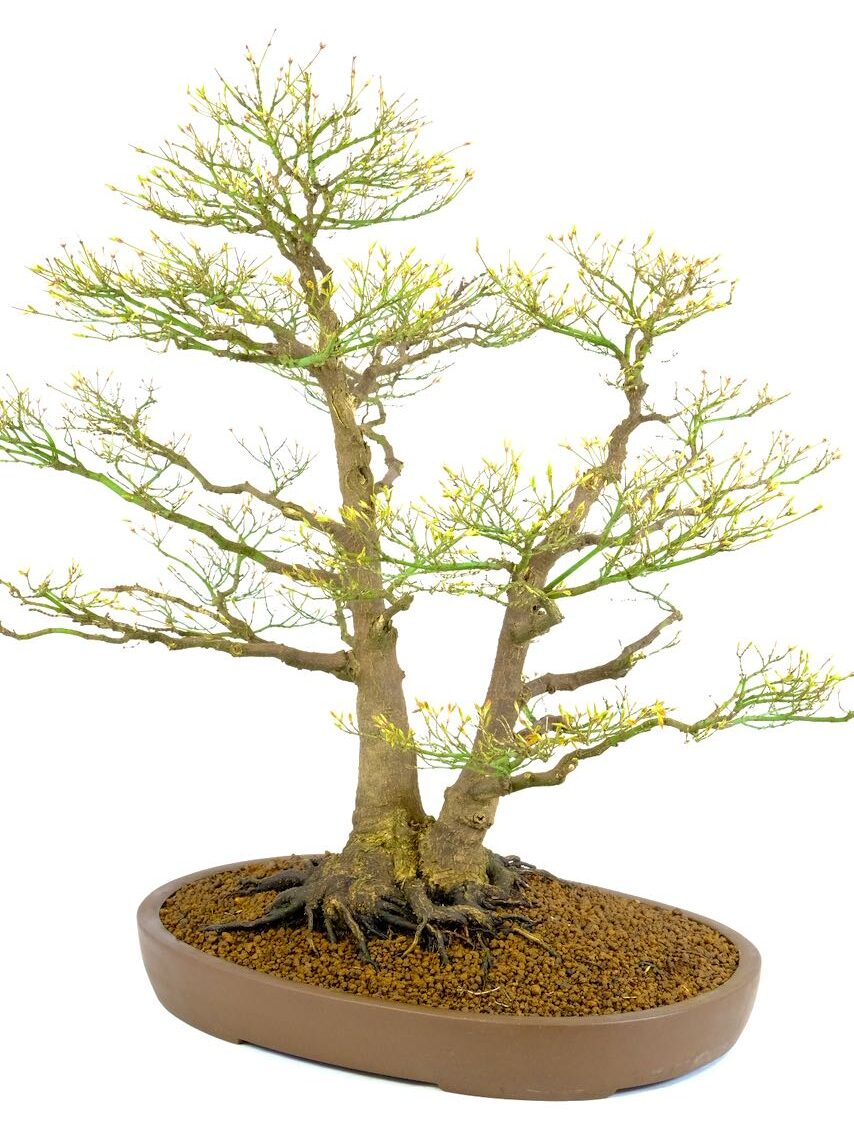
Larch bonsai are especially well suited to cooler climates. Unlike most conifers, they lose their needles in autumn and spend winter dormant.
Winter care: Keep outdoors, protect the pot from prolonged severe frost, and ensure the compost doesn’t completely dry out.
Bonsai Direct Tip: If you’re choosing a bonsai for an outdoor UK garden, look for hardy species that are already acclimatised to outdoor conditions. These are generally easier to manage through winter than tropical varieties.
When Should You Bring Your Bonsai Indoors?
Not all bonsai trees should be brought indoors when temperatures fall. In fact, moving a hardy outdoor bonsai into a heated living room can do more harm than good.
Use this quick guide to help decide where your bonsai belongs during winter.
| Bonsai type | Winter location | Temperature guidance |
|---|---|---|
| Ficus | Indoors | Ideally above 15°C |
| Carmona (Fukien Tea) | Indoors | Ideally above 15°C |
| Chinese Elm | Depends on acclimatisation | Protect indoor-grown trees from frost |
| Japanese Maple | Outdoors | Protect pot during prolonged hard frost |
| Juniper | Outdoors | Shelter roots during severe freezes |
| Pine | Outdoors | Protect pot during prolonged hard frost |
| Larch | Outdoors | Keep dormant and protect roots |
These are general guidelines. Exact cold tolerance depends on species, tree health, growing history and how long temperatures remain low.
Indoor bonsai: Bring them inside before cold weather arrives
Tropical and subtropical bonsai should be moved into a suitable indoor position before nighttime temperatures become too cold.
For many tropical varieties, it’s sensible to move them indoors when overnight temperatures begin approaching 10–12°C, rather than waiting for frost.
Position them near a bright window, away from radiators, draughty doors and cold windowpanes.
Outdoor bonsai: Don’t automatically bring them into your home
Outdoor bonsai need seasonal changes to remain healthy.
If severe frost is forecast, protect your bonsai by moving it to a sheltered location, placing it in a cold frame, or insulating the pot.
An unheated greenhouse or cold frame can offer protection, provided temperatures remain appropriate for the species and ventilation is maintained.
Avoid moving dormant outdoor bonsai into warm living rooms, as this can interrupt their natural winter cycle.
7 Essential Winter Bonsai Care Tips
1. Reduce watering, but never let your bonsai completely dry out
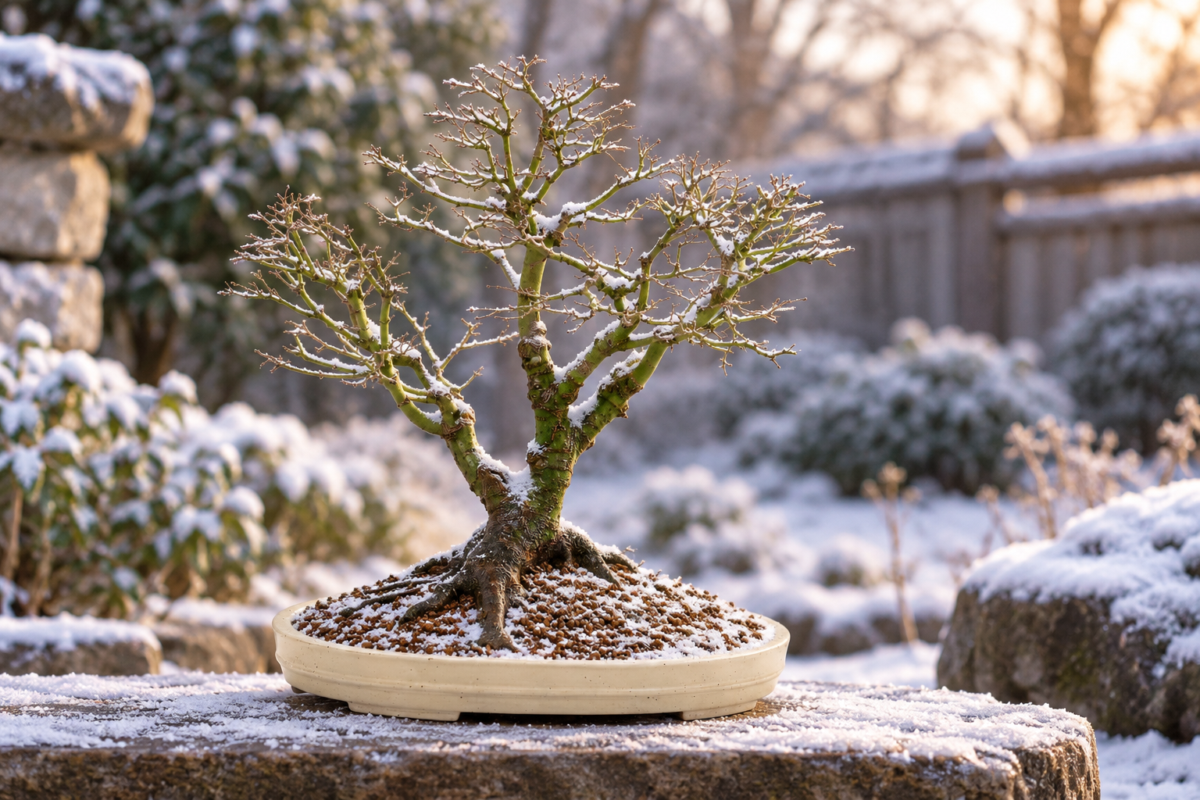
Bonsai generally use less water during winter, especially when dormant. Check the soil regularly and water when needed. Avoid watering frozen soil or allowing pots to sit in standing water.
2. Protect the roots from severe frost
Bonsai roots are particularly vulnerable because they grow in shallow containers. During prolonged freezing conditions, insulate pots using horticultural fleece, bubble wrap around the container, or a sheltered cold frame. Avoid tightly wrapping the foliage in plastic.
3. Give indoor bonsai plenty of natural light
Winter daylight is limited in the UK. Place indoor bonsai near a bright window, ideally where they receive several hours of good natural light. A suitable grow light can help in particularly dark rooms.
4. Keep indoor bonsai away from radiators
Central heating can create dry air that stresses tropical bonsai. Keep trees away from direct heat sources and consider a humidity tray or humidifier where appropriate. Never leave the pot standing in water.
5. Reduce fertilising during winter
Dormant outdoor bonsai generally don’t need feeding during winter. Indoor tropical bonsai may continue growing slowly, but feeding should be reduced or paused if growth has slowed significantly.
6. Avoid unnecessary heavy pruning and repotting
Winter isn’t the ideal time for major work on every bonsai species. Many deciduous trees are repotted just before spring growth begins, while pruning schedules vary by species. Remove damaged or dead material where necessary, but save major work for the appropriate season.
7. Choose a sheltered winter location
Strong winds can dry out foliage and compost, while repeated freezing and thawing can stress roots. Position outdoor bonsai somewhere protected from extreme exposure, while still allowing sufficient daylight and ventilation.
How to Protect Bonsai During Snow and Frost
A light dusting of snow isn’t necessarily harmful to a hardy outdoor bonsai. In fact, snow can provide some insulation from rapid temperature changes.
However, heavy snow, icy winds and prolonged freezing temperatures can cause damage, particularly to delicate branches and exposed roots.
During particularly cold UK weather:
- Move smaller pots to a sheltered spot.
- Insulate the container to help protect the roots.
- Remove heavy snow carefully if it’s weighing down delicate branches.
- Check drainage to prevent waterlogging.
- Avoid bringing hardy, dormant trees into heated rooms.
Remember that winter conditions vary significantly across the UK. A sheltered garden in Cornwall may experience much milder temperatures than an exposed garden in Scotland or northern England.
It’s always worth considering your local weather forecast and the individual needs of your bonsai.
Common Winter Bonsai Care Mistakes
Even experienced bonsai enthusiasts can make mistakes during winter. Here are some of the most common problems to avoid.
Overwatering: Cooler temperatures and slower growth mean that bonsai usually need less water. Constantly wet compost can damage roots.
Keeping outdoor bonsai indoors: Hardy bonsai generally need their natural winter dormancy. Warm indoor conditions can disrupt this process.
Ignoring frost protection: Even cold-hardy bonsai may need their pots protecting during prolonged freezing weather.
Placing indoor bonsai near radiators: Excessive heat and dry air can cause leaf drop, particularly in tropical varieties.
Assuming leaf drop means your bonsai is dying: Deciduous bonsai naturally lose their leaves during autumn and winter. This is a normal part of their seasonal cycle.
Winter Bonsai Care: Frequently Asked Questions
Can I leave my bonsai outside in winter?
Yes, if it’s a hardy outdoor variety that’s acclimatised to UK conditions. Japanese Maples, Junipers, Pines and Larches generally remain outside during winter, although their pots may need protection from prolonged hard frost.
What temperature is too cold for bonsai?
It depends on the species. Tropical bonsai such as Ficus and Carmona should be protected well before temperatures approach freezing. Hardy outdoor species can tolerate much colder weather, but their roots may still need protection.
Should I water my bonsai during winter?
Yes. Bonsai still need water in winter, although usually less frequently. Check the compost regularly and water when necessary, ideally when the soil is not frozen.
Can I keep a Juniper bonsai indoors during winter?
No, not in a normal heated home. Junipers are outdoor bonsai and require seasonal changes. During severe frost, use a sheltered outdoor position or suitable cold protection instead.
Why is my bonsai losing leaves in winter?
For deciduous outdoor bonsai, leaf loss is completely natural. However, unexpected leaf drop in tropical indoor bonsai may indicate low light, cold draughts, overwatering or a sudden change in temperature.
Should I put my bonsai in a greenhouse during winter?
An unheated greenhouse or cold frame can be useful for protecting certain outdoor bonsai from severe frost. However, it must be ventilated and monitored to prevent overheating on sunny days. Tropical bonsai generally need a warmer environment.
Find the Perfect Bonsai for Every Season at Bonsai Direct
Whether you’re searching for a hardy outdoor bonsai that can withstand the British winter or a beautiful indoor bonsai to brighten your home, choosing the right tree makes all the difference.
At Bonsai Direct, we believe that understanding your bonsai’s seasonal needs is the key to enjoying a healthy, beautiful tree for years to come.
Explore our range of bonsai trees and bonsai care essentials to find a variety suited to your home, garden and experience level.
With a little extra attention during the colder months, your bonsai can stay healthy throughout winter and be ready to flourish when spring arrives.
Related Content
Bonsai: The Complete Beginner’s Guide
Discover the fascinating world of bonsai with our complete beginner's guide. Drawing on around 40 years of commercial growing experience, we explain what a bonsai tree is, how…
Read More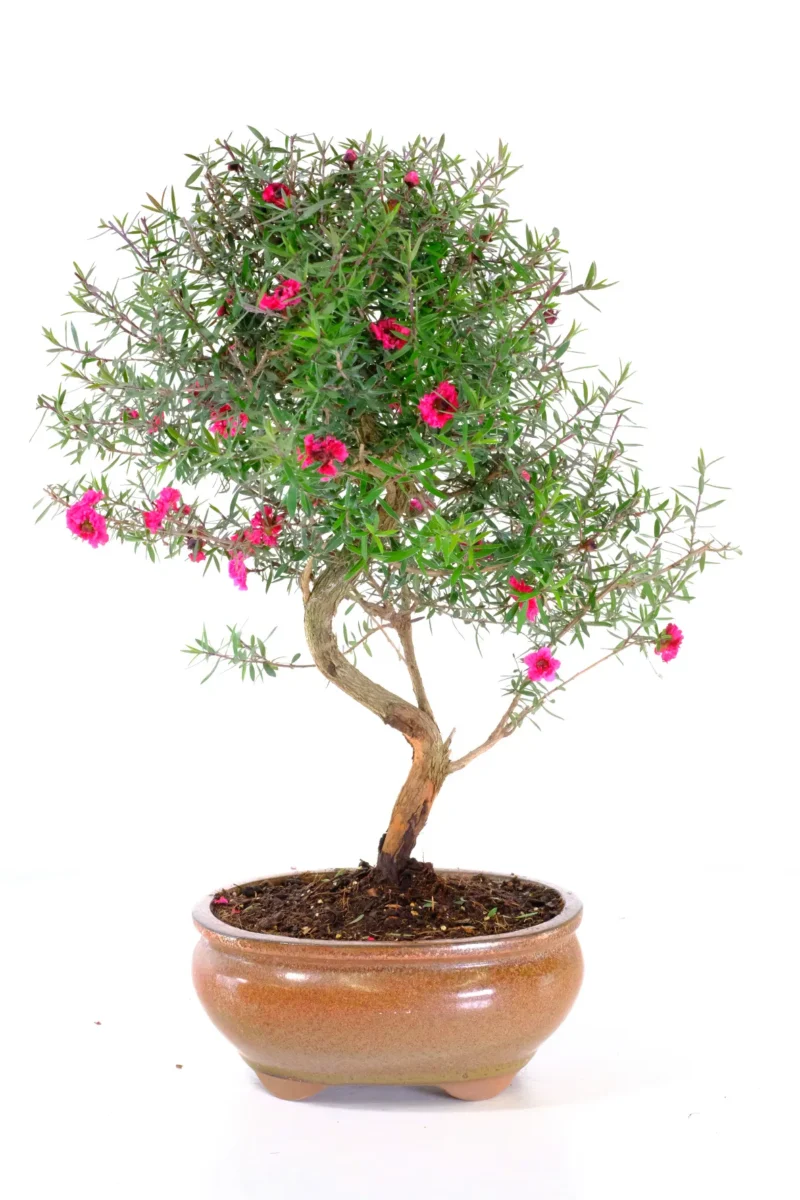
Leptospermum scoparium Bonsai: The New Zealand Manuka Tea Tree Guide
The Manuka Tea Tree Bonsai Few flowering bonsai species combine elegance, cultural significance, and seasonal beauty quite like Leptospermum scoparium. Commonly known as the New Zealand Manuka Tea…
Read More
Why Is My Bonsai Tree Dying? Here’s How to Bring It Back to Life
Discover the main reasons why your bonsai tree may be struggling and how to help it recover.
Read More
Can Any Tree Be a Bonsai?
Can any tree become a bonsai? While many species can be trained, not all are suited to the art. Learn which trees work best and how to choose…
Read More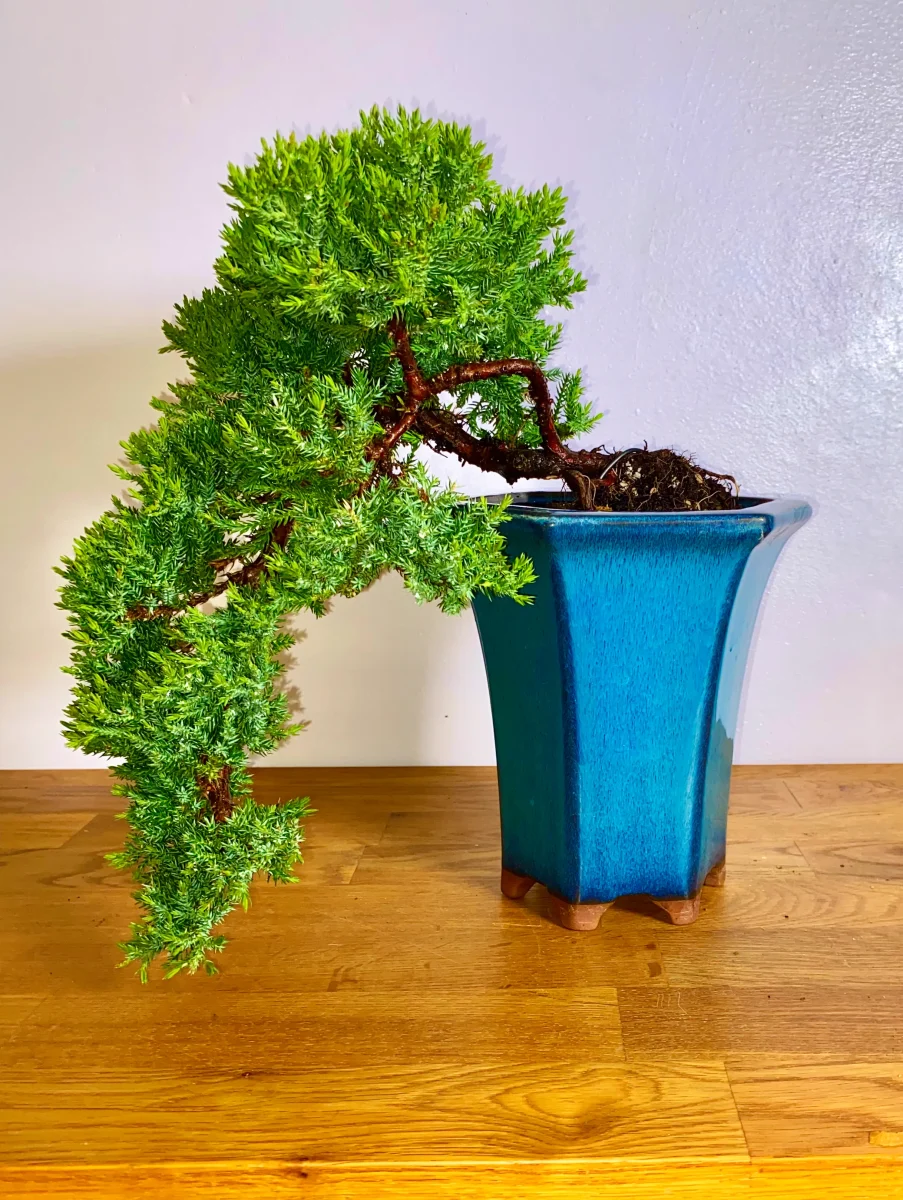
Displaying Outdoor Bonsai Indoors
Discover how to safely display an outdoor bonsai indoors, why you shouldn't keep them inside for s long period of time, and why you shouldn't bring them in…
Read More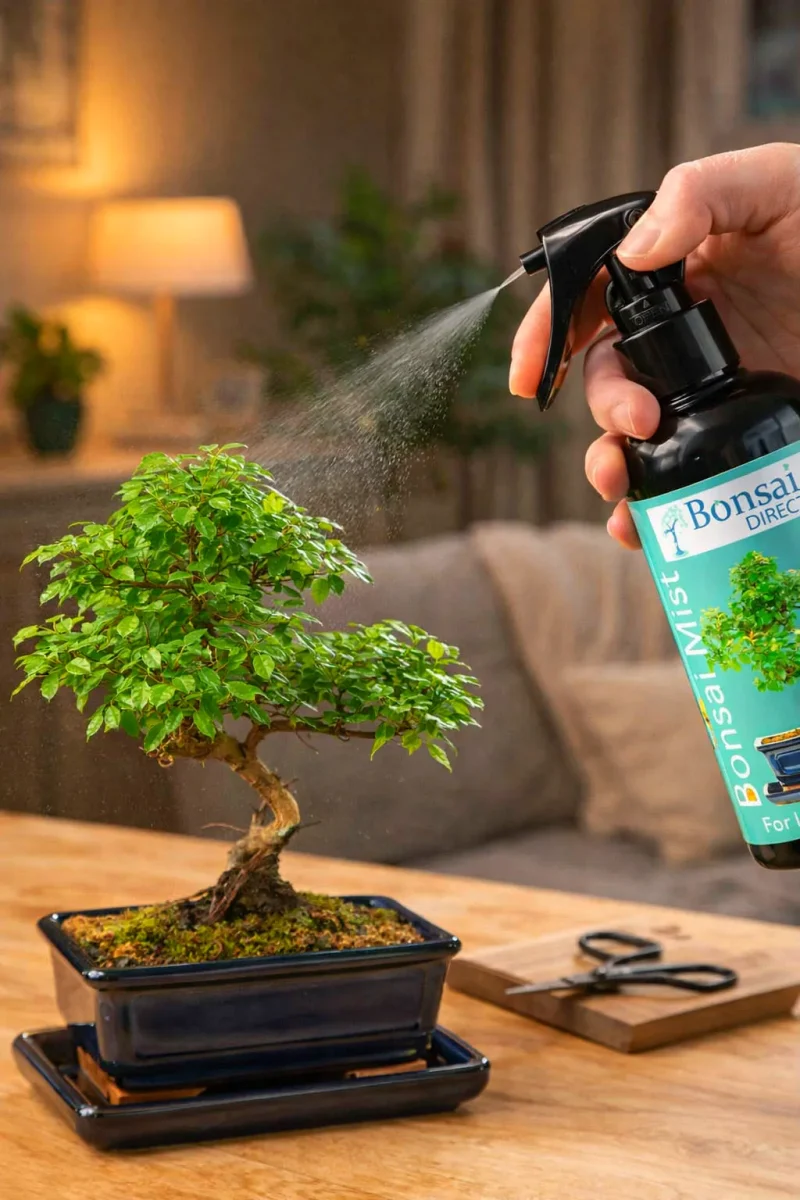
Misting Bonsai: What We’ve Learned from Real Bonsai Nursery Trials
Misting bonsai is often misunderstood, especially when it comes to indoor trees. In this expert guide from Bonsai Direct, we explain how to mist indoor bonsai correctly, why…
Read MoreAre Bonsai Trees Hard To Take Care Of?
Bonsai trees are not hard to take care of, but they are different from typical houseplants. Once you understand a few simple principles and choose the right species,…
Read More
Essential Bonsai Tools: A Complete Guide for Beginners and Enthusiasts
Discover the essential bonsai tools every grower needs, from precision scissors to trunk splitters. Learn what each tool does and how to use them to shape, prune, and…
Read More