


Pomegranate Bonsai Trees (Punica granatum) – Ancient Beauty, Fiery Flowers and a Living Connection to the Mediterranean
Few bonsai species combine beauty, history, symbolism and seasonal interest quite like the Pomegranate Bonsai. Known botanically as Punica granatum, this remarkable species has fascinated gardeners and fruit growers for thousands of years.
From its vibrant trumpet-shaped flowers and glossy foliage to its rugged bark and fascinating fruits, the Pomegranate Bonsai offers an ever-changing display that rewards careful observation throughout the seasons. It is a tree that tells a story, not only through its appearance but also through its rich cultural history.
For many bonsai enthusiasts, Punica granatum represents the perfect combination of horticulture, artistry and timeless Mediterranean charm.
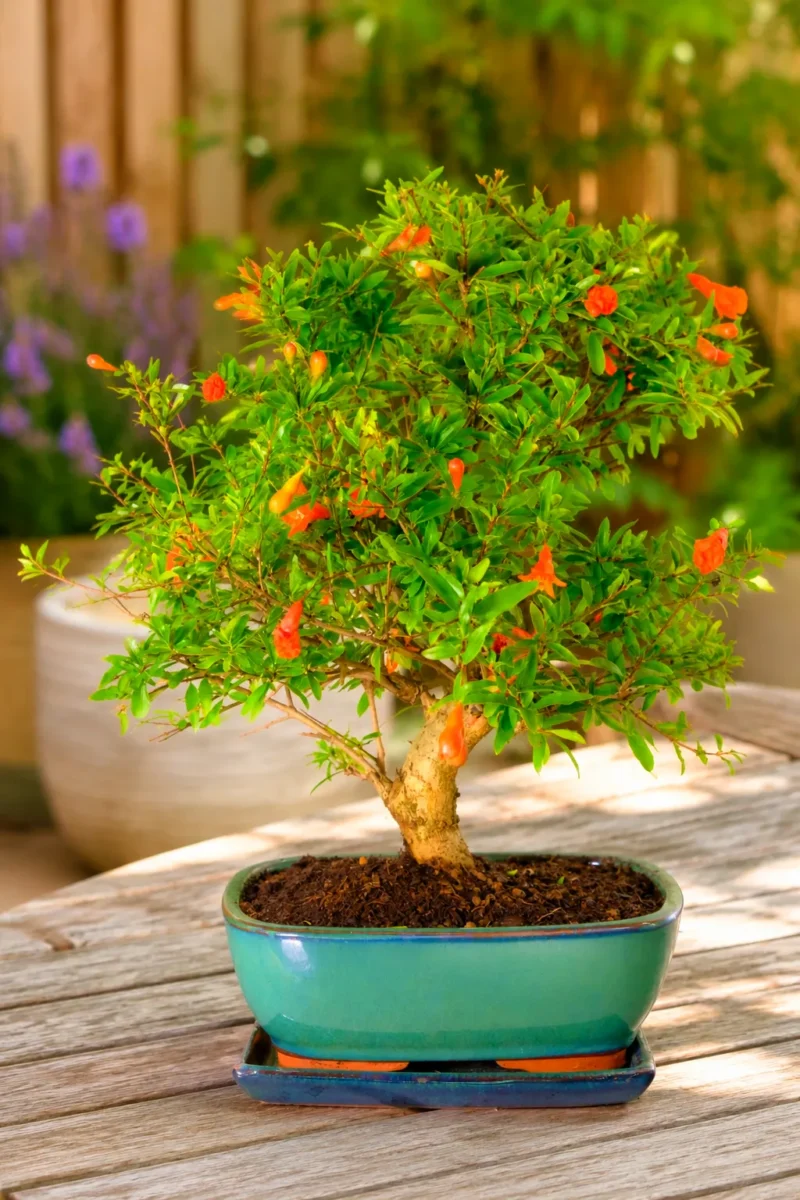
Pomegranate Bonsai Tree
(Punica granatum).
Grown by Bonsai Direct
What is a Pomegranate Bonsai?
The pomegranate originated in regions stretching from modern-day Iran through Central Asia and across the Mediterranean basin. Long before many modern fruit crops were developed, people cultivated pomegranates for their beauty, symbolism and unique fruits.
Today, Punica granatum remains one of the oldest cultivated fruiting species in the world.
As a bonsai, it possesses many characteristics that enthusiasts actively seek:
- Naturally small leaves
- Spectacular flowers
- Attractive bark
- Fine ramification
- Elegant branch structure
- Strong seasonal interest
- Excellent longevity
As specimens mature, they develop increasing character. Twisting trunks, weathered bark and refined branch structures create the impression of an ancient tree growing in miniature form.
The Meaning of Pomegranate Bonsai Trees
Pomegranate Bonsai symbolise abundance, prosperity, fertility, success and longevity.
Throughout history, the pomegranate fruit became associated with wealth and abundance because each fruit contains hundreds of seeds. Many cultures viewed it as a symbol of opportunity, good fortune and life’s many possibilities.
For bonsai enthusiasts, the Pomegranate Bonsai serves as a reminder that the greatest rewards often arrive through patience, care and steady growth over time.
These qualities make Pomegranate Bonsai particularly meaningful gifts for weddings, anniversaries, retirements, new homes and important life milestones.
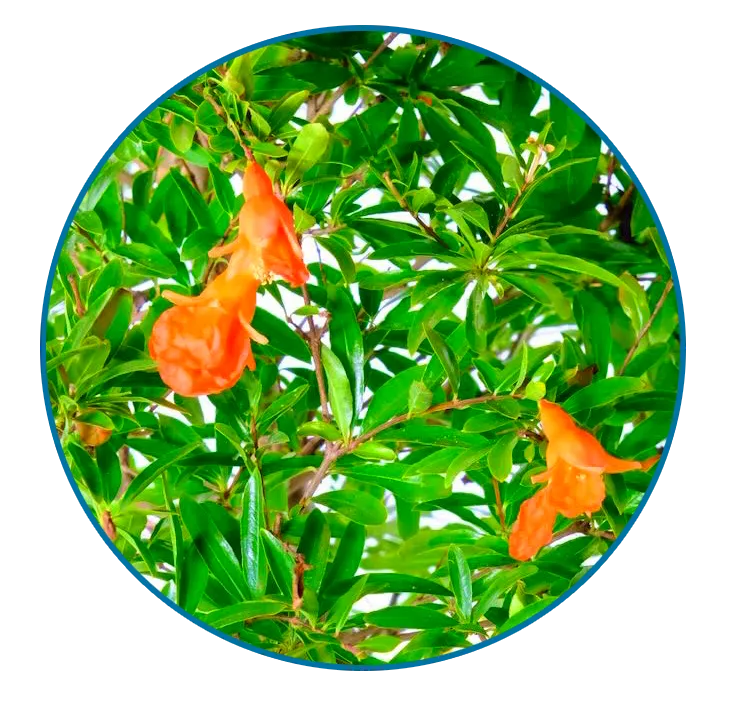
Pomegranate Flowers
Spectacular Orange-Red Flowers
One of the most exciting stages in the pomegranate bonsai calendar arrives during late spring and summer.
As temperatures rise, vibrant flowers begin appearing across the canopy. These blooms emerge in brilliant shades of:
- Orange-red
- Scarlet
- Fiery orange
- Deep crimson
The flowers possess a distinctive waxy texture and beautiful trumpet-like shape that instantly sets them apart from many other flowering bonsai species.
Against the fresh green foliage, the vivid blooms create a display that often becomes the centre of attention in any bonsai collection.
Even trees that never produce fruit remain highly desirable because of the sheer beauty of their flowers.
Beautiful Foliage Throughout the Growing Season
The foliage of Punica granatum plays an important role in its overall appeal.
Fresh leaves emerge during spring in vibrant shades of green, often carrying subtle bronze or reddish tones before maturing. As the canopy develops, the glossy foliage creates a lush backdrop for the flowers while helping maintain the illusion of a mature tree in miniature form.
The leaves are naturally small and perfectly suited to bonsai cultivation.
Combined with the species’ tendency to develop fine branching and elegant ramification, the foliage contributes significantly to the tree’s refined appearance.
Attractive Bark and Mature Character
While many enthusiasts initially fall in love with the flowers, experienced growers often become equally captivated by the bark.
Young pomegranate trees possess relatively smooth bark. As the years pass, the trunk gradually develops texture, movement and age.
Mature specimens often display attractive fissures, subtle colour variations and rugged character that continue improving year after year.
The result is a bonsai that remains visually interesting even during periods when it is neither flowering nor fruiting.
Why Pomegranate Bonsai Are So Rewarding
Many bonsai species offer one standout feature.
Pomegranate Bonsai offer several.
Throughout the year, owners can enjoy:
- Fresh spring growth
- Vibrant flowers
- Attractive foliage
- Developing bark character
- Refined branch structure
- Elegant winter silhouettes
Every season reveals something different.
The tree continually evolves, rewarding careful observation and long-term cultivation.
The Fascinating Story of Pomegranate Fruit
One of the most exciting moments for any owner arrives when flowers begin developing into fruit.
Unlike some fruiting bonsai species, pomegranates can produce surprisingly substantial fruits relative to the size of the tree. Watching these miniature versions of full-sized pomegranates develop is one of the great pleasures of growing the species.
At Bonsai Direct, we often allow the fruits to develop to a modest size so that we can fully enjoy this remarkable stage of the tree’s seasonal journey. The colourful fruits add tremendous interest and provide a fascinating contrast against the foliage and bark.
However, as the fruits continue to grow, they demand increasing amounts of energy from the bonsai. For this reason, experienced growers will often remove some or all of the fruits before they become too large. Doing so allows the tree to redirect its energy into branch development, root health and overall refinement.
This careful balance allows us to enjoy the beauty of the fruits while also maintaining the long-term health and vigour of the bonsai.
In many ways, this perfectly reflects the philosophy of bonsai itself: appreciating beauty while always thinking about the future development of the tree.
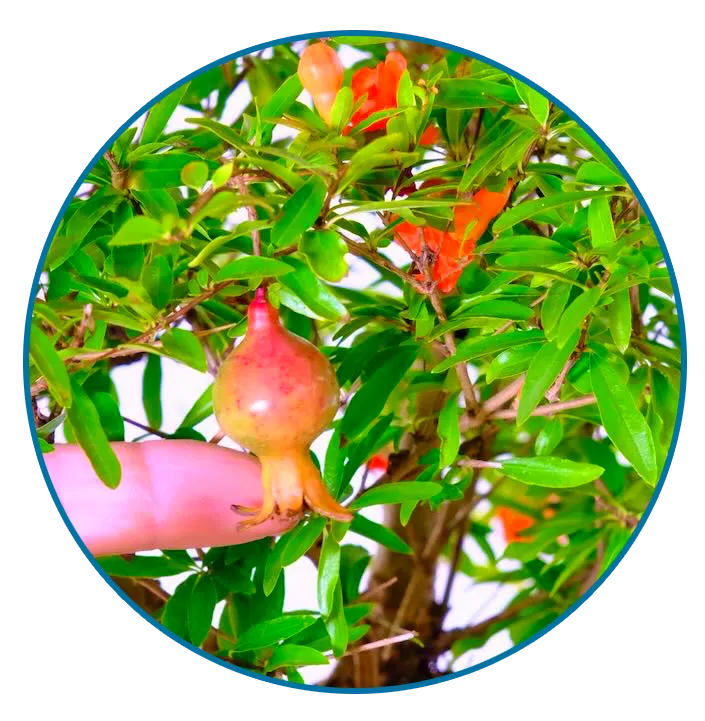
Close up of the fruit of the Pomegranate Bonsai Tree
A Personal Connection to Pomegranate Bonsai
Pomegranate Bonsai have always held a special place in our hearts at Bonsai Direct.
Many years ago, when our children were still young, we spent family holidays camping in Tuscany. Throughout the campsites and surrounding villages, beautiful pomegranate hedges lined the pathways. I can still remember the glossy green leaves with their subtle reddish tones catching the warm Mediterranean sunlight, while the bright trumpet-shaped flowers glowed among the foliage.
As the season progressed, the flowers gave way to the distinctive fruits that have fascinated people for thousands of years. Walking beneath those hedges became one of the simple pleasures of our holidays, and even now those memories remain vivid.
Whenever I work with our Pomegranate Bonsai trees, I am often reminded of those wonderful times in Tuscany. There is something about the foliage, flowers and character of the species that instantly transports me back to warm evenings, family adventures and the relaxed pace of life that makes that part of Italy so special.
Perhaps that is one reason I enjoy growing Pomegranate Bonsai so much. They are beautiful trees in their own right, but they also have an extraordinary ability to evoke memories, places and moments from the past. Every mature specimen seems to tell a story, and for me, many of those stories begin in Tuscany.
Fascinating Facts About Pomegranate Bonsai
One of the World’s Oldest Cultivated Plants
Humans have cultivated pomegranates for over 4,000 years.
A Symbol of Abundance
A single pomegranate can contain hundreds of seeds, making it a long-standing symbol of prosperity and opportunity.
Ancient Royal Gardens
Pomegranates featured prominently in the gardens of ancient Persia, Greece and Rome.
Naturally Well Suited to Bonsai
Their small leaves, attractive bark and excellent branching habits make them ideal bonsai subjects.
Older Trees Become More Beautiful
Unlike some species that rely heavily on flowers, mature pomegranates continue gaining character as their bark and branch structure develop.
Positioning Your Pomegranate Bonsai
Pomegranate Bonsai are outdoor bonsai trees that thrive in sunny positions.
For best results:
- Position in full sun.
- Provide maximum light exposure.
- Ensure excellent drainage.
- Protect against prolonged waterlogging.
- Allow exposure to natural seasonal changes.
The more sunlight your Pomegranate Bonsai receives, the better its flowering potential is likely to be.
How to Care for a Pomegranate Bonsai
Despite its exotic appearance, Punica granatum remains relatively straightforward to care for.
Watering
Water thoroughly whenever the soil begins to dry. During hot weather, more frequent watering may be necessary.
Feeding
Apply bonsai fertiliser weekly throughout spring and summer to encourage healthy growth and abundant flowering.
Pruning
Regular pruning helps maintain shape and encourages fine ramification.
Repotting
Repot every two to three years during early spring before active growth begins.
Winter Care
Pomegranate Bonsai are deciduous and naturally lose their leaves during winter. This dormancy period is completely normal and essential for long-term health.
Protect the pot from prolonged severe frosts, particularly when temperatures remain below freezing for extended periods.
Why Beginners Love Pomegranate Bonsai
Pomegranate Bonsai strike a wonderful balance between beauty and practicality.
They are:
- Easy to care for
- Vigorous growers
- Spectacular in flower
- Full of character
- Long lived
- Highly rewarding
For beginners seeking a flowering bonsai that develops increasing beauty with age, few species offer so much enjoyment.
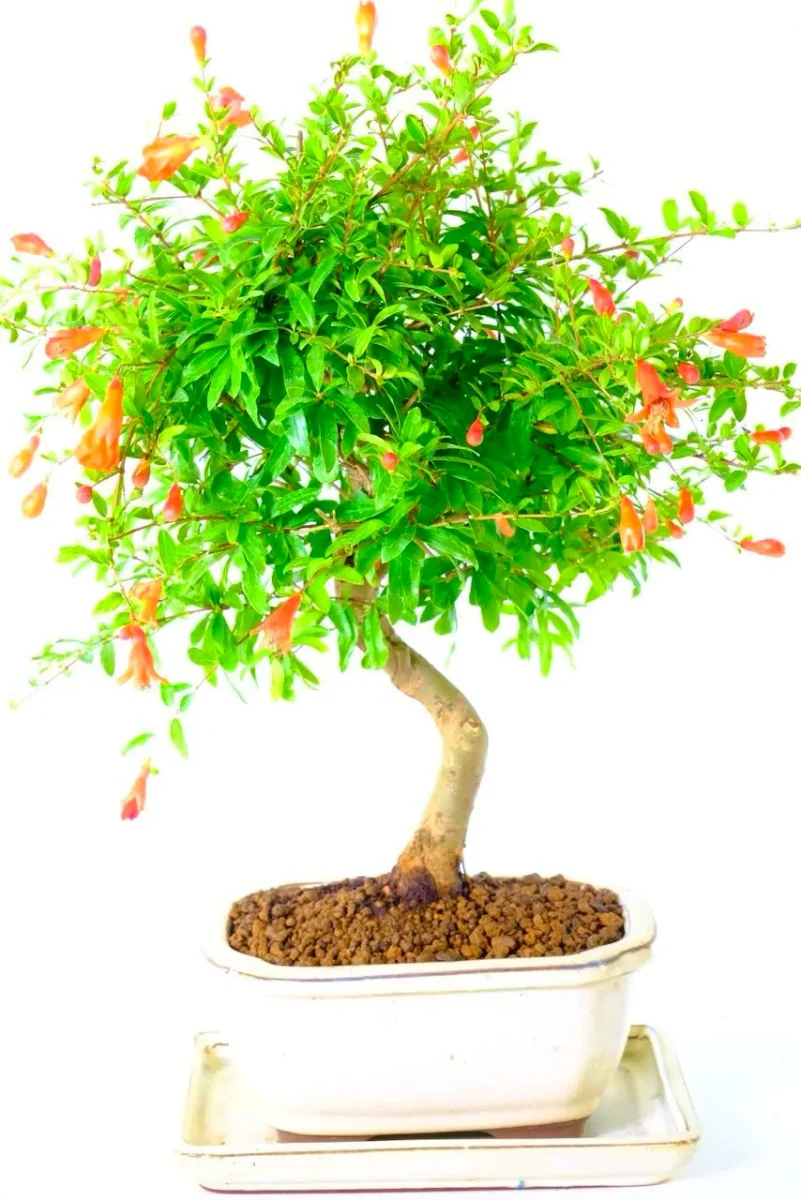
Pretty elegant pomegranate bonsai tree in flower.
Grown by Bonsai Direct
Why We Love Pomegranate Bonsai at Bonsai Direct
At Bonsai Direct, Pomegranate Bonsai are always enjoyed.
Their vibrant flowers, attractive foliage, fascinating history and powerful symbolism create a bonsai that offers interest far beyond a single season. They reward patience, improve with age and continue developing character year after year.
If you are looking for a bonsai that combines beauty, history, symbolism and horticultural interest, the Pomegranate Bonsai deserves a place in your collection.
It is more than simply a flowering bonsai. It is a living connection to thousands of years of history, beautifully captured in miniature form.
Related Content
Cork Oak Bonsai (Quercus suber) – The Evergreen Bonsai with Remarkable Cork Bark
Discover why the Cork Oak Bonsai (Quercus suber) is one of the world's most remarkable evergreen bonsai trees. Famous for its extraordinary cork bark, rugged character, evergreen foliage…
Read More
Pyracantha Bonsai Trees – The Spectacular Firethorn Bonsai with Flowers, Berries and Year-Round Interest
Discover why the Pyracantha Bonsai Tree (Firethorn) is one of the most spectacular outdoor bonsai species. With masses of spring flowers, vibrant autumn berries, evergreen foliage and year-round…
Read More
Cuphea Hyssopifolia Bonsai: The Tiny Flowering Bonsai That Blooms Almost All Year Round
Discover the beautiful Cuphea bonsai tree with prolific purple flowers. Read about caring for a Mexican Heather, the meaning and symbolism, and choose from our gorgeous selection.
Read More
Japanese Maple Bonsai (Acer palmatum): The Complete Care Guide
Discover Japanese Maple Bonsai Trees for sale. Learn about the care, whether you can keep them indoors, and if they are suitable for beginners.
Read More
Leptospermum scoparium Bonsai: The New Zealand Manuka Tea Tree Guide
The Manuka Tea Tree Bonsai Few flowering bonsai species combine elegance, cultural significance, and seasonal beauty quite like Leptospermum scoparium. Commonly known as the New Zealand Manuka Tea…
Read More
Best Bonsai for Office Spaces: The Ultimate Guide to Choosing a Desk Bonsai Tree
Looking for something to brighten your office or workspace? Our beautiful desk bonsai trees are perfect for adding a little greenery, and promoting mindfulness and mental health at…
Read More
Easiest Bonsai To Keep Alive
Looking for the easiest bonsai to keep alive? Discover the best beginner-friendly indoor and outdoor bonsai trees, including Chinese Elm, Dwarf Jade, Chinese Juniper, and Pine bonsai. Learn…
Read More
Can Any Tree Be a Bonsai?
Can any tree become a bonsai? While many species can be trained, not all are suited to the art. Learn which trees work best and how to choose…
Read More